

We’ve all rolled with that one person, they aren’t the biggest in the gym, and they don’t look like a bodybuilder, but when you grab them, they feel like they’re made of high-tensile steel cables and industrial-grade rubber bands. They are impossibly heavy, frustratingly springy, and they never seem to pop an ACL when things get weird in a scramble.
That isn’t just muscle, that’s fascia.
For decades, the BJJ community focused on the meat and bones approach, lift heavy to get strong, stretch to get flexible, but as we move deeper into 2026, the cutting edge of combat sports conditioning has shifted toward the biological glue that holds it all together.
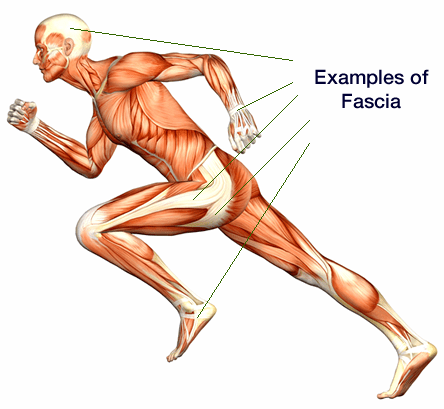
What Exactly Is Fascia?
Think of fascia not as a passive wrapper for your muscles, but as a sophisticated, whole-body communication network. It’s a collagenous web of connective tissue that surrounds every muscle fiber, bone, nerve, and organ.
In the old days, we viewed the body like a crane (pulleys and levers). Today, we view it through the lens of biotensegrity. Your fascia is what allows force generated in your big toe to travel through your core and out through your cross-face. When your fascia is healthy, it’s elastic and hydrated, when it’s junked up, it feels like dried-out leather, brittle and prone to snapping.
Why Grapplers Need Fascia-Focused Training
If you’re still training like a 1990s bodybuilder (linear, isolated movements), you’re leaving performance on the table and potentially inviting injury. Here’s why the fascial web matters for grappling:
Elastic Recoil: Fascia stores energy. A fascially fit athlete has a natural springiness, allowing for more explosive shots and quicker recoveries without burning through ATP as fast as a purely muscular athlete.
Injury Resilience: Most BJJ injuries (ACL tears, meniscus tweaks, popped ribs) happen at the end-range of motion where muscles are weak but fascia is supposed to take the load. Fascia training strengthens these slings.
Force Transmission: Ever wonder how a 145lb black belt feels like a 220lb brick wall? They’ve learned to engage their entire fascial chain to distribute weight, rather than just pushing with their triceps.
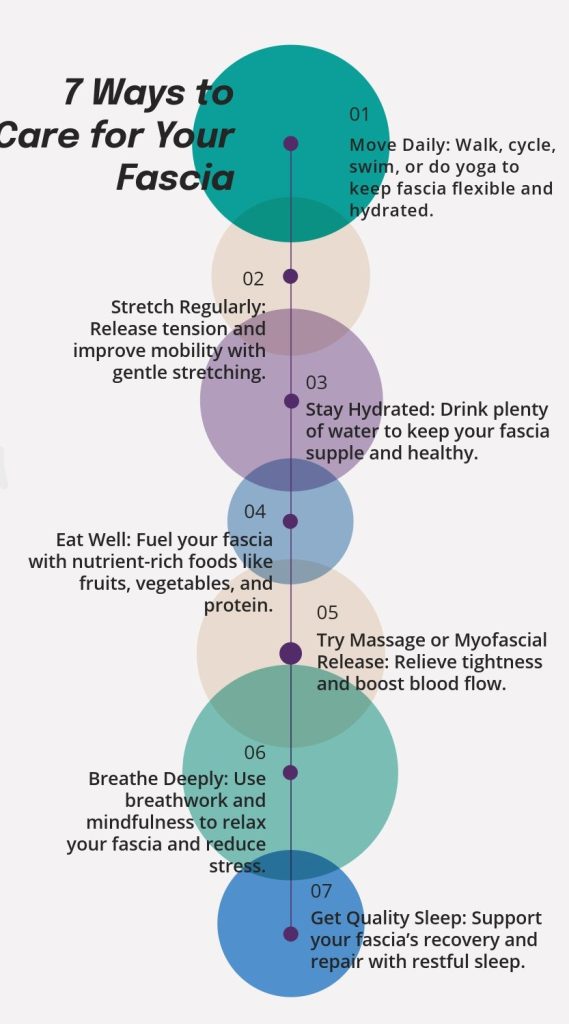
The Three Pillars Of Fascial Training
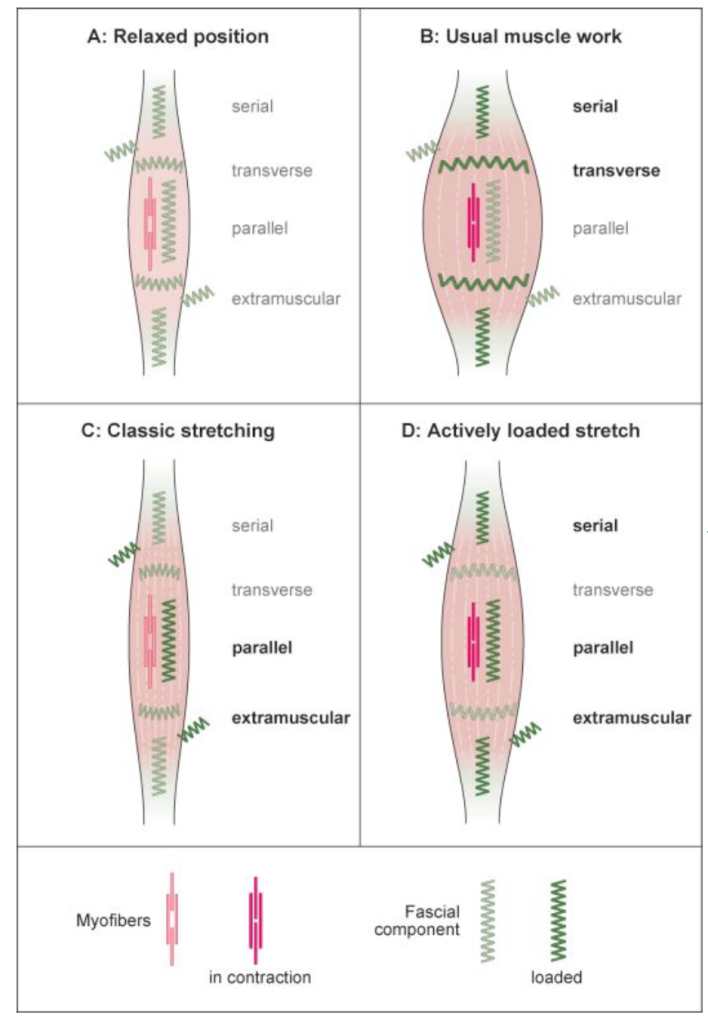
Fascia doesn’t respond to 3 sets of 10 on the bench press. It requires variety, rhythm, and multidimensionality.
Hydration & Release: Fascia is primarily water. If you don’t move it through its full range or use tools like foam rollers and lacrosse balls slowly, it becomes sticky (adhesions).
Multi-Planar Movement: Grappling is a 360-degree sport. Your training should involve rotations, side-to-side glides, and weird angles that mimic a scramble.
The Bounce: Fascia thrives on rhythmic, elastic movements. Think of a cat jumping, it’s not muscling the leap, it’s using its fascial springs.
Getting Started: 3 Movements for the Grappler
You don’t need to scrap your current routine. Just add these “Fascial Primers” to your warm-up or active recovery days.
| Movement | Focus | Why for BJJ? |
| The Coiling Core | Rotational Slings | Improves the power of your bridges and the torque in your finishes. |
| Low-Impact Pulsing | Elastic Recoil | Builds the spring in your legs for explosive guard passes and shots. |
| 3D Animal Crawls | Global Connectivity | Teaches the body to move as a single unit, making you harder to break down. |
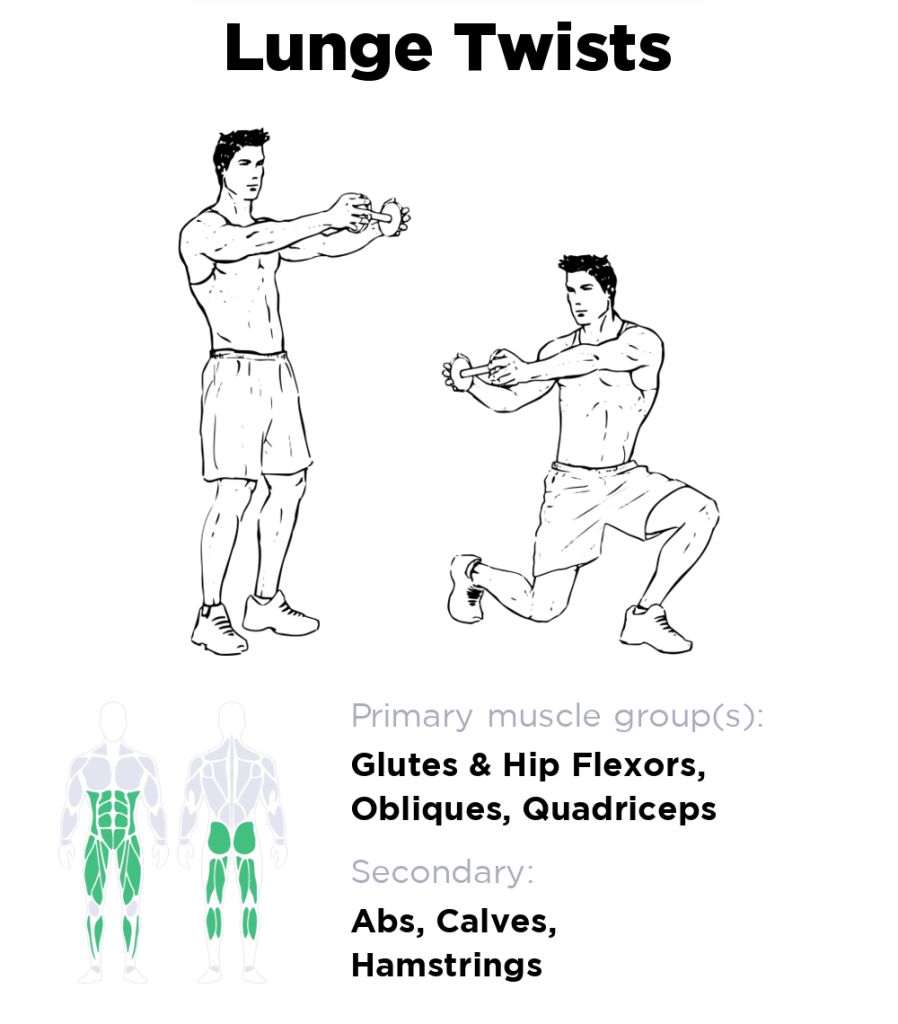
1. The Coiling Core (Lunge With Rotation)
Instead of a standard lunge, step forward and deeply rotate your torso over your front leg, reaching your arms in opposite directions. Imagine you are wringing out your midsection like a wet towel. This hydrates the thoracolumbar fascia, the X on your back that dictates your power.
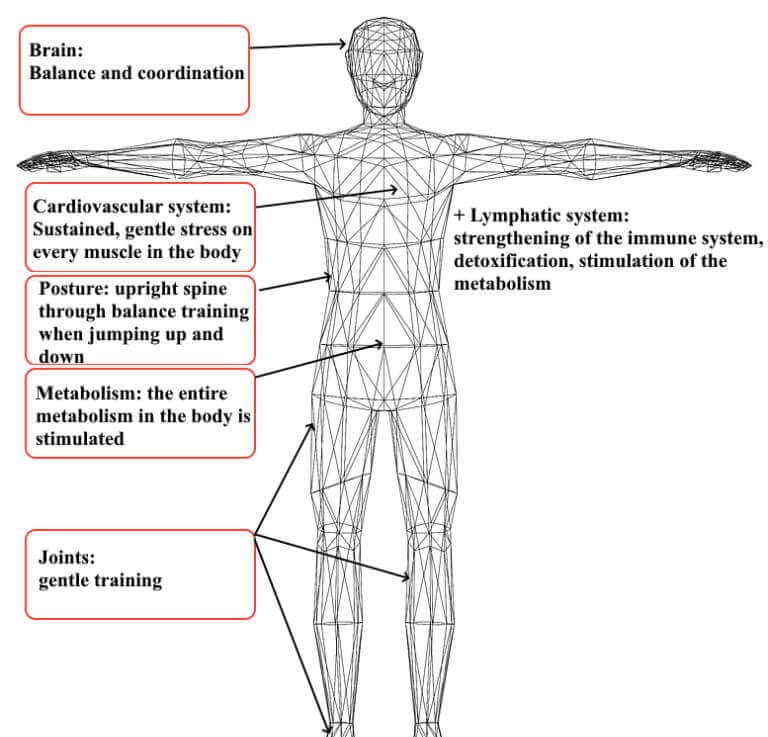
2. Fascial Pulsing (The Micro-Bounce)
In a deep squat or a split stance, perform tiny, rhythmic pulses (only 1–2 inches of movement). This isn’t a muscular workout, it’s about feeling the spring in your tendons. Do this for 60 seconds to wake up the elastic fibers in your lower body.
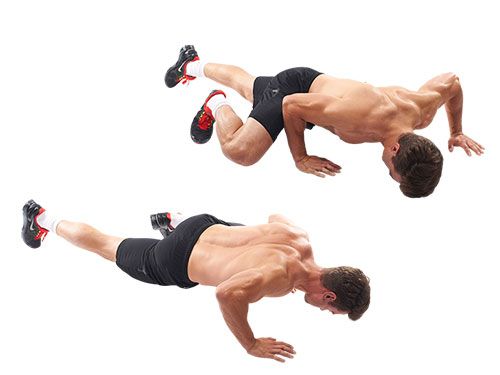
3. The Spider Crawl
Get low to the ground and move in every direction, forward, backward, and sideways, keeping your hips as low as possible. Focus on the sensation of your skin and tissues sliding over each other. This builds the kind of functional, wiry strength that is gold on the mats.
The Bottom Line
Grappling is a sport of millimeters and tension. If you only train your muscles, you’re only training half of your engine. By incorporating fascia-focused movements, you’re not just getting stronger, you’re becoming harder to break.


