

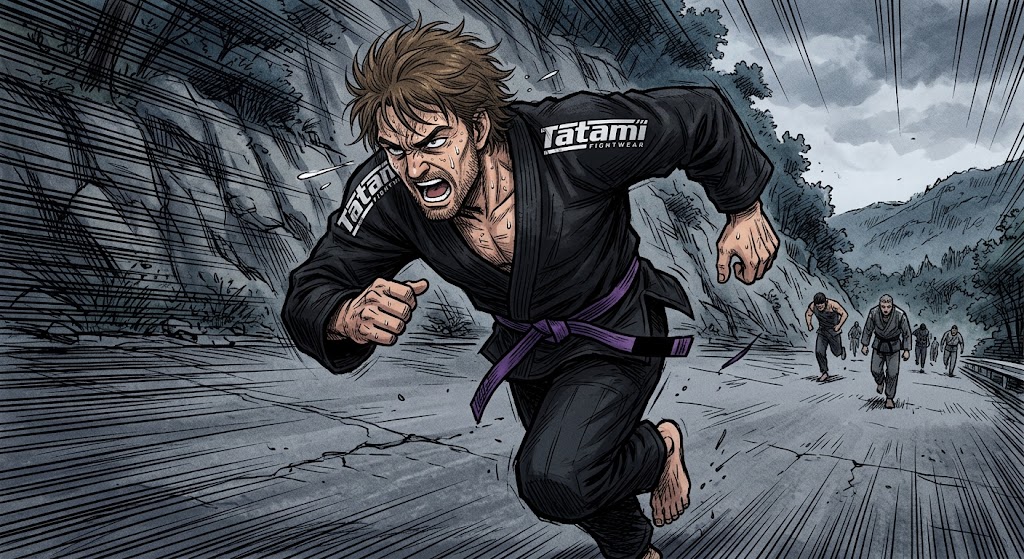
For decades, the standard prescription for high blood pressure was simple, put on a pair of running shoes, break a sweat, and push your heart rate into the cardio zone. Modern fitness culture has long operated on the assumption that when it comes to cardiovascular conditioning, higher intensity reigns supreme. However, a groundbreaking study published in JAMA Network Open has flipped this long-held dogma on its head, revealing that the slow, deliberate movements of meditative martial arts like Tai Chi are actually more effective at lowering blood pressure than conventional aerobic exercises like jogging or brisk walking.
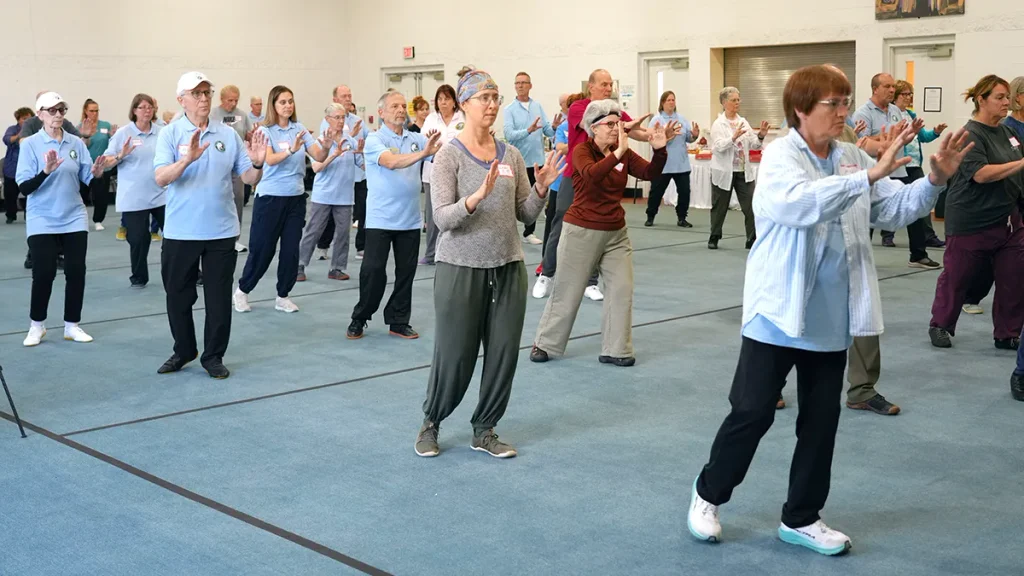
The year-long randomized clinical trial, conducted by researchers across multiple medical institutions, evaluated over 300 adults diagnosed with prehypertension, a critical stage where blood pressure levels are elevated above normal but not yet classified as full hypertension. Participants were divided into two distinct training regimes, one group engaged in traditional, continuous aerobic activity, while the other practiced the fluid, mindful patterns of Tai Chi.
By the end of the 12-month study, the results were unmistakable. Practitioners of Tai Chi experienced a mean reduction in systolic blood pressure of 7.05 mmHg, compared to a 4.61 mmHg drop in the aerobic exercise group. Furthermore, 24-hour ambulatory blood pressure monitoring revealed that the Tai Chi group maintained significantly lower blood pressure readings during both waking hours and sleep. For clinicians and martial arts practitioners alike, these numbers represent far more than a minor statistical edge, a consistent reduction of 5 to 7 mmHg in systolic pressure is clinically proven to reduce the lifetime risk of stroke and heart failure by up to twenty percent.
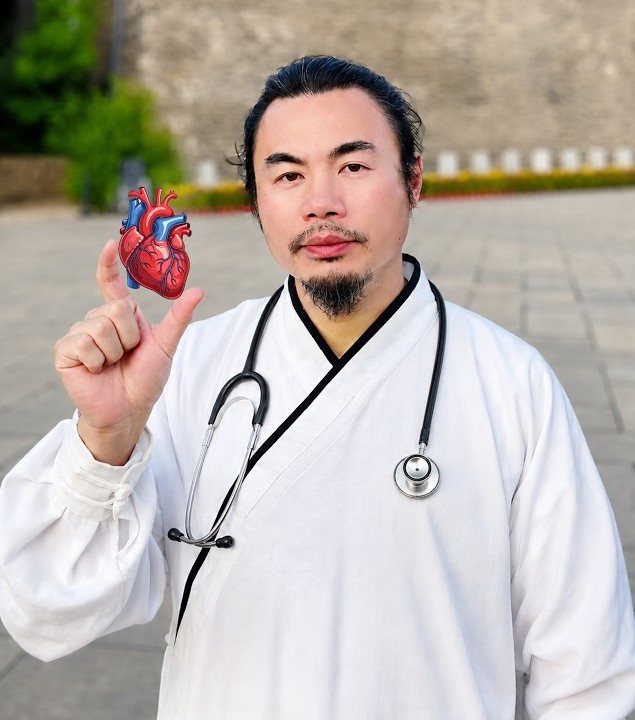
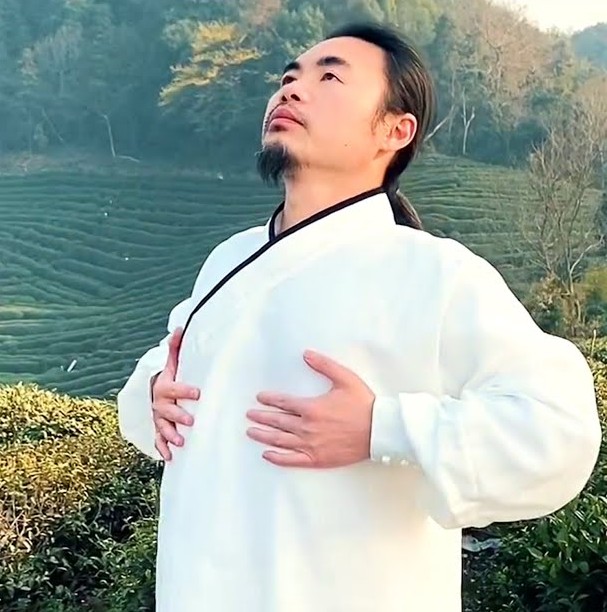
How does an art characterized by low impact and measured pacing outperform sweat-drenched aerobic exertion? The answer lies in how meditative internal arts engage the human nervous system.
While conventional aerobic exercise relies heavily on metabolic exertion that temporarily spikes sympathetic nervous system activity, the classic fight-or-flight state, internal martial arts prioritize autonomic nervous system modulation. Through deliberate diaphragmatic breathing, structured alignment, and continuous mental focus, Tai Chi stimulates the vagus nerve, rapidly upregulating parasympathetic activity. This deep relaxation response lowers plasma cortisol levels, reduces systemic inflammation, and relaxes the smooth muscles surrounding peripheral blood vessels. The result is a profound decrease in total vascular resistance, allowing blood to flow freely without demanding extra force from the heart.
Furthermore, meditative martial arts address the psycho-emotional roots of vascular tension. Unlike pounding the pavement, where the mind often wanders or absorbs external stress, internal practice demands total cognitive presence. This synthesis of motion and mindfulness cultivates endothelial health, improving the inner arterial lining’s ability to release nitric oxide, a natural vasodilator that keeps blood vessels pliable and responsive.
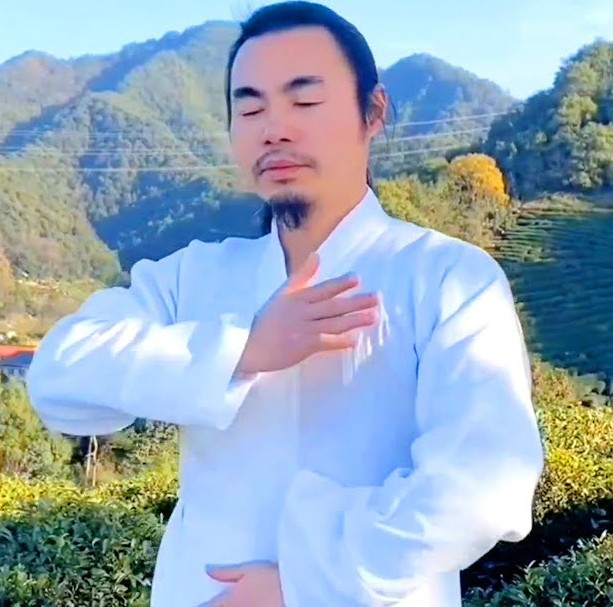
For the martial arts community, these findings serve as a powerful validation of ancient wisdom. Long before blood pressure cuffs and clinical trials, traditional masters taught that true strength was not found in raw force or exhaustion, but in the harmony of intent, breath, and movement. As modern science continues to unravel the physiology behind internal arts, it becomes increasingly clear, the quiet discipline of the mats may very well be the ultimate defense for the human heart.


