

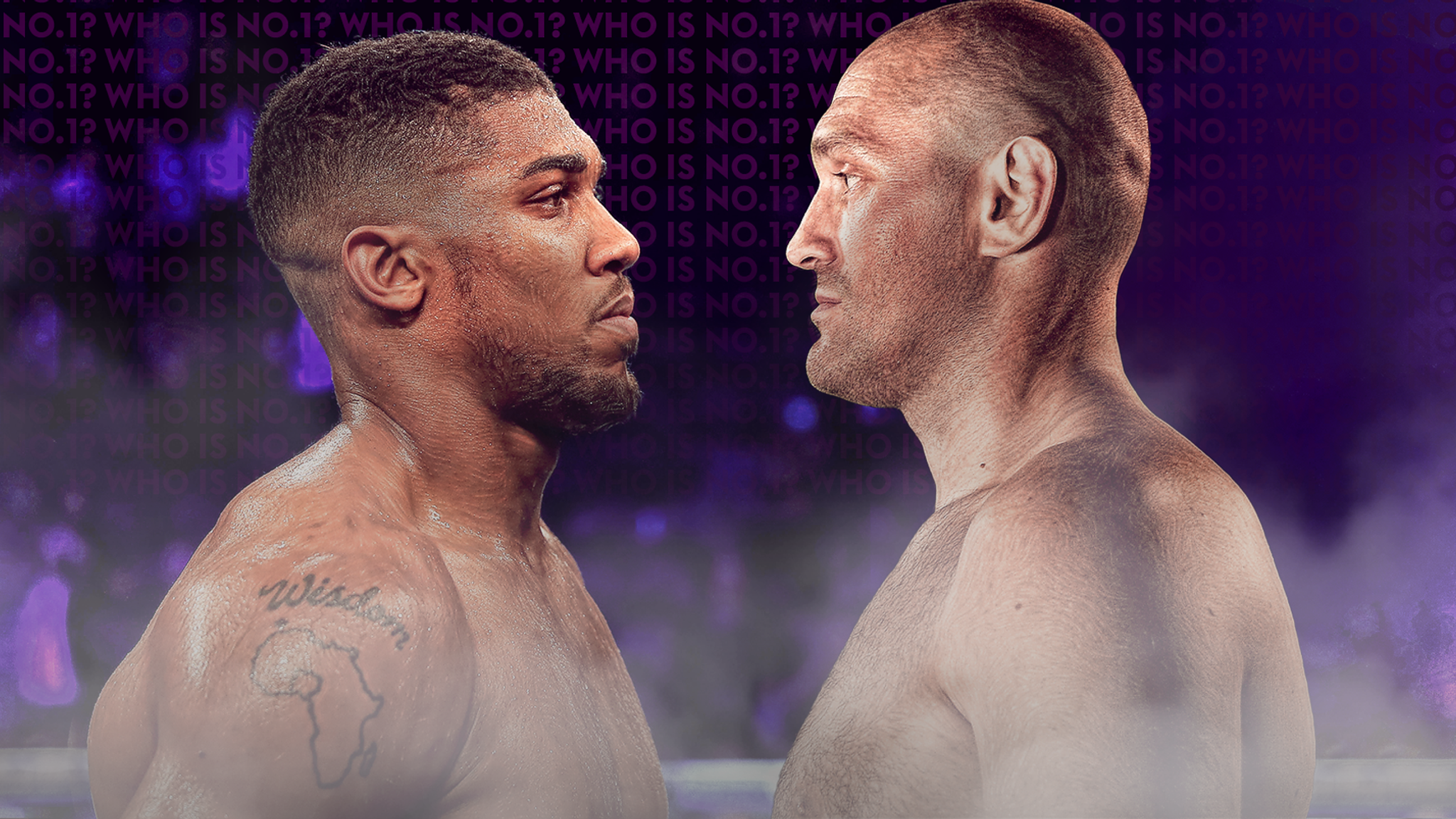
The bluff has been called, the ink is dry, and the most exhausted narrative in heavyweight history has finally shifted from if to when.
Just over a fortnight ago, Tyson Fury stood in the center of the Tottenham Hotspur Stadium ring, fresh off a dominant decision victory over Arslanbek Makhmudov, and issued a career-defining decree. It was the “Joshua Ultimatum”, fight him next, or the Gypsy King would vanish into permanent retirement. On Monday, the boxing world received its answer. His Excellency, Turki Alalshikh confirmed via X that the contracts are signed for an all-British showdown in the fourth quarter of 2026, set to be broadcast globally on Netflix.
This isn’t just a fight, it’s a collision of two legacies that have defined, and at times, paralyzed, the heavyweight division for a decade.
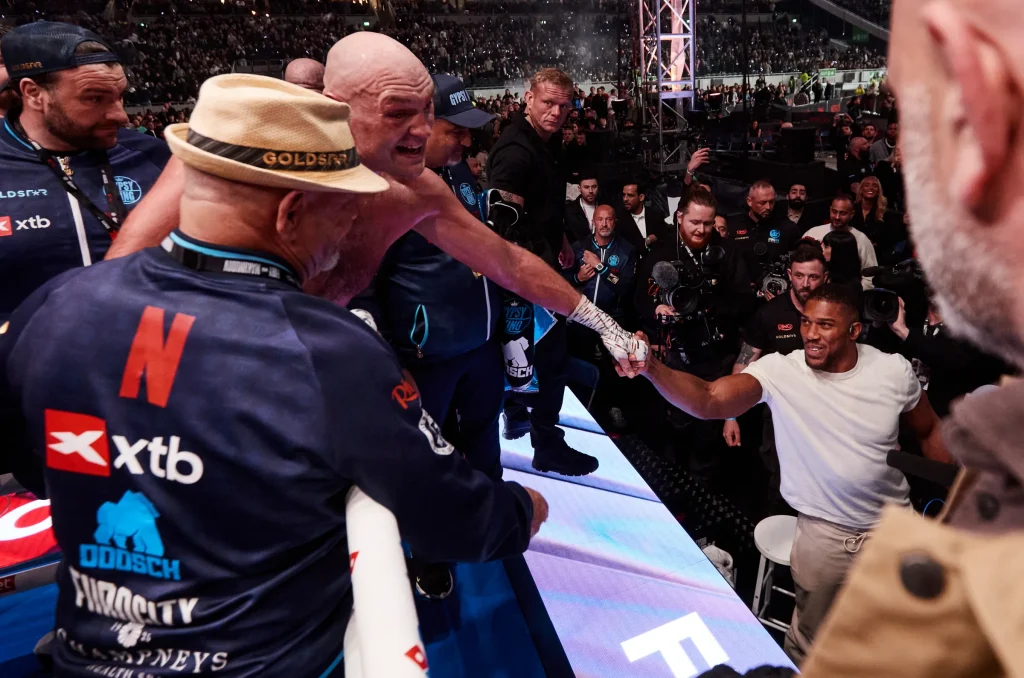
The Ultimatum That Worked
Fury’s gamble was vintage Gypsy King. After his 2024 losses to Oleksandr Usyk, many believed Fury was a spent force. His brief retirement looked like a graceful exit until the siren song of the ring (and perhaps the Saudi coffers) pulled him back.
By demanding Joshua or nothing, Fury successfully bypassed the bureaucratic sludge of mandatory challengers and sanctioning body politics. He made it personal, calling out Joshua at ringside on April 11, and in doing so, he forced a timeline. For a man who has often been his own greatest obstacle, Fury has simplified his career down to one final mission, proving that even without the belts, he is the superior British heavyweight of his era.
Joshua’s Long Road Back
For Anthony Joshua, the path to this signature has been far more harrowing. Since his 2024 knockout loss to Daniel Dubois, AJ’s career has been a series of rebuilds and personal trials.
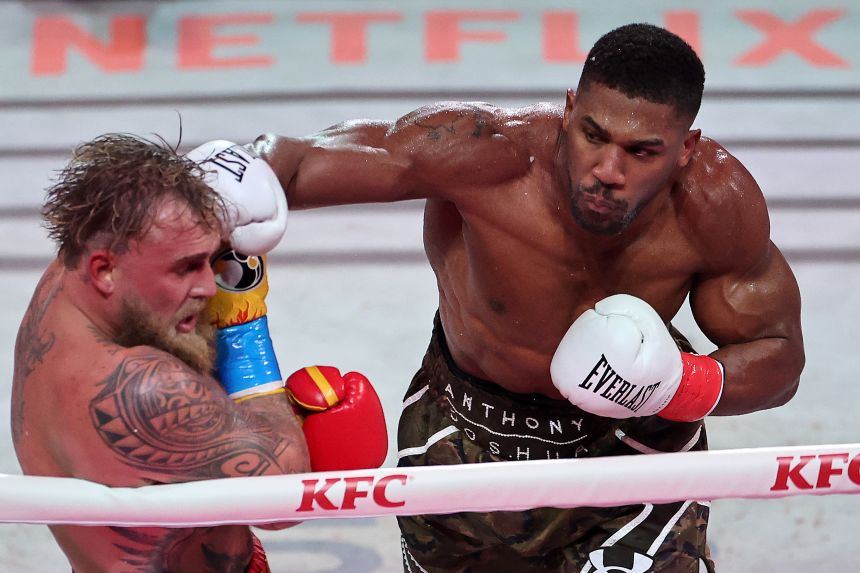
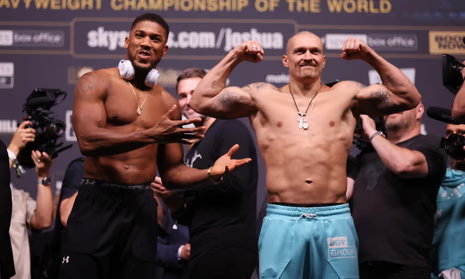
While his sixth-round demolition of Jake Paul in late 2025 served as a commercial powerhouse, it was overshadowed by the tragic car accident in Nigeria just days later that claimed the lives of two close friends. Joshua’s return is now a story of resilience. He is currently training in Valencia with an unlikely ally, the man who twice defeated him and Fury both, Oleksandr Usyk.
Before he can face Fury in November, Joshua must navigate a July 25 tune-up against Kristian Prenga in Riyadh. It’s a risky bridge to cross, but as Joshua told reporters yesterday:
“The landlord is coming to collect his rent. The journey back hasn’t been easy, but the destination has always been the same.”
A Division In Transition
What does this mean for the heavyweight landscape? In truth, the division is moving into a Post-Undisputed era. With Usyk having consolidated the gold and both Fury and Joshua currently beltless, this fight represents the “People’s Championship.”
The Youth Movement: While Fury and Joshua settle their score, the likes of Moses Itauma and the rest of the new guard are waiting in the wings. This fight acts as a final, glorious old guard standoff before the division undergoes a total facelift in 2027.
The End Of An Era: This bout likely marks the final curtain call for the big three era. Whoever loses has nowhere left to go, whoever wins cements themselves as the definitive #2 of this generation behind Usyk.
The Netflix Factor: The move to Netflix signals a massive shift in boxing’s business model. Moving away from traditional PPV towards streaming giants suggests this fight is being positioned as a cultural event rather than just a sporting one.
The Legacy Standoff
If Fury wins, he validates every boast he’s ever made about being unbeatable by any man born from his mother, chalking up the Usyk losses as an anomaly. If Joshua wins, he completes one of the greatest redemption arcs in boxing history, overcoming tragedy, loss of form, and the Gypsy King’s psychological warfare.
The ultimatum has been met. The Battle of Britain is no longer a what-if, it’s a date on the calendar.


