


For decades, the standard procedure in combat sports pre-competition preparation has been defined by drastic caloric deficits, acute water shedding, and sometimes extreme physical strain. While fighters and coaches obsess over the numbers on the scale, a hidden toll is exacted on the athlete’s digestive system. Rapid weight loss (RWL) routinely induces systemic physiological stress, impairing gut homeostasis and compromising the integrity of the intestinal epithelial barrier.
A groundbreaking clinical trial conducted at the Shanghai University of Sport and published in Frontiers In Nutrition provides a potential solution. Researchers demonstrated that targeted probiotic supplementation during pre-competition weight management significantly mitigates gastrointestinal (GI) distress, reinforces the gut barrier, and maintains immune defenses in combat sports athletes undergoing weight cuts.

The Hidden Trauma Of The Weight Cut
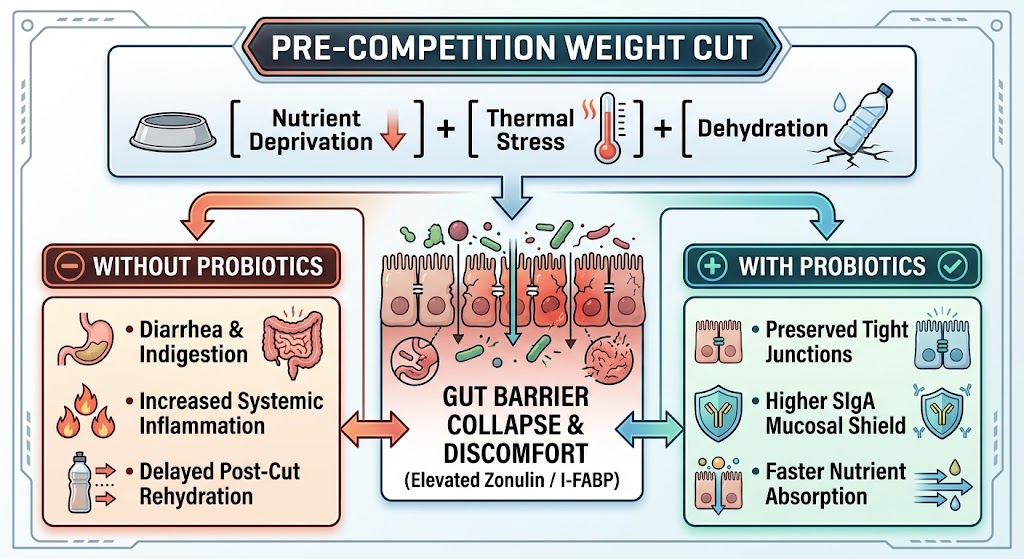
During a traditional fight week or weight-cutting cycle, the combination of acute dietary restriction, intense conditioning, heat stress, and dehydration creates a physiological perfect storm inside the gut.
- Intestinal Ischemia And Hypoxia: Severe dehydration and high-intensity exercise divert blood flow away from the internal organs toward working muscles and skin, starving the gut lining of oxygen.
- Hyperpermeability (“Leaky Gut”): Epithelial tight junctions break down under metabolic stress, allowing toxic bacterial end-products like lipopolysaccharides (LPS) to cross into systemic circulation.
- Systemic Inflammation & Discomfort: Dysbiosis and structural damage lead to acute abdominal distress, including severe cramping, bloating, diarrhea, and nausea, which can hinder post-weigh-in recovery and compromise fight-night performance.
The Study: 4 Weeks On The Front Lines
To test whether probiotic intervention could buffer against these damages, researchers conducted a double-blind, randomized, placebo-controlled trial evaluating combat athletes across a four-week pre-competition weight loss phase.
Athletes were monitored using standardized clinical scoring, specifically the Gastrointestinal Symptom Rating Scale (GSRS), alongside blood and stool biomarkers evaluating epithelial integrity and inflammation.
Key Findings: Biomarkers of Defense
The empirical data revealed stark contrasts between athletes receiving the probiotic strain regimen and those on placebo.
1. Drastic Reduction In Gastrointestinal Symptoms
While athletes in the placebo group suffered significant spikes in dyspepsia, diarrhea, and constipation during the weight cut, the probiotic group exhibited marked symptom suppression. Total GSRS scores were substantially lower, allowing athletes to complete their weight cuts without debilitating digestive interference.
2. Protection Of Intestinal Barrier Biomarkers
The study measured key serum markers associated with mucosal damage and intestinal leakage.
- Zonulin & I-FABP (Intestinal Fatty Acid-Binding Protein): Both key markers of enterocyte damage and tight-junction disassembly dropped significantly in the probiotic group compared to controls.
- D-Lactate (D-LA): Lower circulating levels of D-LA confirmed reduced bacterial byproduct translocating across the intestinal wall into blood circulation.
3. Fortified Mucosal Immunity & Lower Inflammation Levels
- Secretory IgA (SIgA): Probiotics stimulated higher levels of salivary SIgA—the primary immunoglobulin protecting mucosal surfaces—shielding athletes from upper respiratory tract infections and opportunistic illness common during hard cuts.
- Calprotectin: Fecal calprotectin, a primary marker of intestinal lumen inflammation, spiked sharply in the placebo group but remained controlled in athletes taking probiotics.

Practical Applications For Fighters, Coaches, and Nutritionists
Making weight is only half the battle, rehydrating and refueling efficiently between the scale and the cage or ring is what determines competitive performance. Damaged intestinal villi cannot absorb water, electrolytes, and carbohydrates rapidly during the rehydration window.
Why It’s Good For Grapplers: By preserving the integrity of the gut lining during the cut, probiotics ensure that when a fighter steps off the scale and begins rehydrating, their gastrointestinal tract is structurally capable of absorbing nutrients rapidly without cramping or GI distress.
Recommended Protocol Framework
- Timing: Probiotic supplementation should begin at least 4 weeks prior to weigh-in day. Research indicates that short-term usage (< 2 weeks) is insufficient to establish protective mucosal bacterial colonization prior to acute weight loss stress.
- Strain Selection: Multi-strain formulations containing Lactobacillus and Bifidobacterium species show the strongest efficacy in reinforcing tight junction proteins and modulating inflammatory pathways.
- Synergy With Nutrition: Combining probiotics with high-quality protein and soluble fiber during early fight camp phases optimizes short-chain fatty acid (SCFA) production, further enhancing gut barrier resilience prior to acute water cuts.
This study shifts probiotic supplementation from a generic wellness supplement to an essential tool in combat sports performance nutrition. Protecting the gut during rapid weight loss ensures that when fight night arrives, the athlete’s body is built to perform, rehydrate, and recover at maximum efficiency.


