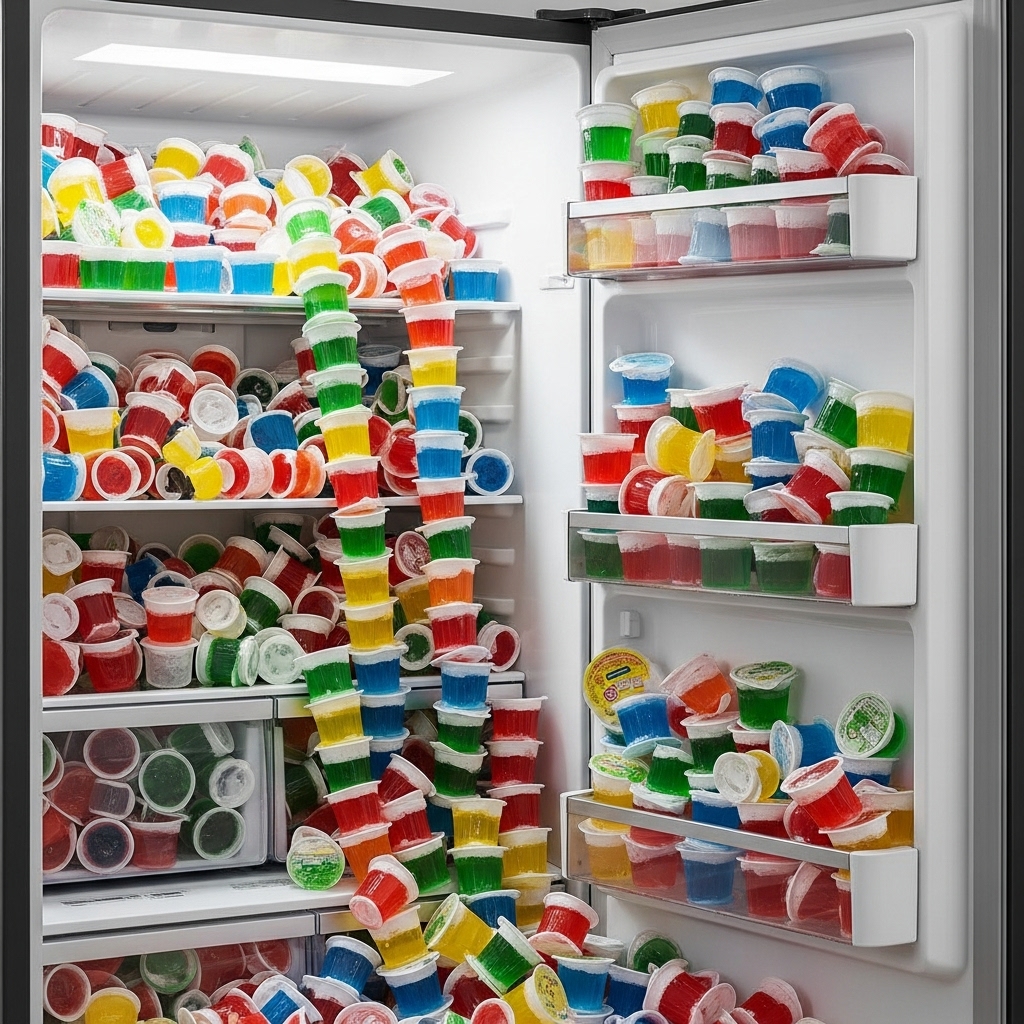
In the landscape of modern health and nutrition, where every ingredient is scrutinized and every calorie counted, a product like Jell-O might seem like an anachronism. This ubiquitous dessert, a staple of cafeterias and sickbeds alike, often evokes childhood memories rather than serious dietary consideration. However, a closer look at Jell-O’s nutritional profile reveals that it can, surprisingly, hold a place in certain health-conscious eating plans – albeit with significant caveats.

The Basics: Jell-O is primarily composed of gelatin, sugar (or artificial sweeteners in sugar-free varieties), and artificial flavors and colors. Its most appealing characteristic from a dietary perspective is its remarkably low calorie count, especially in the sugar-free versions, and its fat-free nature.
Nutritional Breakdown (Sugar-Free Variety, per 1/2 cup serving):
Sodium: ~50-70mg
Calories: 10-20 (depending on flavor/brand)
Protein: 1-2g (from gelatin)
Carbohydrates: 0g (from sugar alcohols in some sugar-free types, or negligible from other ingredients)
Fats: 0g
The Pros For A Health Savvy Audience:
Versatility In Modified Diets: It’s clear, liquid-like consistency makes it suitable for clear liquid diets, post-operative diets, and for individuals with chewing or swallowing difficulties.
Extremely Low Calorie: For individuals managing calorie intake, especially those on weight loss journeys or looking for a guilt-free sweet treat, sugar-free Jell-O is an undeniable winner. Its voluminosity for so few calories can help with satiety.
Hydration Aid: While not a primary source of hydration, its high water content can contribute to overall fluid intake, which is particularly beneficial for those who struggle to drink enough plain water.
Source Of Gelatin: Gelatin, the primary ingredient, is a protein derived from collagen. While not a complete protein (it lacks certain essential amino acids), it offers some amino acids like glycine and proline, which are believed to support joint health, skin elasticity, and gut health. However, the amount of gelatin per serving in Jell-O is relatively small, so one shouldn’t rely on it as a primary source for these benefits.
Digestibility: Jell-O is often recommended during periods of digestive upset or after surgery due to its easy digestibility and light texture.


The Cons & Important Considerations:
Not A “Superfood”: Despite some of the recent buzz around collagen and gelatin, the amount in a typical serving of Jell-O is too small to confer significant, research-backed benefits often associated with concentrated collagen supplements.
Lack Of Micronutrients: This is Jell-O’s biggest downfall from a nutritional perspective. It offers virtually no vitamins, minerals, or fiber. It should never be considered a “nutritious” food in the traditional sense, but rather a low-calorie treat.
Artificial Ingredients: The reliance on artificial sweeteners (aspartame, sucralose), artificial colors, and artificial flavors is a significant concern for many health-conscious consumers. While approved for consumption by regulatory bodies, some individuals choose to limit or avoid these due to personal preference or potential sensitivities.
Sugar Content In Regular Varieties: The regular, sugar-sweetened Jell-O contains a substantial amount of added sugar, which negates many of its potential benefits for those aiming to reduce sugar intake or manage blood sugar levels. These varieties are essentially empty calories.
Jell-O, particularly its sugar-free iteration, can serve a specific, limited purpose in a well-rounded, health-conscious diet. It excels as a very low-calorie dessert or snack option, a tool for hydration, or as a component of medically prescribed diets.
However, it is crucial to view Jell-O as what it is: a processed food that offers minimal nutritional value beyond its caloric and (limited) protein contribution. For those prioritizing whole, unprocessed foods, and seeking nutrient density, Jell-O will likely not be a staple. If you’re looking for a light, sweet treat that won’t derail your calorie goals, and you’re comfortable with artificial ingredients, sugar-free Jell-O can certainly fit the bill. Just remember to pair it with a diet rich in fruits, vegetables, whole grains, and lean proteins to ensure you’re meeting your overall nutritional needs.