

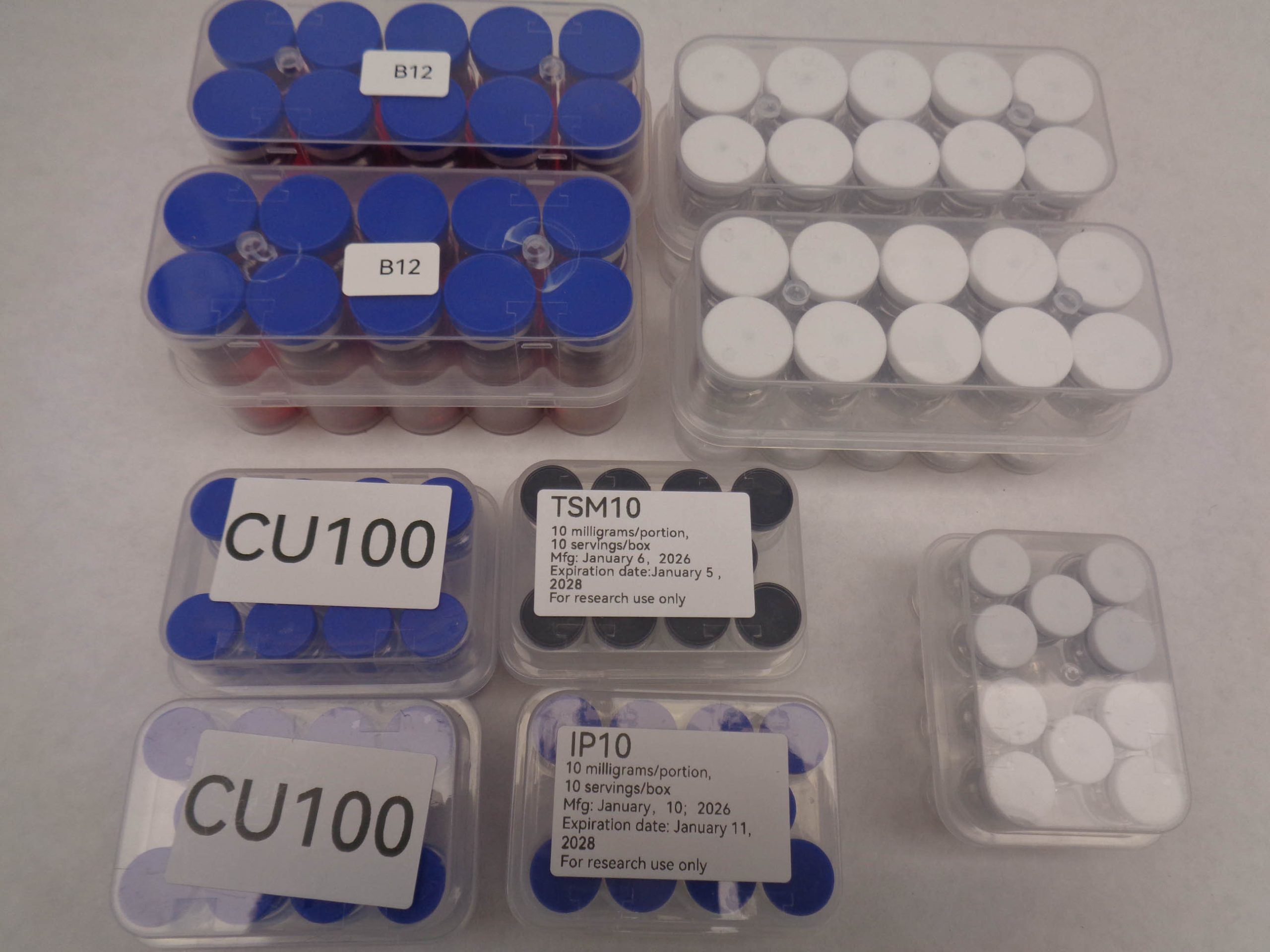
In combat sports, the ultimate enemy isn’t always the person standing across from you in the cage or on the mats, it’s the collateral wear and tear on your aging body. Mixed martial artists, jiujitsu practitioners, and boxers operate in a constant state of physical deficit, routinely battling torn labrums, frayed tendons, and chronic inflammation.
For decades, the options were simple, rest, expensive surgeries, or traditional anabolic steroids that came with heavy side effects and severe drug-testing penalties. However, a massive paradigm shift has taken over social media fitness forums, Reddit boards, and underground MMA gyms, the rise of “Chinese Peptides.” Once confined to niche bodybuilding circles and tech-industry biohackers, the direct-from-China gray market for these injectable compounds has surged into the mainstream athletic consciousness.
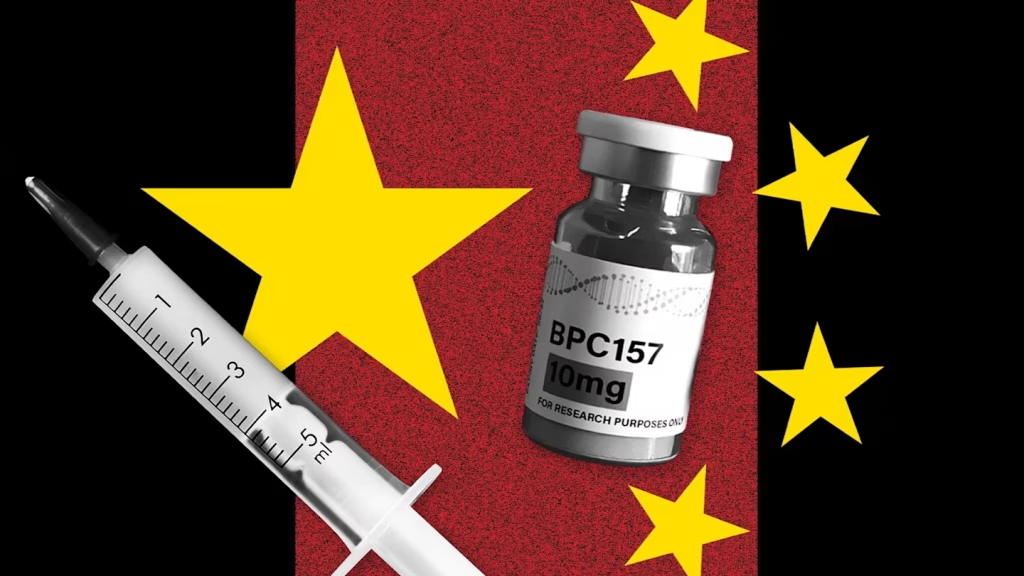
The Amino Acid Rush: Common Peptides And Their Effects
Peptides are short chains of amino acids that act as biological messengers, signaling the body to perform specific functions like releasing growth hormone or accelerating cellular repair. In combat sports, where recovery is the limiting factor to training volume, three distinct categories of peptides have taken over the conversation:
1. The Healing Duos (BPC-157 & TB-500)
These are the most talked-about compounds on combat sports forums. BPC-157 (Body Protection Compound 157) and TB-500 (a synthetic version of Thymosin Beta-4) are highly sought after for their ability to promote angiogenesis, the formation of new blood vessels and rapidly repair tendons, ligaments, and muscle tissue. For a fighter facing a six-month layoff from a torn knee ligament, the promise of cutting that recovery time in half is an incredibly alluring prospect.
2. Growth Hormone Secretagogues (GHSs)
Instead of injecting synthetic Human Growth Hormone (HGH), which is incredibly expensive, highly regulated, and easily flagged on a drug test, athletes are turning to secretagogues like CJC-1295 and Ipamorelin. These compounds signal the athlete’s own pituitary gland to pulse and release more natural growth hormone. Proponents report deeper sleep, improved body composition, and faster day-to-day recovery from grueling sparring sessions.
3. The Weight-Cut Facilitators (GLP-1 Mimetics)
The agonizing process of cutting weight is a dark reality of combat sports. Forums are increasingly full of accounts of athletes sourcing raw, lyophilized (freeze-dried) powders of GLP-1 agonists like Semaglutide or Retatrutide to completely obliterate appetite during the final, most brutal weeks of a fight camp.
The Dark Side: Why The Chinese Label Carries A Stigma
While the anecdotal reports on Reddit and Discord sound like medical miracles, the reality of the “Chinese Peptide” pipeline is highly controversial. The negative stigma surrounding these substances isn’t just anti-doping moralizing, it is rooted in genuine medical, legal, and systemic risks.
The DIY Pharmacy Supply Chain
Most athletes aren’t getting these compounds via a prescription from a local sports medicine clinic or a high-end anti-aging spa. Instead, they buy bulk, unlabelled glass vials directly from Chinese factories via brokers operating on encrypted apps and forums.
The user receives a vial of white powder, purchases bacteriostatic water and insulin syringes off Amazon, and performs the chemistry required to reconstitute and inject the drug themselves.
Contamination And Bathtub Chemistry
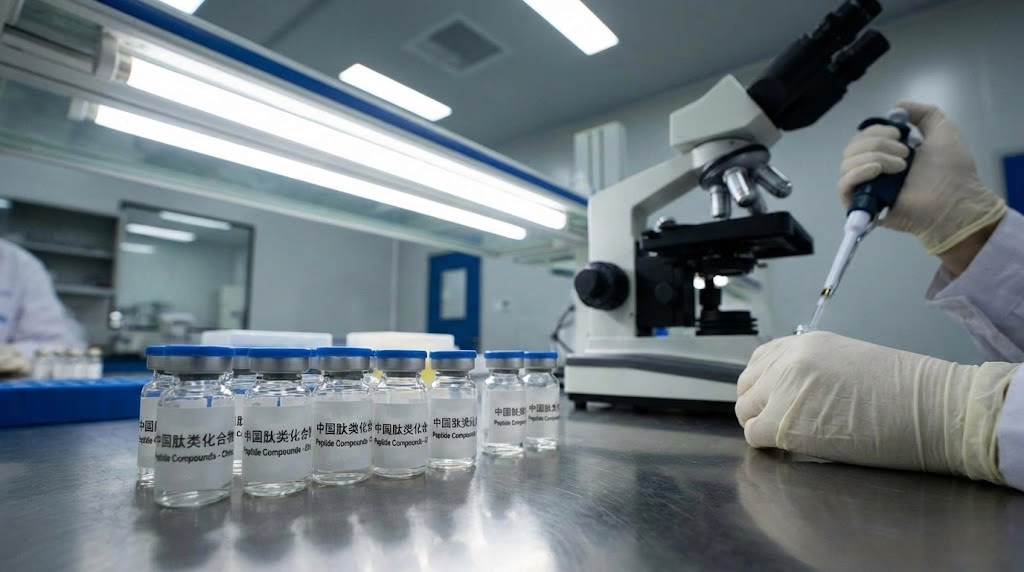
Because these compounds are manufactured and shipped under the legal loophole of “Research Chemicals” or “Not for Human Consumption,” they bypass all FDA and international pharmaceutical oversight.
Independent batch testing paid for by community forum members has occasionally revealed highly troubling results, heavy metal contamination, severe under-dosing, or entirely different chemicals inside the vial. Injecting an unverified, unsterile substance straight into subcutaneous fat or muscle tissue carries a massive risk of systemic infection, abscesses, or an adverse immune response.
The Anti-Doping Hammer
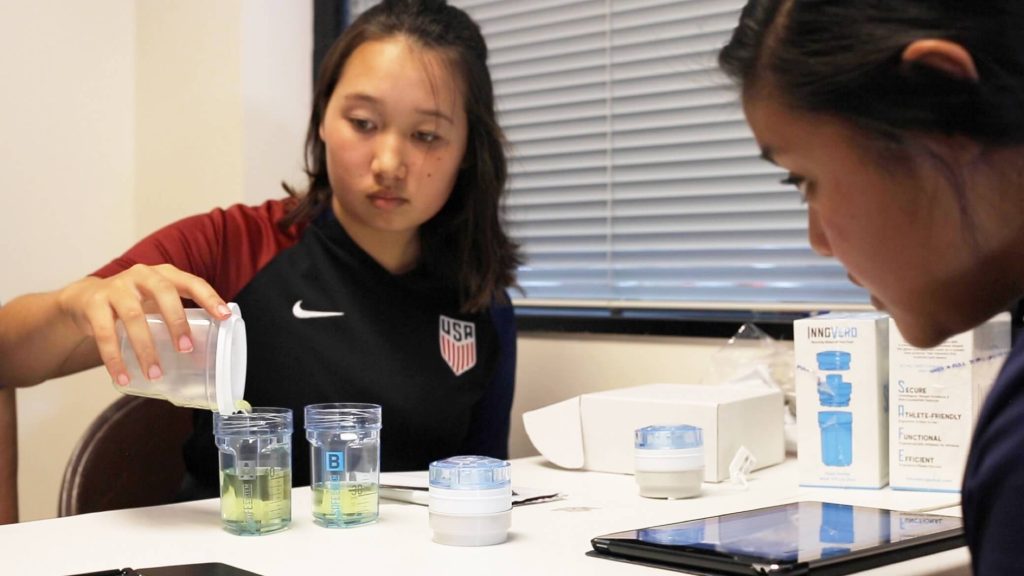
For any athlete competing under a regulated body (like USADA, the UFC Anti-Doping Program, or WADA-compliant commissions), peptides are a career-ending gamble. The World Anti-Doping Agency strictly prohibits these compounds under Section S2 (Peptide Hormones, Growth Factors, Related Substances, and Mimetics) of the Prohibited List.
Testing capabilities have caught up significantly with the peptide boom. Athletes operating under strict liability are frequently slapped with multi-year bans for testing positive for BPC-157 or growth hormone secretagogues, regardless of whether they bought them to heal a legitimate injury.
Quick Reference: The Peptide & Research Chemical Landscape
To demystify the terminology floating around fitness forums, the table below breaks down the most common gray-market peptides, their intended athletic effects, and the commercial or clinical names associated with them.
| Peptide / Research Chemical | Primary Purported Effect | Common Name-Brand / Clinical Alternative |
| BPC-157 | Accelerated tendon, ligament, and gastric lining repair; localized anti-inflammatory. | Body Protection Compound 157 (No FDA-approved brand) |
| TB-500 | Cellular migration, wound healing, and drastic reduction of joint inflammation. | Thymosin Beta-4 |
| CJC-1295 (No DAC) | Stimulates endogenous growth hormone release; aids fat loss and sleep quality. | Modified GRF (1-29) |
| Ipamorelin | Highly selective growth hormone pulse stimulator; lacks the intense hunger side-effect of older secretagogues. | NNC-26-0161 |
| Semaglutide | Delays gastric emptying, suppresses appetite; used for aggressive weight management. | Ozempic / Wegovy |
| Retatrutide | Triple-hormone agonist; induces extreme fat loss and metabolic upregulation. | (Currently in clinical trials; no official brand) |
| Melanotan II | Stimulates melanin production for skin tanning; heavily flags libido and suppresses appetite. | “The Barbie Drug” |
| MK-677 (Orally active non-peptide) | Mimics ghrelin to vastly increase HGH production; causes massive appetite spikes and water retention. | Ibutamoren |


