

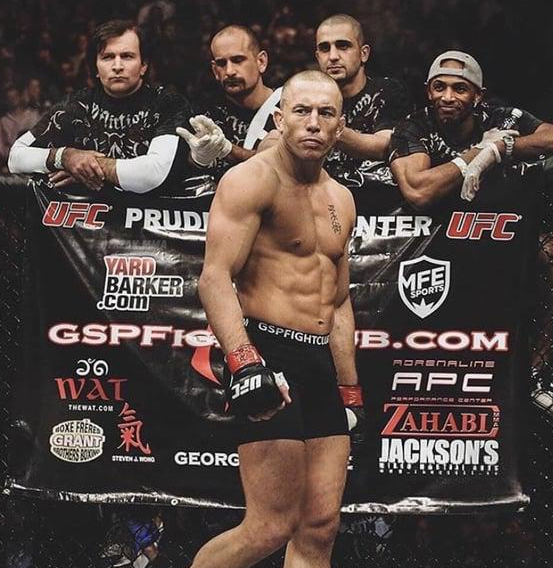
Today, May 19, the combat sports world stops to celebrate the birthday of a true living legend, Georges “Rush” St-Pierre turns 45. In a sport where the title of GOAT is thrown around with reckless abandon, GSP’s legacy remains an unshakeable, gold-standard pillar of mixed martial arts history.
Long before he was a multi-division UFC champion and a Hall of Famer, St-Pierre was a kid from Quebec who redefined what it meant to be an athlete. Today, we look back at his journey from a bullied schoolboy to the most dominant welterweight king to ever step into the octagon.
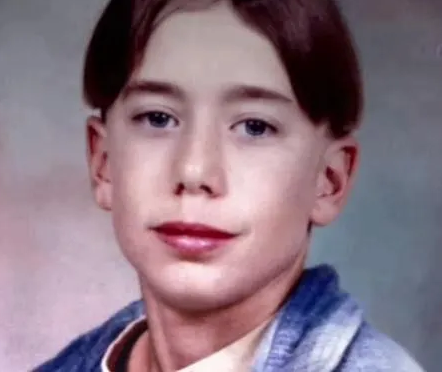
Early Life: Transforming Vulnerability Into Violence Prevention
Born in 1981 in Saint-Isidore, Quebec, Georges St-Pierre did not have the stereotypical childhood of an apex predator. He was a frequent target for schoolyard bullies who routinely stole his clothes and lunch money.
Seeking a way to defend himself, an eight-year-old Georges began learning Kyokushin karate from his father, later enrolling in formal classes. Karate didn’t just teach him how to throw a punch, it instilled an obsessive discipline and a profound respect for the traditional martial arts ethos. When his karate teacher passed away, a teenage St-Pierre expanded his horizons, transitioning into boxing, wrestling, and BJJ.
To fund his dream, he worked grueling hours as a garbage man and a nightclub bouncer while attending Cégep Édouard-Montpetit. He wasn’t born into a lineage of combat sports royalty, he built his foundation from pure, unadulterated grit.
The Evolution Of The Modern Martial Arts Technician
What separated GSP from his contemporaries was his academic approach to fighting. In the early 2000s, MMA was transitioning out of the style vs. style era, but many fighters were still distinctly strikers or grapplers. St-Pierre became the sport’s first true generalist.
The Wrestling Paradox
Perhaps the most mind-boggling aspect of GSP’s development was his wrestling. Unlike American legends who grew up in powerhouse Division I collegiate programs, Canada had no such system. Instead, St-Pierre trained relentlessly with the Canadian Olympic wrestling team. He mastered the art of the takedown not through a lifetime of scholastic mats, but through a meticulous study of mechanics, timing, and reactive penetration shots.
Under the tutelage of Firas Zahabi at Tristar Gym and strategic mastermind Greg Jackson, GSP didn’t just learn techniques, he learned how to seamlessly blend them together. His karate stance allowed him to blitz forward with explosive speed, which he brilliantly weaponized to disguise his legendary double-leg takedowns.
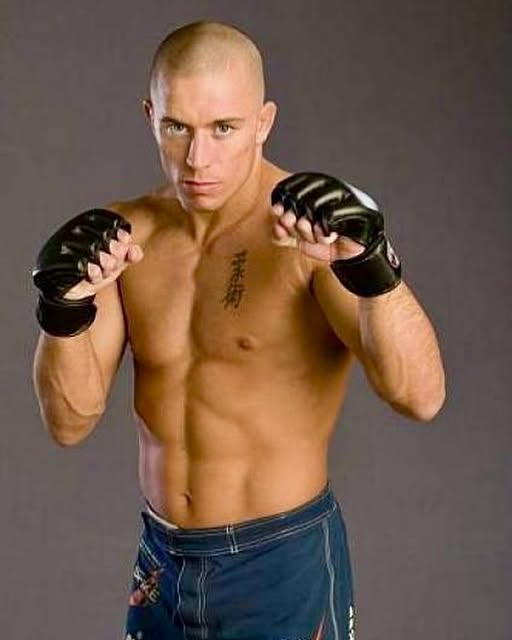
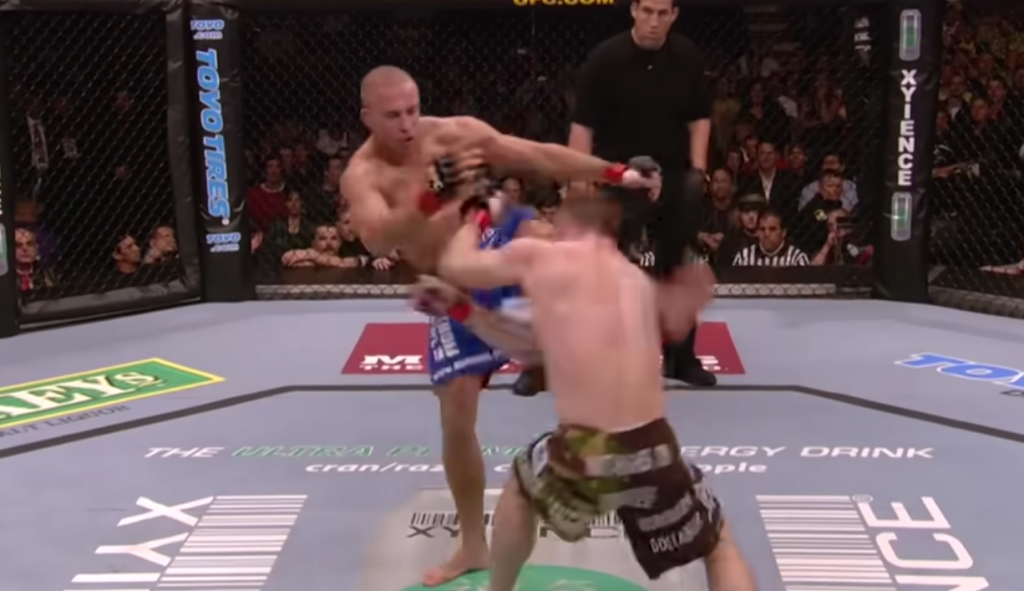
The Peak: Redefining Redemption and Total Division Cleanout
GSP’s ascent to the top of the UFC Welterweight division was meteoric, but it wasn’t without adversity.
- The Early Setup: After an emotional loss to his idol Matt Hughes in 2004, GSP roared back to capture the undisputed titles from Hughes at UFC 65 in 2006.
- The Serra Shockwave: In his very first title defense, St-Pierre suffered one of the greatest upset losses in sports history, getting knocked out by Matt Serra at UFC 69.
- The Perfect Reign: The Serra loss became the catalyst for GSP’s ultimate evolution. He avenged the loss by stopping Serra in Montreal, embarking on a historic nine-fight consecutive title defense streak.
During this peak era (2008–2013), GSP systematically dismantled a murderer’s row of challengers: B.J. Penn, Jon Fitch, Thiago Alves, Jake Shields, Carlos Condit, and Nick Diaz. He didn’t just beat them, he beat them at their own games.
“I don’t fight to prove I’m the toughest guy in the world. I fight because it’s a chess match. It’s a science.” — Georges St-Pierre
Then, after vacating the title and taking a four-year hiatus, GSP returned in 2017 at UFC 217. Moving up to the Middleweight division, he choked out Michael Bisping to capture his second divisional title, cementing his status in the ultra-exclusive multi-division champion club.
The Anatomy Of Dominance: Just Why GSP Was Untouchable?
When you look back at his astonishing 26-2 record, the question arises, How did he stay on top for so long in the UFC’s most shark-infested division?
1. The Weaponization Of Fight IQ
GSP was a chameleon. If he fought a world-class striker like Thiago Alves, he turned into an elite wrestler. If he fought a dangerous submission artist like Jake Shields, he kept the fight standing and busted them up with a razor-sharp jab. He took away his opponents’ best weapons and forced them into deep, uncomfortable waters.
2. Professionalism Personified
GSP brought a corporate-level professionalism to a sport that was still shedding its bar-brawl image. He wore tailored suits to press conferences, spoke with genuine humility, and treated his career like a high-stakes business. By treating himself like an elite global athlete, he forced the rest of the sport to grow up with him.
3. Athletic Evolution And Gymnastics
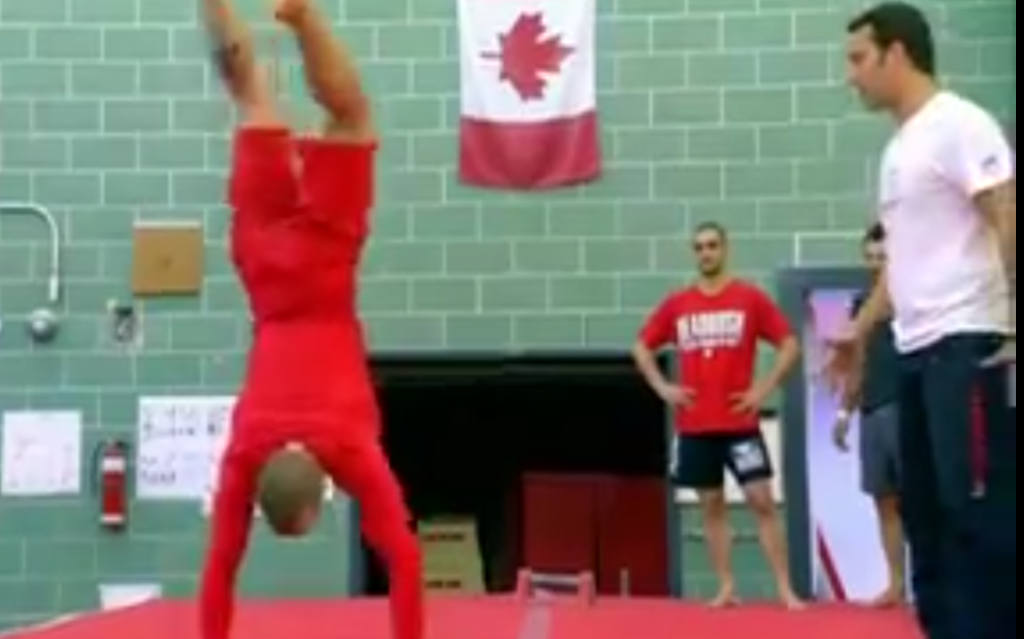
Long before recovery tech and modern strength programs became mainstream, St-Pierre was implementing gymnastics, Olympic lifting, and track work into his camps. His explosiveness, cardiovascular capacity, and spatial awareness were lightyears ahead of his peers.
Happy Birthday To The King Of Montreal
Georges St-Pierre didn’t just win championships, he left the sport entirely on his own terms, with his health, his dignity, and his legendary status completely intact. He showed the world that a fighter could be fiercely dominant while remaining a gentleman.
Happy 45th birthday, GSP. The Octagon may see other champions, but it will never see another Rush.


