

For most combat sports athletes, the word fasting triggers immediate, unpleasant flashbacks of grueling weight cuts, spitting into plastic cups, and staring longingly at water bottles. We typically view food restriction as a necessary evil to hit a division limit.
However, a groundbreaking scientific discovery suggests that fasting, when done strategically outside of a brutal weight-cut window, might actually be one of the most potent, untapped performance-enhancers and recovery tools in a martial artist’s arsenal.
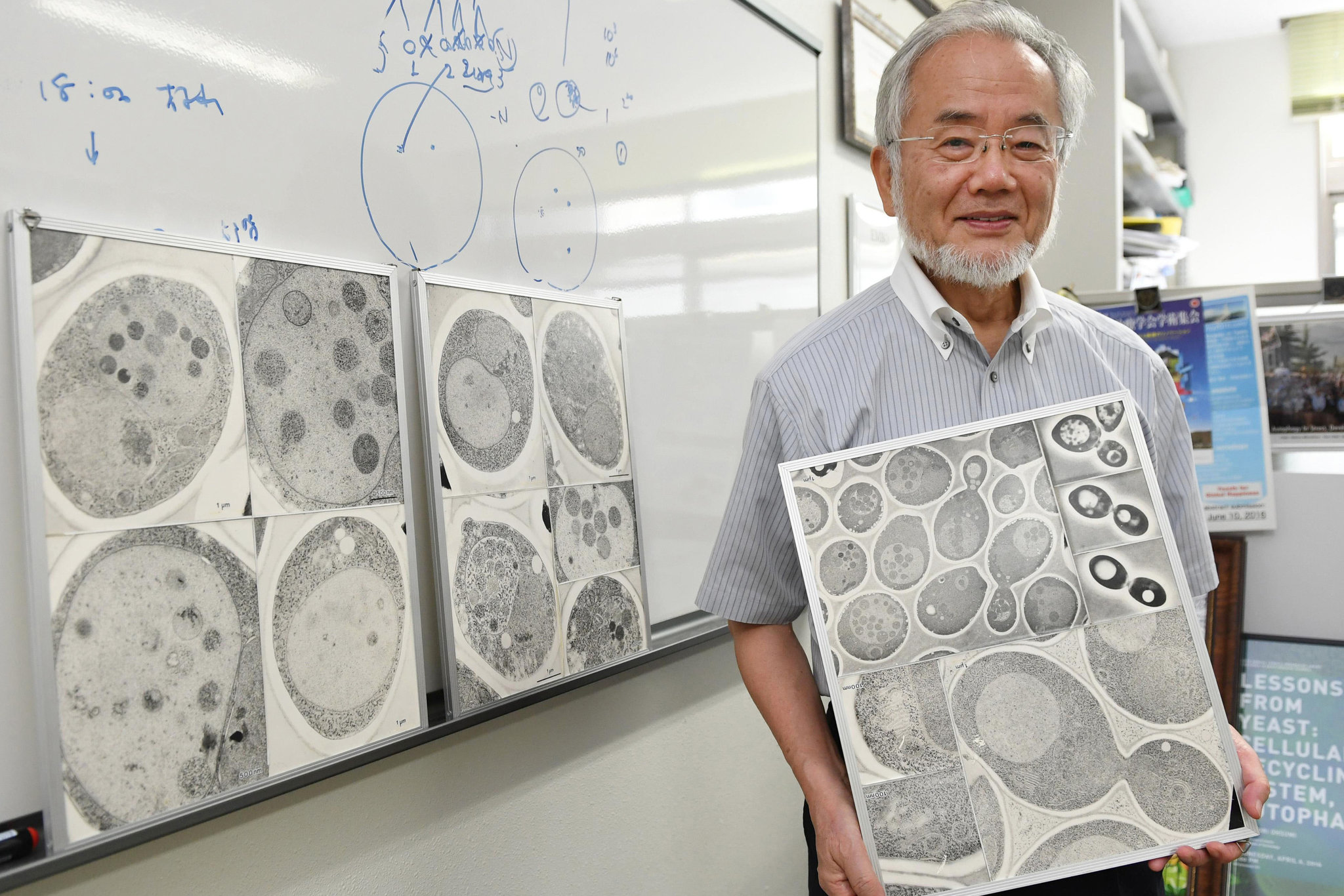
In 2016, Japanese cell biologist Yoshinori Ohsumi was awarded the Nobel Prize in Physiology And Medicine for his revolutionary work decoding the mechanisms of autophagy. Derived from Greek, autophagy literally translates to self-eating. While it sounds negative, it is actually the body’s internal recycling program and understanding how it works can completely change how you approach recovery, brain health, and longevity on the mats.
Autophagy And Cellular Waste Disposal
Every time you step onto the mat for hard sparring, a grueling wrestling practice, or a high-intensity rounds session, your body undergoes massive mechanical and metabolic stress. Your cells get dinged up, proteins degrade, and cellular waste accumulates.
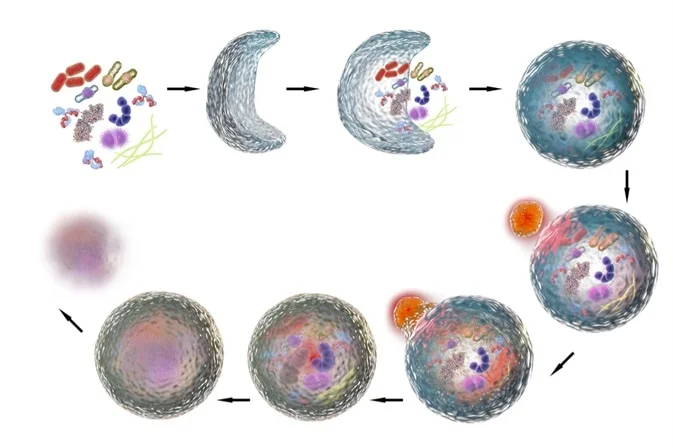
Ohsumi’s research map revealed exactly how our cells handle this internal garbage. When the body is subjected to metabolic stressors, most notably starvation, fasting, and intense exercise, it activates autophagy.
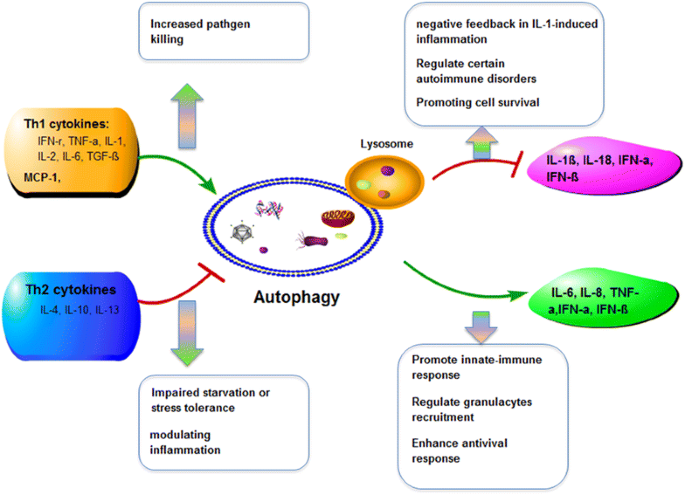
Instead of letting damaged cellular parts, obsolete proteins, and invading pathogens float around and cause chronic inflammation, the cell creates a specialized vesicle called an autophagosome. This structure engulfs the cellular detritus and carries it to the lysosome (the cell’s incinerator), where it is broken down into basic amino acids and recycled into fresh, functional energy and building blocks.
In Plain English: Autophagy is your body’s internal deep-cleaning service. When you stop eating for a designated period, your body stops focusing on digesting external food and starts aggressively cleaning out its own broken, inflamed, and inefficient parts.
Why This Matters For Grapplers And Martial Artists
While Ohsumi’s work has massive implications for fighting diseases like Parkinson’s and Type 2 diabetes, its practical application for the combat sports community is also quite profound.
1. Accelerated Recovery From Micro-Trauma
BJJ players, judokas, and other martial artists live in a constant state of low-grade trauma. Hyper-extended elbows, bruised ribs, torn cartilage, and deep muscle soreness are just a regular Tuesday. Chronic inflammation from accumulated cellular debris hinders quick tissue repair.
By triggering autophagy via planned intermittent fasting windows, martial artists can speed up the clearance of damaged proteins in muscle tissue and joints. This flushes the system of cellular waste, allowing your body to lay down fresh, healthy tissue much faster.
2. Neuroprotection And Brain Health
This is arguably the most critical takeaway for anyone taking impacts to the head or getting caught in deep, tight chokes.
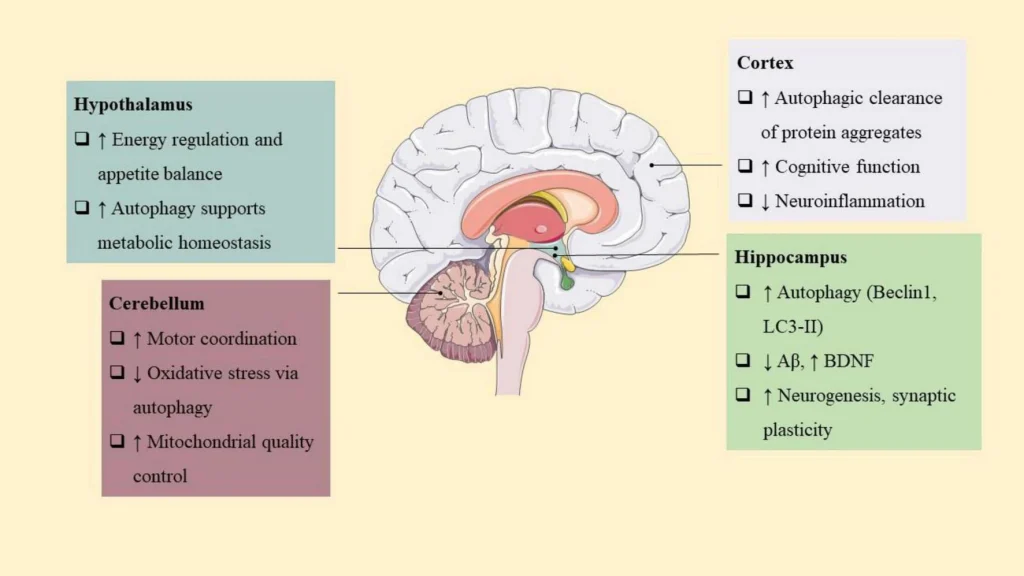
Subsequent studies building on Ohsumi’s work have shown that short-term fasting induces a dramatic upregulation of autophagy inside cortical and Purkinje neurons in the brain. The brain is normally highly insulated from metabolic shifts, but fasting forces it to clean house.
- The Combat Connection: Repetitive head impacts (from striking or hard takedowns) can cause the accumulation of toxic protein aggregates in the brain, a precursor to neurodegenerative issues and CTE.
- The Fasting Defense: Activating neuronal autophagy helps clear out these damaged proteins, offering a layer of metabolic neuroprotection that you cannot get from a standard supplement stack.
3. Energy Efficiency And Metabolic Flexibility
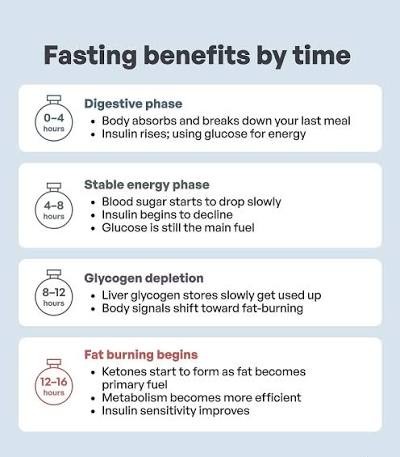
Fighters who rely strictly on constant carbohydrate fueling often redline and gas out when their glycogen stores deplete. Ohsumi’s research demonstrated that cells utilize autophagy to maintain survival and energy production during periods of nutrient deprivation.
By training your body to operate in a fasted state occasionally, you develop metabolic flexibility, the ability to seamlessly shift from burning carbohydrates to utilizing fats and recycled cellular components for fuel. You become much harder to break in the deep waters of a 5-round fight or a marathon open-mat session.
| Factor | Therapeutic/Intermittent Fasting | Traditional Weight Cutting |
| Primary Goal | Cellular cleanup, inflammation reduction, fat loss. | Rapid loss of water weight to hit a specific number. |
| Hydration Status | Highly Hydrated (Water, electrolytes, black coffee/tea allowed). | Severely dehydrated (sauna, sweat suits, restricted fluids). |
| Impact On Body | Lowers systemic stress; promotes long-term cellular health. | Spikes cortisol; severely drains acute athletic performance. |
Using a standard 16:8 protocol (fasting for 16 hours, eating during an 8-hour window) during your standard training camp, well before the fight-week water drop, allows you to reap the benefits of Ohsumi’s autophagy findings without hindering your athletic performance.
The Verdict
Yoshinori Ohsumi didn’t look at a single MMA fight when he won his Nobel Prize in 2016, but his blueprint for cellular recycling is a gift to the combat sports world.
If you are constantly battling chronic joint inflammation, feeling sluggish, or looking for ways to protect your brain from the unavoidable toll of the fight game, don’t just view fasting as a tool to make a weight class. When used intelligently, letting your body eat itself might just be the ultimate way to rebuild yourself into a cleaner, more efficient machine on the mats.


