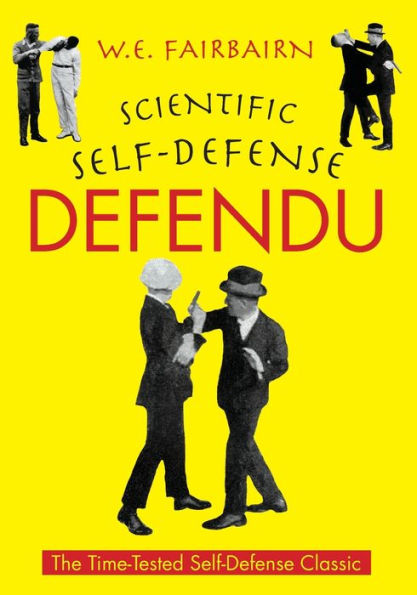
W.E. Fairbairn: An Overview
Born in 1885 in England, W.E. Fairbairn’s journey into the world of combat began when he joined the Royal Marines. He later moved to Shanghai, China, where he served with the Shanghai Municipal Police (SMP) from 1907 to 1940. This period was crucial in shaping his philosophy. The streets of Shanghai were a crucible of violence, and Fairbairn needed to develop practical methods to handle armed and unarmed assailants. He studied various martial arts, including Judo, Jujutsu, and Chinese boxing, blending these with his own experiences to create a unique system.
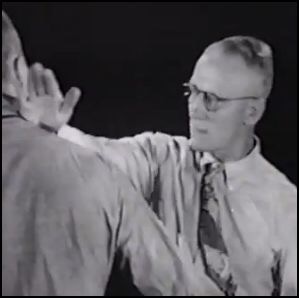
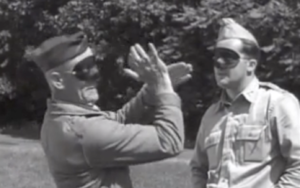
He became the head of the SMP’s riot squad and was instrumental in developing their training program. During his time there, he and his colleague, Eric A. Sykes, created and refined their close-quarters combat system, which would later become known as Defendu. This system was notable for its emphasis on a few key principles:
- Speed And Surprise: The goal was to incapacitate an opponent quickly.
- Brutality And Simplicity: Techniques were designed to be easy to learn and apply under stress.
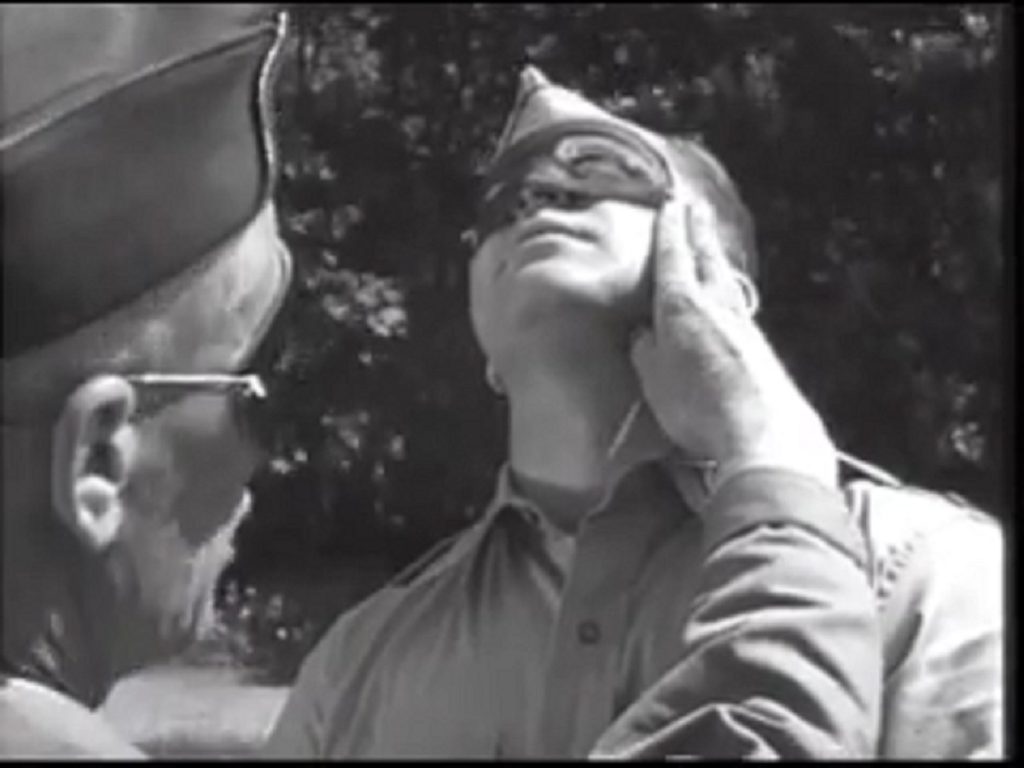
- Targeting Vulnerable Points: The throat, eyes, and groin were primary targets.
Fairbairn and Sykes also developed a specialized fighting knife, the Fairbairn-Sykes Fighting Knife , which became an iconic piece of military equipment.
Relationship With The OSS And CIA
Fairbairn’s reputation for creating effective, brutal combat methods caught the attention of British intelligence during World War II. He was recruited by the Special Operations Executive (SOE), the British organization tasked with conducting espionage, sabotage, and reconnaissance in occupied Europe. Fairbairn became a chief instructor, training commandos and secret agents in his close-quarters combat methods. His training was so effective that it earned him a position training agents for the newly formed American intelligence organization, the Office of Strategic Services (OSS).
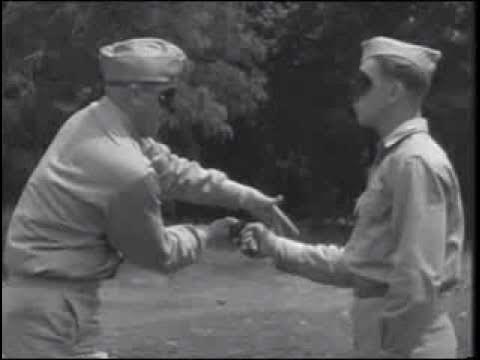
Fairbairn’s influence on the OSS was profound. He taught agents his methods for silent killing, disarming opponents, and escaping from holds. His famous manual, Get Tough! (1942), became a staple for Allied special forces and was widely distributed. After the war, his work continued to influence American intelligence. The OSS eventually evolved into the Central Intelligence Agency (CIA), and Fairbairn’s principles of close-quarters combat and his focus on pragmatism remained a foundational element of their training programs.
Impact On Self-Defense And Martial Arts
Fairbairn’s legacy is most visible in how his ideas have permeated modern self-defense and martial arts. He was one of the first to distill the essence of combat into a few simple, devastating principles. Unlike many traditional martial arts that require years of practice to master complex forms, Fairbairn’s system was designed for rapid learning and deployment by soldiers and agents who had little time for elaborate training.
Influence On Modern Systems: Many contemporary self-defense systems, such as Krav Maga, have roots in the principles Fairbairn championed, speed, aggression, and targeting vulnerable areas. The idea that self-defense techniques must be simple and effective under extreme stress is a direct echo of his work
The Emphasis On Practicality: Fairbairn’s work helped shift the focus of self-defense away from sport and tradition and toward real-world application. His teachings highlight that a fight is not a fair contest but a brutal struggle for survival where anything goes.
Close-Quarters Combat (CQC): Fairbairn is considered a grandfather of modern CQC. His techniques and training philosophy are foundational to military and law enforcement training around the globe.
In short, W.E. Fairbairn was a man who saw combat for what it was—a matter of life and death—and developed a system to ensure survival. His brutal efficiency and pragmatic approach continue to influence how we teach and practice self-defense today.