

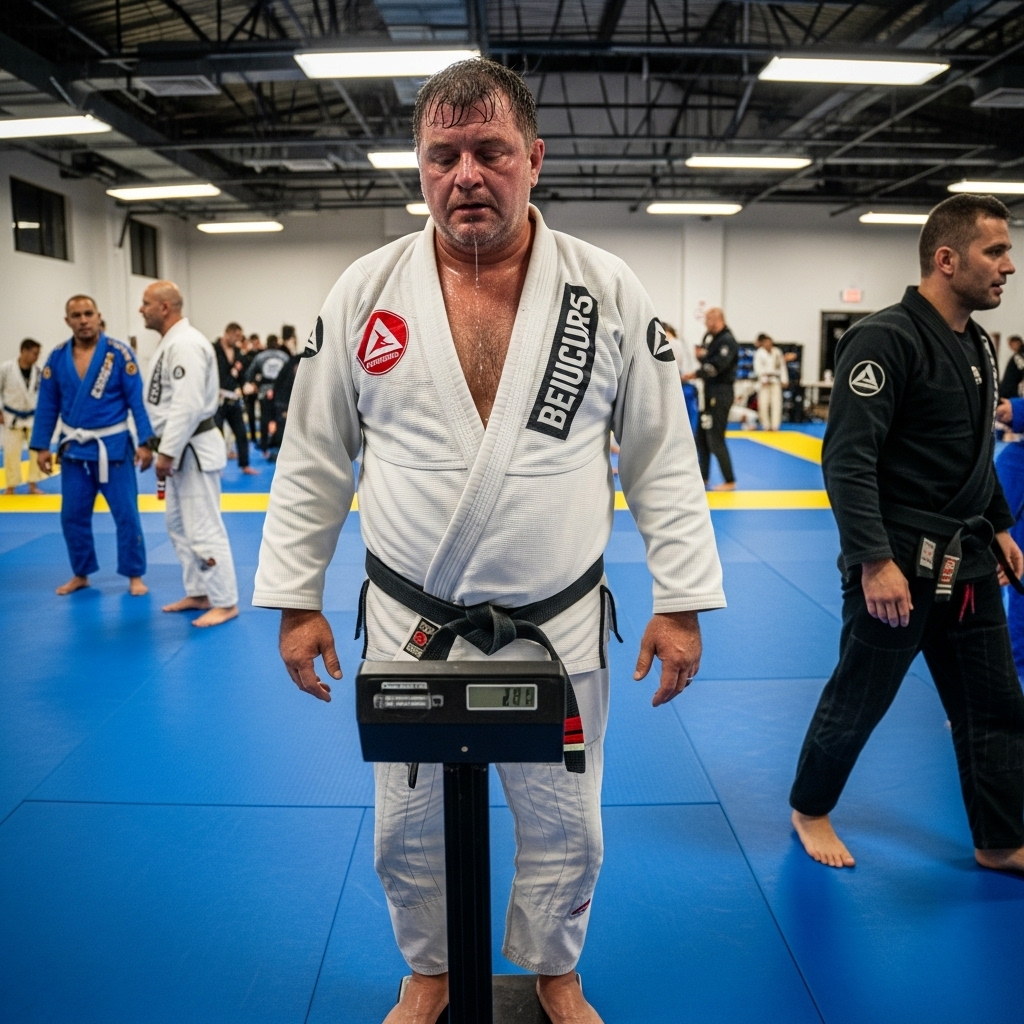
For many competitive jiu-jitsu practitioners, the weigh-in is as much a part of the fight as the techniques themselves. Strategic weight cutting, when done correctly, can give you an advantage by allowing you to compete against smaller opponents. However, improper weight cutting can severely compromise your performance, health, and even lead to injury. This article will outline healthy and effective strategies for making weight for your next BJJ tournament.
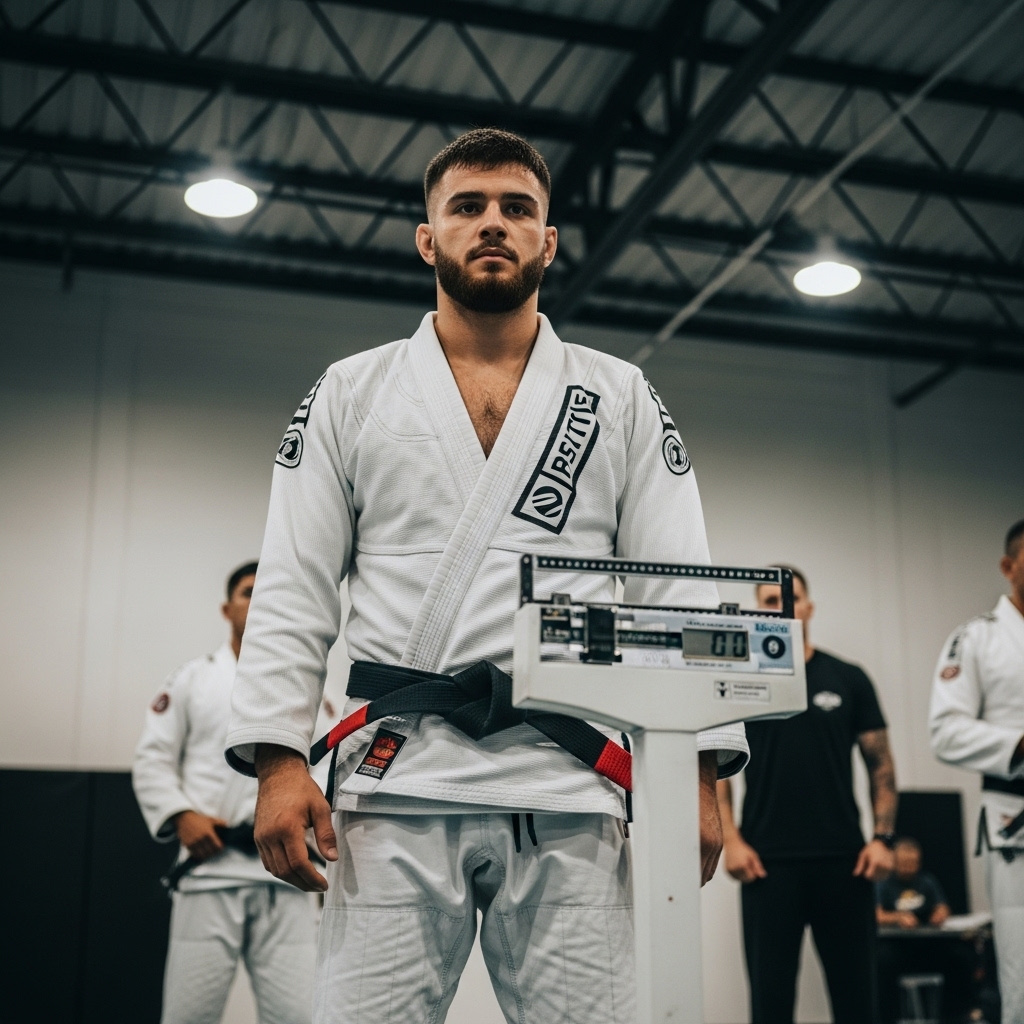
The Philosophy: Gradual Loss, Strategic Depletion, Smart Rehydration
The safest and most effective weight cuts prioritize gradual weight loss over several weeks, followed by a calculated manipulation of water and gut content in the final days. The goal is to maximize rehydration and replenishment post-weigh-in, ensuring you step onto the mat feeling as strong and energized as possible.
Phase 1: Long-Term Weight Management (Weeks to Months Out)
This is where the real work happens. Ideally, you should maintain a “walk-around weight” that is no more than 5-10% above your target competition weight. This makes the final cut much less drastic.
Consistent Caloric Deficit: Aim for a gradual and sustainable weight loss of 1-2 pounds per week. This can be achieved by a slight caloric deficit through a combination of diet and increased physical activity.
Nutrient-Dense Diet: Focus on whole, unprocessed foods. Prioritize lean proteins (chicken, fish, eggs, lean red meat) for muscle preservation and repair. Include plenty of fruits, vegetables, and complex carbohydrates for sustained energy and fiber.
Hydration is Key: Even during weight loss, maintaining proper hydration is crucial for overall health and performance. Drink plenty of water throughout the day. Monitor urine color – aim for pale yellow.
Maintain Training Volume and Intensity: Continue your regular jiu-jitsu training, incorporating both technical drilling and sparring. Consider adding focused cardio to increase calorie expenditure.
Track Your Progress: Regularly weigh yourself (first thing in the morning, after using the restroom) to understand your natural weight fluctuations and track your progress towards your goal.
Phase 2: The Final Week – Strategic Manipulations
This is the “acute” phase, where you manipulate water, glycogen, and gut content to drop those last few pounds.
Water Loading (3-5 Days Out): Begin significantly increasing your water intake. For example, drink 1-2 gallons per day. This signals to your body that it needs to excrete more water.
Gradual Sodium and Carbohydrate Reduction (3-5 Days Out): Begin to reduce your sodium intake. This helps your body shed excess water. Simultaneously, start to gradually reduce your carbohydrate intake. Each gram of stored carbohydrate (glycogen) holds approximately 3 grams of water, so reducing carbs helps deplete glycogen stores and the associated water.
Drastic Water Reduction (24-12 Hours Out): This is the most crucial step. Approximately 24 hours before weigh-ins, drastically reduce or stop water intake. Your body, accustomed to excreting large amounts of water from the water loading phase, will continue to do so even with reduced intake, leading to rapid water loss.
Low-Residue Diet (2-3 Days Out): Focus on easily digestible, low-fiber foods to reduce gut content. This can contribute to a loss of 0.5-1% of body weight. Examples include white rice, lean meats, and peeled fruits. Avoid high-fiber vegetables, nuts, and seeds.
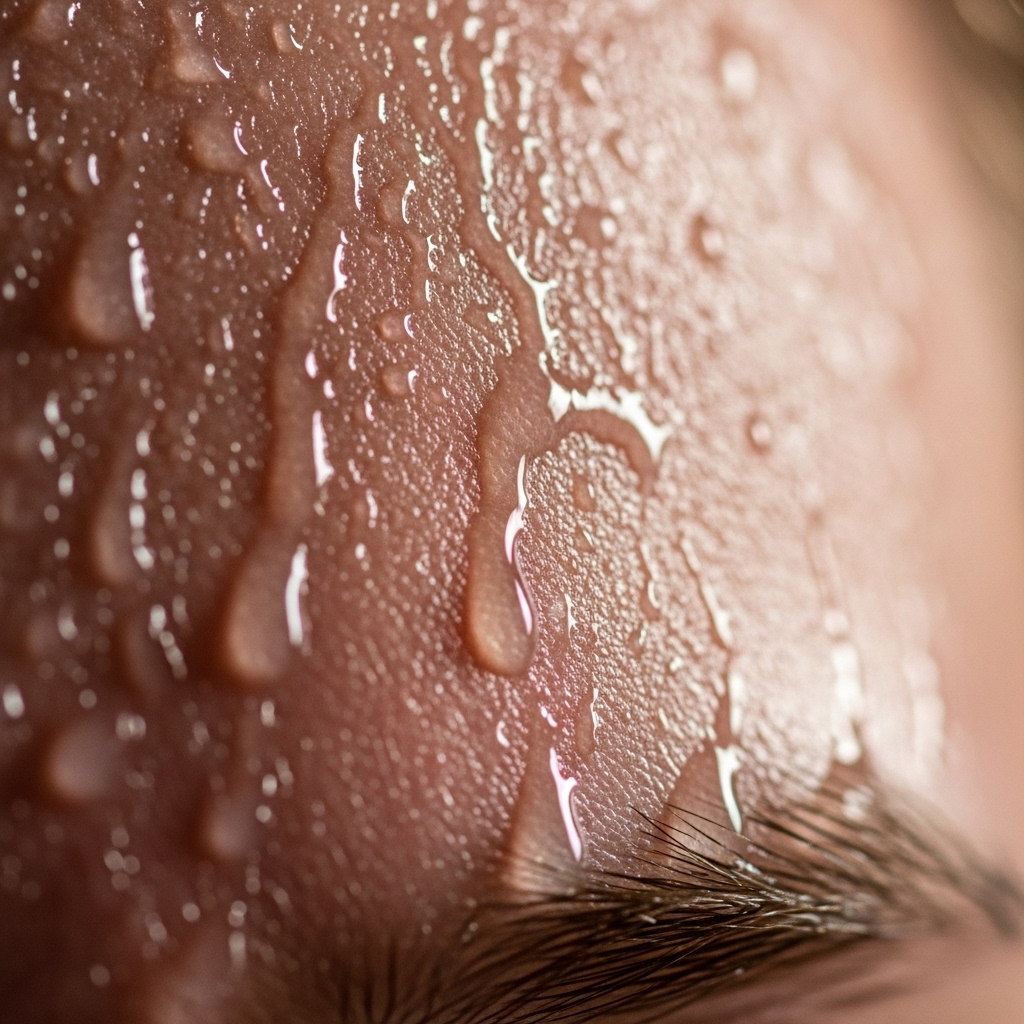
Sauna/Hot Bath (If Necessary, Closely Monitored): In the final hours, if you’re still slightly over, controlled use of a sauna or hot bath can help shed additional water through sweating. This should be done with extreme caution and only for minimal weight loss (a few pounds at most). Overdoing it can lead to severe dehydration and performance impairment. Have someone monitor you and stop immediately if you feel dizzy or unwell.
Phase 3: Rehydration and Refueling (Post-Weigh-In)
This is arguably the most critical phase for performance. The goal is to rapidly replenish fluids, electrolytes, and glycogen stores.
Immediate Rehydration: Start with small, frequent sips of water with electrolytes (e.g., sports drinks like Pedialyte or Gatorade, or electrolyte tablets in water). Don’t chug large amounts, as this can cause stomach upset.
Carbohydrate Replenishment: Begin consuming easily digestible, high-glycemic carbohydrates to rapidly refill muscle glycogen stores. Examples include white rice, bananas, fruit juices, and honey.
Balanced Meals: After the initial rehydration and carb loading, move to balanced meals with lean protein and some healthy fats.
Listen to Your Body: Don’t force food or water if you feel nauseous. Take it slow and steady.
Prioritize Sleep: Get a good night’s rest to aid recovery and prepare for competition.
Dangers to Avoid
Extreme Dehydration: Can lead to muscle cramps, dizziness, headaches, reduced strength, decreased endurance, and even kidney failure.
Excessive Sauna Use: Can cause overheating, electrolyte imbalance, and exhaustion.
Diuretics or Laxatives: Dangerous and can lead to severe dehydration and health complications.
“Crash” Diets: Rapid, severe calorie restriction can lead to muscle loss, nutrient deficiencies, and impaired performance.
Ignoring Your Body: If you feel unwell at any point during a weight cut, stop immediately and rehydrate. Your health is paramount.

Practice Makes Perfect
If you plan to cut weight for a major competition, consider doing a “practice cut” during a training week. This will give you a realistic idea of how your body responds to the various strategies and allows you to fine-tune your approach without the pressure of a real tournament.
Cutting weight in jiu-jitsu can be a strategic advantage, but it’s a process that demands discipline, planning, and a deep understanding of your body. By adopting a healthy, scientific approach, you can hit your target weight safely and step onto the mats ready to perform at your best.
Have you ever struggled to make weight before a competition? What are some of your go-to tricks for making weight? Let us know in the comments below! And, as always, thank you for grappling!


