

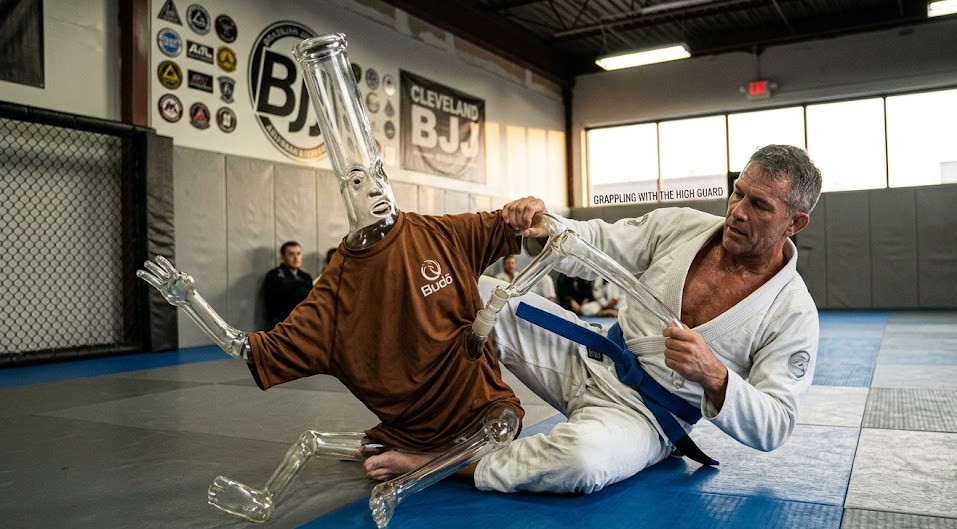
For decades, the intersection of Brazilian Jiujitsu and cannabis was a hushed subculture, relegated to the back of the gym or whispered about in post-training parking lot sessions. Today, the stigma is tapping out. From high-level black belts to the hobbyist blue belt nursing a perennial neck crank, more grapplers are turning to the plant not just for recreation, but as a strategic tool for physiological longevity.
But beyond the culture, what does the science say about how cannabinoids interact with the grueling demands of the mats?
Managing The Jiujitsu Tax: Inflammation and Pain
Every grappler pays the tax, the systemic inflammation that comes from being crushed, twisted, and hyper-extended.
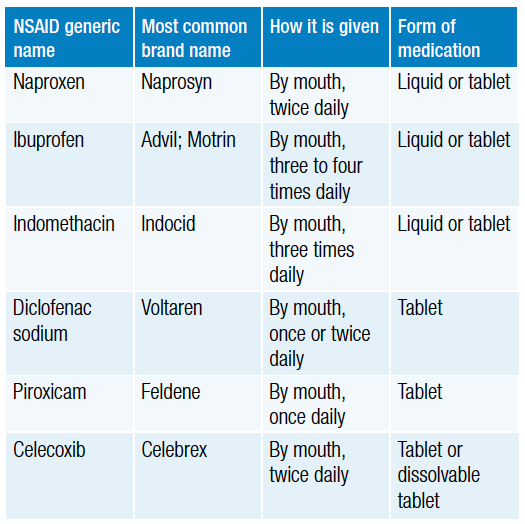
The NSAID Alternative: Many grapplers over-rely on Ibuprofen, which can wreak havoc on the gut lining and kidneys over time. Cannabis offers a plant-based alternative for managing chronic joint pain and delayed onset muscle soreness (DOMS) without the same gastric toxicity.
The ECS Connection: Our bodies possess an Endocannabinoid System (ECS), which plays a crucial role in maintaining homeostasis. Cannabinoids like CBD and THC bind to receptors (CB1 and CB2) that help modulate the inflammatory response.
The Sleep-Recovery Cycle
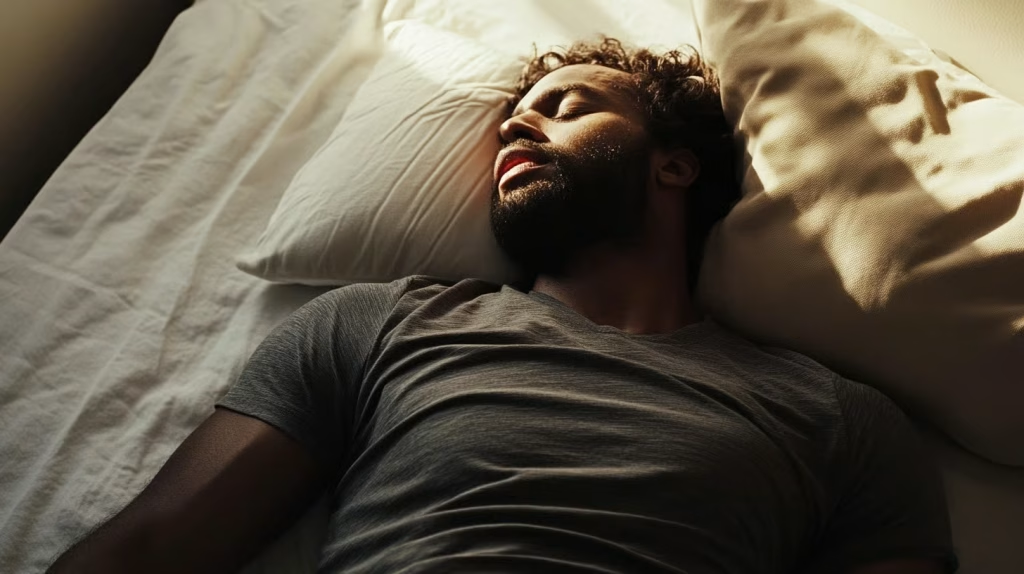
In BJJ, you don’t recover while you’re rolling, you recover while you’re sleeping. This is when the body repairs tissue and regulates hormones like testosterone and growth hormone.
A Note on REM: While THC helps with sleep onset, it’s worth noting that heavy use can suppress REM sleep. For the optimal recovery protocol, many athletes find that CBD-dominant products provide the relaxation without disrupting the deep sleep cycles necessary for cognitive retention of those new lapel guards.
CNS Down-Regulation: A hard evening sessions can leave the central nervous system (CNS) redlined, making it impossible to sleep. Cannabis, specifically strains high in myrcene or linalool, can help shift the body from a sympathetic (fight-or-flight) state into a parasympathetic (rest-and-digest) state.
Neuroprotection And The Combat Athlete
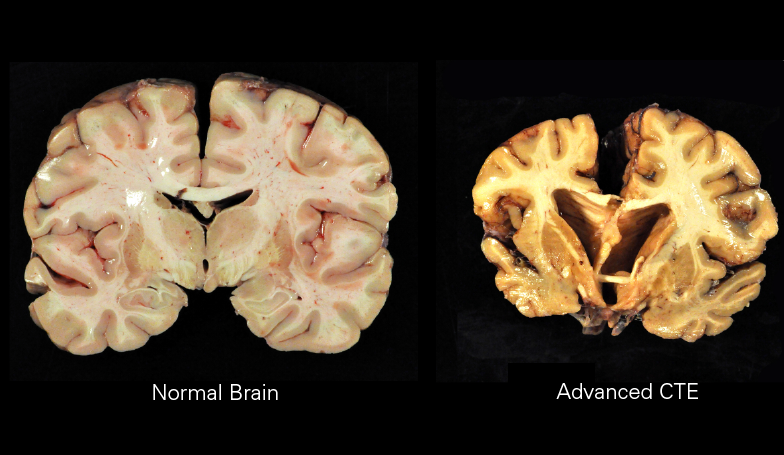
While BJJ is the gentle art, the occasional accidental knee to the head or a hard takedown is an occupational hazard.
Recent studies have begun exploring the neuroprotective qualities of cannabinoids. Some research suggests that having cannabinoids present in the system may help mitigate the biochemical cascade of damage that occurs following a mild traumatic brain injury (mTBI). While the science is still evolving, the potential for cannabis to act as a buffer for brain health is a major talking point in the combat sports community.
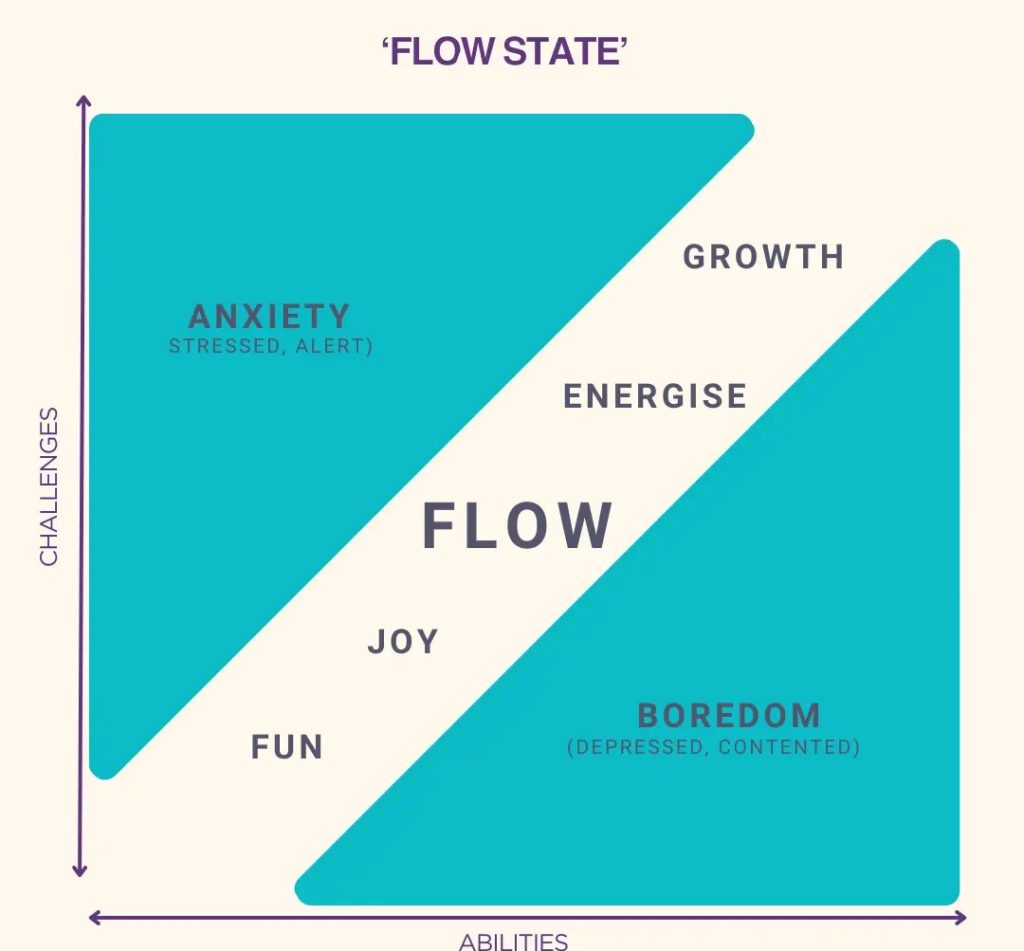
The Flow State And Anxiety
The mental game of BJJ is as taxing as the physical. Pre-competition anxiety or even the “Sunday Scaries” before a hard Monday night session can hinder performance.
Focus vs. Fog: This is a fine line. Too much can lead to white belt brain, where you forget the third step of a sequence. The key is micro-dosing or utilizing specific terpenes that promote alertness, such as limonene.
Anxiolytic Effects: Low doses of THC or moderate doses of CBD can reduce cortisol levels, allowing a grappler to enter a Flow State more easily. This isn’t about being stoned, it’s about silencing the internal critic and reacting instinctively to your opponent’s weight distribution.
| Factor | Recommendation |
| Delivery Method | Avoid smoking to protect lung capacity; opt for oils, edibles, or topicals. |
| Timing | Use post-training for recovery; if using pre-training, ensure it doesn’t impair your ability to be a safe training partner. |
| Legality | Always be aware of local laws and the anti-doping regulations (WADA/USADA) if you compete at a high level. |
The Bottom Line
Cannabis isn’t a shortcut to a black belt, but for the athlete looking to mitigate pain, improve sleep, and protect the nervous system, it’s a formidable ally. As with any supplement, the goal is to enhance the training experience, not distract from it.
Listen to your body, do your research, and keep rolling.


