

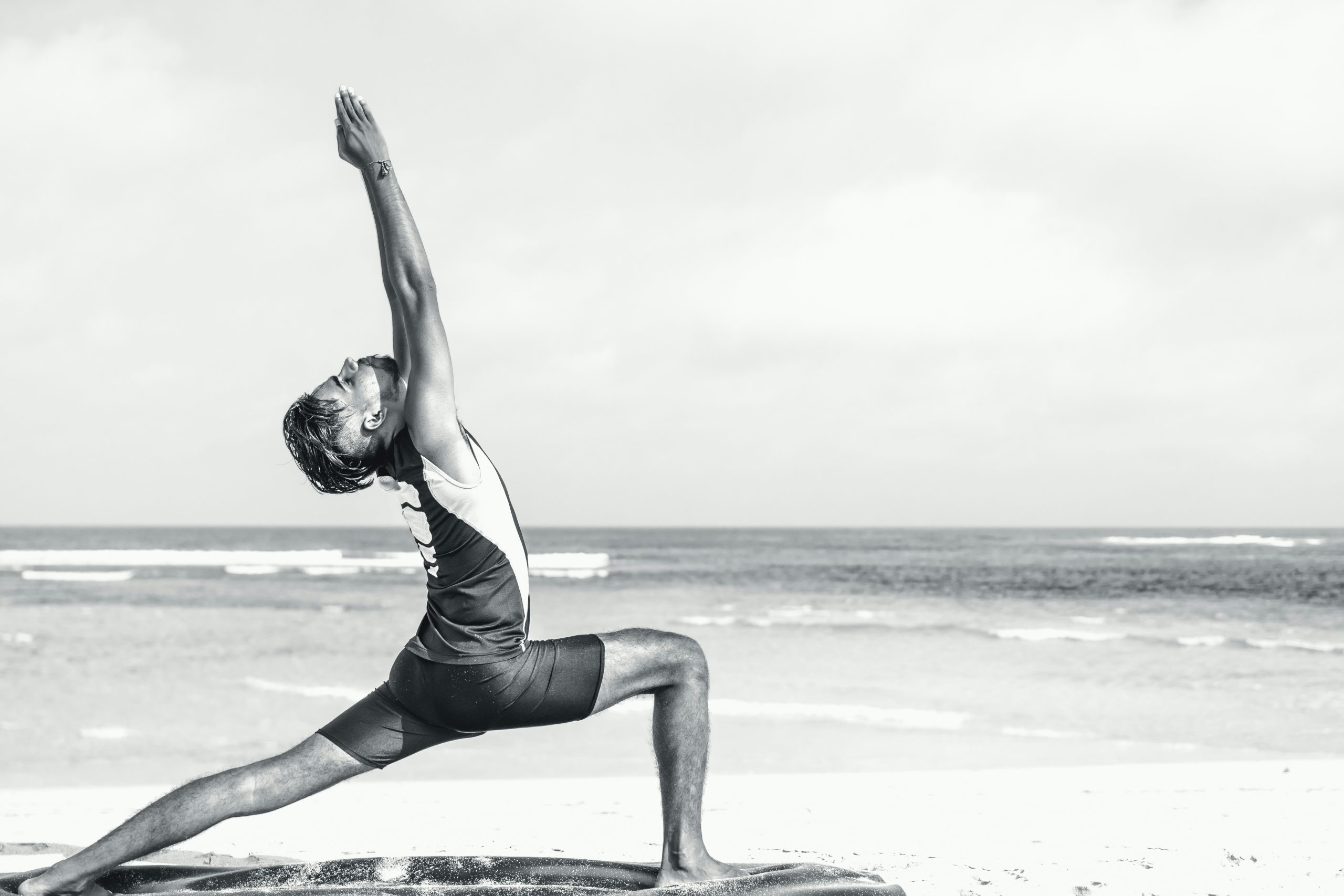
Father Time may have a spotless record on the books, but stiff hips don’t have to be the reason your high kicks turn into body taps or your guard loses its threat. For practitioners past their prime, maintaining hip mobility requires moving away from static, passive stretching and adopting dynamic, active range-of-motion protocols. We’ve compiled a list of our own favorite activities for opening up those hips.
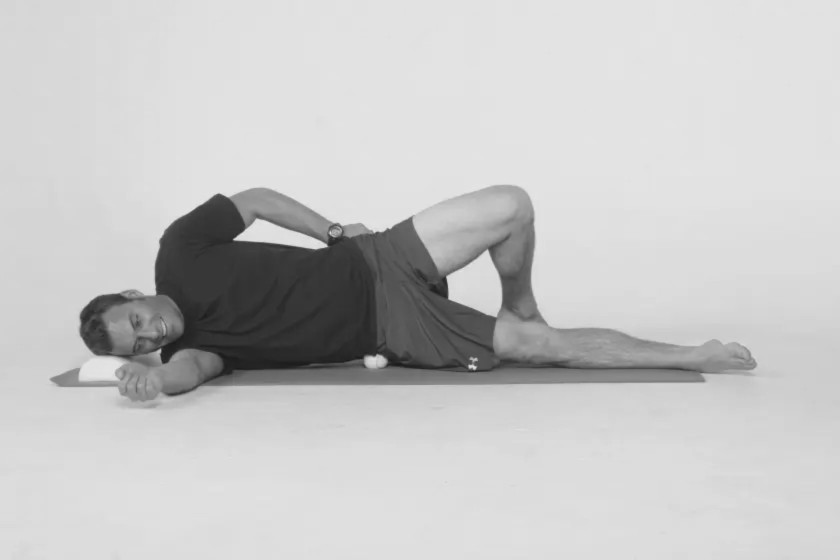
6. Swap High-Kick Spamming For Tissue Quality Work
Endlessly forcing high kicks when your joint capsule is inflamed causes bone-on-bone impingement. Replace pre-class kick spamming with targeted soft-tissue work using a lacrosse ball on the gluteus medius and TFL (tensor fasciae latae) to release stubborn fascial restriction.
5. Re-Engage The Posterior Chain
Tight hip flexors are often a defense mechanism against dormant glutes. Incorporate single-leg hip thrusts and Romanian deadlifts into your strength routine. Strong glutes pull the pelvis back into proper neutral alignment, relieving anterior hip tension and restoring power production in your strikes.
4. Utilize PNF (Contract-Relax) Stretching For Hip Flexors
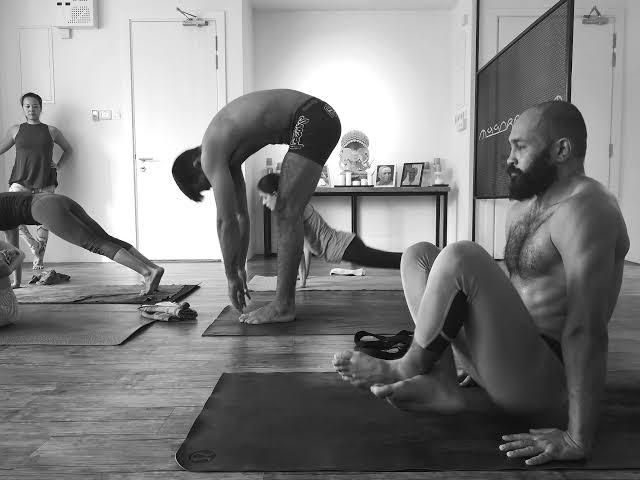
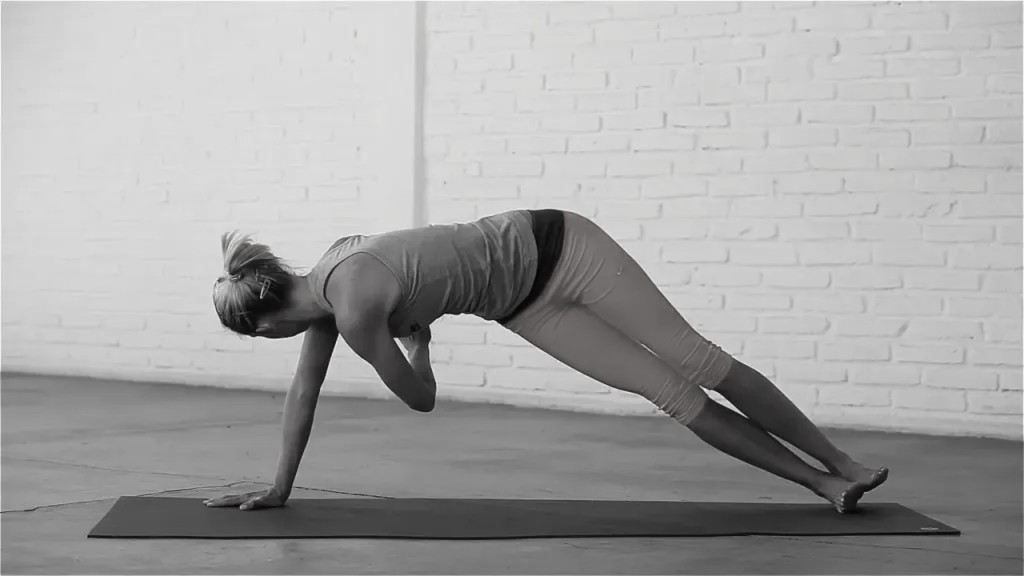
Passive stretching alone rarely releases chronic hip tightness in veteran athletes. Proprioceptive Neuromuscular Facilitation (PNF) tricks the nervous system into relaxing tight muscles.
Contract the target hip flexor against resistance for 6 seconds, relax, and immediately sink deeper into the stretch for 15 seconds.
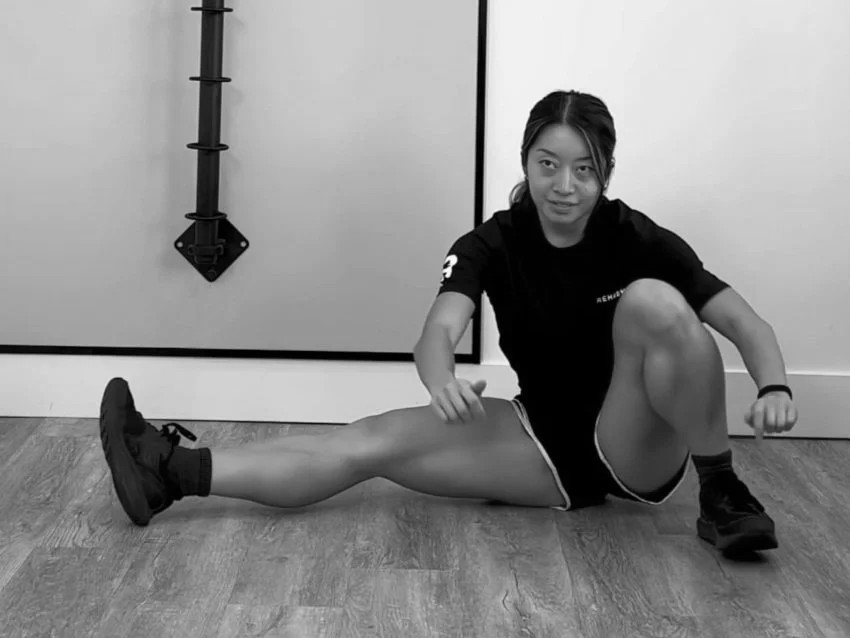
3. Train Loaded Lateral Range With Cossack Squats
Flexibility without strength leads to joint instability. Cossack squats load the adductors and hamstrings dynamically. Lower into a deep side lunge while keeping the non-working leg straight with toes pointing up, strengthening the hip at its extended limit under control.
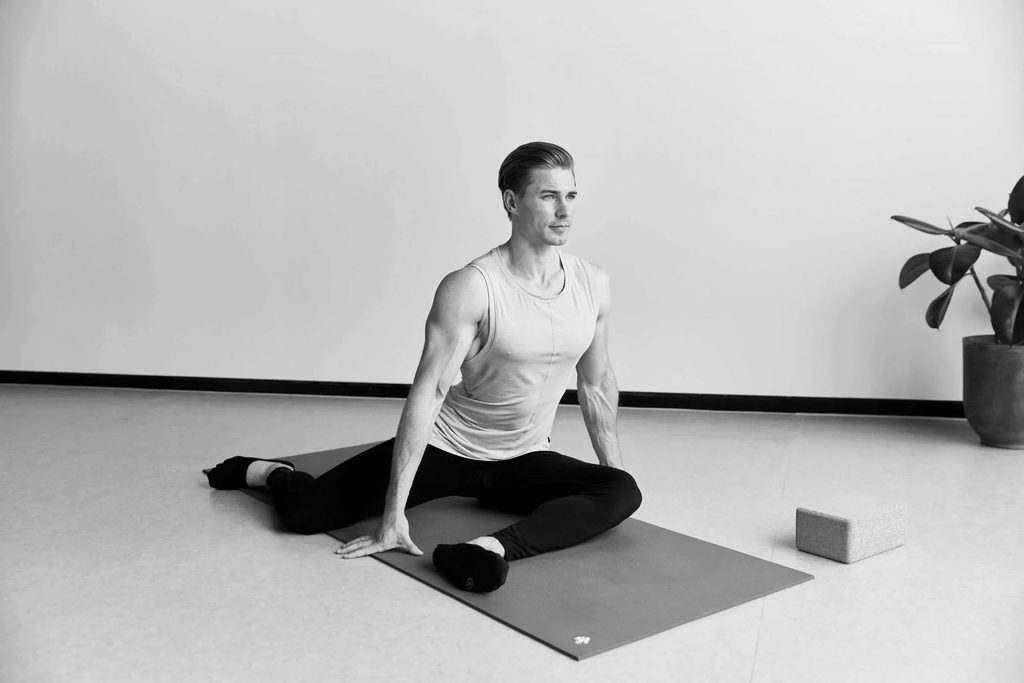
2. Master 90/90 Rotations With Isometric Holds
Sit on the floor with both legs bent at 90-degree angles, one in front, one to the side. Rotate your torso over the front leg, then drive your back knee into the ground actively for 5 to 10 seconds before switching sides. This builds usable internal and external rotation strength essential for throwing knees or retention in BJJ guard work.
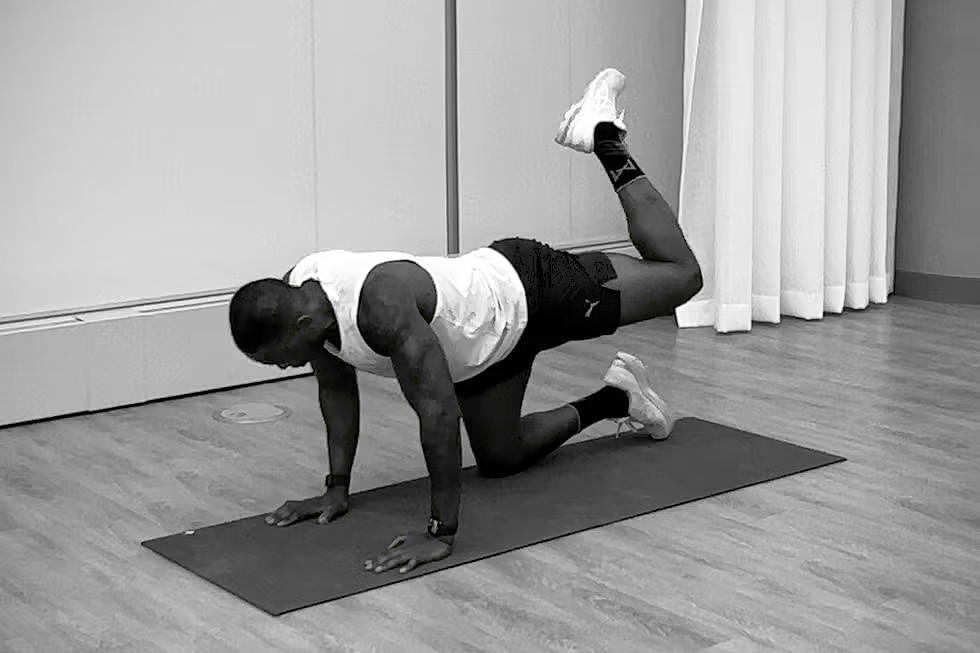
1. Implement Daily Hip CARs (Controlled Articular Rotations)
Before hitting the mats, perform slow, deliberate joint circles through the hip’s full rotational limit. Hip CARs pump synovial fluid into the joint capsule, clear out morning stiffness, and maintain neural control over end-range positions without irritating surrounding tendons.
Consistency trumps intensity when managing veteran joints. Integrating these movements three to four times a week keeps your hips supple, your guard dangerous, and your longevity on the mats intact. Thank you for grappling!


