

In the world of combat sports, we obsess over the obvious things, the perfect sprawl, the timing of a counter-cross, or the grueling miles logged on the road, but often the difference between a dominant third round and gassing out isn’t just your cardio, it’s your bio-chemistry.
When you’re grinding through a five-round shark tank or cutting those last few pounds, hydration is your lifeline. However, if you think staying hydrated just means chugging a gallon of plain water, you’re missing half the equation.
The Myth Of “Just Water”
We’ve all seen the fighter in the gym dragging around a two-gallon jug of clear water. While the dedication is admirable, plain water can actually work against you if you’re sweating profusely.
When we sweat, we don’t just lose H2O, we lose essential minerals known as electrolytes. If you replace that sweat with only plain water, you dilute the remaining minerals in your blood. This can lead to a drop in performance, or worse, a dangerous condition called hyponatremia.
So What Are Electrolytes, Anyway?
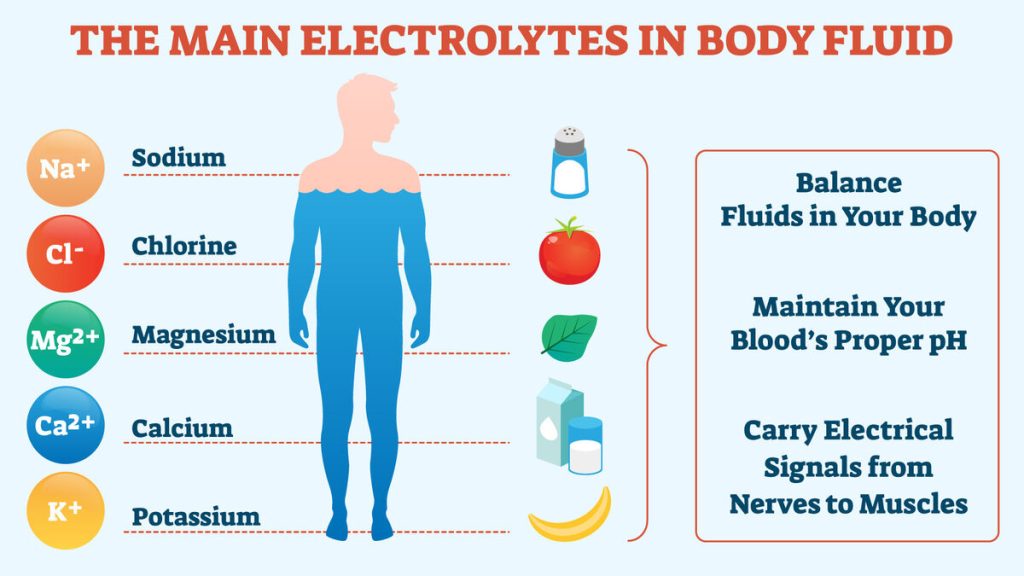
Electrolytes are minerals that carry an electric charge when dissolved in fluid. In a combat context, they are the spark plugs of your motor. They allow your brain to send signals to your muscles to fire, contract, and relax.
The Heavy Hitters: Your Body’s Internal Team
To keep your performance peak, you need to understand the four primary players in the electrolyte game.
- Sodium: The MVP of fluid balance. Sodium helps your body retain the water you drink and maintains blood pressure. For fighters, it’s the primary mineral lost in sweat.
- Potassium: This is what keeps your muscles from turning into lead. It works alongside sodium to trigger muscle contractions and nerve impulses.
- Magnesium: Often overlooked, magnesium is crucial for energy production and muscle relaxation. If you’re dealing with chronic cramping or poor sleep after training, you might be low on this.
- Calcium: Beyond bone health, calcium is vital for the sliding filament theory of muscle contraction. Basically, without it, your muscles can’t move efficiently.
How Dehydration Taxes The Fighter
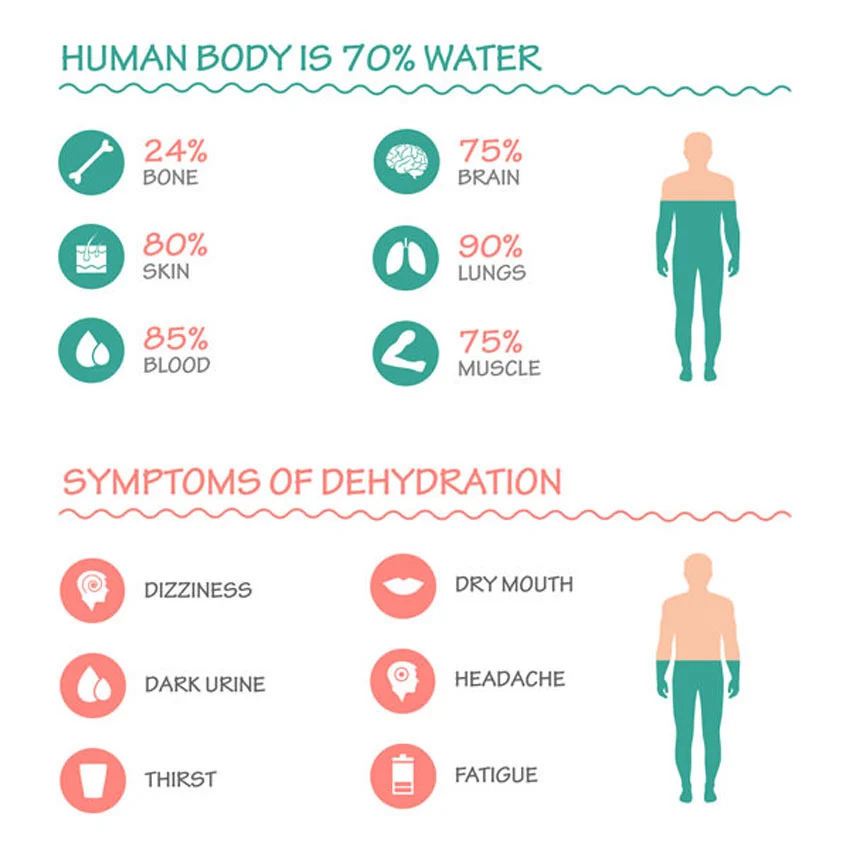
In a sport where split-second reactions determine whether you land a punch or wear one, even a 2% drop in body weight due to fluid loss can result in:
Poor Thermoregulation: Your body loses its ability to cool itself down, leading to early fatigue or heat exhaustion.
Slower Reaction Time: Your brain is essentially a sponge, when it dries out, neural processing slows down.
Reduced Punching Power: Dehydrated muscles lose their snap and elasticity.
Increased Concussion Risk: Fluid surrounds the brain to act as a shock absorber. Less fluid means less protection during impact.
The Pro Protocol: Staying On Weight And On Point
To optimize your hydration for your next camp, consider these steps:
The “Salt Your Water” Rule: If you’re training intensely for more than 60 minutes, plain water isn’t enough. Use a high-quality electrolyte powder or even a pinch of sea salt and a squeeze of lemon to help your cells actually absorb the fluid.
Pre-load: Start your session hydrated. Don’t wait until you’re thirsty to start drinking, by then, you’re already behind.
The Scale Test: Weigh yourself before and after a hard sparring session. For every pound lost, you should aim to drink about 16–24 ounces of fluid enriched with electrolytes.
Listen To The Cramps: Cramping isn’t just “pain leaving the body”, it’s a physiological SOS. It’s usually a sign that your sodium or magnesium levels have bottomed out.

The Bottom Line
You can have the heart of a lion and the technique of a master, but if your internal gas tank is on E, your body will eventually pull the plug. Stop treating hydration as an afterthought. Treat it like your footwork or your head movement, as a fundamental skill that keeps you in the fight.
Stay salty, stay hydrated, and we’ll see you on the mats.


