

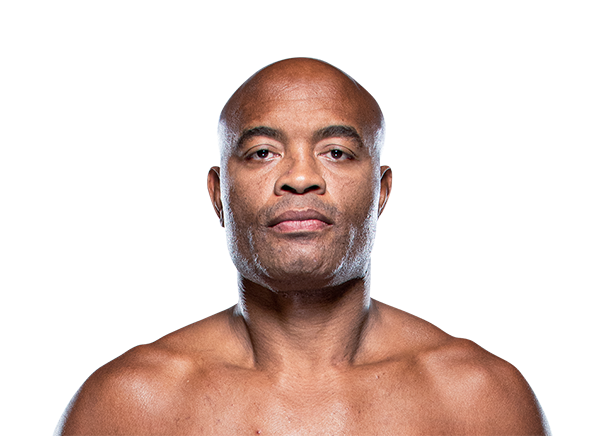
Today, the combat sports world pauses to tip its hat to a man who didn’t just fight, he choreographed masterpieces in the Octagon. Anderson “The Spider” Silva turns 51 today, and even as the years pass, his shadow still looms large over every middleweight who dares to lace up gloves.
From the favelas of Brazil to the bright lights of Las Vegas, Silva’s journey is a testament to the idea that fighting is, at its core, a form of high art.
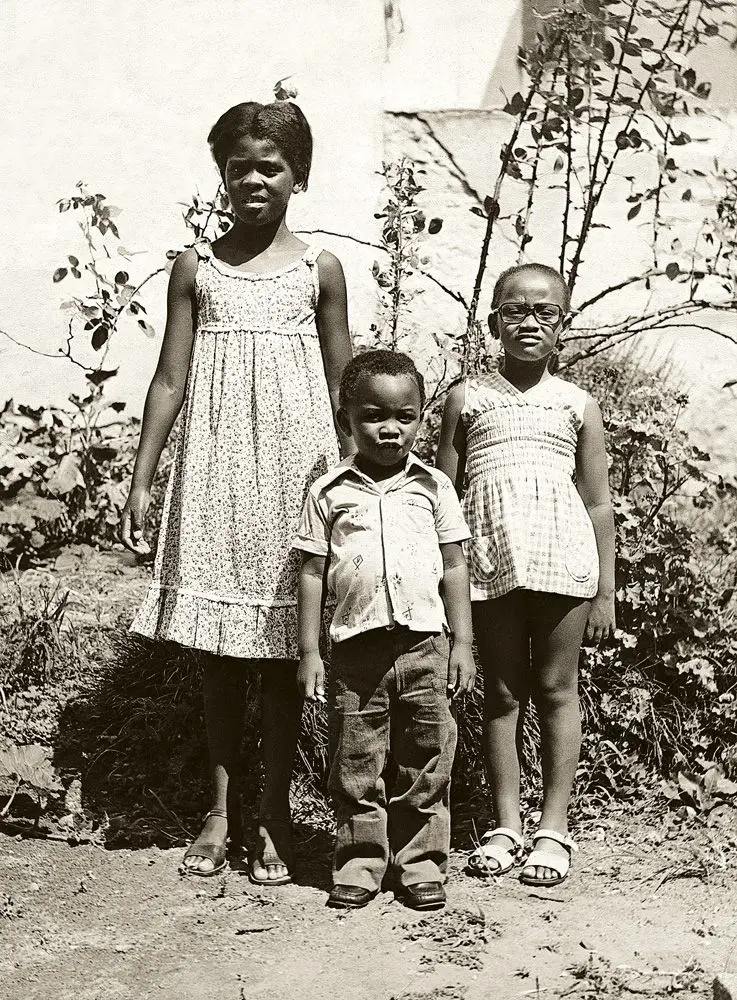
Humble Beginnings In Curitiba
Born in São Paulo on April 14, 1975, Anderson Silva’s origin story is far from the glitz of the pay-per-view era. Raised primarily by his aunt and uncle in Curitiba, Silva grew up in a household with limited means but boundless energy.
Unable to afford formal lessons early on, a young Anderson would watch the neighborhood kids practice Brazilian Jiujitsu and replicate the movements on his own. It wasn’t long before he transitioned from a spectator to a practitioner, beginning a lifelong obsession with the mechanics of human movement.
Spinning The Web: Forging The Spider
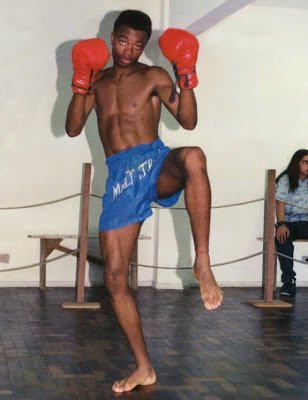
Silva’s development was a greatest hits of martial arts disciplines. He didn’t just stick to one style, he collected them like trophies!
- Taekwondo: Where he developed his signature flexibility and lethal kicking game.
- Capoeira: Which gifted him the rhythmic, deceptive movement that would later baffle UFC champions.
- Muay Thai: Refined at the legendary Chute Boxe Academy, where he transformed into a clinical, terrifying clinch fighter.
By the time he transitioned into professional MMA, Silva was a human Swiss Army knife, if the knife was also capable of moving like Neo from The Matrix.
The Peak: A Reign Of Precision And Poetry
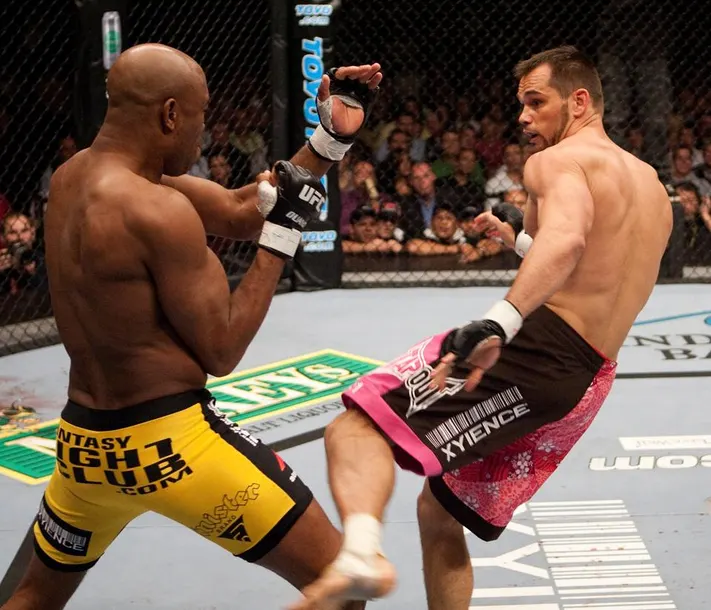
When Anderson Silva entered the UFC in 2006, the middleweight division was changed forever. His debut against Chris Leben, a 49-second clinic in striking accuracy, served as a warning shot. What followed was arguably the greatest purple patch in sports history.
- The Title Win: He dismantled Rich Franklin with a Muay Thai clinch that looked like it belonged in a horror movie.
- The Streak: 16 consecutive wins. 10 successful title defenses.
- The Highlights: The front-kick knockout of Vitor Belfort, the last-minute triangle choke against Chael Sonnen, and the no-look dodging of Forrest Griffin’s punches.
During this era, Silva wasn’t just winning, he was making elite athletes look like they were moving in slow motion. He possessed an almost supernatural calm, often dropping his hands and daring opponents to hit him, only to counter with a strike they never saw coming.
The Second Act: Life After The Octagon
Every legend eventually faces the “Father Time” problem. After a series of brutal injuries and a natural decline in speed, Silva officially moved on from the UFC in 2020. However, “retirement” is a loose term for The Spider.
The Boxing Renaissance
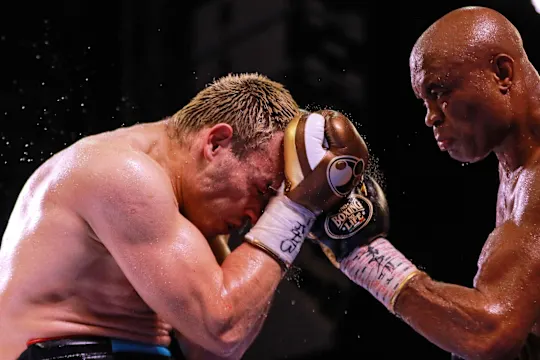
In a move that surprised many, Silva transitioned to professional boxing in his late 40s. Unlike many of his peers who struggled in the ring, Silva’s fundamentals translated beautifully.
In June of 2021 he secured a stunning victory over former world champion Julio César Chávez Jr. Then in September of the same year, he delivered a clinical knockout of fellow MMA legend Tito Ortiz.
Even in a loss to Jake Paul, Silva proved that his timing and head movement remained elite well into his middle age.
A Lasting Legacy
Off the canvas, Silva has focused on his family, watching his sons, Gabriel and Kalyl, follow in his combat sports footsteps, and various acting and business ventures. He remains a global ambassador for MMA, often seen offering wisdom to the next generation of Brazilian fighters.
“I don’t fight to prove anything to anyone. I fight because I love it.”
Today, we celebrate not just the records or the belts, but the audacity of a man who decided that a fight should be a dance. Happy Birthday, Anderson. The Octagon hasn’t been quite as magical since you left.


