

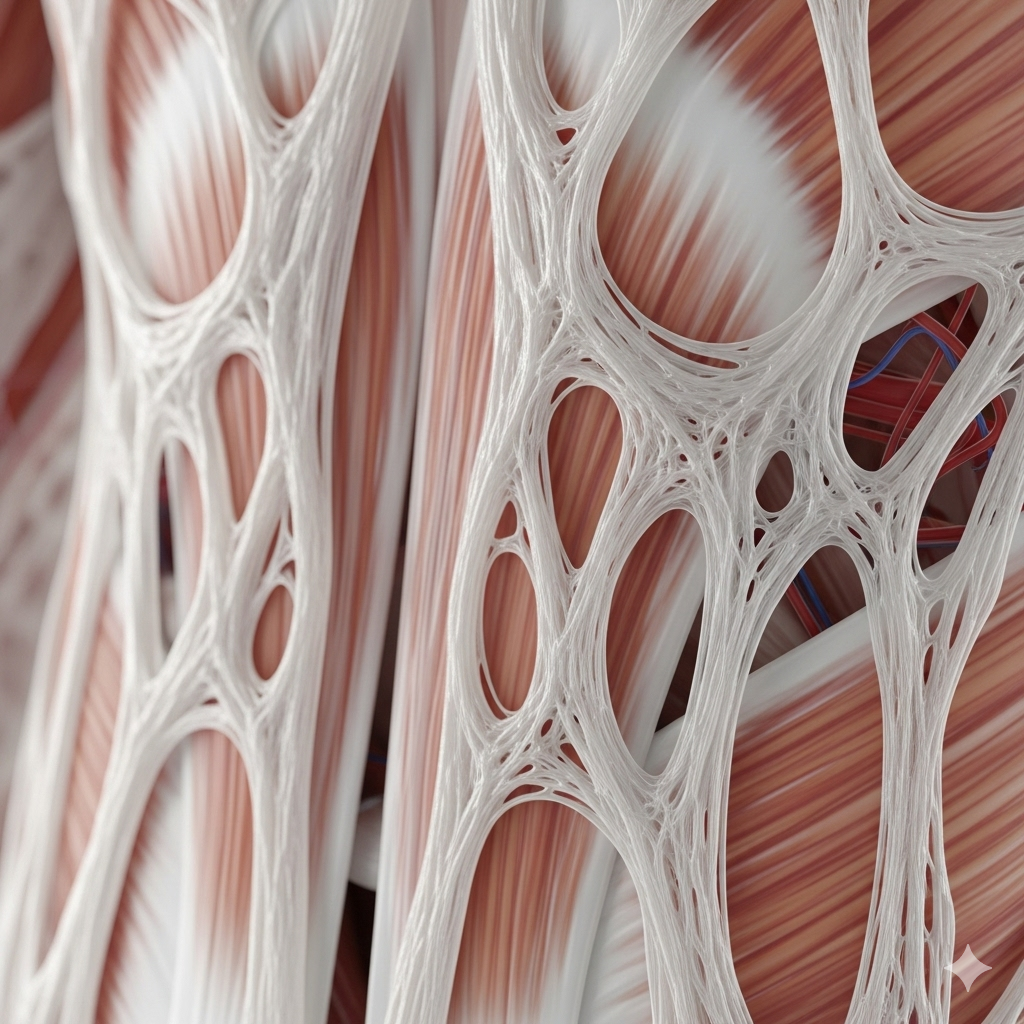
In the high-octane world of combat sports, where every punch, kick, and clinch pushes the human body to its limits, recovery isn’t just a luxury—it’s a necessity. Athletes and coaches alike are constantly seeking the next edge, the method that will reduce downtime, prevent injury, and optimize performance. While traditional recovery methods like ice baths, foam rolling, and massage are staples, a new frontier is emerging, the targeted engagement of fascia.
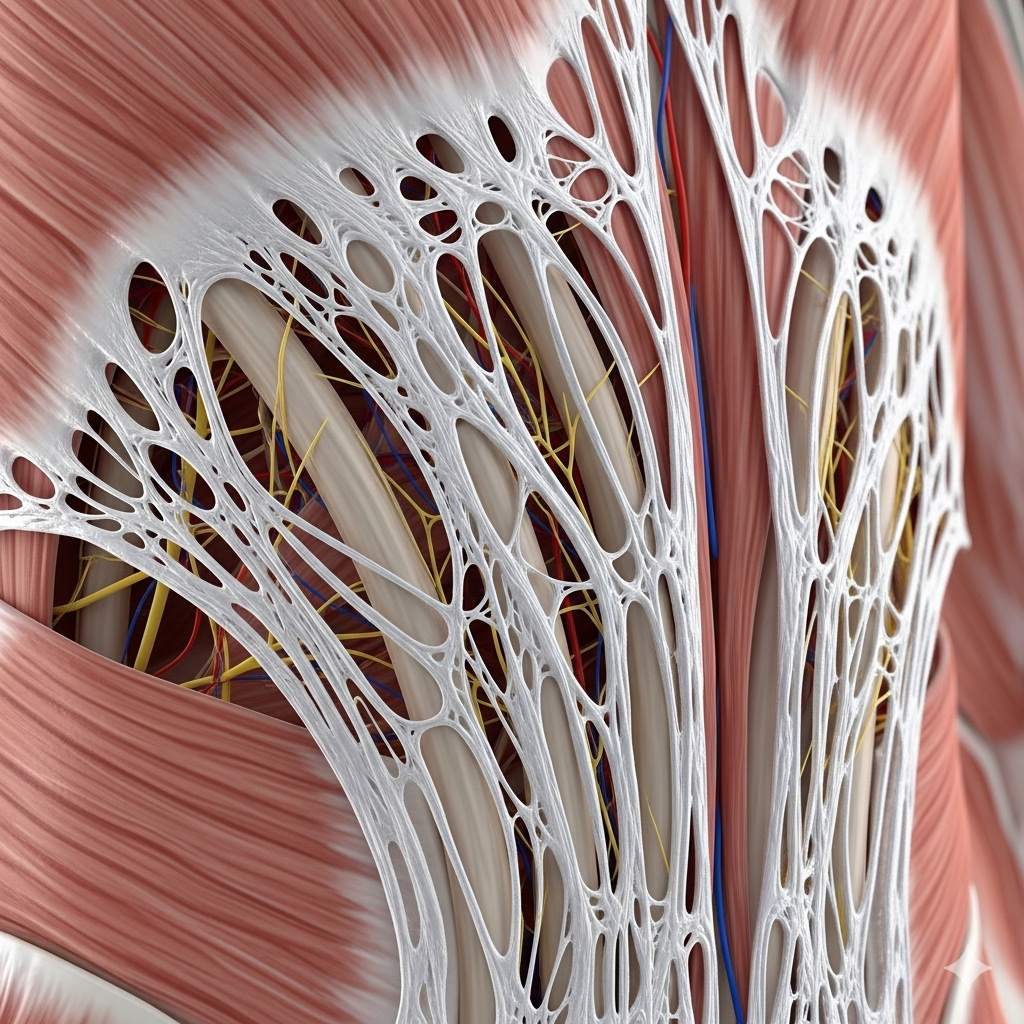
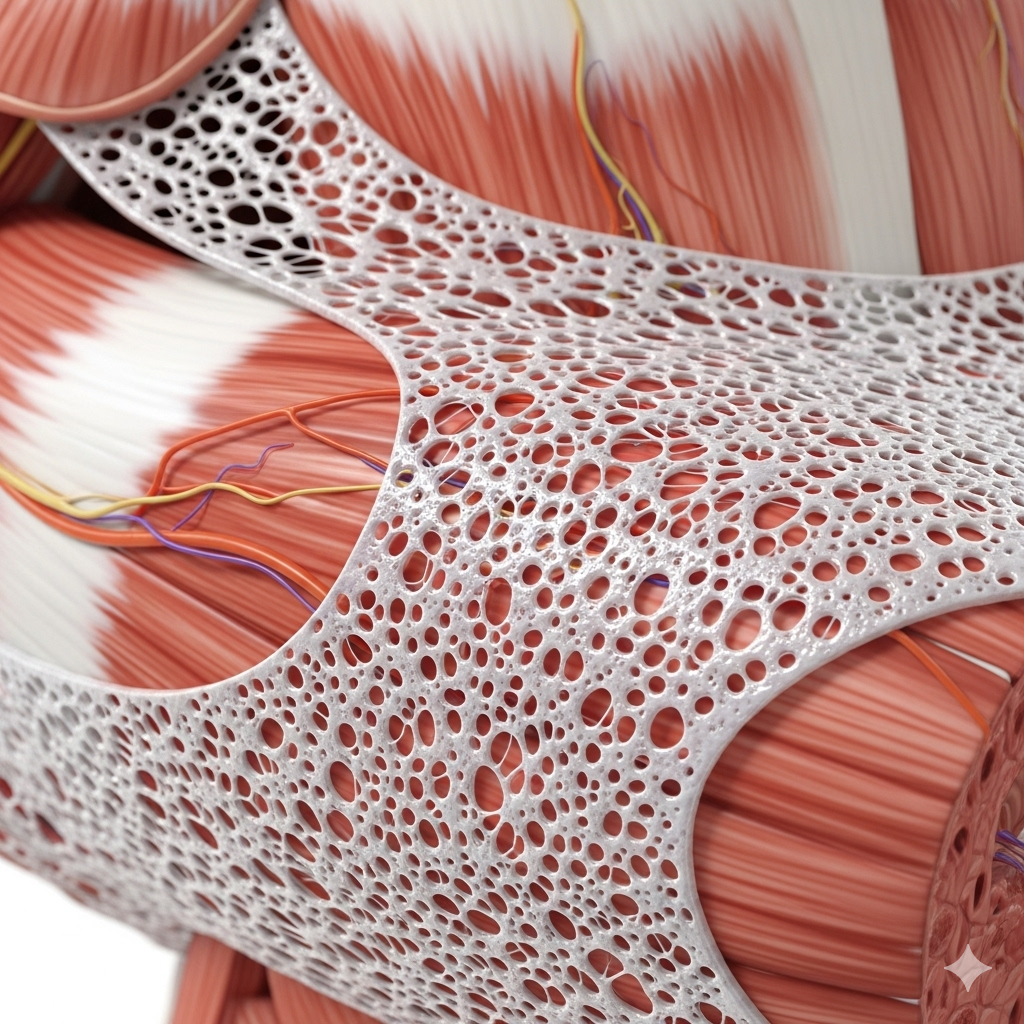
Often overlooked and misunderstood, fascia is the unsung hero of our musculoskeletal system. This intricate, web-like connective tissue surrounds and interpenetrates every muscle, bone, organ, and nerve. It’s the body’s internal support structure, providing shape, stability, and a medium for communication. In combat sports, fascia plays a crucial role in transmitting force, enabling explosive movements, and acting as a shock absorber. When a fighter throws a powerful cross, the force isn’t just generated by the deltoid and pectoral muscles; it’s transmitted and amplified through the fascial chains that connect the entire kinetic chain, from the feet to the fist.
Fascia Engagement: More Than Just A Massage
While traditional deep tissue massage can help release muscle knots, fascia-focused recovery goes a step further. Instead of just targeting the muscle, these techniques aim to rehydrate, lengthen, and restore the elasticity of the fascial system. The goal is to release adhesions and restrictions, allowing the entire body to move more freely and efficiently.
So, What Does This Look Like In Practice?
Fascial Stretching (FST): This technique involves a therapist gently guiding the athlete’s body through a series of stretches that target the fascial lines rather than individual muscles. The goal is to decompress joints and lengthen the fascial system, leading to a significant increase in flexibility and range of motion. For a combat athlete, this can translate to more powerful kicks, more fluid head movement, and a decreased risk of injury during a takedown.
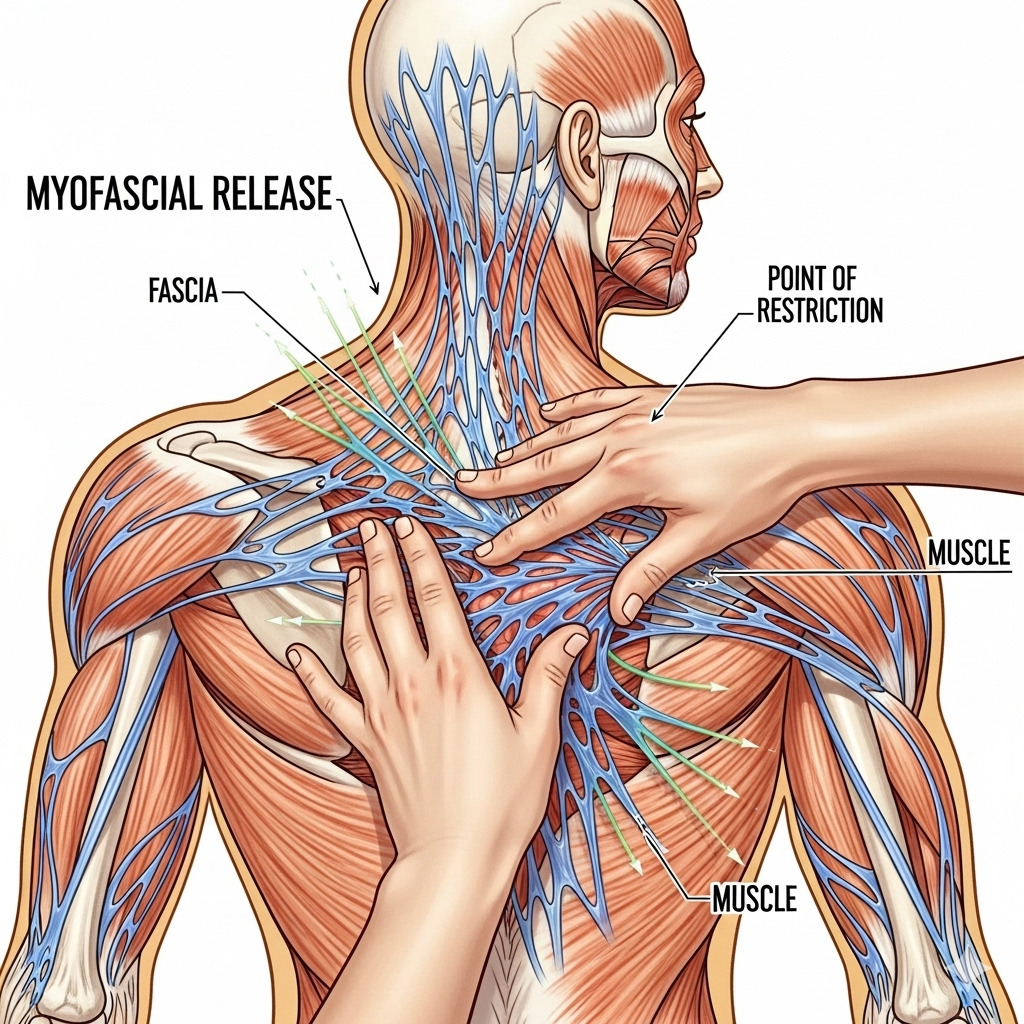
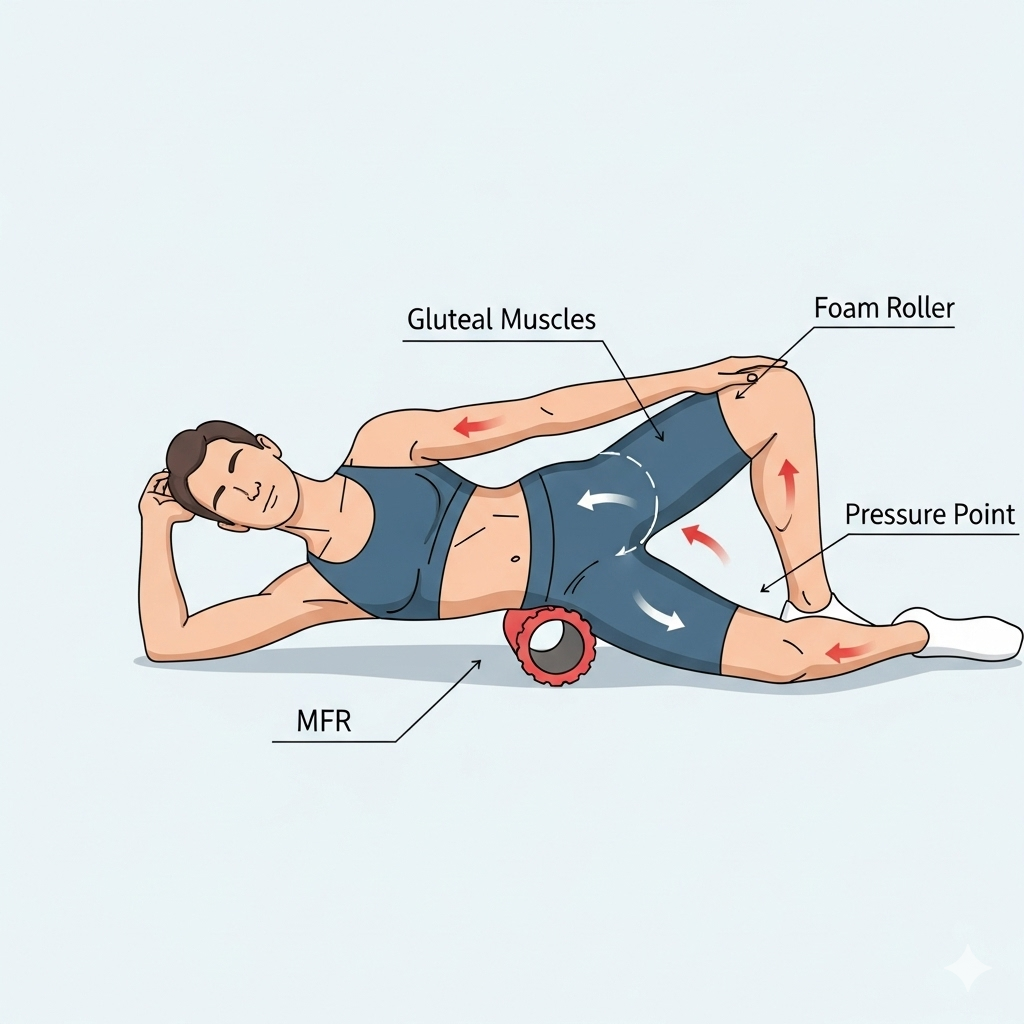
Myofascial Release (MFR): This technique, often performed by a trained therapist, involves applying sustained pressure to fascial restrictions. Unlike traditional massage, which can be quick and sometimes painful, MFR is slow and deliberate, allowing the tissue to gradually soften and lengthen. Self-myofascial release, using tools like foam rollers, massage balls, and even specialized rollers, can be a great way for athletes to target specific areas of tension. The key is to find a tender spot and hold the pressure for 30-60 seconds, allowing the tissue to release.
Dynamic Stretching and Movement: Instead of static stretches, which can sometimes create micro-tears in tight tissue, dynamic movements and stretches that engage the entire fascial chain are highly beneficial. Think of movements like cat-cow stretches, leg swings, and thoracic spine rotations. These movements, when performed with intention, can help to glide and hydrate the fascial layers, improving mobility and reducing stiffness.
The Benefits For The Fighter
For the combat athlete, the benefits of incorporating fascia-focused recovery are tangible and profound:
Improved Body Awareness: By tuning into the fascial system, athletes can develop a deeper understanding of how their body moves and where they hold tension. This heightened awareness can help them identify potential problems before they become injuries and allow for more efficient and mindful training.
Enhanced Performance: A supple and unrestricted fascial system means better force transmission, leading to more powerful and explosive movements. Increased range of motion in the hips, shoulders, and spine can improve kicking power, punching fluidity, and grappling dexterity.
Reduced Injury Risk: When fascia is restricted, it can create “kinks” in the kinetic chain, putting undue stress on muscles and joints. By releasing these restrictions, the load is more evenly distributed throughout the body, reducing the risk of strains, sprains, and chronic overuse injuries.
Faster Recovery: A well-hydrated and pliable fascial network allows for better nutrient and oxygen delivery to the muscles and aids in the removal of metabolic waste. This can significantly reduce post-training soreness and shorten recovery time between sessions.

While the concepts of fascia-focused recovery are still gaining mainstream acceptance, the evidence of its benefits is growing. For fighters, coaches, and trainers, it’s time to look beyond the traditional recovery toolbox. By integrating techniques that prioritize the health and integrity of the fascial system, combat athletes can not only recover faster but also unlock new levels of performance, resilience, and longevity in a sport that demands nothing less than absolute physical excellence.


