

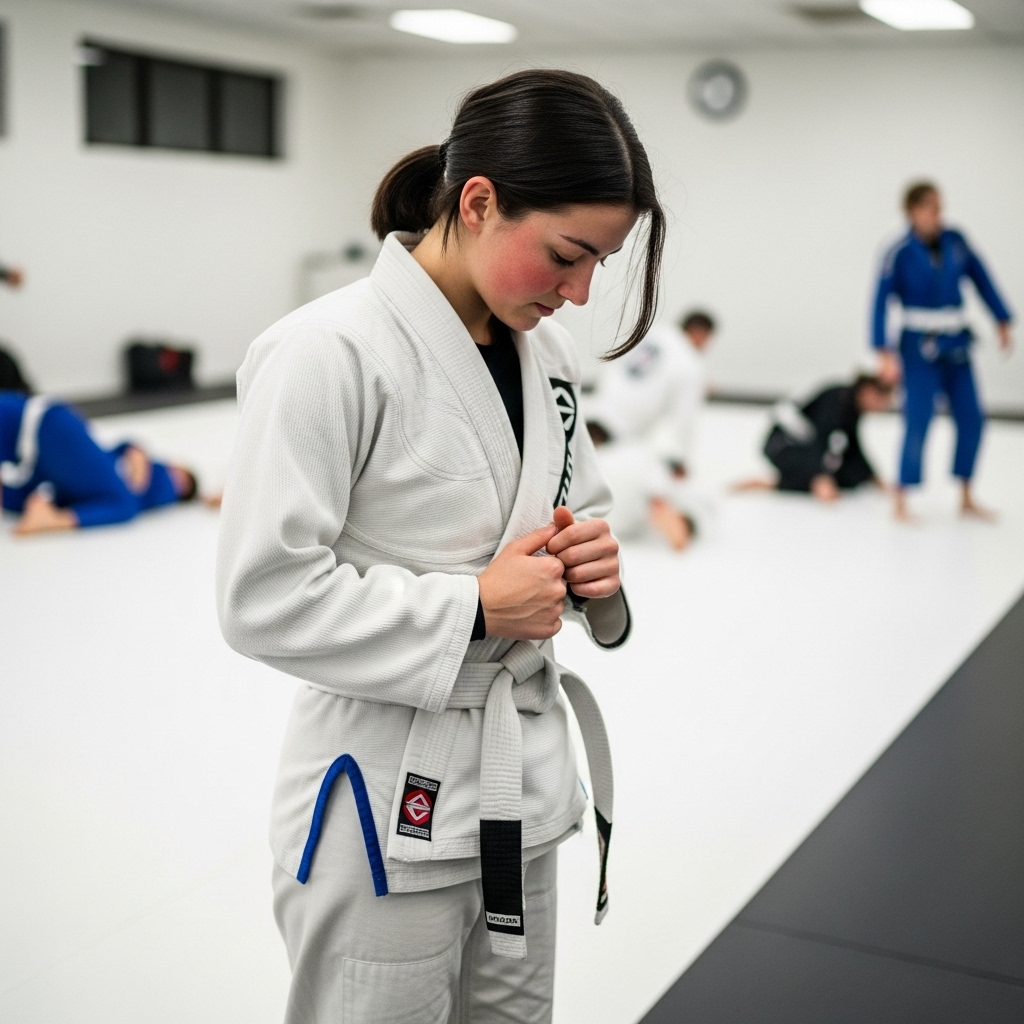
For new students in Brazilian Jiujitsu (BJJ), the first few classes can be overwhelming. Learning techniques, navigating the warm-ups, and understanding the unspoken rules of the gym can be a lot. One of the most common questions new students have is, “How do I ask someone to roll?” and, once they do, “How should I roll with someone who’s smaller or weaker than me?” Understanding the proper etiquette for these situations is crucial for a positive and safe training environment.
The Dos And Don’ts Of Asking To Roll
In grappling, “rolling” is the term for live sparring, where you apply the techniques you’ve learned in a dynamic, resistant setting. It’s the core of BJJ training, but asking someone to roll requires some basic etiquette.
Dos:
Wait For The Instructor’s Cue. Typically, the instructor will give a signal to start rolling. Don’t jump the gun; wait for them to say it’s time to find a partner.
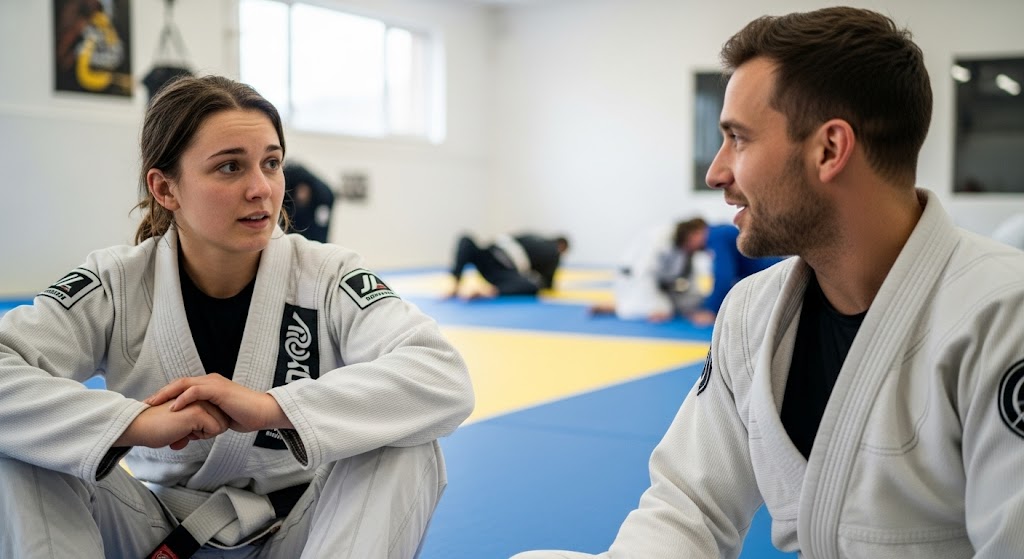
Make Eye Contact And Use A Clear Invitation. A simple “Wanna roll?” or “Do you want to go?” with a nod or a gesture is a great way to start. It shows respect and confidence.
Be Direct And Polite. If someone declines, don’t take it personally. They might be tired, injured, or have a specific training partner in mind. Simply say “No worries” and move on to the next person.
Ask A Variety Of People. Rolling with different body types and skill levels is essential for growth. Don’t just stick to your friends or people your own size.
Don’ts:
Don’t Act Entitled. Whether you’re a new white belt or a seasoned black belt, the mat is a place of respect. Nobody owes you a roll.
Don’t Assume Someone Wants To Roll With You. Always ask first. Walking up to someone and just starting to grapple is a surefire way to make them feel uncomfortable.
Don’t Interrupt A Conversation. If two people are talking or resting, wait until they are free before you ask.
Don’t Be A Pest. If someone has declined your invitation, don’t keep asking them repeatedly throughout the class.
Rolling With Smaller Or Weaker Partners
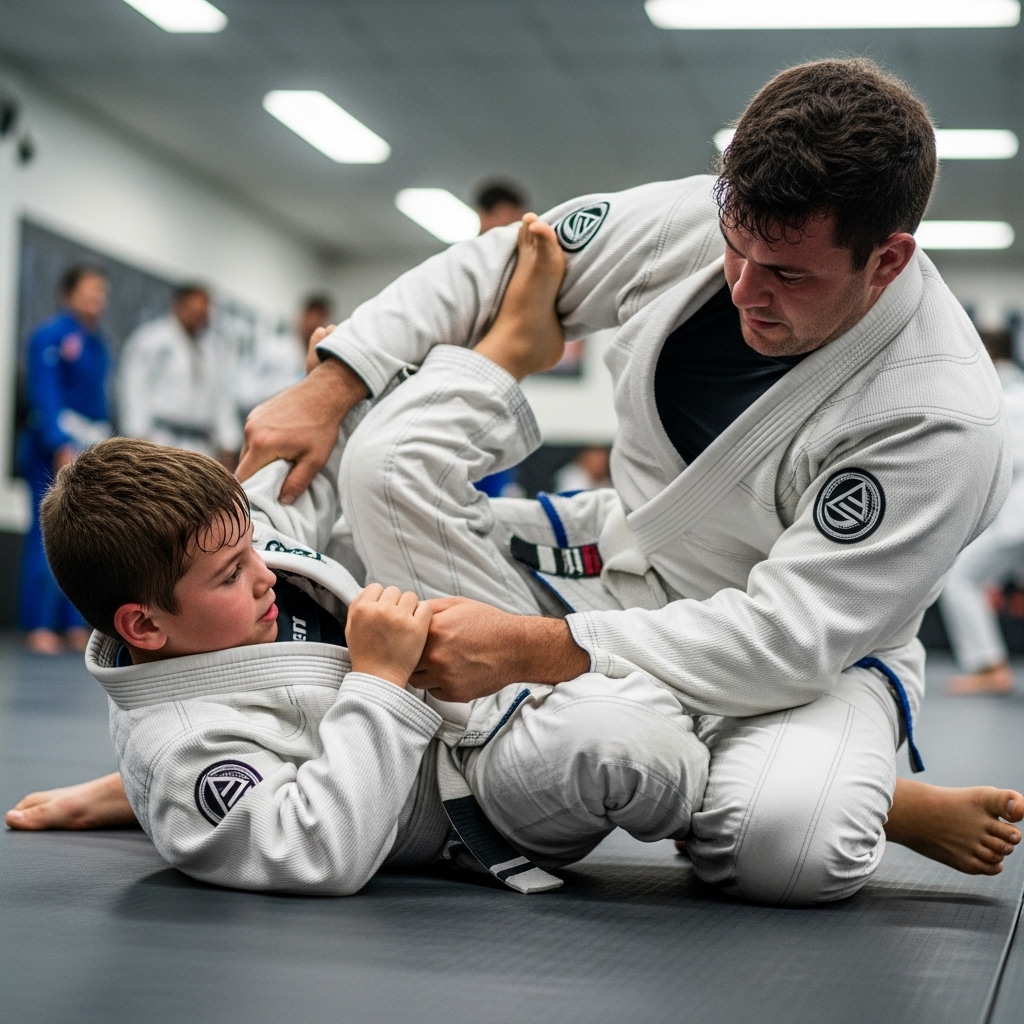
Once you’ve secured a partner, how you roll with them is just as important as how you asked. This is especially true when you’re a larger or stronger person rolling with someone smaller or less experienced. Your goal should be to provide a safe and productive training experience for both of you.
Dos:
Tap Early And Often. Even if you’re the bigger person, you can still get caught in a submission. There’s no shame in tapping. Tapping shows you’re prioritizing safety and longevity in the sport.
Focus On Technique Over Strength. BJJ is about leverage and timing, not brute force. A smaller partner is the perfect opportunity to work on your technique and control without relying on strength to get you out of trouble.
Match Your Intensity. A good rule of thumb is to match the intensity of your partner. If they’re moving slowly and technically, you should do the same. If they start picking up the pace, you can too. This prevents you from accidentally overwhelming them.
Provide A Productive Learning Experience. This is not a competition. Let your partner work their techniques. Allow them to get to a dominant position and then work on your escapes. It’s a two-way street; you both should be learning.
Be Aware Of Your Weight. When you’re in a dominant position, like side control or mount, don’t just “smash” your partner with all your weight. This can cause injury and is not a productive way to train. Instead, use your weight to apply pressure and control strategically.
Don’ts:
Don’t Take Advantage Of Their Size. This includes not slamming them, not using dangerous moves (probably don’t accidentally cripple your new friend), and not crushing them with your full body weight.
Don’t Use Excessive Force. Avoid “strength rolling” where you use your size to muscle your way out of submissions or into positions. Not only is it dangerous for your partner, but it’s also a bad habit that will hinder your own technical development.
Don’t Be Careless With Submissions. Be mindful of how you apply chokes and joint locks. Apply them slowly and with control, giving your partner plenty of time to tap.
Don’t “Bully” Your Partner. This is not a fight to the death. The goal is to learn and grow, not to prove you’re the toughest person on the mat.
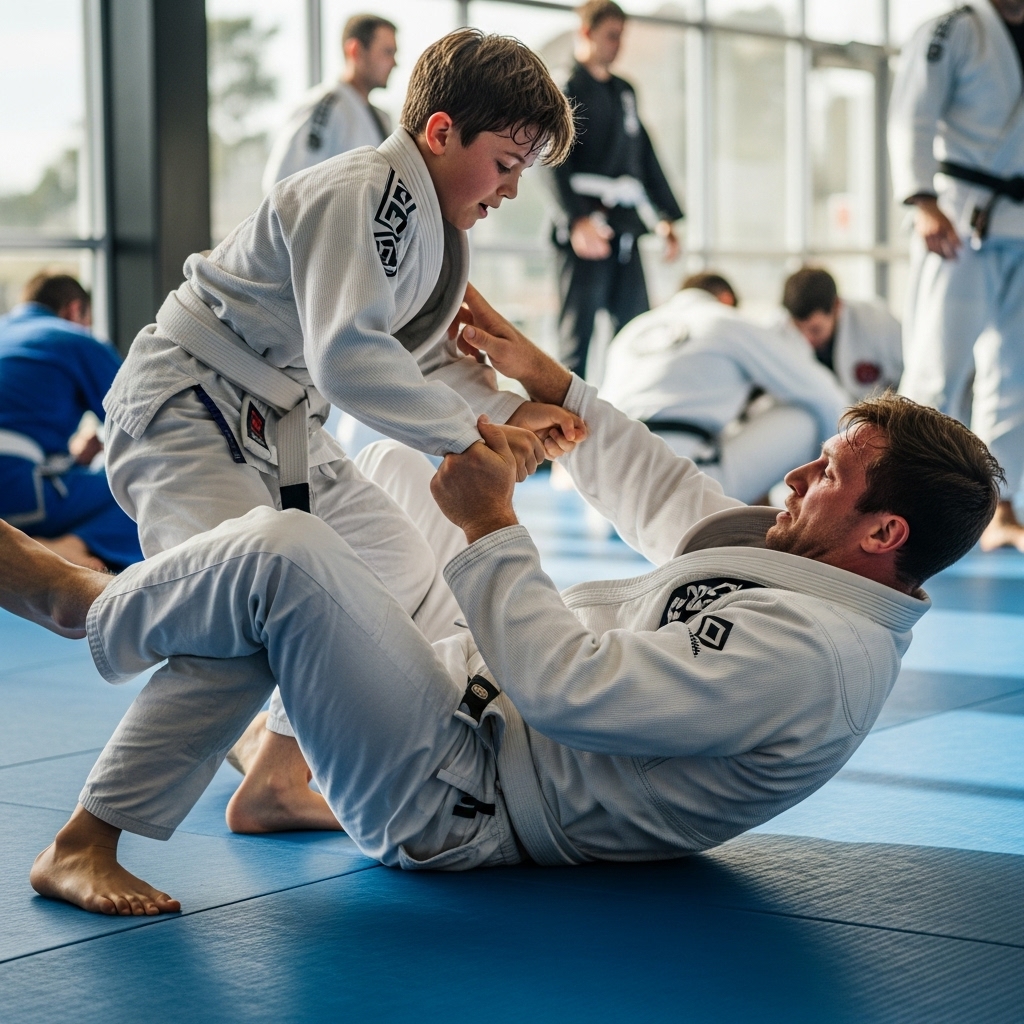
By following these simple guidelines, you can ensure that you’re a good training partner and a respected member of your grappling community. Remember, we’re all on the same team just trying to get better together.


