

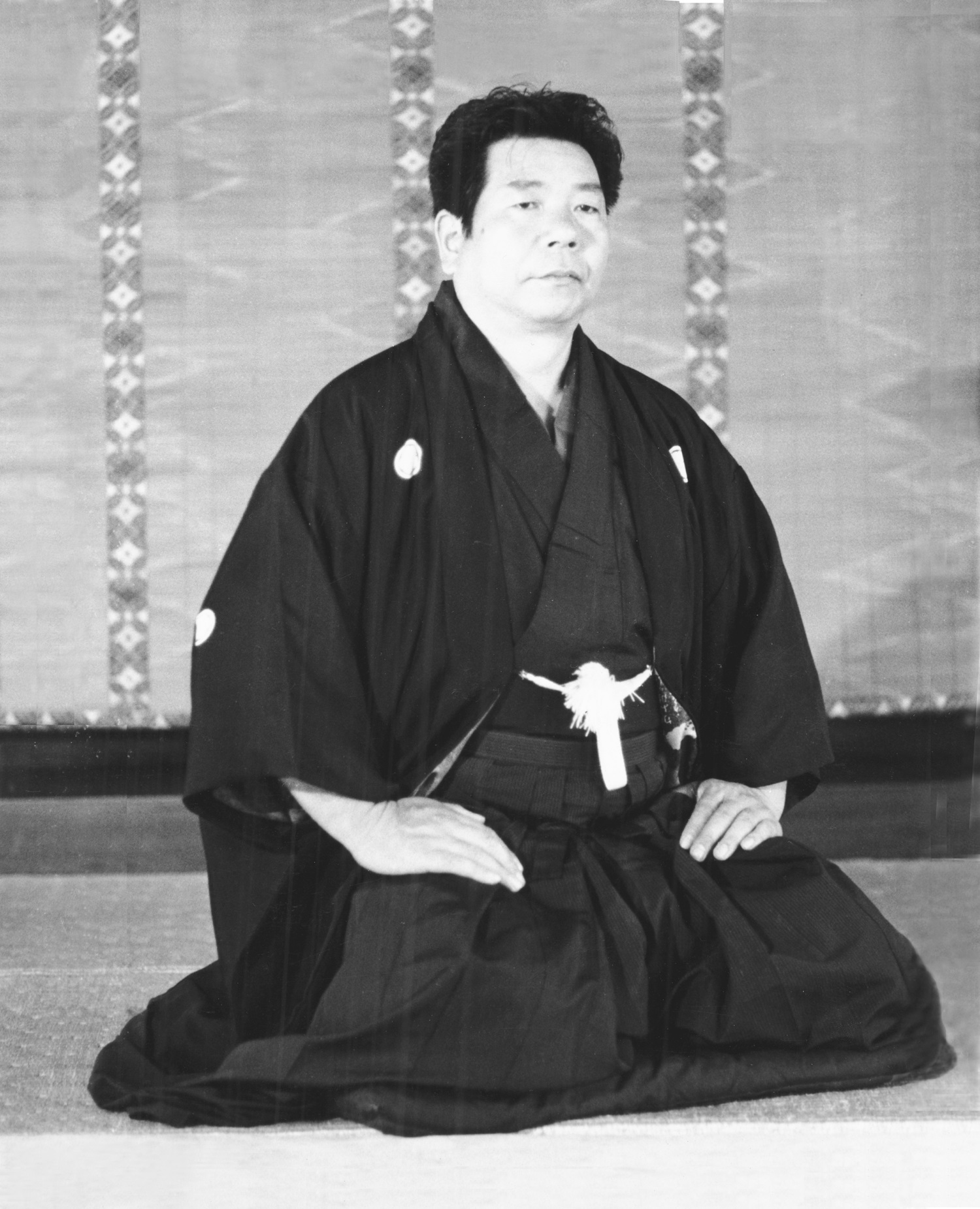
In the world of traditional Japanese martial arts, few figures command as much technical respect as Morihiro Saito. While modern combat sports often focus on the flashing lights of the Octagon, the foundation of many grappling arts rests on the shoulders of masters who dedicated their lives to the preservation of form and function. Saito was not just a practitioner, he was the primary curator of Aikido’s most robust and martial era.
Early Life And The “Strange Old Man” Of The Mountain
Born on March 31, 1928, in a small farming village in Ibaraki Prefecture, Saito grew up in a Japan defined by the martial traditions of the pre-war era. As a boy, he followed the standard path, studying Kendo in school and later dabbling in Shito-ryu Karate and Judo.
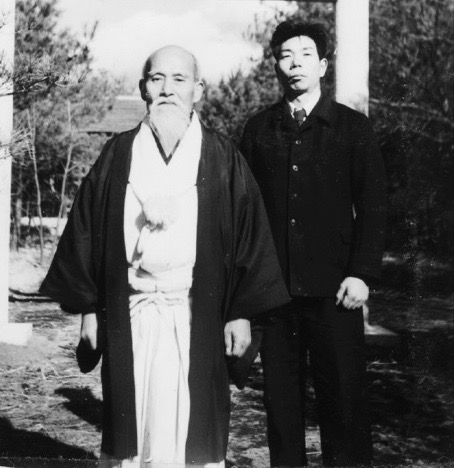
However, everything changed in 1946. At age 18, while working for the Japanese National Railways, Saito heard rumors of a “strange old man” performing miraculous techniques on a mountain near the town of Iwama. That man was Morihei Ueshiba, the founder of Aikido. When Saito first arrived at the dojo, Ueshiba’s intensity was legendary. The training was brutal, and the founder’s standards were unforgiving. Saito’s work schedule, 24 hours on duty followed by 24 hours off, gave him a unique advantage, he could spend entire days training one-on-one with Ueshiba while other students were at their city jobs.
The Peak: The Architect of Iwama Ryu
For 23 years, Saito served as Ueshiba’s closest disciple, live-in student (uchideshi), and personal caretaker. This period, particularly the post-war years in Iwama, is considered the “Golden Age” of Aikido development.
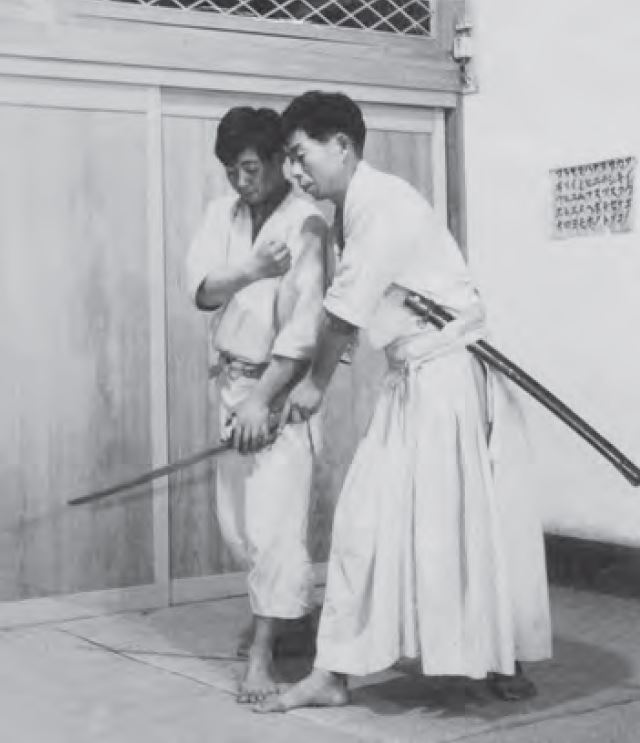
While the founder was often known for his esoteric and spiritual lectures, Saito was a pragmatist. He realized that without a structured system, Ueshiba’s genius would be lost to history. Saito’s greatest contribution during the peak of his career was the systematization of Aiki-Ken (sword) and Aiki-Jo (staff).
The Concept Of Riai
Saito pioneered the concept of Riai, the principle that the movements of the sword, the staff, and empty-hand techniques (taijutsu) are identical. This trinity of training is what defines the Iwama Style.
In the 1970s, Saito published the seminal five-volume series, Traditional Aikido, which remains the gold standard for technical manuals in the art. These books moved Aikido away from vague mysticism and toward a repeatable, scientific curriculum that focused on:
Mechanical Precision: A focus on leverage and physics rather than miracle energy.
Katai-Keiko (Vigorous Practice): Training with a solid, firm grip to develop real power and structural integrity.
Atemi (Striking): Reintroducing the vital necessity of strikes to set up throws, a concept often neglected in more graceful styles.
The Twilight And Death
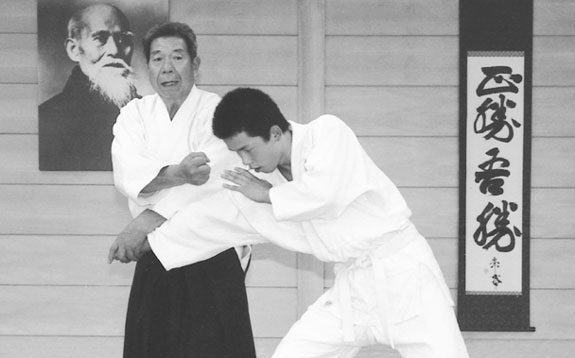
Morihiro Saito remained the caretaker of the Aiki Shrine and the Iwama Dojo long after the founder’s passing in 1969. He became a global ambassador, traveling to Europe and the United States to teach thousands of practitioners who were hungry for the martial roots of the art.
In 2001, Saito was diagnosed with cancer. True to his disciplined nature, he continued to oversee the dojo and instruct as long as his physical strength allowed. He passed away on May 13, 2002, at the age of 74. His death marked the end of an era, the passing of the last major link to the founder’s daily, private training.
Lasting Impact On Combat Sports And Grappling
While Aikido is frequently debated in the context of modern MMA, Morihiro Saito’s influence on the grappling community is undeniable.
- Technical Preservation: Without Saito, the sophisticated weapons system of Aikido would likely have devolved into performance art. He preserved the “martial” in martial arts.
- Influence on Cross-Training: High-level grapplers from Judo and BJJ circles often look to Saito’s work for his deep understanding of wrist locks (joint manipulation) and unbalancing (kuzushi). His focus on heavy technical pressure mirrors the top-game philosophy of many elite wrestlers.
- The Iwama Lineage: His son, Hitohiro Saito, and students like the late Stanley Pranin (founder of Aikido Journal), ensured that the Iwama Ryu brand remained a symbol of technical excellence and historical honesty.
Saito’s legacy is a reminder that even in an age of evolving combat sports, there is immense value in the meticulous study of fundamentals. He was the man who kept the fire burning in the woods of Iwama, ensuring that the founder’s most potent techniques survived for the next generation of warriors.


