

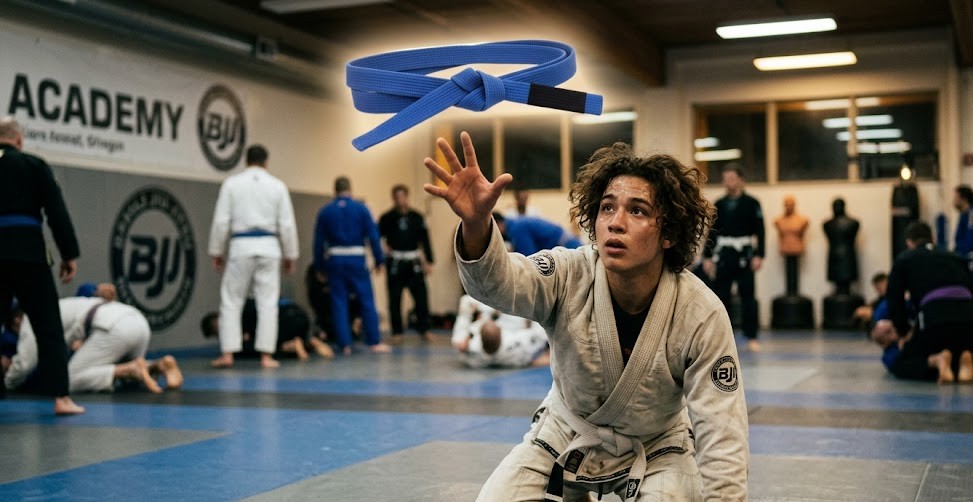
The jump from white to blue belt is often the hardest, and in a white belt’s mind it can definitely feel like the most important. It’s the point where you transition from surviving the onslaught, to a practicing a martial artist. While every academy has its own specific curriculum, instructors aren’t just looking for how many moves you know, they are looking for functional competency.
To earn your blue belt, you shouldn’t just know a technique, you should be able to execute it at will against a resisting peer. Here is the Prograppler approved top six skill prerequisites every white belt should master before they try the hostage negotiation tactic of outright demanding their blue belt.
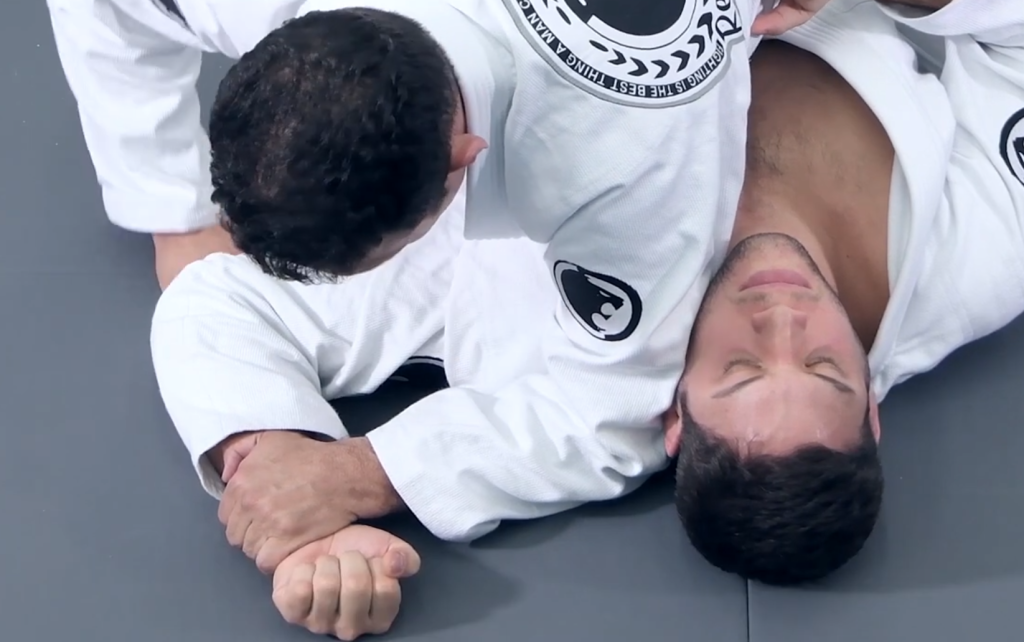
6. Foundational Submission Literacy
While the blue belt is primarily about defense, you cannot be a “dead end” on the mats. You must demonstrate that you understand the mechanics of finishing. Master one “go-to” submission from the three primary offensive positions:
- Closed Guard (e.g., Triangle or Armbar)
- Mount (e.g., Americana or Cross-Collar Choke)
- Back Control (e.g., Rear Naked Choke)
The At Will Test: You don’t need to tap the black belt, but if you get to a dominant position against another white belt, you should be able to systematically isolate a limb or the neck and finish the fight without relying on spazzy strength.
5. High-Percentage Sweeps
A blue belt should be able to reverse the situation when they find themselves on the bottom. You should have at least two sweeps (the Scissor Sweep and the Hip Bump are both solid jumping off points), that you can set up and execute under pressure.
The At Will Test: When an opponent opens their base or commits their weight too far forward, you should be able to recognize the tilt and execute the sweep instantly, transitioning smoothly into a top control position.
4. Practical Guard Passing
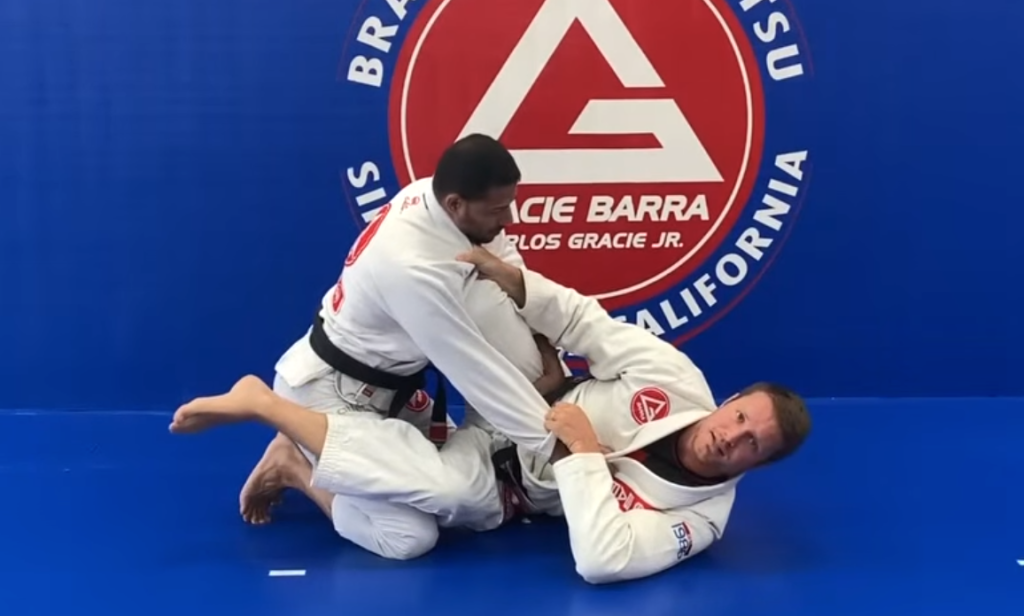
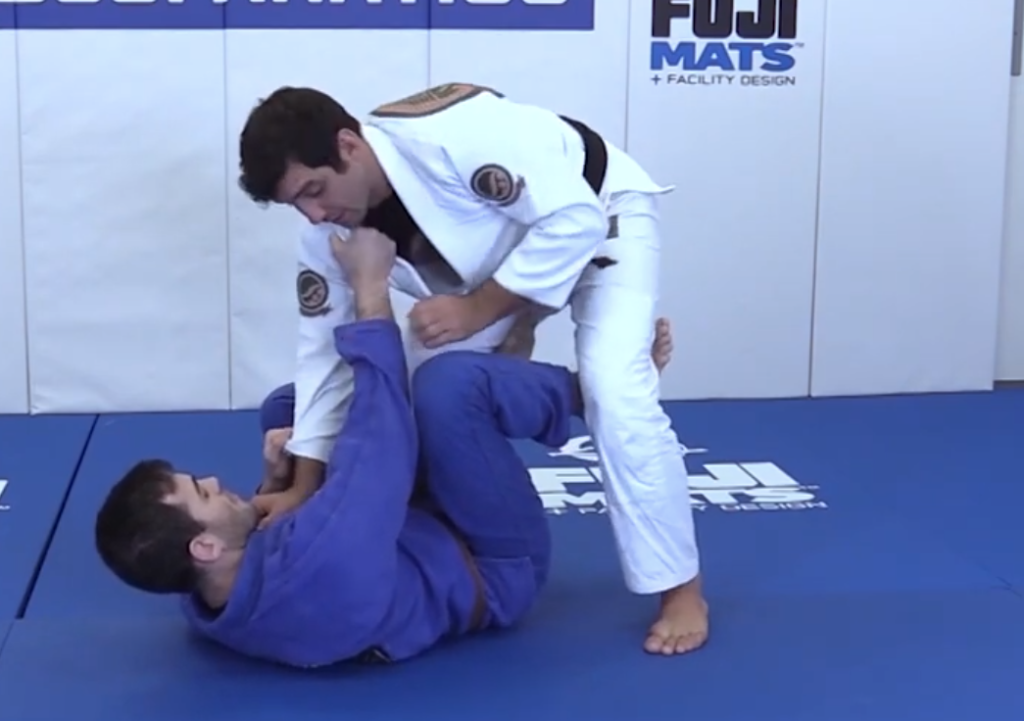
Nothing stalls a roll like a white belt who sits in an opponent’s guard with no plan. To reach blue belt, you should understand the mechanics of passing guard. This means being able to:
- Maintain a strong, upright posture where applicable.
- Open up a tightly closed guard (ideally, without doing that stupid elbow thing).
- Execute at least one pressure pass (e.g., Knee Slice) and one outside pass (e.g., Toreando).
The At Will Test: You should be able to enter someone’s guard and, instead of just surviving, actively work through a sequence of movements that lands you in a dominant position, like Side Control or Mount.
3. Positional Hierarchy & Weight Distribution
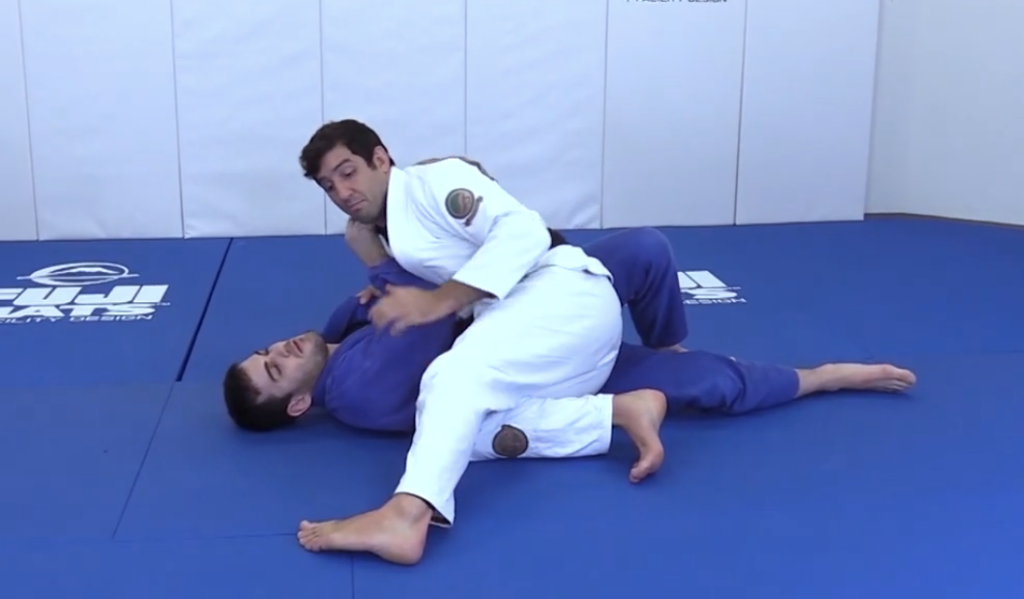
A blue belt understands that grappling is often a game of checkpoints. You must demonstrate that you know where you are at all times and what the best next move is. This involves heavy hips and the ability to use your body weight rather than just your arm strength to pin an opponent.
The At Will Test: If you achieve Side Control, a peer shouldn’t be able to simply push you off because you’re light. You should be able to transition between Side Control, North-South, and Mount while maintaining constant chest-to-chest pressure.
2. Guard Retention And Recovery
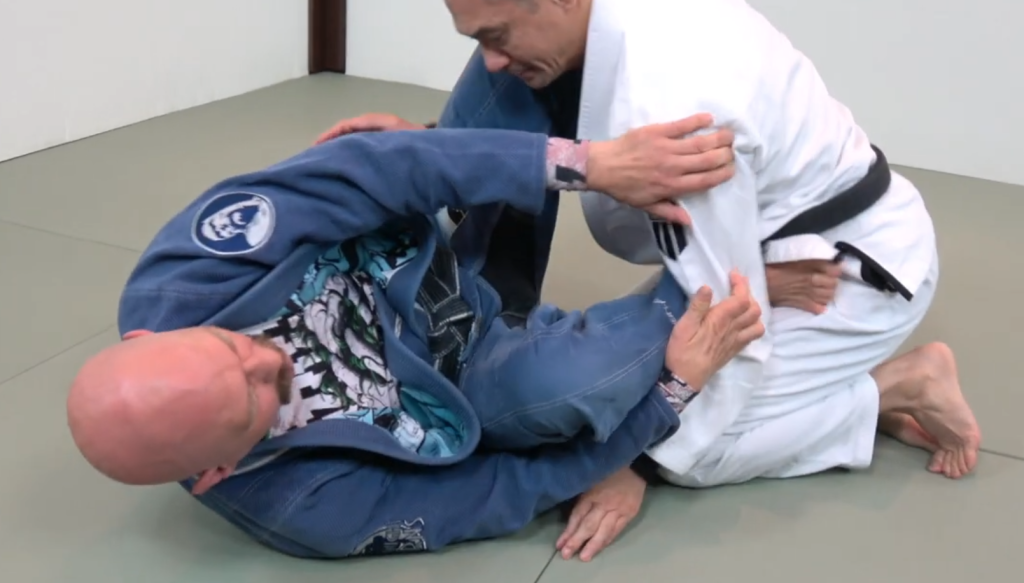
Before you can have a good guard, you must understand recovering guard. This is the art of framing and shrimping. A blue-belt-ready student doesn’t accept the pass, they use their feet, knees, and hands to create space and re-establish guard before the opponent can solidify their side control.
The At Will Test: During a live roll, when an opponent nearly passes your legs, you should be able to instinctively shrimp out, insert a knee shield, and return to a neutral guard position without panicking.
1. Reliable Escapes (The Survival Prerequisite)
The most important skill of a blue belt is the ability to make the top player work. You should be able to escape the three major compromised positions:
- The Mount (Bridge and Roll/Upa or Elbow-to-Knee)
- Side Control (Framing and Shrimping to Guard)
- The Back (Clearing the hooks and putting your back to the mat)
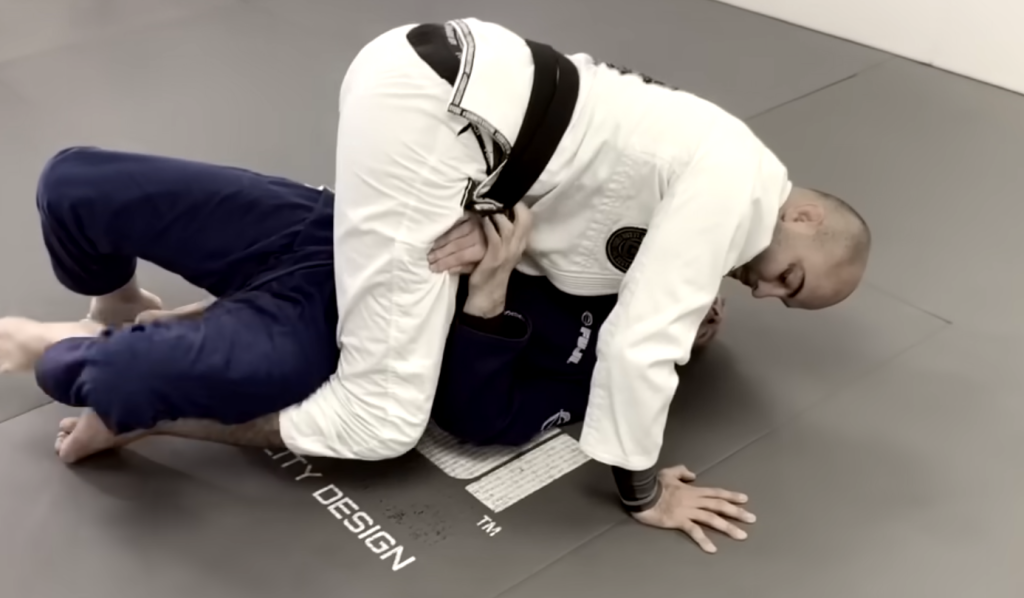
The At Will Test: This is the gold standard for promotion. If a fresh white belt or a peer mounts you, you shouldn’t feel stuck. You should have a clear, technical path to safety that you can execute even when you’re tired.
Final Thought: The Why Behind the Rank
Instructors promote students to blue belt when they are no longer a liability to themselves or their partners. If you can perform these six skills at will, you’ve proven that you have a functional foundation. You aren’t just doing moves, you’re grappling.
Don’t chase the belt, chase the ability to escape the mount of every white belt in the room. The belt will find you once you’re too technical to be held down.


