

July 10 marks the birthday of one of the most polarizing, iron-willed, and terrifyingly resilient figures ever to step inside a boxing ring, Giacobbe “Jake” LaMotta.
Known universally as “The Bronx Bull,” LaMotta’s life was an uncompromising storm of aggression, both inside the ropes and out. On what would have been his 104th birthday, we look back at the chaotic brilliance of the man who defined the word unbreakable.
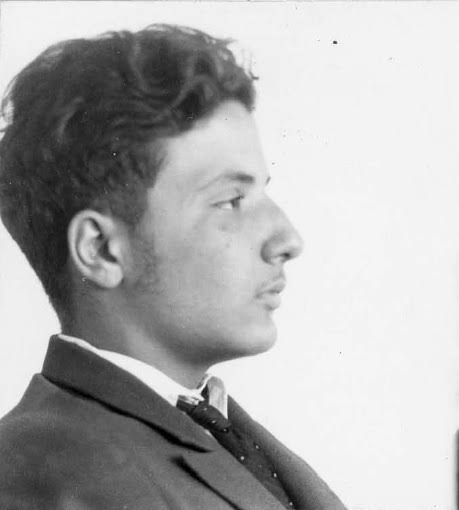
Early Life: Forged In The Streets Of New York
Born in Manhattan’s Lower East Side in 1922 before his family relocated to the Bronx, LaMotta’s introduction to fighting was a matter of survival and economy. Blessed with an explosive temper and raised in crushing poverty, a young Jake was encouraged by his father to fight other neighborhood kids to help earn money for the family’s rent.
This violent upbringing eventually caught up with him. Following a string of run-ins with the law, LaMotta was sent to a reform school in New York. It was behind those walls that he discovered a structured outlet for his relentless fury, competitive boxing.
Entrance Into The Pro Ranks
LaMotta turned professional in 1941 at just 19 years old. Denied entry into the military during World War II due to a severe hearing impairment, he dedicated himself fully to the sweet science, though his style was anything but sweet.
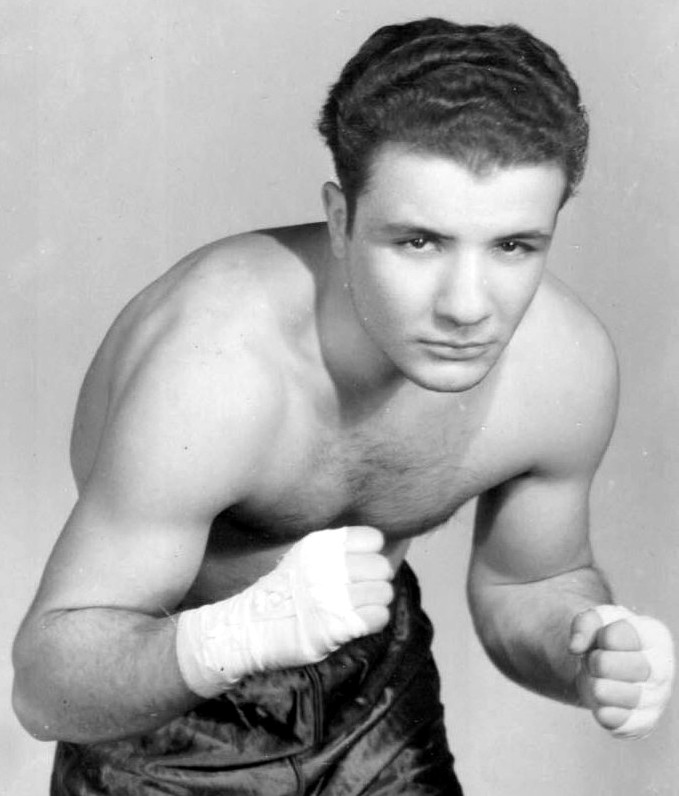
LaMotta was a textbook pressure fighter. Standing 5’8″, he lacked the fluid elegance of his contemporaries, but he compensated with a legendary chin, an inexhaustible gas tank, and a psychological refusal to back down. He would willingly absorb three punches just to land one devastating blow of his own, relentlessly stalking his prey until they withered under his pace.
Career Highlights: The Rivals And The Ring
LaMotta retired with a staggering professional record of 83 wins, 19 losses, and 4 draws, with 30 victories coming by way of knockout. His career was defined by legendary wars, political controversies, and an iconic rivalry.
The Six-Fight Saga With Sugar Ray Robinson
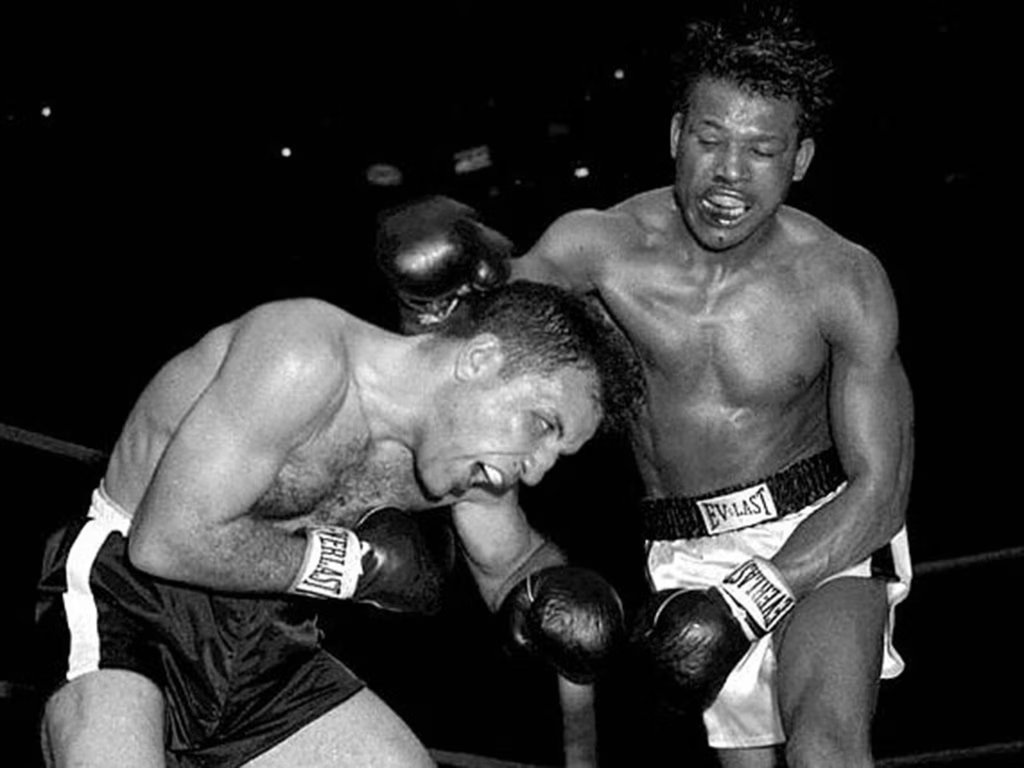
You cannot tell the story of Jake LaMotta without “Sugar” Ray Robinson. The two legends fought an astonishing six times.
- 1942 (First Fight): Robinson won by a close decision, but LaMotta shocked the world by dropping Sugar Ray in the first round.
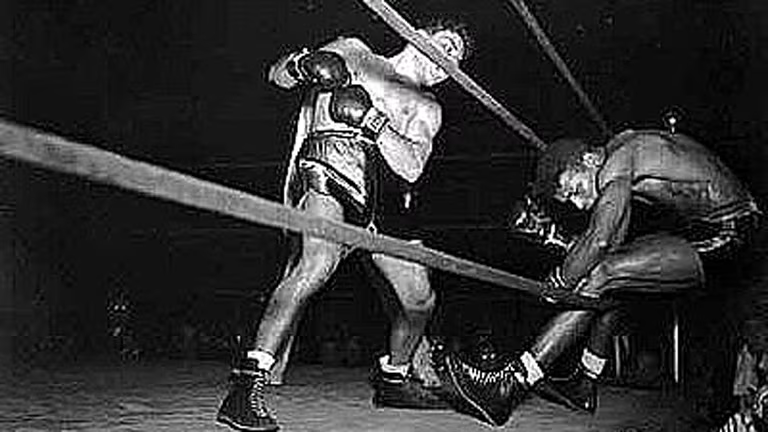
- 1943 (The Rematch): In one of the biggest upsets of the era, LaMotta knocked Robinson completely out of the ring in the 8th round, securing a decision victory and handing Robinson the first-ever loss of his legendary career.
- The Remainder: Robinson would win the next four bouts, but every single encounter was a grueling, blood-soaked war.
The Ultimate Sacrifice For The Title
Despite beating the best in the division, the criminal underworld that controlled boxing in the 1940s denied LaMotta a title shot. Desperate for his chance, LaMotta infamously agreed to throw a 1947 fight against Billy Fox in exchange for a guaranteed shot at the crown. It was a dark stain that LaMotta later admitted to openly under oath, testifying to the suffocating grip of the mob on the sport.
Becoming the World Champion
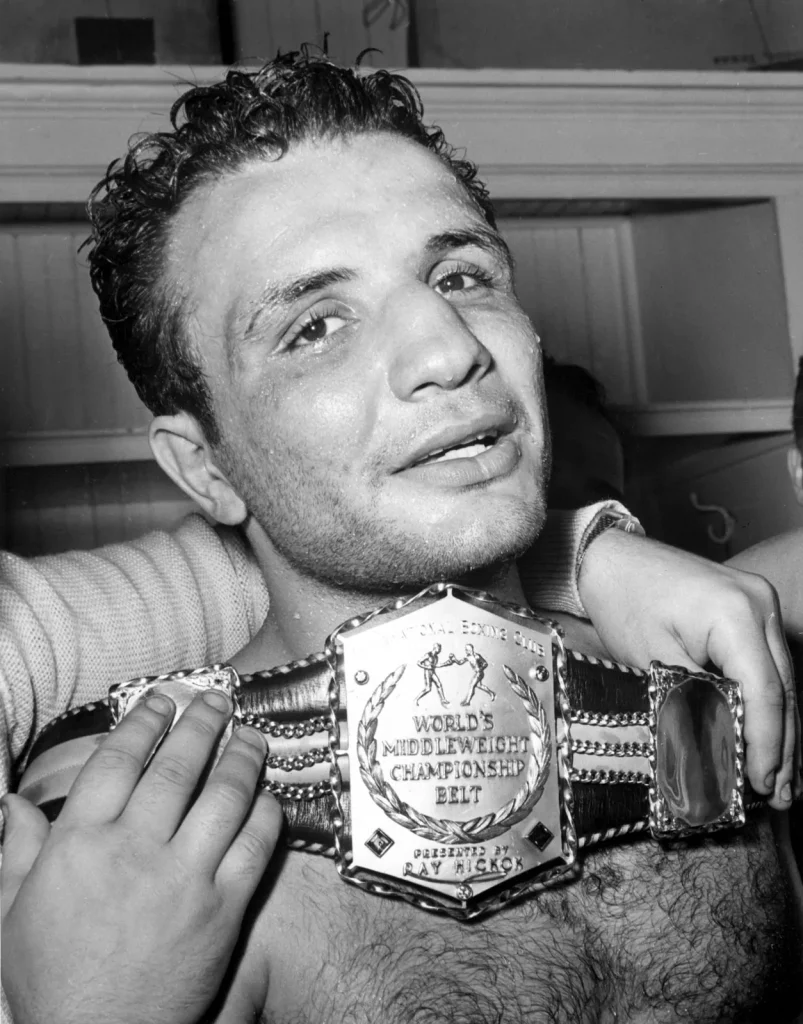
On June 16, 1949, LaMotta finally achieved his dream. He captured the World Middleweight Championship by defeating French icon Marcel Cerdan, who was forced to throw in the towel after suffering a shoulder injury.
LaMotta’s most dramatic title defense came in 1950 against Laurent Dauthuille. Trailing heavily on the judges’ scorecards and moments away from losing his belt, “The Bronx Bull” summoned a miraculous surge of power, knocking Dauthuille out with a mere 13 seconds left in the 15th and final round. It was justly named the 1950 Ring Magazine Fight of the Year.
The Saint Valentine’s Day Massacre
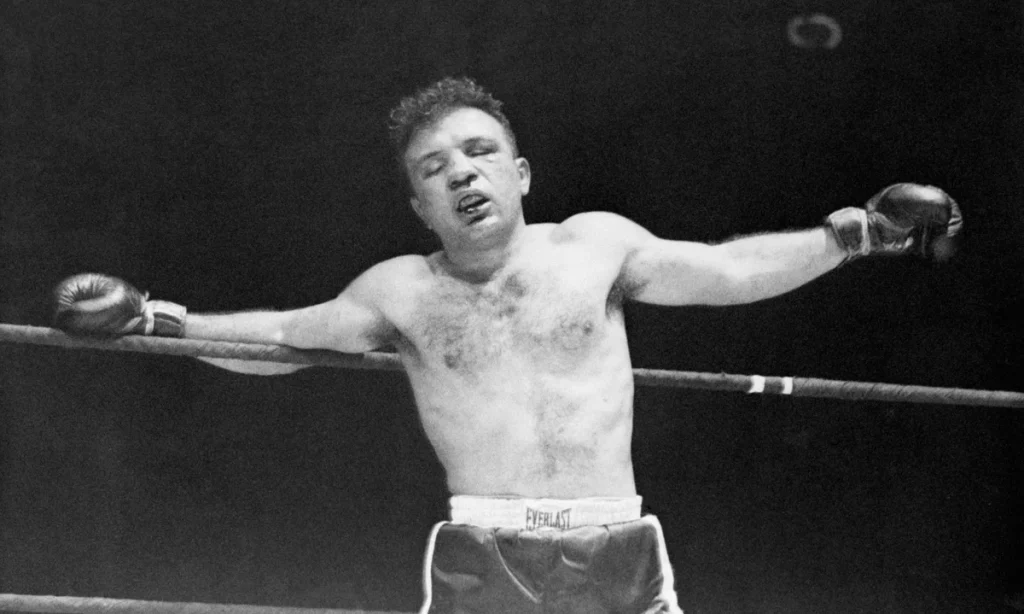
LaMotta’s championship reign came to a brutal end on February 14, 1951, in his sixth and final bout against Sugar Ray Robinson. In what became known as the Saint Valentine’s Day Massacre, Robinson battered a defenseless LaMotta for 13 rounds. Refusing to go down, a bloodied LaMotta leaned against the ropes, taking immense punishment until the referee stopped the fight.
Life After Retirement: From The Ring To Hollywood
LaMotta hung up his gloves for good in 1954, but his second act was just as turbulent and fascinating as his first. He operated bars, struggled heavily in his personal life with volatile relationships, and even spent time in prison.
However, LaMotta found a new calling in the entertainment world as a stand-up comedian, stage actor, and storyteller. In 1970, he published his raw, unfiltered autobiography, Raging Bull: My Story.
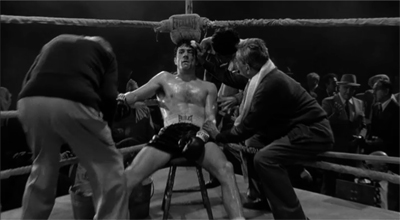
The book caught the eye of Hollywood, leading to Martin Scorsese’s 1980 masterpiece film adaptation, Raging Bull. Robert De Niro’s visceral, Oscar-winning portrayal of LaMotta introduced “The Bronx Bull” to a whole new generation, cementing his legacy not just in boxing lore, but in American pop culture.
In 1990, LaMotta received his ultimate boxing honor, being inducted into the International Boxing Hall of Fame.
The Enduring Legacy
Jake LaMotta ultimately passed away in September 2017 at the age of 95. He outlived almost all of his contemporaries, a poetic final testament to the man whose greatest attribute was his refusal to be knocked down.
On his birthday, combat sports fans remember him not as a flawless technician, but as the raw epitome of fighting spirit. He was an imperfect man who found perfection in the crucible of the ring, leaving behind an indelible mark on the history of boxing.


