

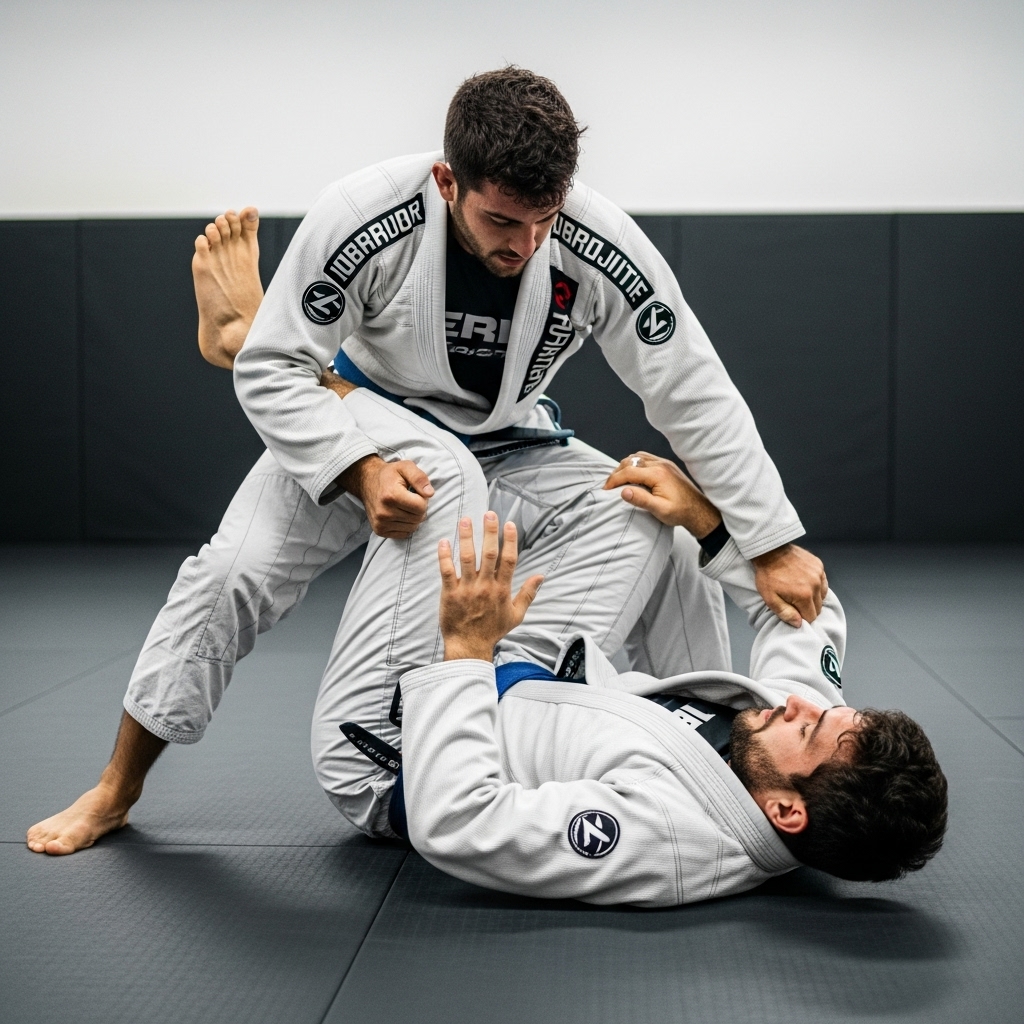
In jiu-jitsu, we often talk about control, leverage, and connection. But two concepts that are fundamental to truly dominating an opponent, particularly as you progress beyond the basics, are opposite control and the intelligent application of pressure. These aren’t just advanced techniques; they’re principles that, once understood, elevate every position and submission in your arsenal.
What Is Opposite Control?
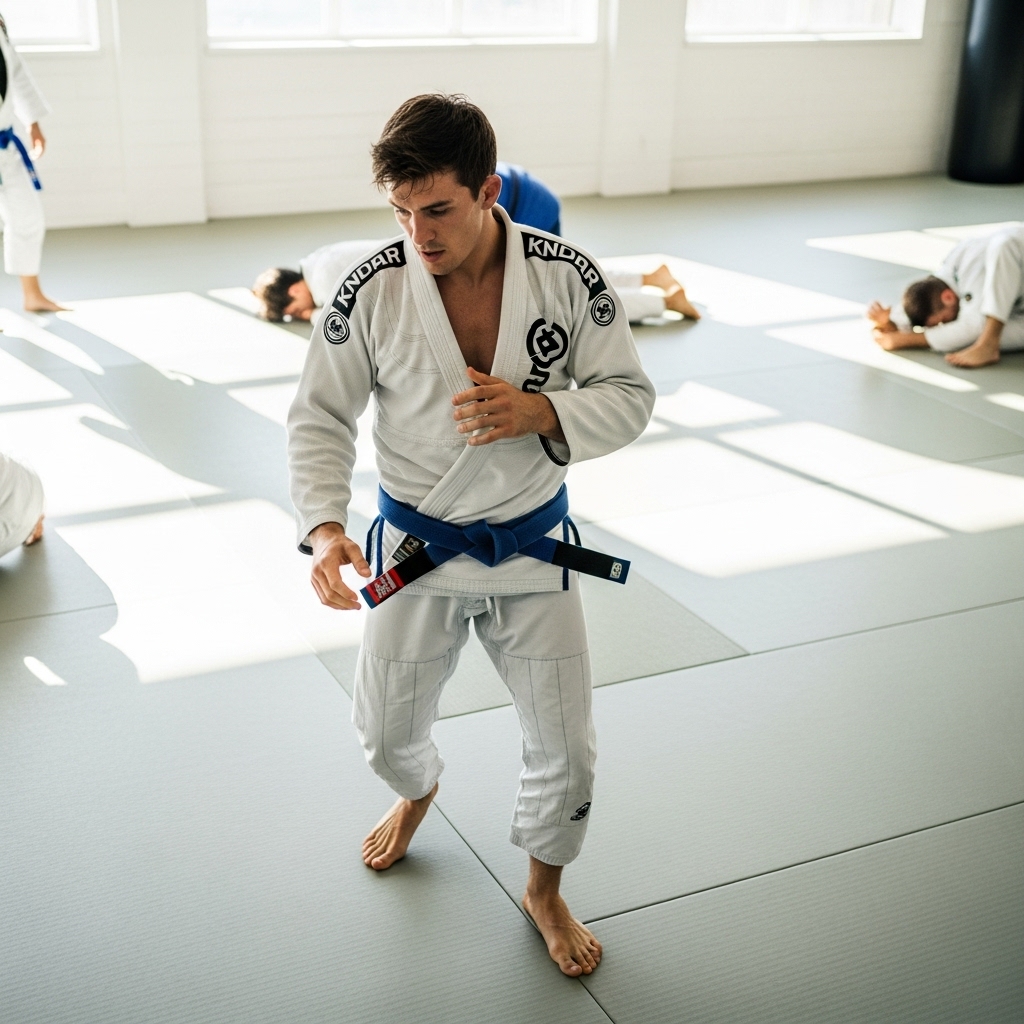
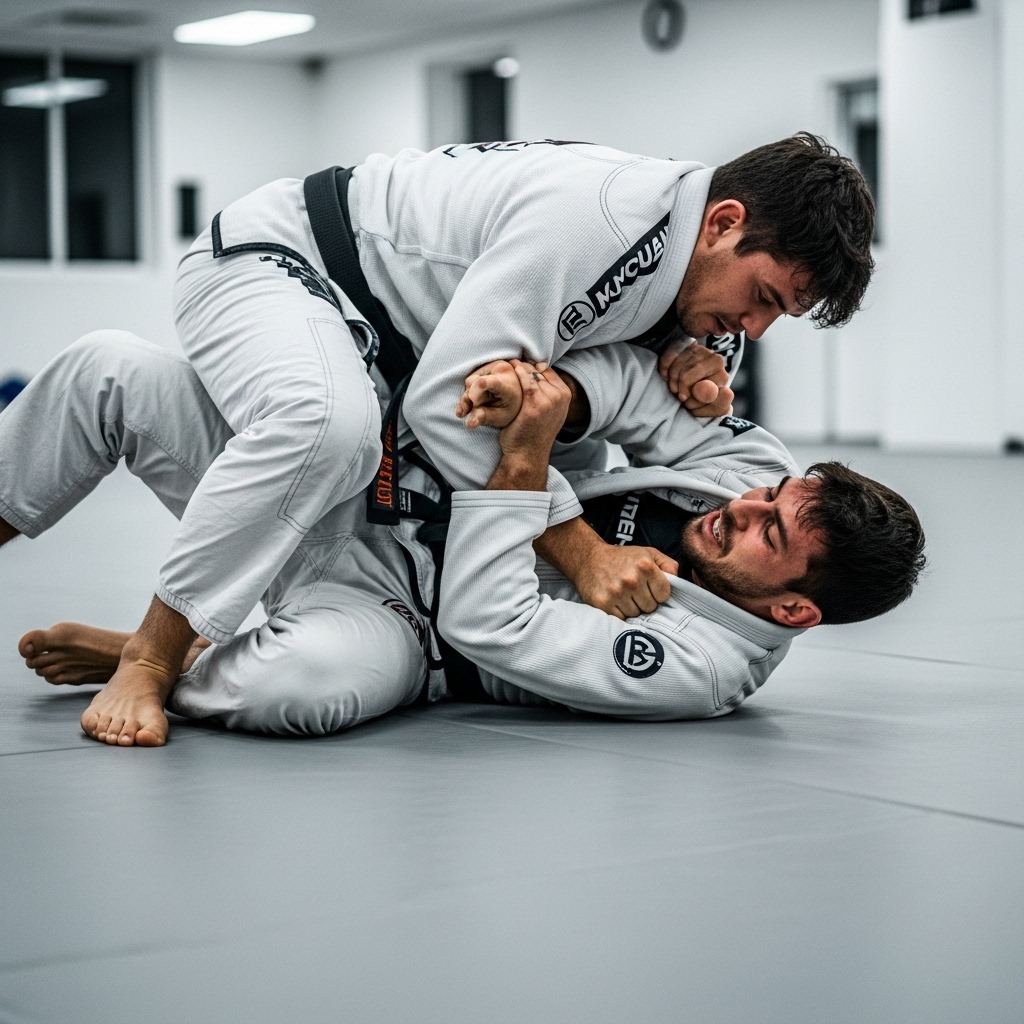
Simply put, opposite control is the act of controlling one side of your opponent’s body to influence or restrict the other side. Think of it as creating a fulcrum point. If you want to move their hips, you might control their head. If you want to open their arm, you might control their opposing hip or leg.
The beauty of opposite control lies in its efficiency. Instead of trying to directly force a limb or an entire body part into submission, you manipulate a distant point to create the desired reaction. This forces your opponent to choose which side to defend, often leaving an opening on the opposite side.
Examples In Practice:
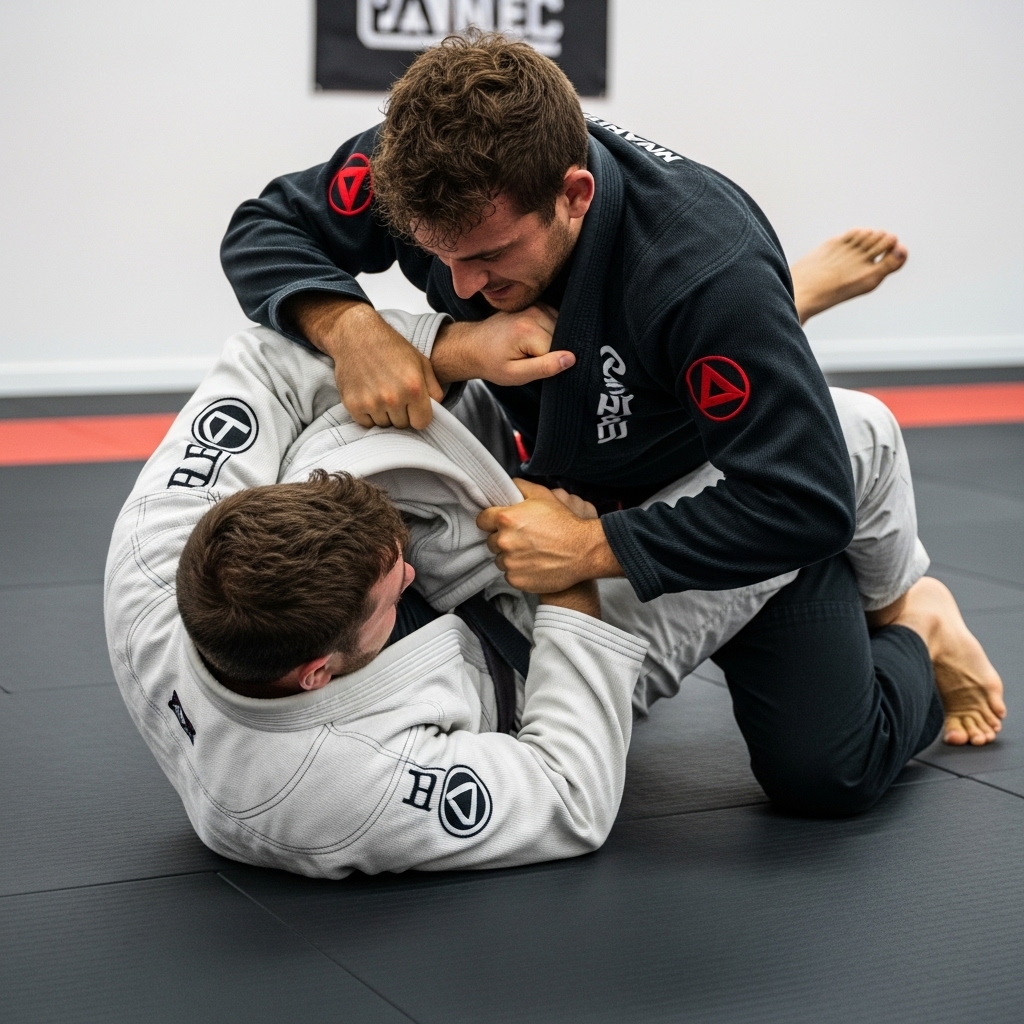
Passing Guard: When passing a seated guard, controlling one of your opponent’s ankles or knees (e.g., their right leg) while simultaneously driving your weight or establishing a grip on their opposite shoulder (their left shoulder) is a classic example. This makes it incredibly difficult for them to retain guard on either side.
Mount: From mount, a common mistake is to simply sit on your opponent. True opposite control involves pinning one of their arms (say, their right arm) while simultaneously driving your hips and chest across their opposing shoulder (their left side). This renders both of their arms relatively useless for escape or defense.
Back Control: To prevent an opponent from turning into you or escaping, you might use a seatbelt grip where one arm goes over their shoulder and the other under their armpit. The over-the-shoulder arm controls one side of their upper body, while the under-the-armpit arm on the opposite side allows you to pull and rotate their torso, preventing their escape.
The Nuance Of Pressure
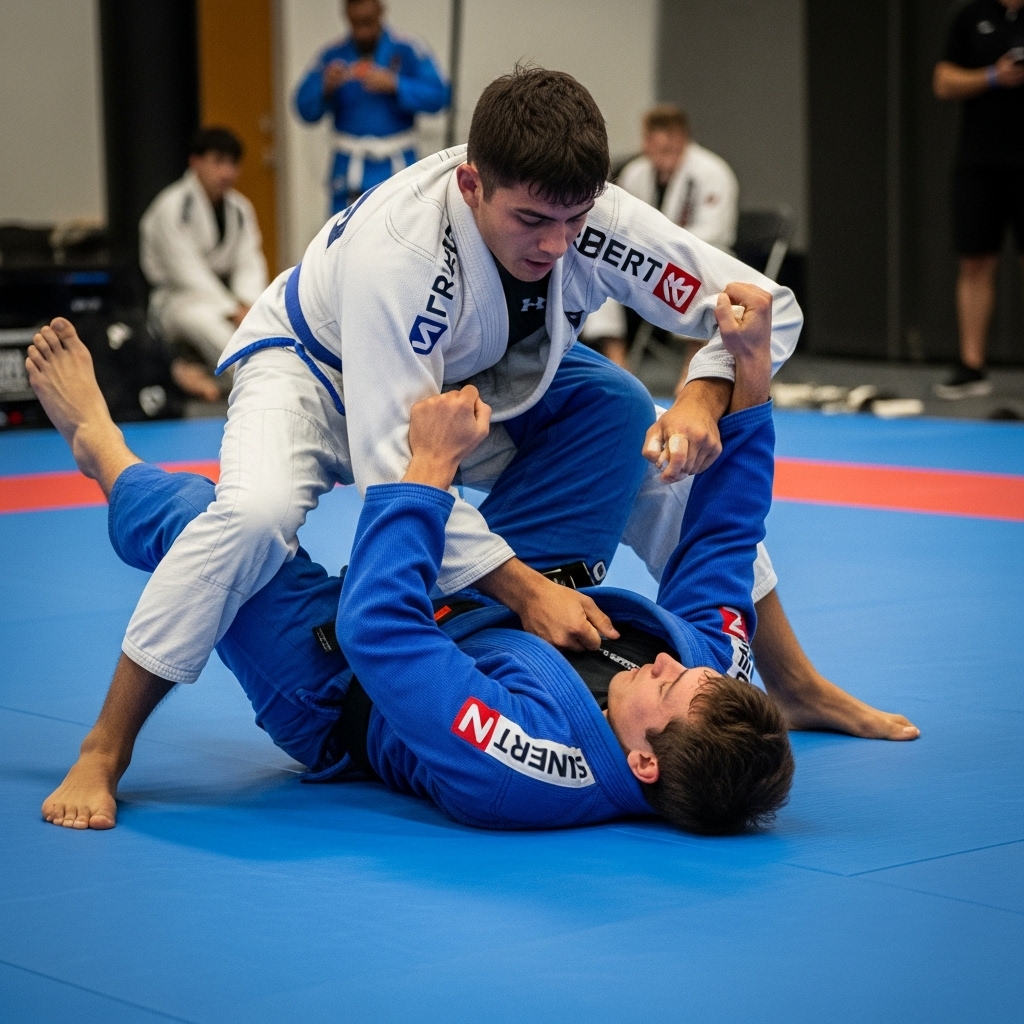
Pressure in jiu-jitsu isn’t just about being heavy. It’s about applying your weight and force in a strategic, directed, and consistent manner to make your opponent uncomfortable, limit their movement, and ultimately, drain their will to resist. Effective pressure is often more about leverage and body mechanics than raw strength.
There are different types of pressure, and mastering them involves understanding when and how to apply each:
Downward Pressure: This is the most common form, used to pin an opponent to the mat. From side control or mount, you use your hips, chest, and sometimes even your head to distribute your weight effectively. The goal isn’t just to be heavy, but to funnel your weight through specific points (like the sternum, diaphragm, or hips) to constrict breathing or movement.
Forward/Backward Pressure: Often seen in guard passing, this involves driving into or pulling away from your opponent to break their posture or create space. Think about pushing into your opponent’s hips to flatten them out, or pulling their head to break their posture in a closed guard.
Rotational Pressure: This is more subtle but incredibly effective. By twisting your body or applying pressure at an angle, you can disrupt your opponent’s balance and alignment. Consider the rotational pressure applied in a good knee-on-belly, where your knee is not just heavy but also twisting into their solar plexus or ribs.
Constant Pressure: Perhaps the most taxing for your opponent. This isn’t about bursts of strength, but about maintaining relentless, consistent pressure throughout a scramble or a positional hold. It’s the slow, steady drain that exhausts your opponent’s strength and mental fortitude.
The Interplay: How They Work Together
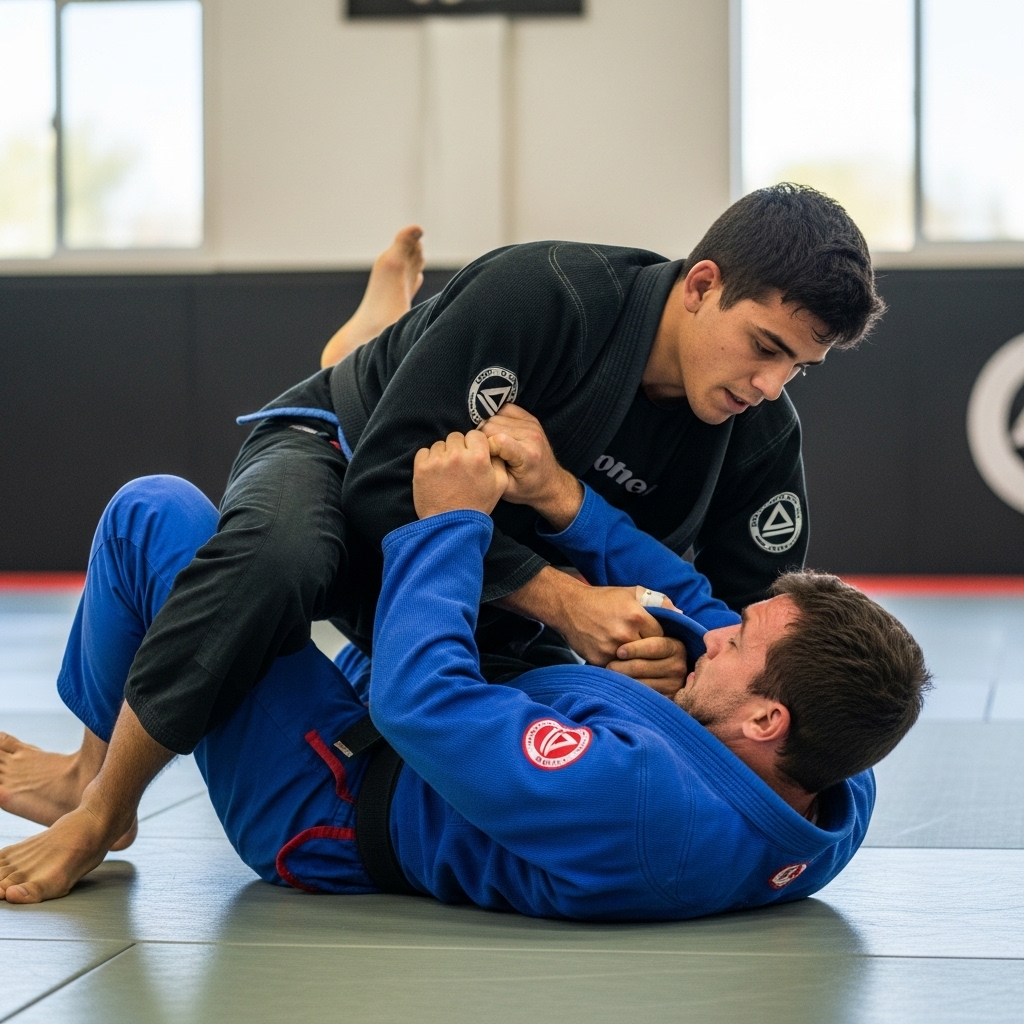
Opposite control and pressure are two sides of the same coin. Opposite control creates the structure and opportunity for pressure, while pressure amplifies the effectiveness of your opposite control.
For instance, if you’re attempting to pass guard, you might use opposite control to grip one of their ankles and drive your shoulder into their opposite hip. This isolates their legs. Then, you layer on downward pressure with your chest and hips, and rotational pressure by turning your body slightly, to make it unbearable for them to maintain their guard. The opposite control sets the stage; the pressure seals the deal.
Training To Master These Concepts
Drill With Intent: Don’t just go through the motions. When practicing positions, actively think about which points you are controlling on your opponent and how that affects their ability to move. Experiment with different pressure points.
Feel The Reaction: Pay close attention to how your opponent reacts to your control and pressure. Are they pushing back? Trying to escape a specific limb? Their reactions will tell you where your control is weak or where you can apply more targeted pressure.
Use Live Rolling As An Experiment: During rolls, make it a goal to focus on one of these concepts. For example, dedicate a round to only trying to establish strong opposite control from various positions.
Ask Questions: Don’t hesitate to ask your instructor or more experienced training partners for feedback on your pressure and control. Often, small adjustments in your body mechanics can make a huge difference.
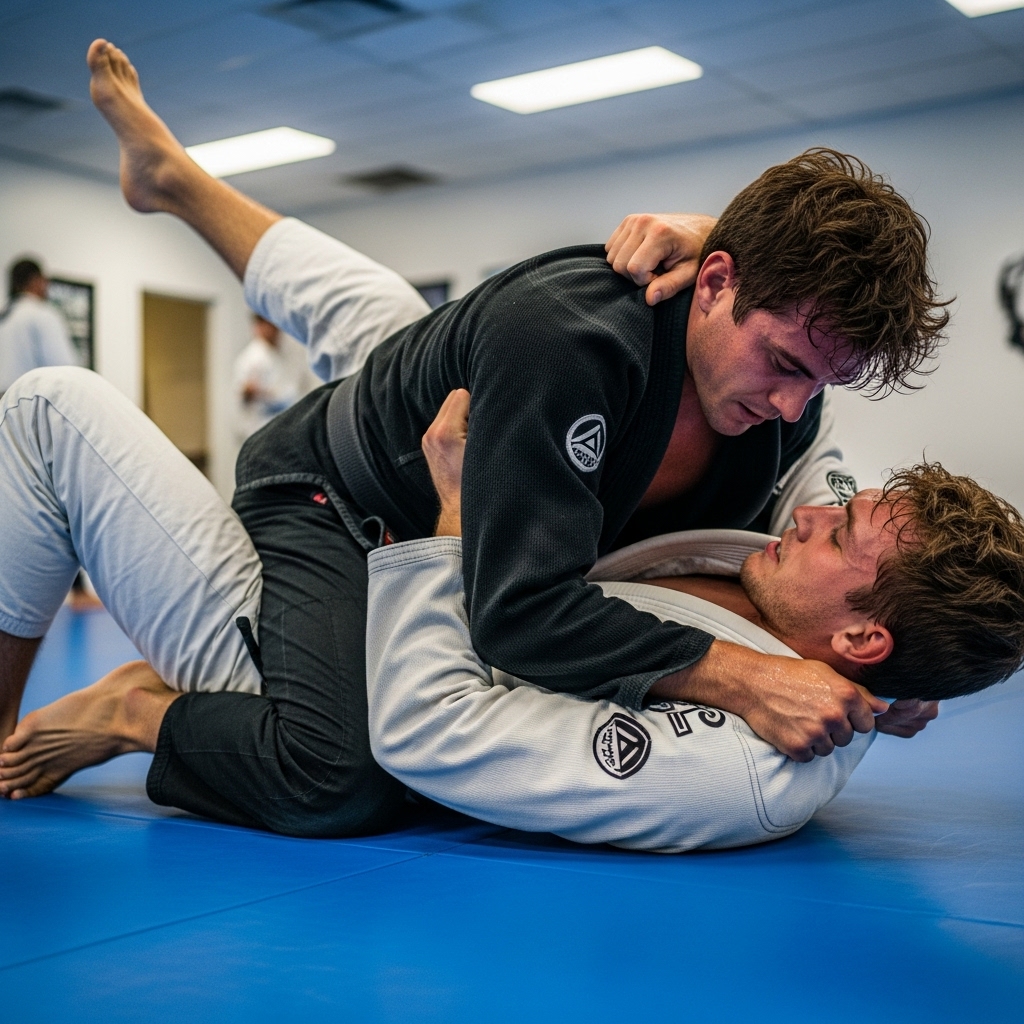
Mastering opposite control and pressure transforms your jiu-jitsu from a collection of techniques into a cohesive, strategic art form. By understanding how to control one part of your opponent to influence another, and by applying intelligent, directed pressure, you’ll find yourself not just submitting opponents, but truly dominating them.


