


The International Brazilian Jiu-Jitsu Federation (IBJJF) is often criticized for its strict, sometimes bureaucratic rulebook. However, at the core of these restrictions is a singular over-arching point, athlete longevity. While Brazilian Jiujitsu is a combat sport designed to simulate “killing” an opponent, the IBJJF ruleset is designed to ensure you can go to work on Monday morning.
Some techniques are banned because they bypass the body’s natural “pain-to-damage” ratio, while others are excluded because the margin for error leads to life-altering injuries. Here is our ranking of the top 6 illegal submissions in the IBJJF, ranked by their perceived danger to the human body.
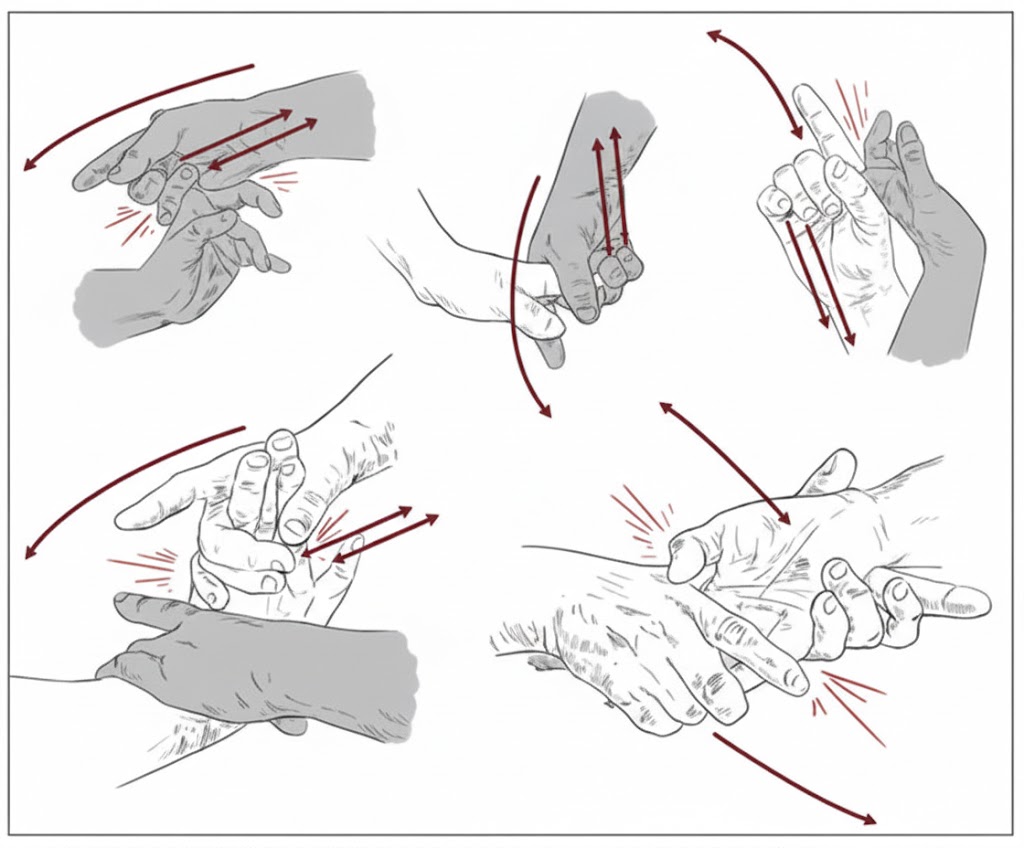
6. Small Joint Manipulation (Fingers and Toes)
The Rule: Grabbing fewer than four fingers or three toes is a serious foul across all belt levels.
While not necessarily “life-threatening,” small joint manipulation is banned because of the extreme fragility of the digits. In a high-adrenaline scramble, it takes very little force to snap a distal phalanx or tear the delicate ligaments of the knuckles.
The Danger: Fingers are essential for almost every occupation and daily task. Because they break almost instantly with minimal leverage, they offer no “window” for a controlled tap, making them more of a “dirty trick” than a technical submission.
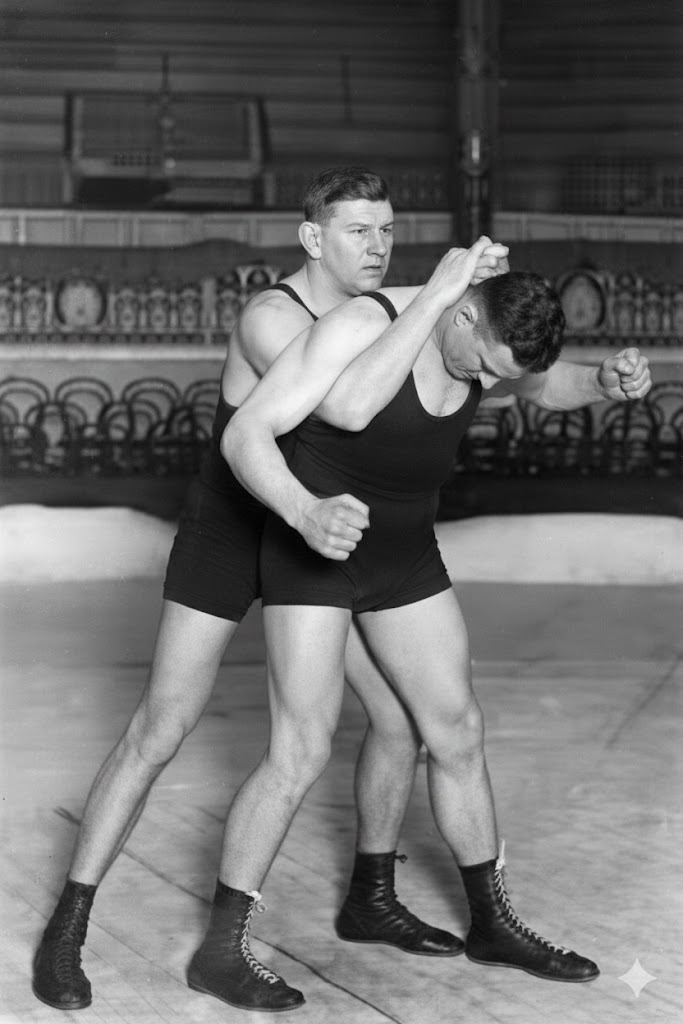
5. The Full Nelson
The Rule: Any submission that applies pressure to the spine by pulling the head forward while the arms are trapped under the armpits is strictly prohibited.
The Full Nelson is a staple of professional wrestling, but in a real grappling context, it is a high-leverage spinal lock. By using the legs or a sitting position to trap the opponent while wrenching the neck forward, the attacker creates a “nutcracker” effect on the cervical vertebrae.
The Danger: Beyond the spinal pressure, the Full Nelson can restrict the trachea and carotid arteries, but the primary concern is disc herniation. Unlike a “choke,” where you can go to sleep and wake up fine, a neck injury from a Nelson can be permanent.
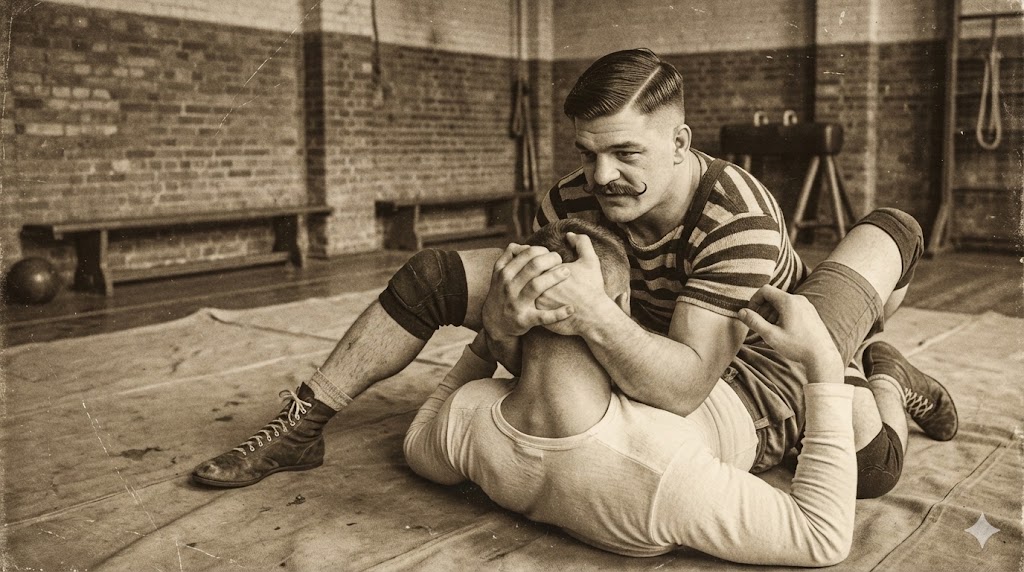
4. The “Can Opener” (Cervical Crank From Guard)
The Rule: Pulling the head toward the chest while the opponent is in your closed guard.
Popularized in the early days of MMA, the Can Opener is a “thug” move often used to force an opponent to open their guard. In the IBJJF, any submission that targets the cervical spine without a simultaneous choke (like a Guillotine) is a DQ-worthy offense.
The Danger: The “Can Opener” puts immense pressure on the C-spine. If the person on the bottom has a “strong” guard and refuses to open, their neck becomes the point of failure. It can lead to severe nerve damage and “stinger” symptoms.
3. Kani Basami (The Scissor Takedown)
The Rule: While technically a takedown, the IBJJF classifies this as a prohibited technique because it is an “entry” that functions as a high-impact submission on the knee.
Kani Basami involves jumping and scissoring your legs around an opponent’s waist and knees to bring them to the ground. It is one of the most feared moves in all of grappling(when done poorly or by an inexperienced grappler).
The Danger: This move can be “career ender.” If the opponent’s foot is planted when the “scissors” close, their knee has nowhere to go but sideways. This frequently results in a “Unhappy Triad”, a simultaneous tear of the ACL, MCL, and meniscus.
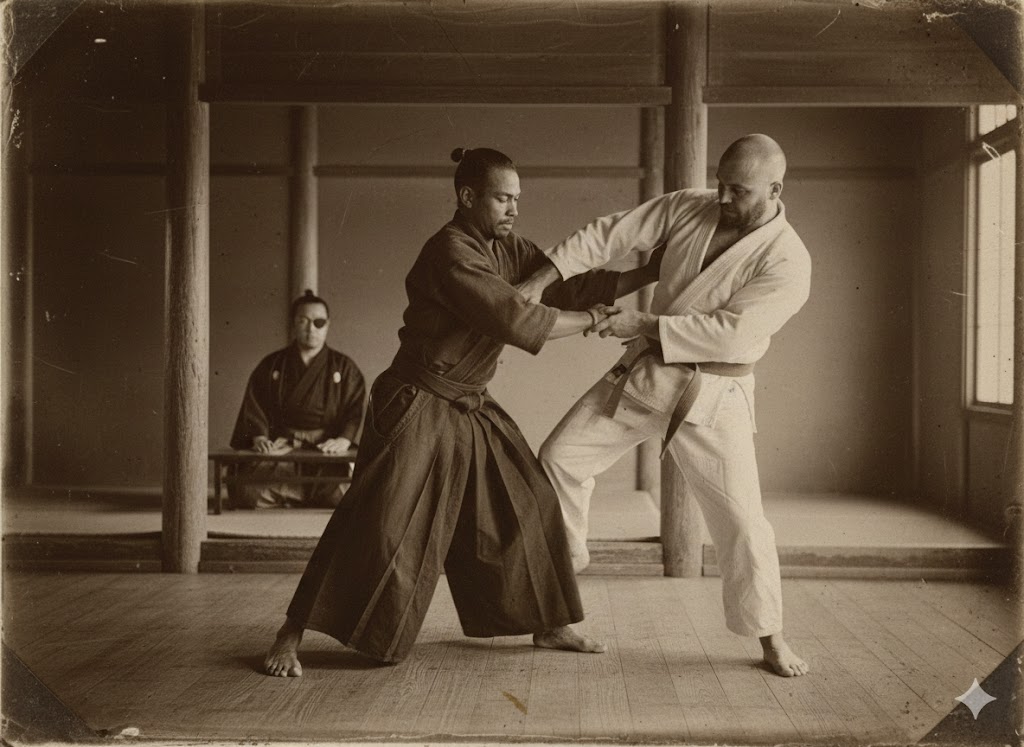
2. The Heel Hook (In the Gi)
The Rule: Since 2021, heel hooks are legal for Brown and Black belt adults in nogi only. However, they remain 100% illegal in all gi divisions.
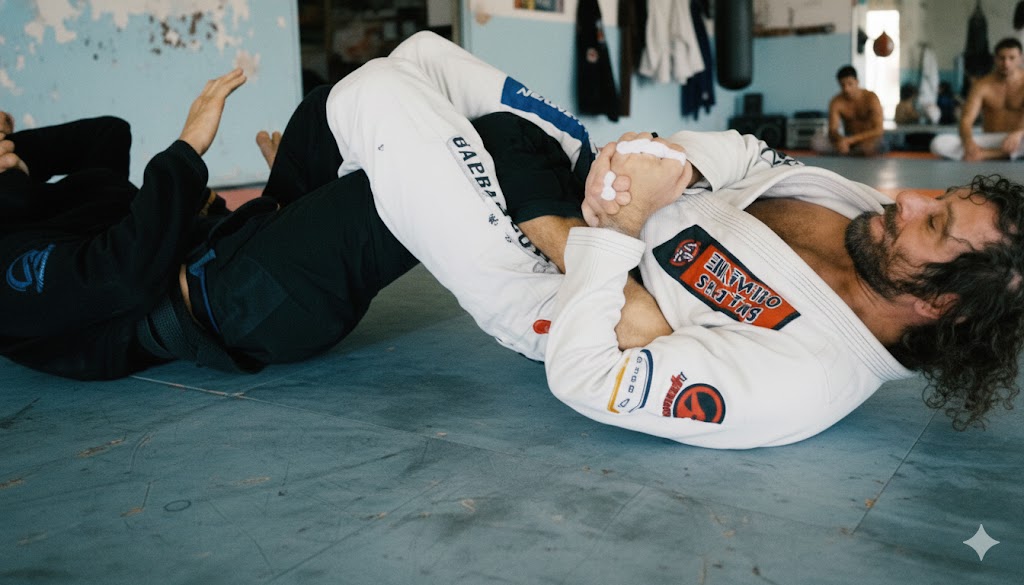
The heel hook is perhaps the most famous “forbidden” move. In the gi, the friction of the fabric makes the heel hook significantly more dangerous because it is much harder to “slip” the heel or rotate out of the entanglement to relieve pressure.
The Danger: The heel hook targets the ligaments of the knee (ACL/LCL/MCL) through rotational force. The “perceived danger” is high because ligaments have no pain receptors. Often a practitioner won’t feel “pain” until the ligament has already snapped. In the gi, that “pop” happens even faster due to the lack of sweat and the grip of the cotton pants.
1. The Cervical Crank (Pure Neck Crank)
The Rule: Any technique that uses leverage to twist, bend, or stretch the neck is a “Serious Foul” and an immediate disqualification.
Whether it’s an “Ebi Jime” (from side control) or a twisting neck crank from the back, these moves are the apex of danger in BJJ. While the IBJJF allows “chokes” that may incidentally pressure the neck, any move where the primary goal is to manipulate the spine is the ultimate “No-Go.”
The Danger: Paralysis. The cervical spine protects the spinal cord. A high-velocity crank or a slow, heavy “grind” on the neck can cause vertebrae to slip or fracture. Unlike an armbar, which breaks a limb you can live without, a neck crank targets the central nervous system. It is the most restricted move for a reason, the risk-to-reward ratio is simply too high for a sport.
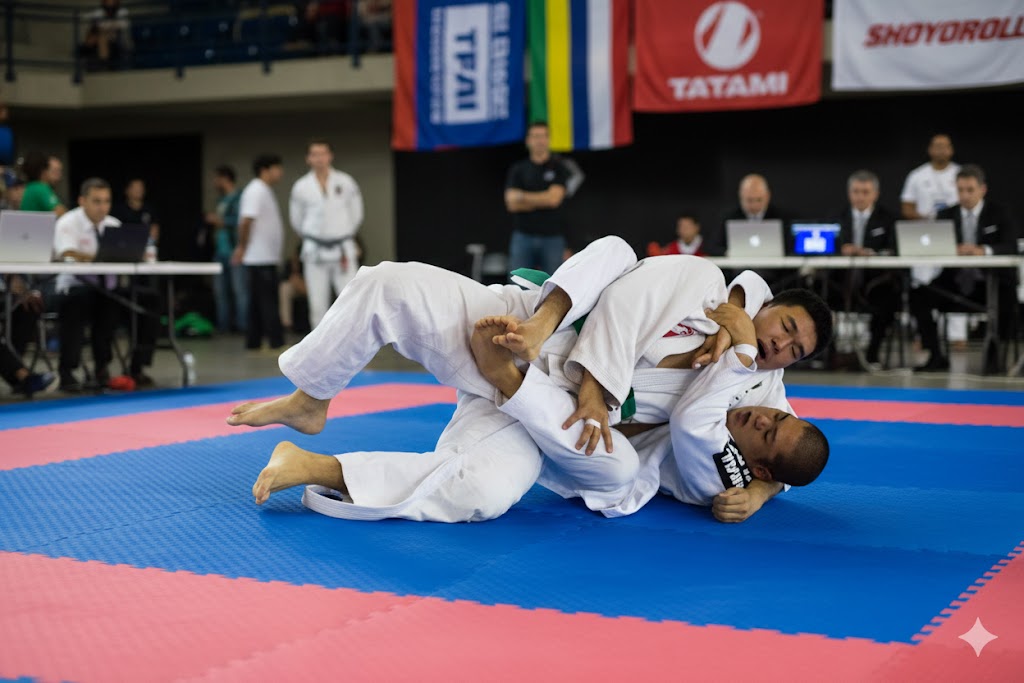
Ultimately, the prohibition of these six techniques is not an attempt to stifle the effectiveness of Brazilian Jiujitsu, but a measure to ensure its longevity as a sustainable practice. BJJ earned its reputation as the “gentle art” because it allows practitioners to spar at full intensity while relying on the safety of the “tap.” However, as these moves demonstrate, when the window for a controlled submission is replaced by instantaneous injury or permanent spinal damage, the sport shifts from a technical pursuit to a dangerous gamble. By respecting these boundaries, we prioritize the safety of our training partners and honor the technical depth of the art. Whether you are a competitor or a hobbyist, the goal remains the same, to master the intricacies of the human body without destroying it (unless you want to, no judgement here!), ensuring that every student can return to the mats for a lifetime of training.


