

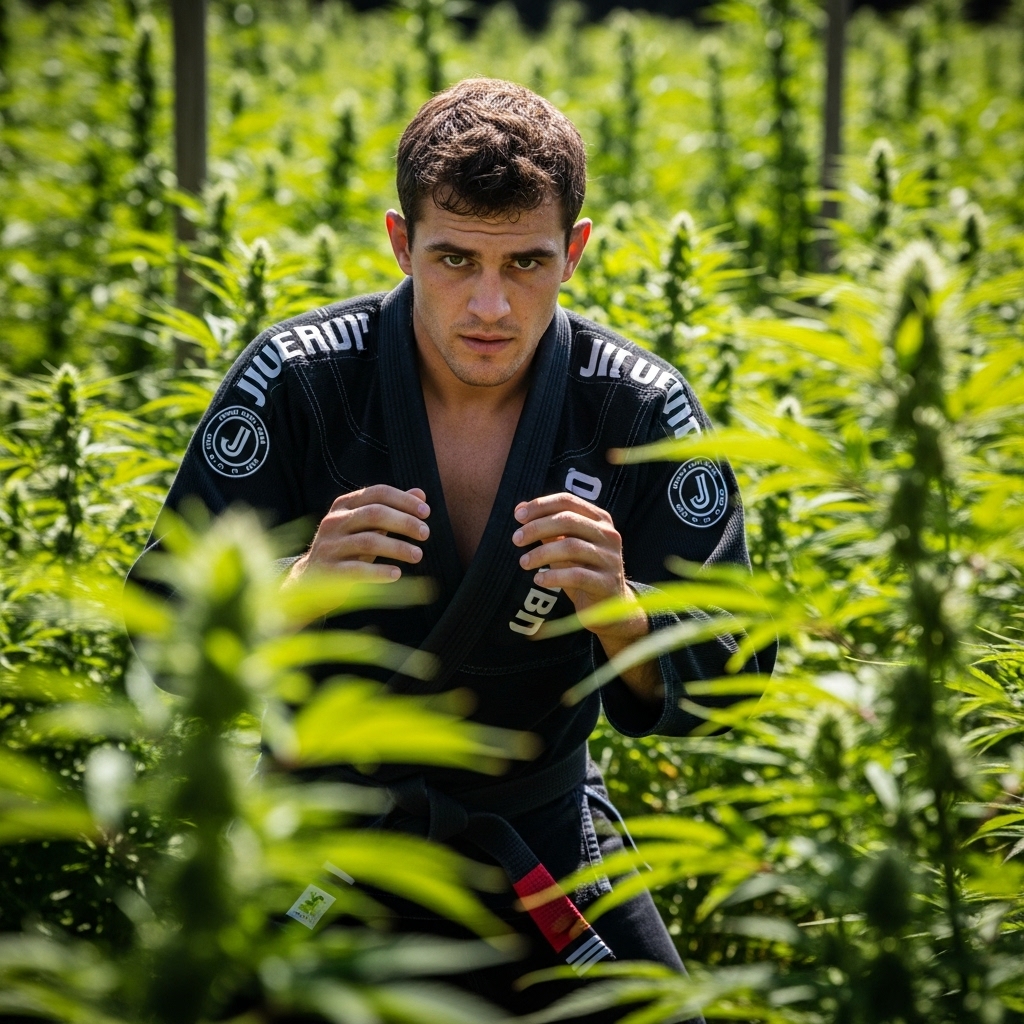
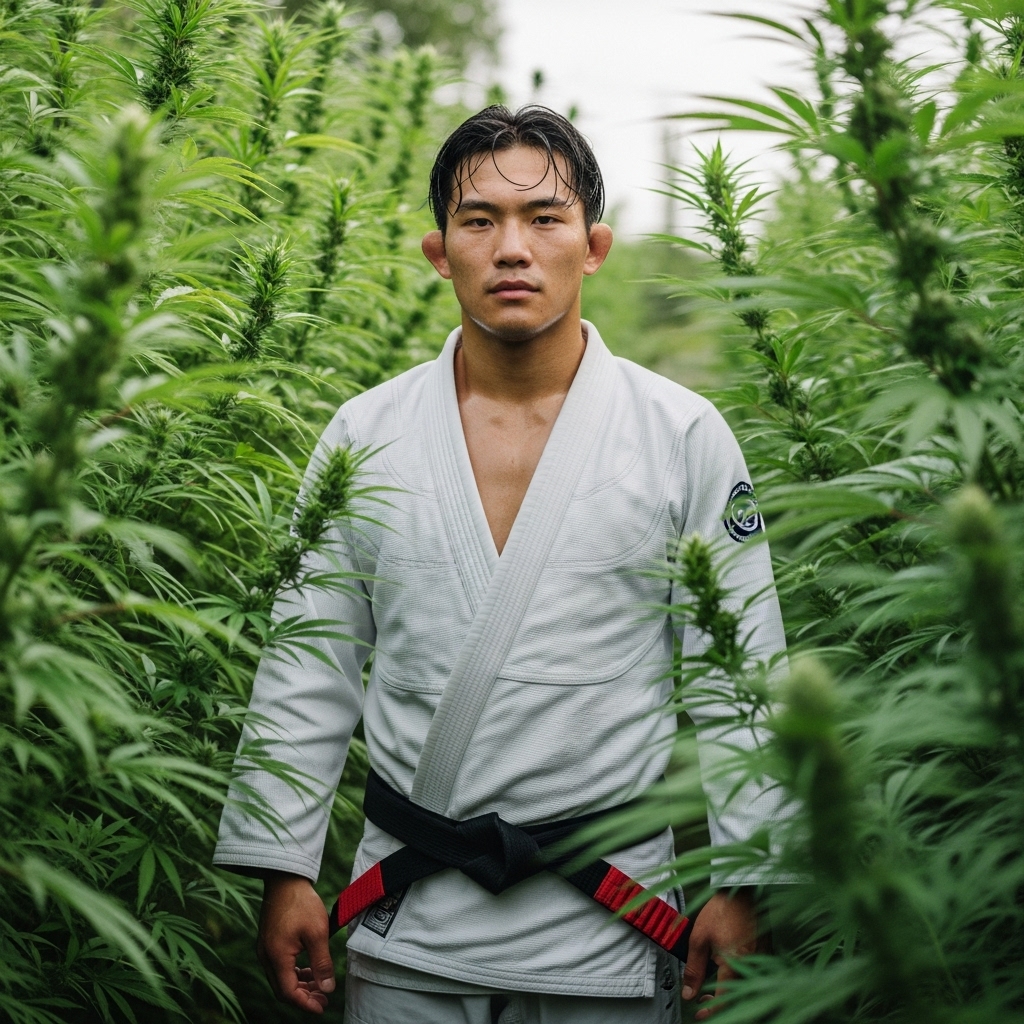
Cannabis use among athletes is a topic gaining increasing attention, and the world of Brazilian Jiu-Jitsu (BJJ) is no exception. As more regions legalize cannabis, BJJ practitioners are exploring it’s potential effects on their training, recovery, and overall well-being. This article delves into the various risks and benefits associated with cannabis use for jiujitsu athletes, offering a balanced perspective on this evolving discussion.
The Jiu-Jitsu Athlete And Cannabis: Risks And Benefits
Brazilian Jiu-Jitsu demands a unique blend of physical prowess, mental acuity, and strategic thinking. Athletes are constantly pushing their bodies to the limit, dealing with intense physical exertion, the demands of learning complex techniques, and the mental pressure of competition. In this environment, the potential role of cannabis often sparks curiosity.

Potential Benefits:
For some jiujitsu athletes, cannabis may offer several perceived benefits that could aid their training and recovery:
Pain Management: Jiu-Jitsu is a high-impact sport that can lead to various aches, pains, and even chronic injuries. Cannabis, particularly strains high in CBD (cannabidiol), is widely recognized for its analgesic and anti-inflammatory properties. For athletes, this could translate to reduced post-training soreness and better management of chronic discomfort, potentially allowing for more consistent training.
Improved Sleep: Quality sleep is paramount for athletic recovery. THC (tetrahydrocannabinol), the psychoactive compound in cannabis, is known to have sedative effects. Some athletes report that cannabis helps them fall asleep faster and achieve a deeper, more restful sleep, which can significantly enhance muscle repair and overall recovery.
Anxiety Reduction And Focus: The mental aspect of jiujitsu is crucial. Pre-competition nerves, training plateaus, or the pressure to perform can lead to anxiety. Certain cannabis strains, especially those with balanced CBD/THC profiles or higher CBD content, are reported to help reduce anxiety and promote a sense of calm. For some, this could translate to improved focus during drilling or a more relaxed approach to sparring.
Enhanced Recovery (Anecdotal): While research is still emerging, some athletes anecdotally report that cannabis helps them “unwind” and relax after intense training sessions, aiding in both physical and mental recovery. This could be linked to its pain-relieving and sleep-promoting effects.
Potential Risks And Considerations:
Despite the perceived benefits, it’s crucial for jiujitsu athletes to be aware of the potential risks and drawbacks associated with cannabis use:
Impaired Performance (Acute): THC can impair motor skills, reaction time, and cognitive function. Consuming cannabis before or during training/competition can negatively impact coordination, decision-making, and overall performance, increasing the risk of injury. The “couch-lock” effect of some strains is clearly antithetical to the demands of active grappling.
Respiratory Issues: For athletes who smoke cannabis, regular inhalation of combusted materials can irritate the respiratory system, potentially leading to issues like bronchitis or reduced lung capacity. This could directly impact cardiovascular endurance, a vital component of jiujitsu.
Cognitive Impairment (Long-term): While research is ongoing, chronic and heavy cannabis use, particularly during formative years, has been linked to potential long-term cognitive deficits, including issues with memory and attention. This could impact an athlete’s ability to learn and retain complex techniques.
Tolerance And Dependence: Regular cannabis use can lead to tolerance, requiring higher doses to achieve the same effects. Psychological dependence can also develop, where an athlete feels they need cannabis to train, recover, or manage stress, potentially leading to unhealthy reliance.
Legal And Anti-Doping Regulations: This is a significant concern for competitive athletes. While cannabis is legal in some regions, it remains a prohibited substance under many sports anti-doping codes, including those governed by the World Anti-Doping Agency (WADA). Athletes competing under such regulations risk sanctions, disqualification, and reputational damage if they test positive. It is imperative for athletes to be fully aware of the specific rules and regulations of their governing bodies.
Individual Variability: The effects of cannabis can vary significantly from person to person based on factors like genetics, metabolism, frequency of use, and the specific strain and dosage. What might be beneficial for one athlete could be detrimental to another.
Lack of Standardized Research: While anecdotal evidence is prevalent, comprehensive, long-term scientific research specifically on cannabis use in jiujitsu athletes is still limited. More studies are needed to fully understand the long-term effects on performance, recovery, and overall health in this specific athletic population.
Prioritize Safety And Performance: Never train or compete under the influence of cannabis if it impairs your motor skills or judgment.
Understand Legal And Anti-Doping Rules: Be fully aware of and comply with the regulations of your gym, federation, and any anti-doping agencies you may fall under.
Start Low, Go Slow: If experimenting, begin with very low doses and observe the effects carefully.
Consult With Professionals: Discuss your cannabis use with healthcare providers and coaches to understand potential interactions with medications, underlying health conditions, and its impact on your training regimen.
Consider Alternatives: Explore other proven methods for pain management, sleep improvement, and anxiety reduction, such as proper nutrition, hydration, stretching, meditation, and sports psychology.
Ultimately, a jiujitsu athlete’s primary focus should remain on optimizing their performance, recovery, and long-term health. The role of cannabis in achieving these goals is still being understood, and a cautious, informed, and individualized approach is paramount.
Conclusion: An Individualized Approach
The decision to use cannabis as a jiujitsu athlete is a personal one, and it’s not without it’s complexities. While some athletes may find it beneficial for pain management, sleep, and anxiety reduction, the potential risks to performance, respiratory health, cognitive function, and competitive eligibility cannot be ignored.
So what do you say? What’s your experience been with cannabis use and rolling? Let us know down in the comments! And, as always, thank you for grappling!


