

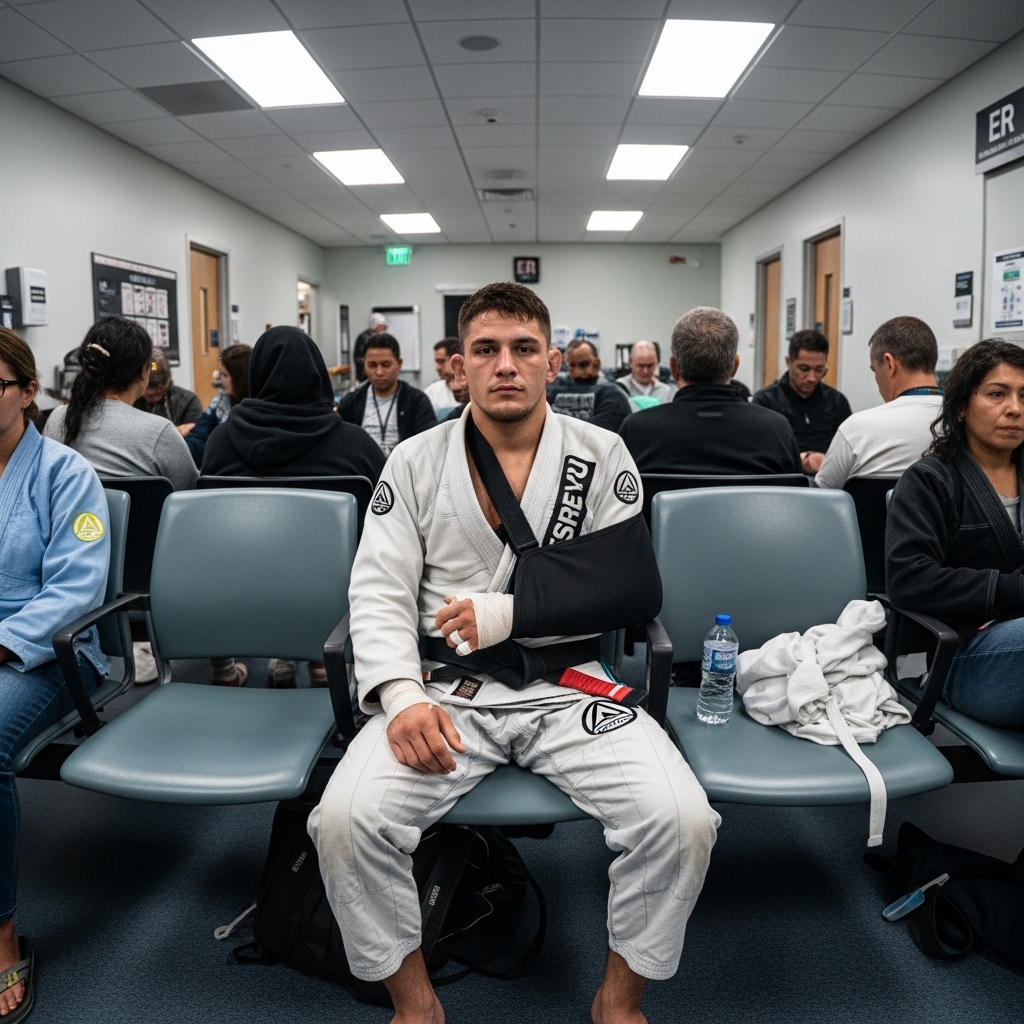
Jiu-jitsu, a sport known for its intense physicality and intricate movements, inevitably comes with its share of bumps, bruises, and the occasional more serious injury. While it’s tempting to push through every ache and pain, knowing the difference between a minor setback and a significant injury is crucial for long-term health and progress on the mats. This article provides guidance (but not that of a medical professional) on how to navigate the delicate balance of training through lighter injuries and recognizing when it’s time to take a step back.
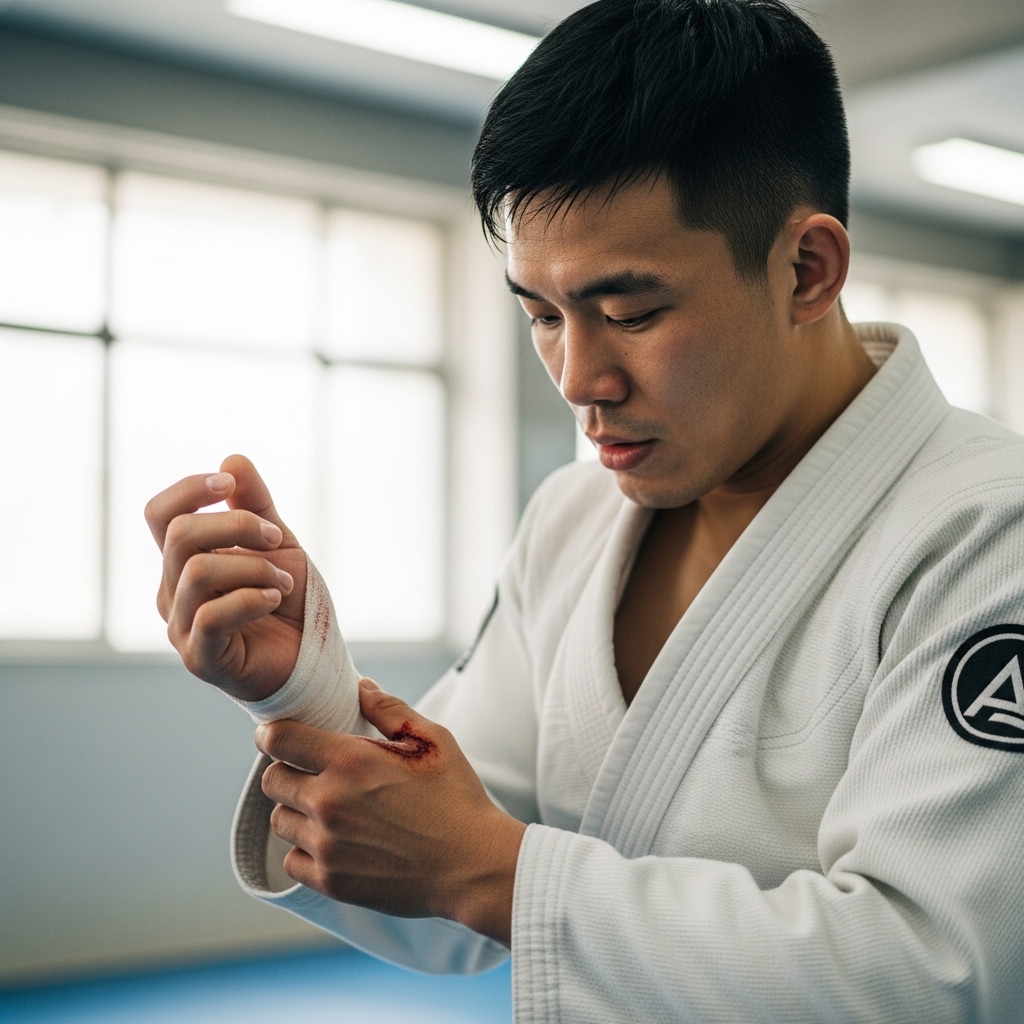
Distinguishing Between “Good” And “Bad” Pain
The first step in managing injuries is understanding the different types of pain. In jiu-jitsu, you’ll often encounter “good” pain – the soreness and fatigue that come from hard training. This type of pain is usually a dull ache that subsides with rest and recovery. “Bad” pain, on the other hand, is sharp, localized, and often accompanied by swelling, instability, or a loss of function. It’s the kind of pain that makes you wince, alters your movement, and persists even after you’ve stopped training.
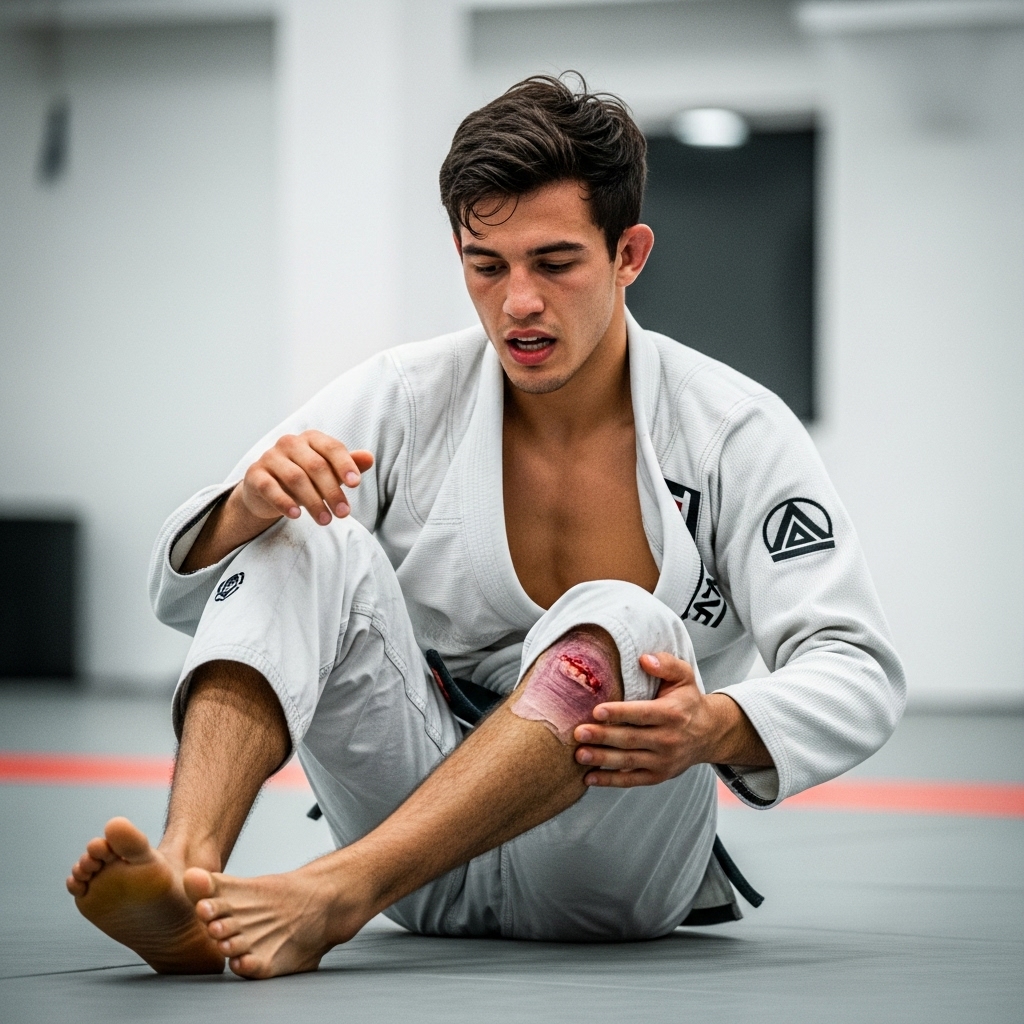
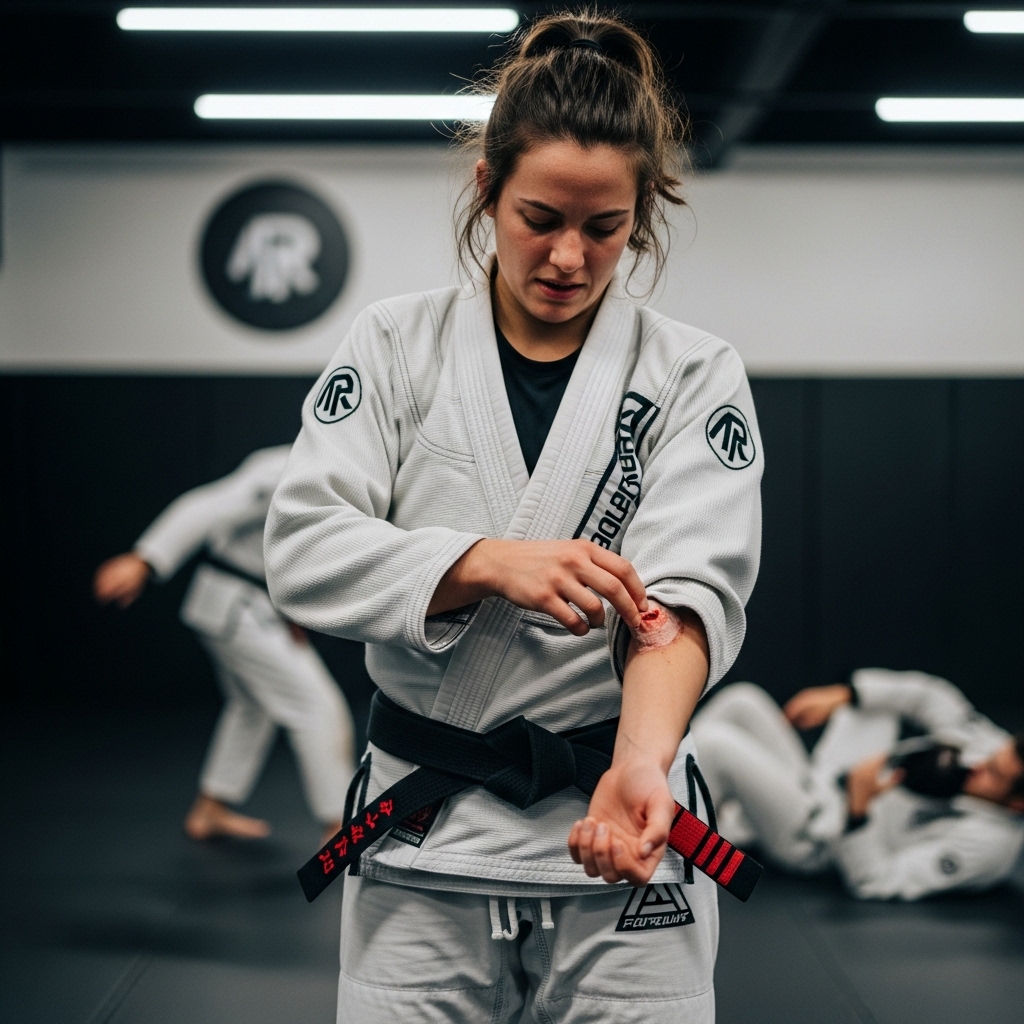
Strategies For Training With Lighter Injuries
If you’ve determined that your injury is minor, there are several strategies you can employ to continue training safely and effectively:
Communicate With Your Instructor And Training Partners: Let them know about your injury so they can adjust the intensity and techniques accordingly.
Modify Your Training: Focus on drills and techniques that don’t aggravate your injury. For example, if you have a shoulder injury, you might focus on lower body techniques or positional drilling.
Reduce Intensity And Volume: Dial back the intensity of your rolls and the overall volume of your training. This allows your body to recover while still staying active.
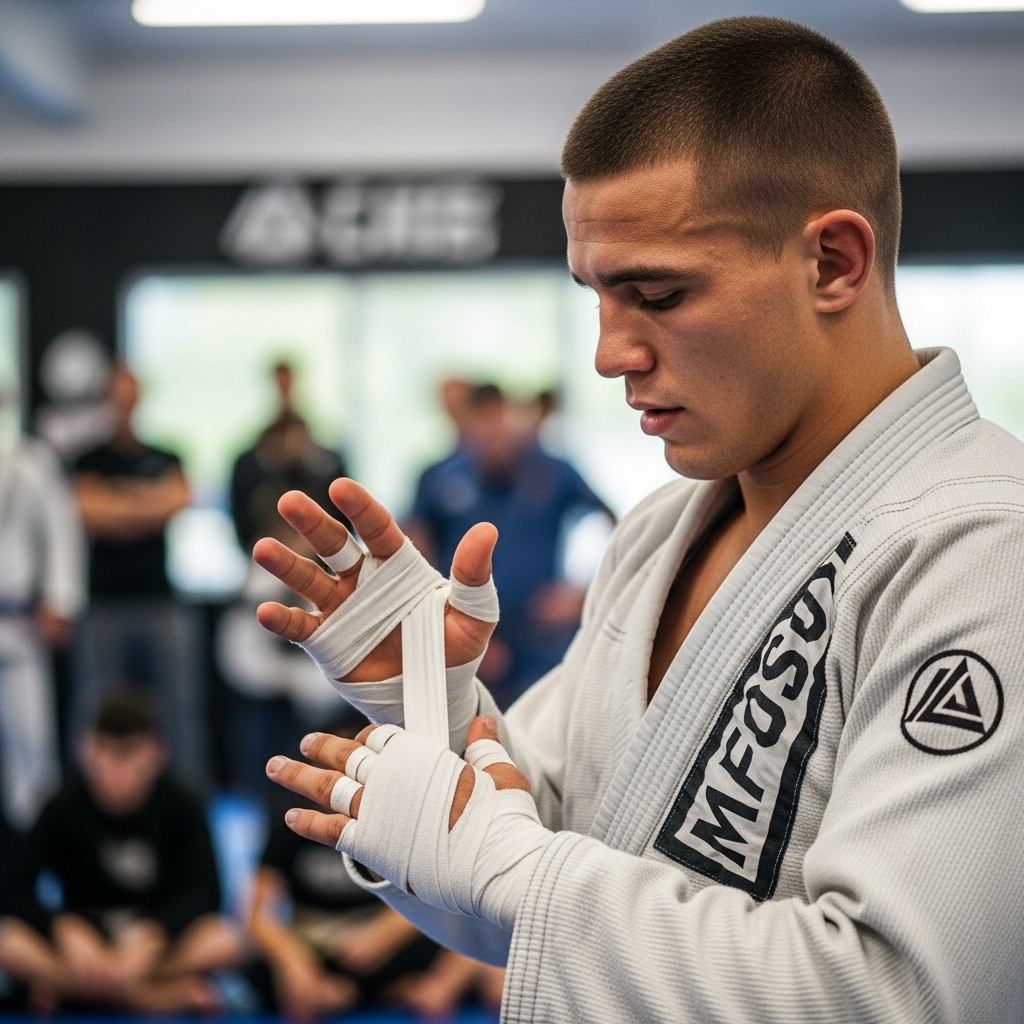
Use Supportive Gear: Braces, tape, or compression sleeves can provide support and stability to injured joints.
Prioritize Recovery: Ensure you’re getting enough sleep, nutrition, and hydration. Consider incorporating active recovery techniques like light stretching or foam rolling.
Cross-Train: Activities like swimming or yoga can help maintain your fitness without putting stress on the injured area.
Recognizing When To Stop And Seek Professional Help
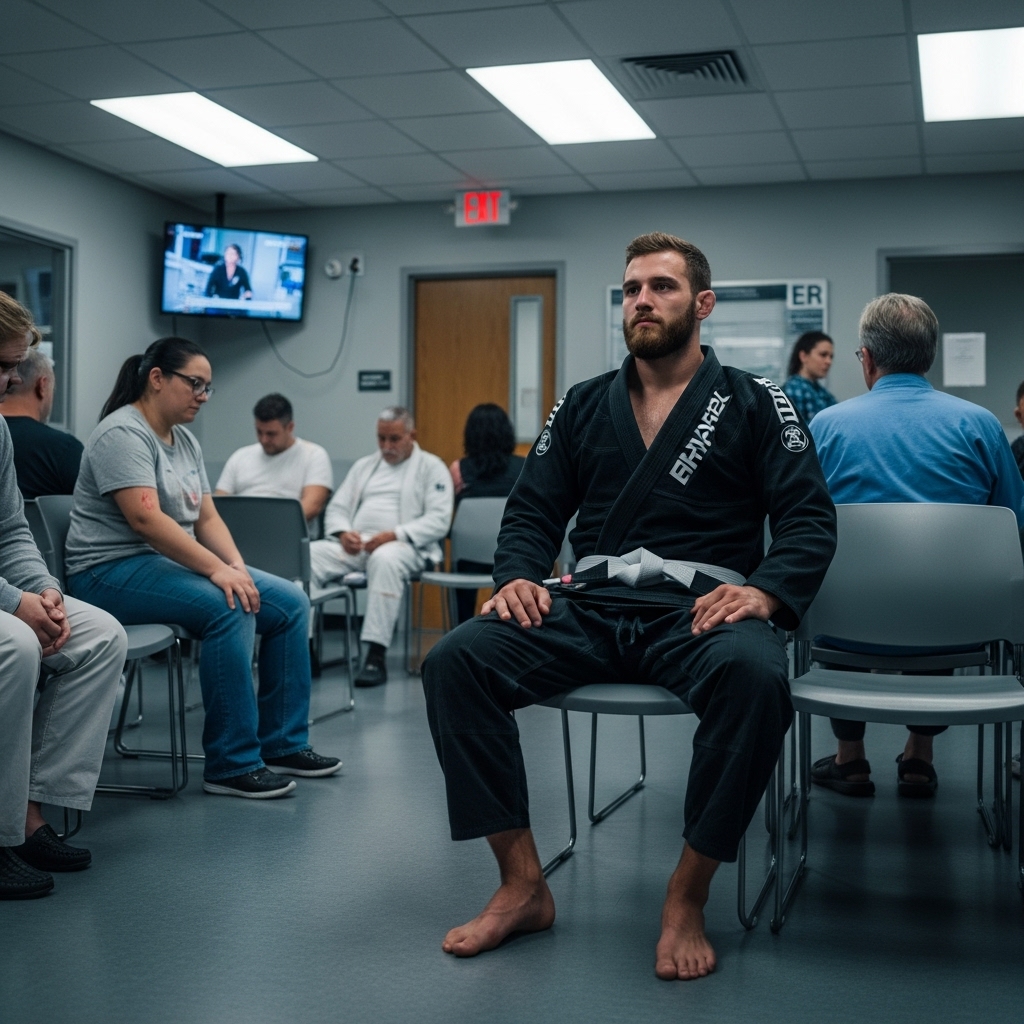
Knowing when to stop training is just as important as knowing how to train through minor injuries. Here are some red flags that indicate you should seek professional medical attention:
Sharp, Localized Pain: This type of pain often indicates a more serious injury, such as a ligament tear or muscle strain.
Swelling And Bruising: These are signs of inflammation and potential tissue damage.
Instability: If a joint feels loose or unstable, it could indicate a ligament injury.
Loss Of Function: If you can’t move a joint through its full range of motion, or if you experience weakness, it’s a sign that something is wrong.
Pain That Doesn’t Improve With Rest: If your pain persists or worsens despite rest and conservative treatment, it’s time to see a doctor.
Numbness Or Tingling: This could indicate nerve involvement, which requires prompt medical attention.
The Importance Of Professional Assessment
If you experience any of the red flags mentioned above, it’s crucial to seek professional medical advice from a doctor or physical therapist. They can accurately diagnose your injury and recommend the appropriate treatment plan. Trying to “tough it out” with a serious injury can lead to chronic pain, long-term complications, and a prolonged absence from the mats.
A Holistic Approach Yo Injury Management
Ultimately, the best approach to injury management in jiu-jitsu is a holistic one. This involves not only addressing injuries when they occur but also taking proactive steps to prevent them in the first place. This includes:
Proper Warm-Up And Cool-Down: Prepare your body for training and help it recover afterward.
Good Technique: Learning and practicing proper technique reduces the risk of injury.
Strength And Conditioning: Building strength and flexibility can help your body withstand the demands of jiu-jitsu.
Listen To Your Body: Pay attention to your body’s signals and don’t push yourself too hard, especially when you’re fatigued.
By understanding the difference between “good” and “bad” pain, employing strategies for training with minor injuries, and recognizing when to seek professional help, you can navigate the challenges of injury and continue to enjoy the many benefits of jiu-jitsu for years to come.


