

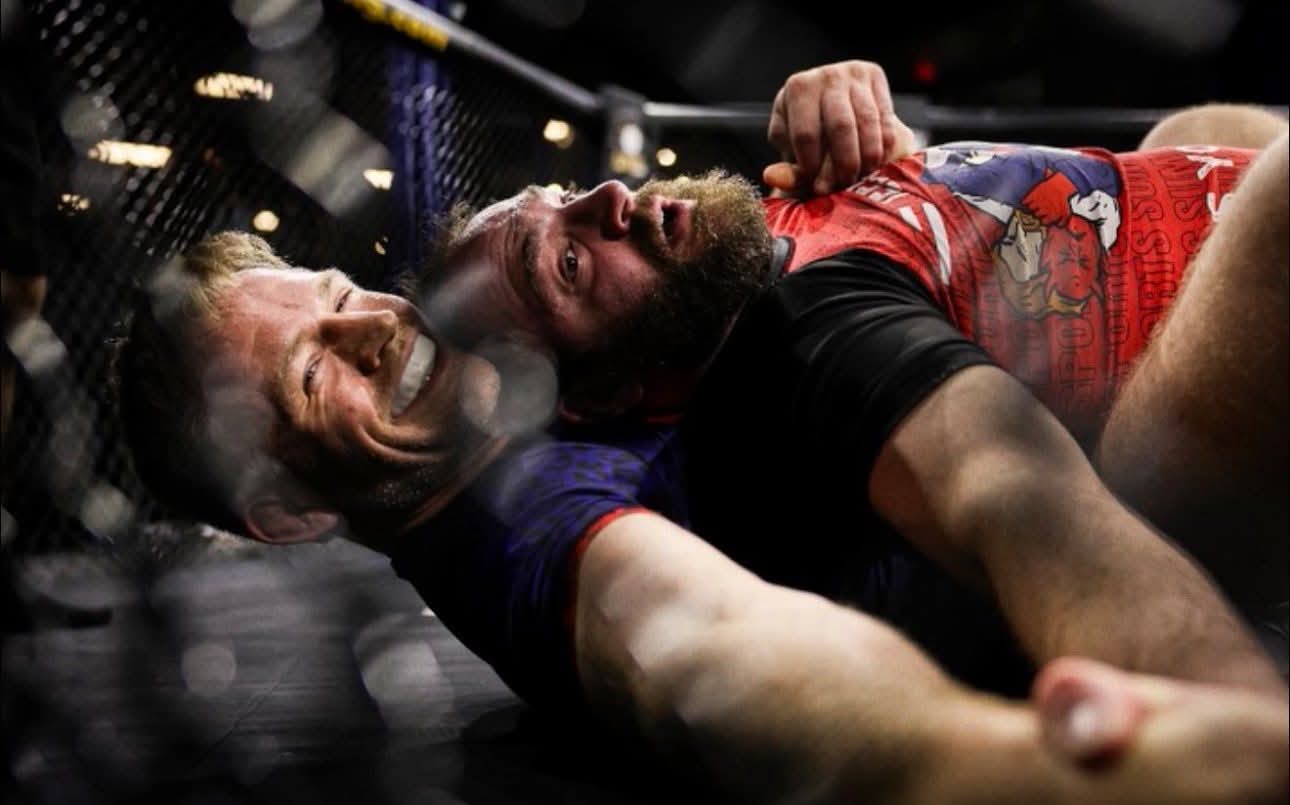
Every martial artist eventually hits the wall where progress feels non-existent, rolls feel brutal, and doubt sets in. In martial arts, perceived failure isn’t just mental, it is physical, repeatable, and regularly forced upon you by training partners and mat rivals alike. How you process those frustrating sessions dictates whether you succumb to the classic blue belt blues or build a durable, lifelong practice.
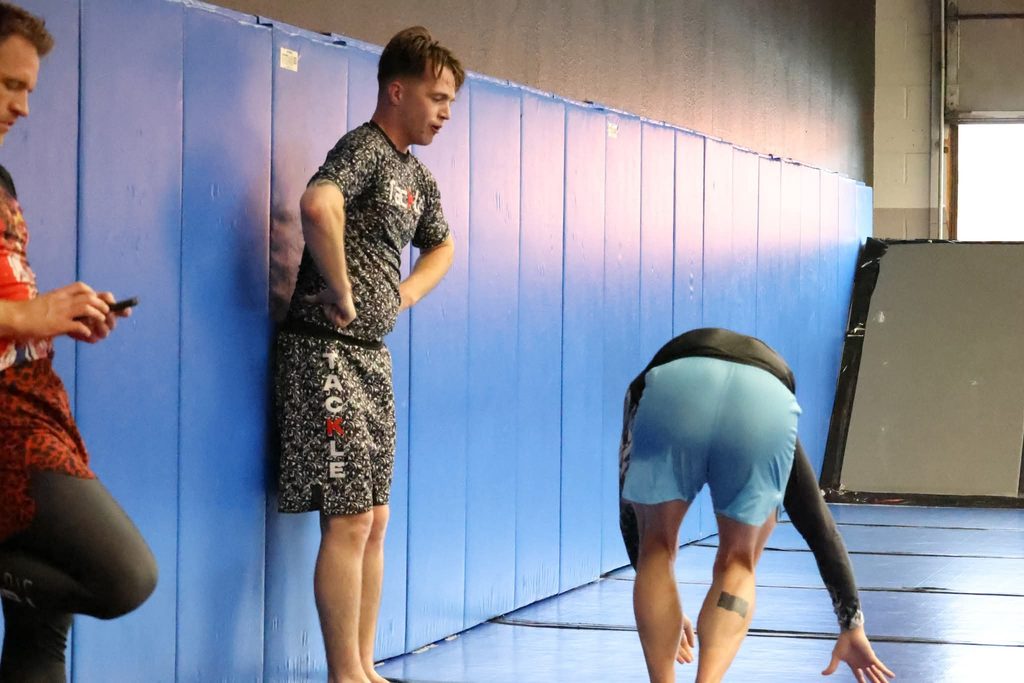
6. Play The Decade Game
Zoom out. A rough month, a tough tournament loss, or an agonizingly slow belt progression is invisible on a ten-year horizon. Martial arts rewards longevity above all else, staying on the mats consistently will always beat short-term perfection.
5. Separate Mat Performance From Personal Worth
Getting swept or caught in a choke does not mean you are a failure, it means a physical technique was executed effectively against your current position. Keeping your self-worth distinct from your training sessions prevents burnout and preserves the joy of rolling.

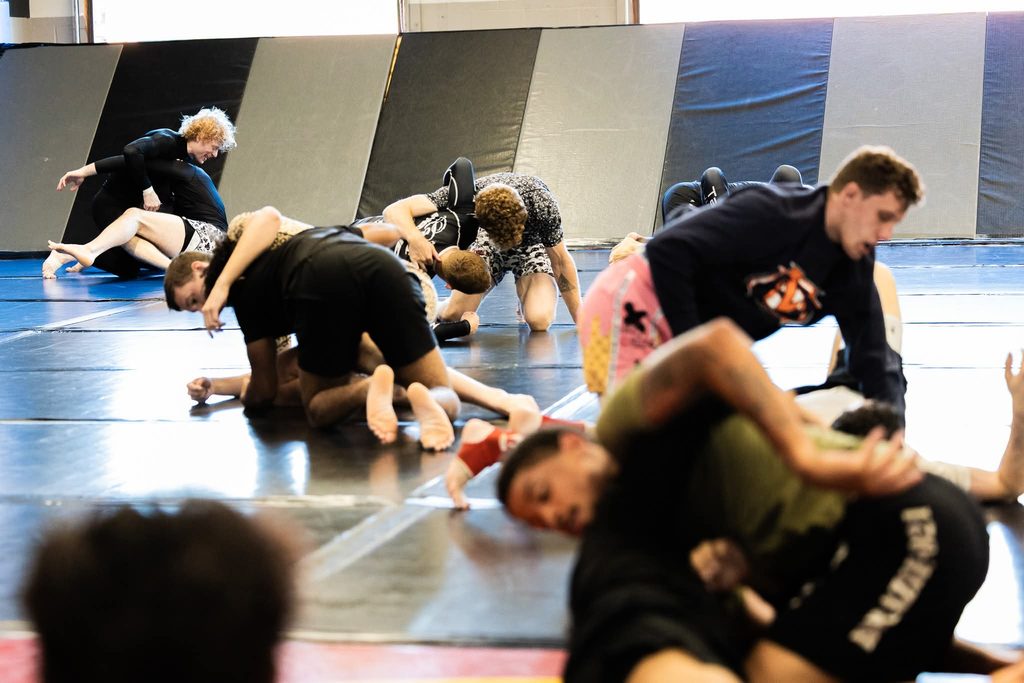
4. Keep An Objective Training Journal
Day-to-day memory is notoriously biased toward recent mistakes. Maintaining a brief training log creates an objective record of your evolution. Reading entries from six months ago instantly proves how far your defense, timing, and conceptual understanding have actually come.
3. Recognize Plateaus As Skill Consolidation
Growth in grappling is rarely linear, it occurs in step-functions. A prolonged plateau usually means your brain is busy integrating conceptual patterns into muscle memory. The noticeable jump in performance often happens suddenly right after a period of intense stagnation.
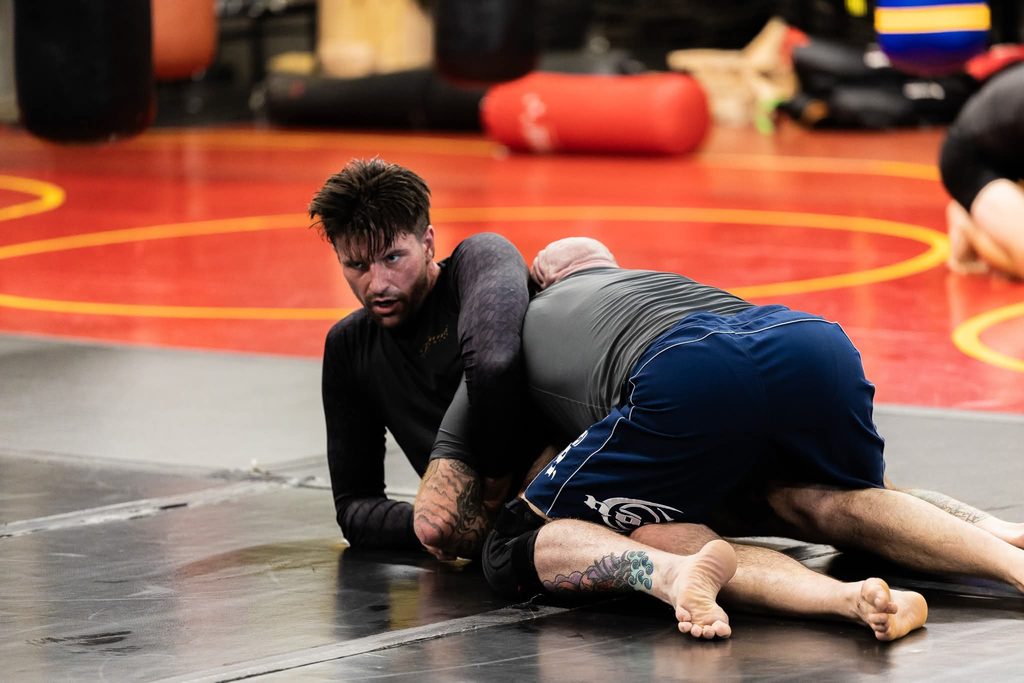
2. Shift To Micro-Process Goals
Measuring success solely by who you submit creates a fragile ego. Instead, set micro-goals for each class, such as escaping side control three times, attempting a single sweep, or maintaining calm breathing under pressure. Victory lies in executing the process, regardless of the round’s final outcome.
1. Reframe The Tap As Pure Data
Tapping out is simply real-time mechanical feedback. It identifies a specific leak in your posture, base, or defense. Strip away the emotional penalty and treat every submission as free information highlighting exactly what to troubleshoot before your next session.

Ultimately, mastering the physical techniques of martial arts is inseparable from mastering the mind’s response to friction. By transforming taps into objective data, separating your personal identity from mat performance, and committing to a decade-long horizon, failure ceases to be a setback and becomes your most reliable training partner. Crucially, the secret weapon in this process is cultivating genuine cheerfulness in the face of adversity. Martial arts present a rare arena where physical distress, tactical confusion, and constant vulnerability are guaranteed daily occurrences. Smiling through a crushing cross-face, finding humor in getting swept, and maintaining an upbeat spirit while gasping for air aren’t just personality quirks, they are vital survival mechanisms. A cheerful disposition disarms the ego, lowers physiological tension, and transforms what could be a demoralizing ordeal into an engaging, playful puzzle. When you can embrace the grueling demands of the mat with a lightness of heart, adversity loses its power to break your spirit, guaranteeing that you remain resilient, curious, and perpetually moving forward on the long road to mastery.


