

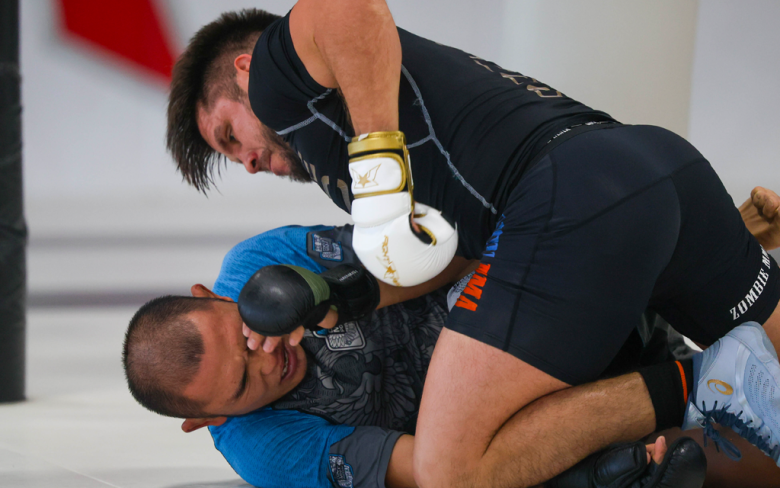
For decades, combat sports protocols focused on immediate neurological threats like acute concussions and structural brain bleeds. However, cutting-edge neuroimaging studies are shifting the medical community’s focus to a quieter, long-term threat, the progressive destruction of the brain’s built-in waste disposal network.
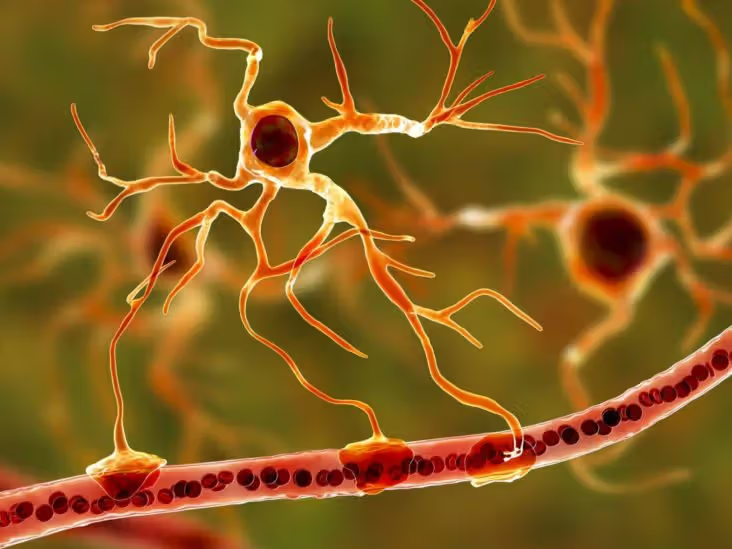
Understanding The Glymphatic System:
During deep sleep, the human brain relies on a specialized hydraulic network known as the glymphatic system. This clearance pathway pumps cerebrospinal fluid through brain tissue to flush out metabolic waste and toxic cellular debris accumulated during waking hours. In a healthy athlete, it acts as a nightly reset button.
The Mechanics Of Impaired Disposal:
In professional boxers and mixed martial artists, repetitive head impacts (RHIs), including routine, sub-concussive blows sustained during training, cause structural damage to this delicate drainage system. Advanced neuroimaging reveals a compounding damage cycle.
- Perivascular Degradation: Mechanical shearing forces damage the channels surrounding cerebral blood vessels, narrowing the pathways required for fluid movement.
- Toxic Protein Stasis: With fluid movement restricted, neurotoxic misfolded proteins, specifically tau and amyloid-beta, fail to clear and begin accumulating in cerebral tissue.
- Pathological Cascade: Persistent tau buildup is the foundational hallmark of Chronic Traumatic Encephalopathy (CTE), while lingering amyloid-beta directly accelerates early-onset dementia and Alzheimer’s disease.
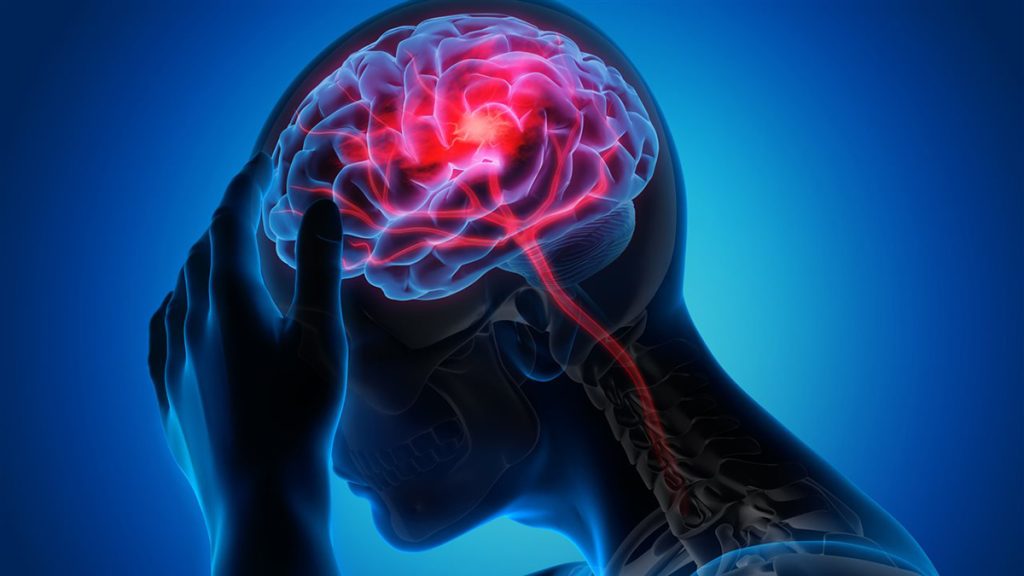

Rethinking Recovery And Regulation:
These findings fundamentally challenge traditional fight-prep culture. Because the glymphatic system operates most efficiently during deep, slow-wave sleep, severe weight-cutting protocols and chronic sleep deprivation directly compound neurodegenerative risks by suppressing the brain’s primary defense mechanism.
Moving forward, combat sports regulation may need to evolve beyond standard MRI scans and simple physicals.
- Sparring Audits: Modern fight camps must strictly monitor and limit high-volume hard sparring to prevent cumulative micro-trauma to fluid channels.
- Advanced Biomarker Screening: Future licensing protocols could incorporate specialized neuroimaging to detect glymphatic stasis before irreversible cognitive decline begins.
- Targeted Recovery: Post-fight medical suspensions may soon require structured sleep-enhancement protocols and anti-inflammatory therapies specifically designed to restore fluid clearance.
As science pulls back the curtain on the invisible trauma sustained inside the ring and cage, the combat sports industry stands at a critical crossroad. Grit and physical durability will always define fight culture, but true athlete longevity requires respecting the microscopic limits of human biology. By translating these neuroimaging breakthroughs into modern training standards and regulatory policy, combat sports can honor its athletes where it matters most, ensuring their sharpest weapon stays intact long after their final fight.


