

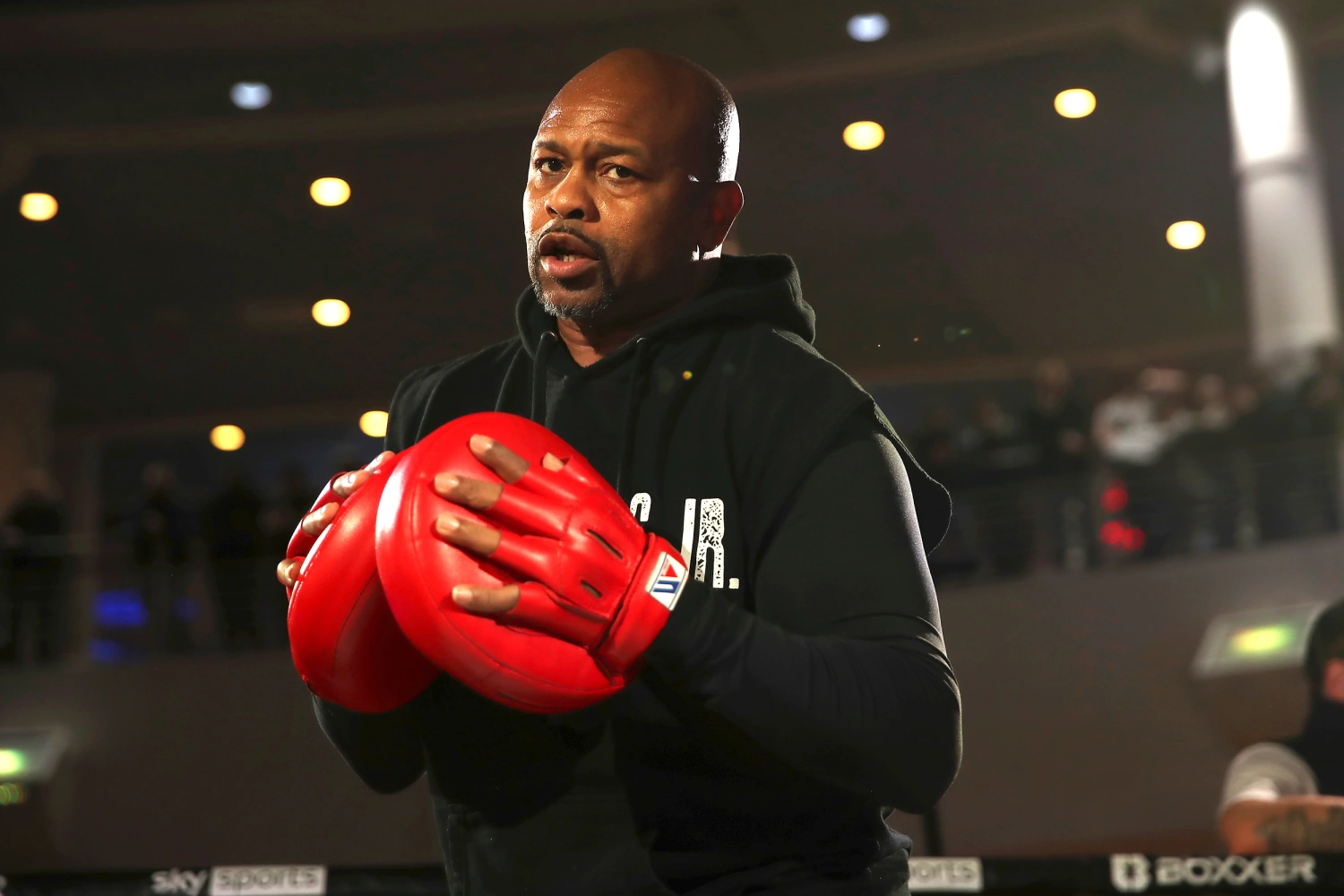
On this day, January 16, 2026, the boxing world pauses to celebrate the 57th birthday of a man who once seemed to move at a speed the human eye wasn’t designed to track. Roy Jones Jr., the four-division champion and the silver-screen “Superman” of the squared circle, remains a figure of immense fascination. From the grueling hog farms of Florida to the pinnacle of heavyweight glory, his story is one of unparalleled athleticism, a controversial heartbreak, and a legacy that refuses to fade.
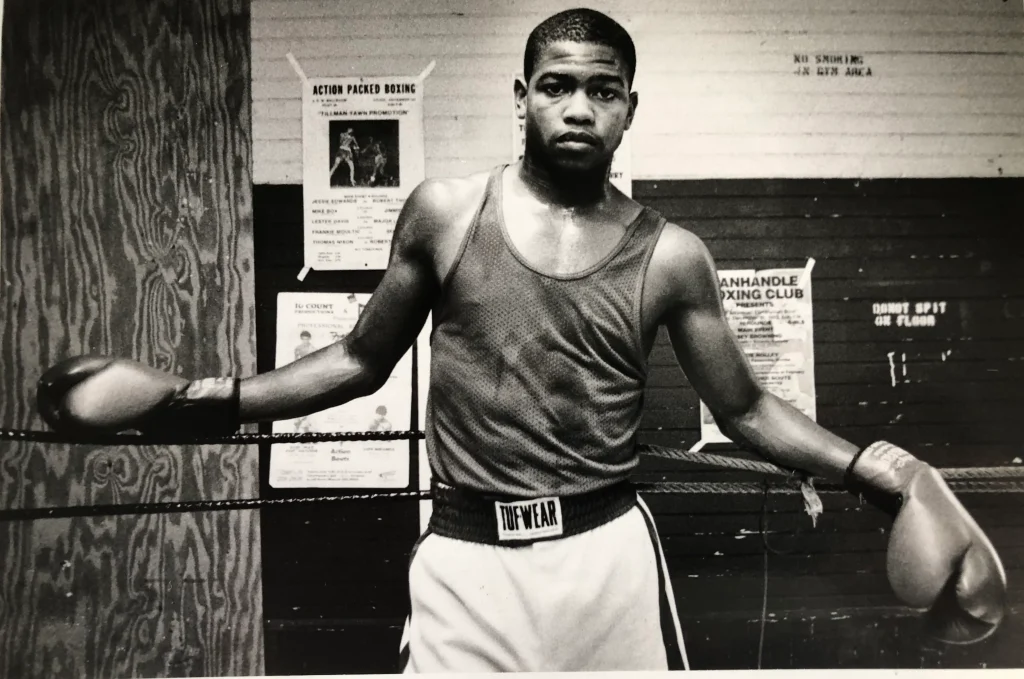
The Forge Of Pensacola: Early Life And A Hard Start
Roy Levesta Jones Jr. didn’t just stumble into a boxing gym; he was born into a crucible. Growing up in Pensacola, Florida, Roy’s childhood was defined by the iron-fisted discipline of his father, Roy Jones Sr. A Vietnam veteran and former middleweight boxer, the elder Jones was a “Marine Drill Instructor” in the form of a father.
Roy Jr. often recounted a childhood where the line between training and survival was blurred. His father forced him into boxing at a young age, subjecting him to brutal training sessions and psychological pressure that would have broken most children. “I was in pain all day, every day,” Roy once told Sports Illustrated. It was this environment, a mix of fear and a desperate need for approval, that forged the lightning-fast reflexes and defensive wizardry the world would later marvel at. Boxing wasn’t a choice; it was his reality.
The Seoul Scandal And The Rise To Prominence
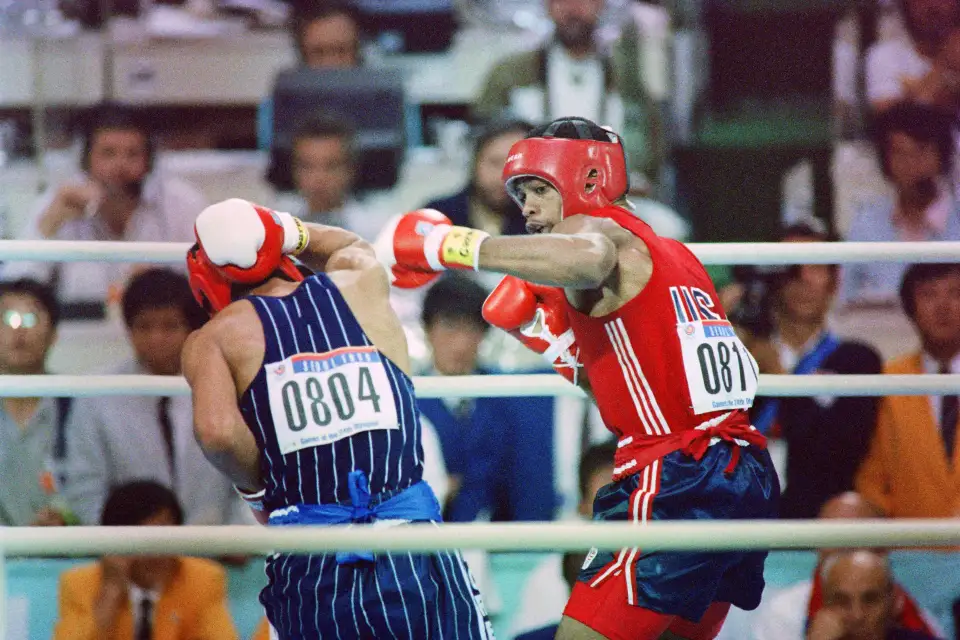
The world first took notice of the young prodigy during the 1988 Seoul Olympics. Jones dominated the light middleweight division, reaching the final without losing a single round. However, what followed remains the most infamous decision in Olympic history. Despite outlanding South Korean boxer Park Si-hun by a staggering margin (86-32), the judges awarded the gold to Park.
The injustice was so flagrant that Jones was awarded the Val Barker Trophy as the Games’ most outstanding boxer, a rare honor for a non-gold medalist. Rather than letting the “robbery” embitter him, Jones used it as fuel. He turned professional in 1989, and with his trademark hand speed and “no-look” hooks, he began a meteoric rise that would redefine the sport’s pound-for-pound rankings.
The Peak: A Reign Of Invincibility
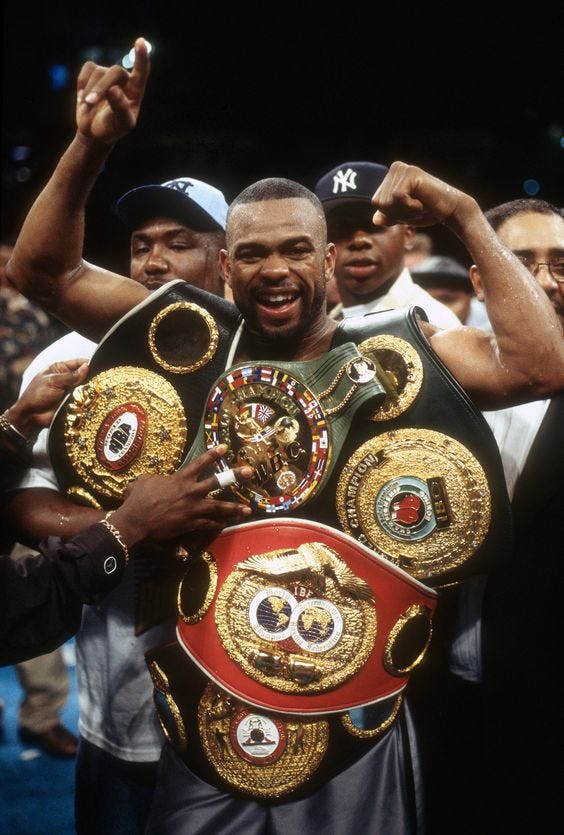
The 1990s belonged to Roy Jones Jr. He operated at a level that made world-class champions look like amateurs. His resume during this era is a “Who’s Who” of boxing legends!
- 1993: He defeated Bernard Hopkins to claim his first world title (IBF Middleweight).
- 1994: In a masterclass performance, he dismantled the feared, undefeated James Toney to win the IBF Super Middleweight title.
- 1999: He became the undisputed Light Heavyweight champion, unifying the WBA, WBC, and IBF belts.
The crowning achievement of his career came in March 2003. In a move that many deemed suicidal, Jones jumped from light heavyweight to face John Ruiz for the WBA Heavyweight title. By defeating Ruiz, Jones became the first former middleweight champion in 106 years to win a heavyweight crown. At that moment, he was, without question, the greatest fighter on the planet.
Life Post-Retirement: The Mentor And The Icon
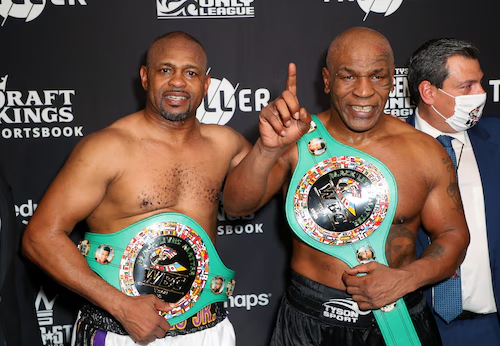
The “Superman” era eventually met its mortality. A brutal knockout loss to Antonio Tarver in 2004 signaled the end of his peak, yet Jones’s love for the ring kept him competing long after most fans begged him to hang up the gloves. He officially retired from competitive professional boxing after a victory over Scott Sigmon in 2018, though he famously returned for a high-profile exhibition with Mike Tyson in 2020 and a crossover bout against Anthony Pettis in 2023.
In 2026, Jones has fully transitioned into his role as a venerable elder statesman. He is a highly sought-after coach, having mentored fighters like Devon Alexander, and remains a fixture in the media as an insightful (and often outspoken) commentator. Outside the ring, he continues to nurture his passions for music and acting, having released several hip-hop albums and appeared in blockbusters like The Matrix Reloaded.
The Lasting Legacy
Roy Jones Jr.’s legacy is not found only in his final win-loss record, but in the paradigm shift he brought to boxing. He proved that a fighter could be both a defensive genius and an explosive entertainer. He broke the rules of boxing, leading with hooks, keeping his hands at his waist, and jumping weight classes with ease, relying on a level of fast-twitch athleticism that may never be seen again. To the generation that grew up watching him, he remains the ultimate “What If” of human potential, a fighter who, at his peak, was truly untouchable.
Happy 57th Birthday, Champ. We at Prograppler haven’t forgotten.


