


Today, when we watch two titans trade blows under the bright lights of an arena, every jab, every hook, every feint is governed by a meticulous code of conduct. The unified rules of modern professional boxing are a testament to centuries of evolution, a journey from brutal, often fatal, contests to a highly regulated sport. But to truly appreciate the sophistication of today’s rulebook, we must first glimpse the anarchy it replaced.
Before the mid-19th century, boxing was a different beast altogether. Think less sport, more street fight elevated to a spectacle. The dominant ruleset, or lack thereof, was the London Prize Ring Rules, established in 1743 by Jack Broughton and later modified in 1838. Under these rules, rounds were not timed. A round ended when a fighter was knocked down. He then had 30 seconds to “come to scratch,” meaning to toe a line drawn in the center of the ring. If he couldn’t, the fight was over.
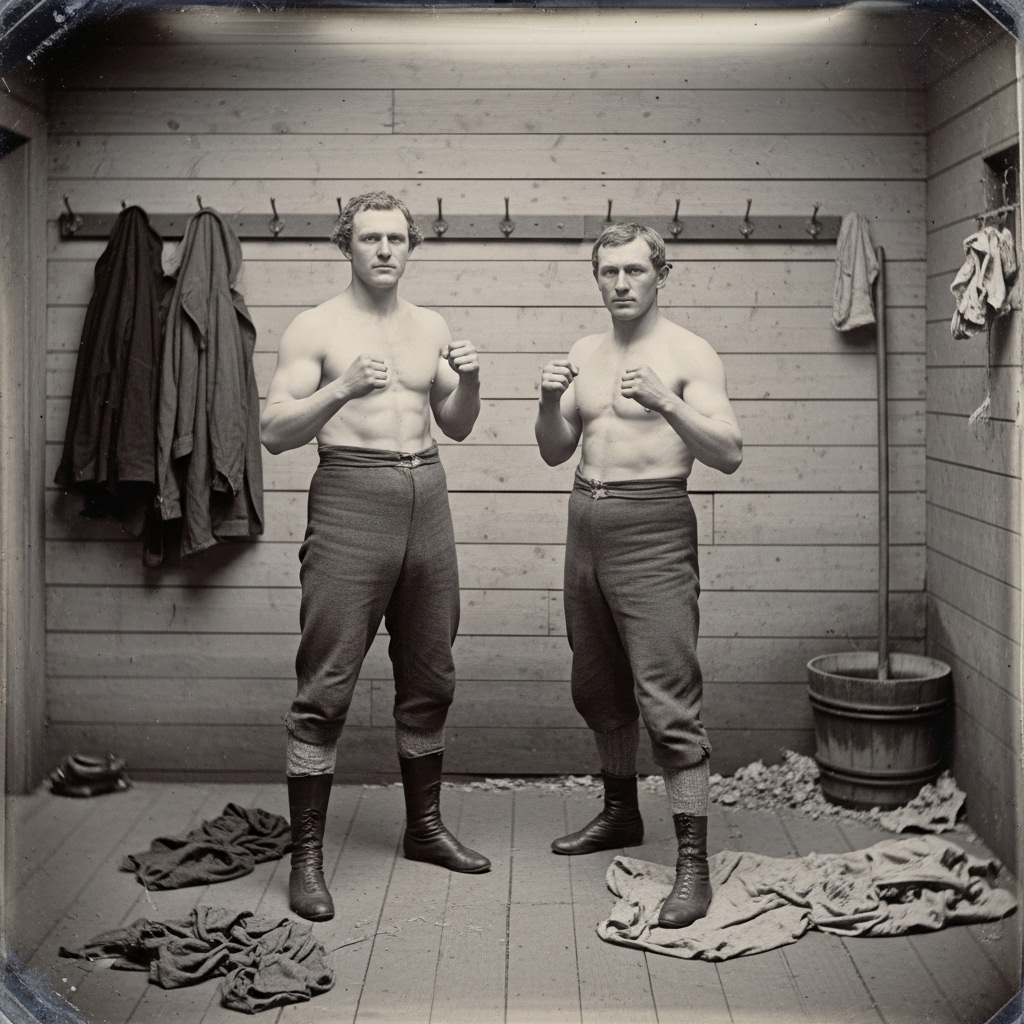
Sounds simple enough, right? Not quite. Imagine a fight where grappling was permitted, where throws and wrestling were as much a part of the repertoire as punching. Kicking, headbutting, and biting were generally frowned upon but often occurred in the heat of battle, with varying degrees of official intervention. There were no gloves; bare knuckles reigned supreme, leading to gruesome injuries, broken hands, and disfigured faces. Fighters could be held and hit, clinches were often wrestling matches, and what we now call “roughing” was par for the course. The only real way to win was by knockout or by your opponent being unable to continue – sometimes due to sheer exhaustion or debilitating injury rather than a decisive blow. These contests could last for dozens of rounds, stretching for hours until one man simply could not go on.
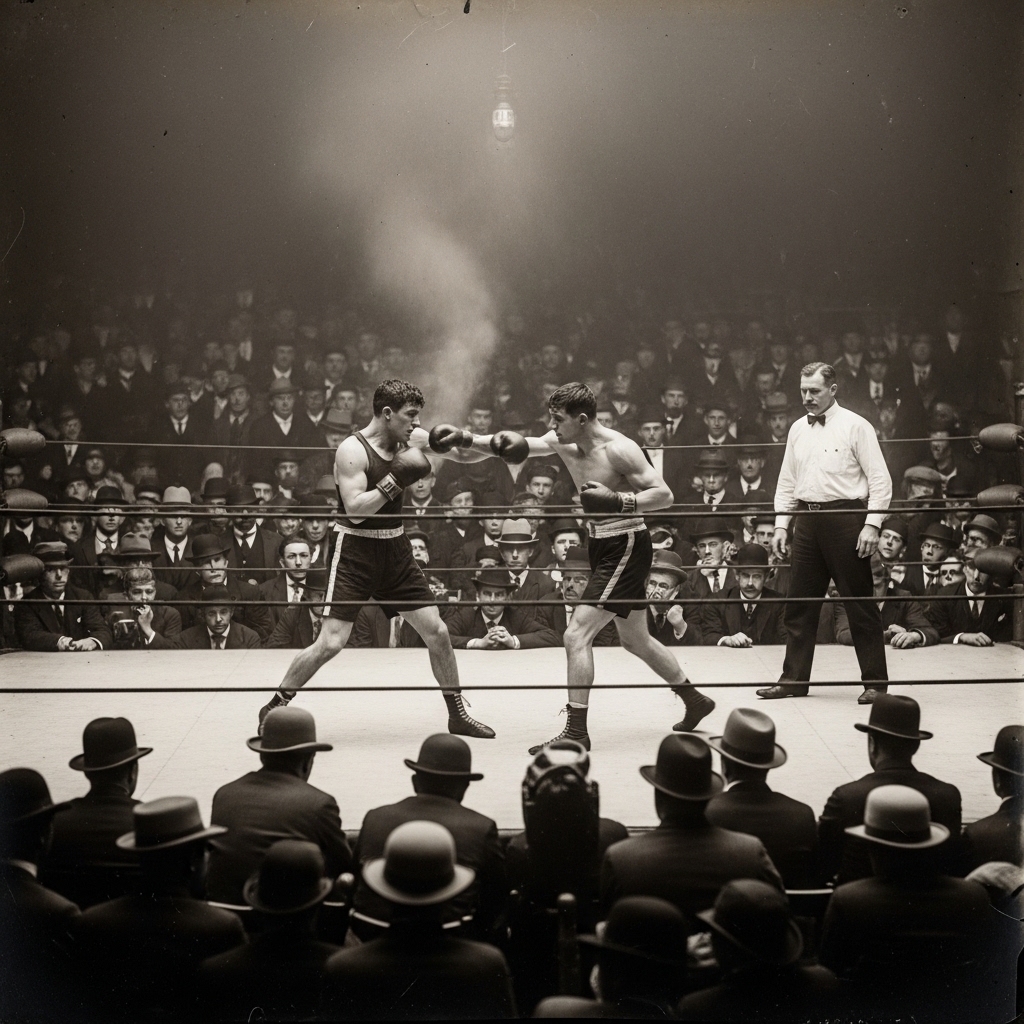
The development of the Marquess of Queensberry Rules in 1867 marked the true dawn of modern boxing. Drafted by John Graham Chambers and endorsed by John Sholto Douglas, the 9th Marquess of Queensberry, these rules were revolutionary in their intent to civilize the sport and prioritize skill over sheer brute force.
Here’s how they fundamentally reshaped the landscape:
- Gloves Became Mandatory: This was a game-changer. While initially thin, gloves drastically reduced superficial cuts and allowed fighters to hit harder without shattering their hands, leading to more powerful and decisive knockouts. It also shifted the focus from breaking hands to landing impactful blows.
- Timed Rounds: The Queensberry Rules introduced three-minute rounds with a one-minute rest period between them. This brought structure and strategy to fights, allowing corners to give instructions and fighters to recover.
- No Wrestling Or Grappling: All forms of holding, wrestling, and throwing were strictly prohibited. This forced fighters to rely solely on punching techniques, elevating the art of striking.
- Count-Outs: If a fighter was knocked down, he had 10 seconds to get back up. If he failed, he was counted out, leading to a much clearer and more definitive end to contests than the ambiguous “come to scratch” rule.
- No Roughing: Fouls like hitting a man when he was down, striking below the belt, or using one’s head were explicitly forbidden and led to disqualification.
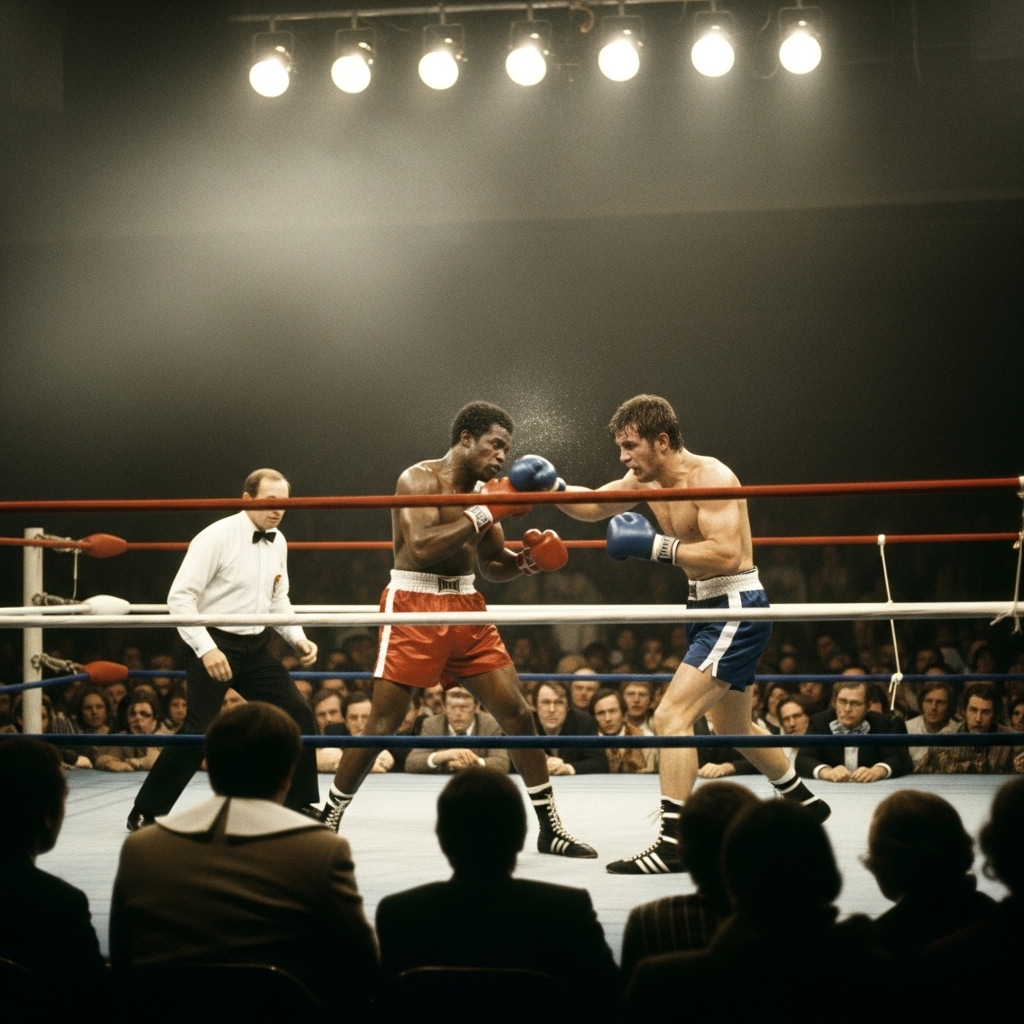
Over the subsequent decades, these foundational Queensberry Rules were refined and expanded upon, forming the basis of what we have today. Modern professional boxing operates under a remarkably consistent, albeit sometimes slightly varying across commissions, set of unified rules.
The Pillars Of Modern Boxing:
Gloves: Fighters wear padded gloves, weighed according to the division (e.g., 8oz for welterweight and below, 10oz for junior middleweight and above).
Rounds: Fights consist of a predetermined number of three-minute rounds (4, 6, 8, 10, or 12 for championship bouts) with a one-minute rest in between.
Judging: Three ringside judges score each round based on effective aggression, clean punching, defense, and ring generalship. A 10-point must system is used, where the winner of the round typically receives 10 points and the loser 9 (or fewer if knocked down or fouled).
Fouls: A comprehensive list of fouls exists, including hitting below the belt, hitting the back of the head, holding, pushing, using elbows or forearms, and headbutting. Repeated fouls can lead to point deductions or disqualification.
Winning Conditions:
Knockout (KO): A fighter is knocked down and cannot get up within the referee’s 10-count.
Technical Knockout (TKO): The referee stops the fight due to a fighter being unable to intelligently defend themselves, or if the corner throws in the towel, or due to a doctor’s stoppage.
Decision: If the fight goes the distance, the fighter with the most points on the judges’ scorecards wins.
Disqualification (DQ): A fighter is disqualified for repeated or egregious fouls.
No Contest (NC): A fight can be declared a no contest under specific circumstances, such as an accidental foul rendering a fighter unable to continue early in the fight.
From the chaotic free-for-alls of the London Prize Ring to the structured ballet of modern boxing, the evolution of the rules has mirrored society’s increasing demand for order and safety in sport. It’s a progression that transformed a brutal spectacle into a celebrated athletic endeavor, allowing skill, strategy, and artistry to truly shine. So, the next time you watch a championship fight, remember the journey – the bare-knuckle brawlers, the pioneering Marquess, and the tireless work of those who sculpted the rules that make boxing the thrilling and complex sport it is today. And then, perhaps, you’ll appreciate the sweet science just a little bit more.


