

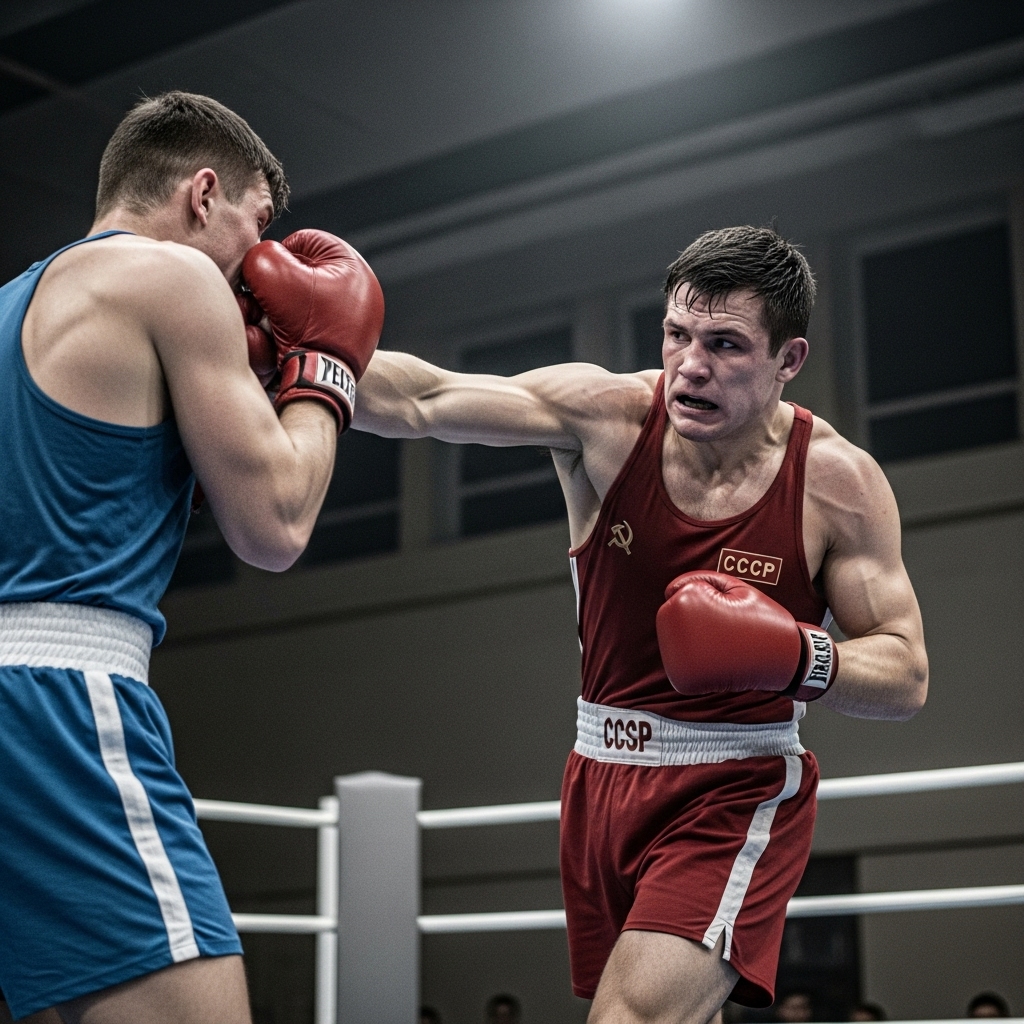
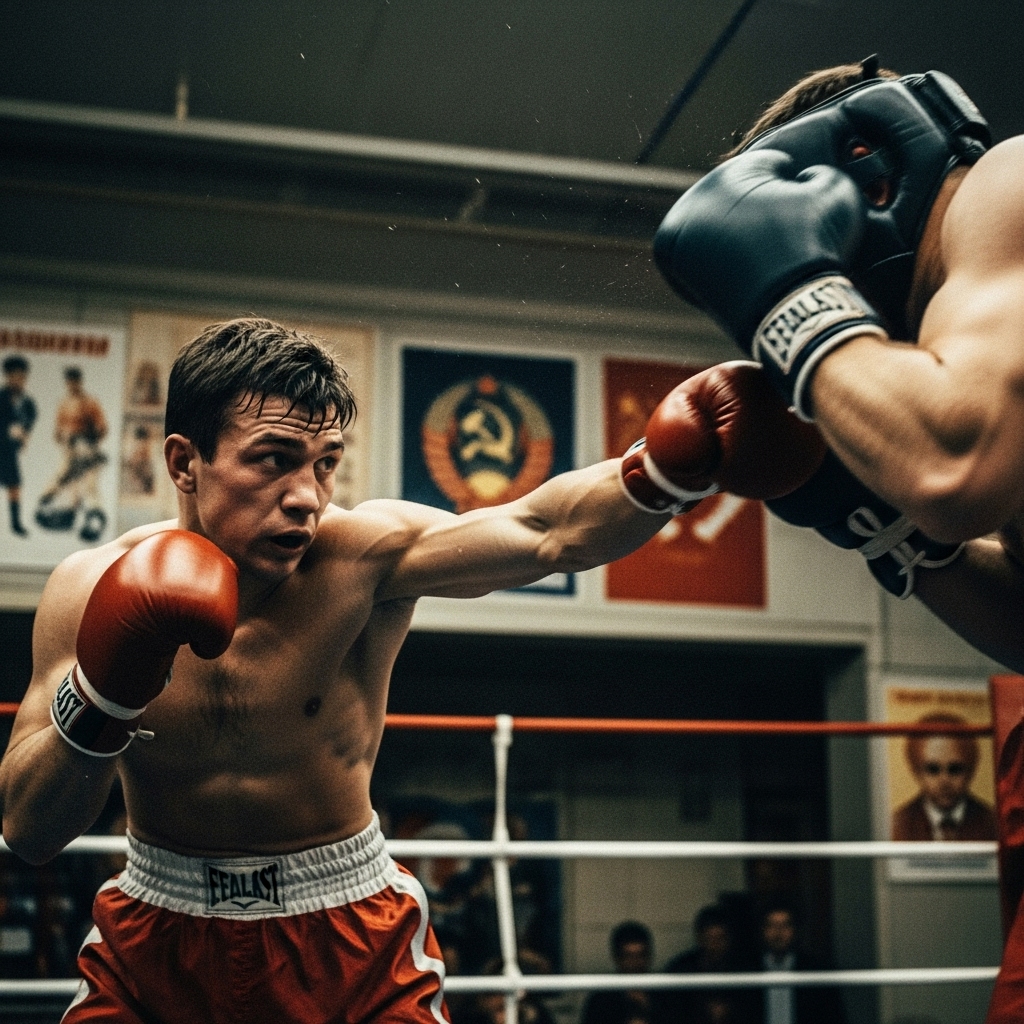
In the diverse world of boxing, where styles range from the aggressive brawler to the elusive “Philly Shell” defensive posture, the “Soviet style” stands as a testament to technical precision, strategic mastery, and relentless conditioning. Developed during the Soviet Union’s dominance in amateur boxing, this methodical approach has produced some of the most disciplined and effective fighters in history, leaving an indelible mark on the sweet science.
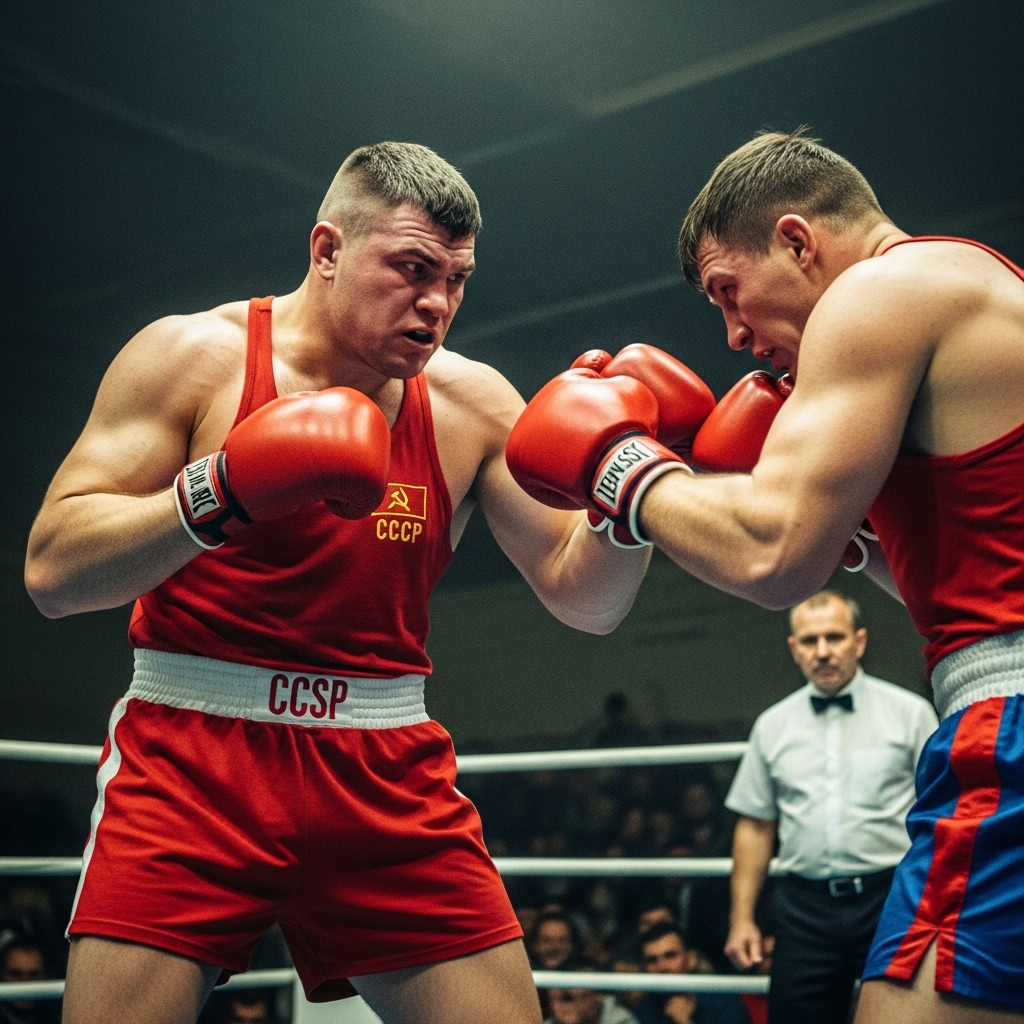
What Differentiates The Soviet Style?
Unlike styles that prioritize raw power or relentless aggression, Soviet boxing emphasizes a “hit and don’t get hit” philosophy, rooted in a scientific understanding of biomechanics and strategy. Key differentiators include:
Exceptional Conditioning: The constant motion, high defensive output, and strategic demands of the Soviet style necessitate incredible cardiovascular endurance and core strength, ensuring fighters can maintain their technical precision throughout a bout.
Emphasis On The Jab: The jab is the cornerstone of the Soviet style, used not just as a feeler, but as a primary weapon for controlling distance, disrupting rhythm, setting up combinations, and scoring points. Soviet boxers master the jab with exceptional speed and precision.
Strategic Footwork And Distance Control: Soviet fighters are masters of movement. They constantly shift their weight, often utilizing the “pendulum bounce” – a rhythmic, subtle shifting back and forth on the balls of their feet. This allows them to maintain optimal distance, create deceptive angles, and evade punches while simultaneously setting up their own attacks. The goal is to stay just out of reach while being able to explode into range.
Technical Precision Over Brute Force: Every movement is purposeful, every punch precise. The focus is on clean technique and efficiency, minimizing wasted motion. Straight punches, like the jab and cross, are often favored over wide hooks or uppercuts due to their directness and reduced exposure to counters.
Unconventional Lead Hook: A hallmark of the style is a long-range lead hook, often thrown with a snapping motion that turns at the very last moment, designed to slip past an opponent’s guard and land with surprising effect.
Attacking While Moving: Soviet boxers are adept at launching attacks while moving backward or sideways, a daring tactic that requires precise timing and skill to use an opponent’s momentum against them.
High Fight IQ: Beyond physical prowess, the Soviet system instilled a strong emphasis on ring intelligence. Boxers are trained to read opponents, adapt their strategy mid-fight, and exploit weaknesses, treating boxing as a “human chess match.”
Popular Boxers Implementing the Style
While the Soviet Union no longer exists, its boxing philosophy continues to influence fighters from Eastern Europe and beyond. Modern examples who embody aspects of this style include:
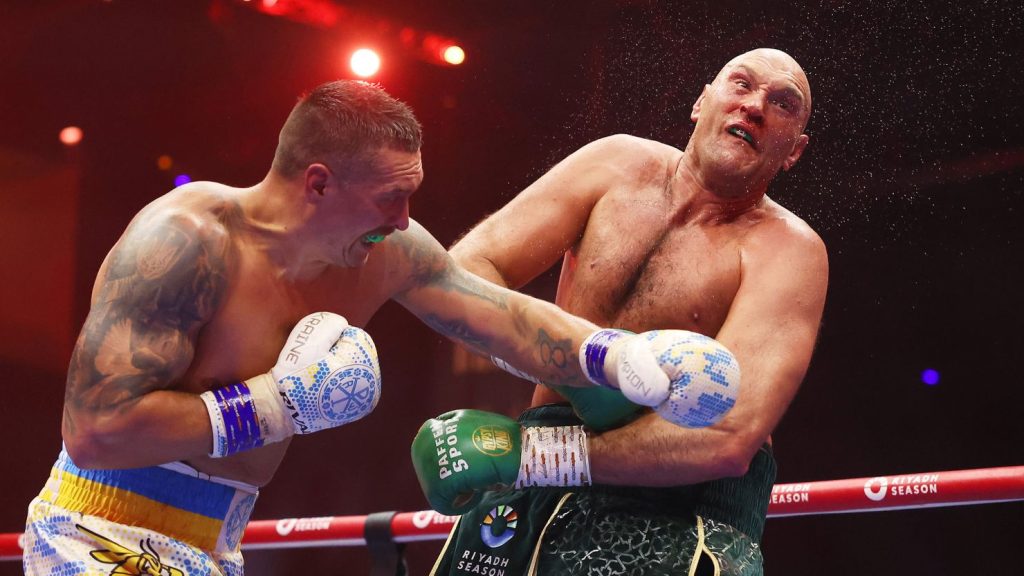
Oleksandr Usyk (Ukraine): As a former cruiserweight and current heavyweight champion, Usyk’s exceptional movement, speed, and ring generalship, allowing him to control the pace and space against much larger opponents, are indicative of his extensive amateur experience and technical focus.
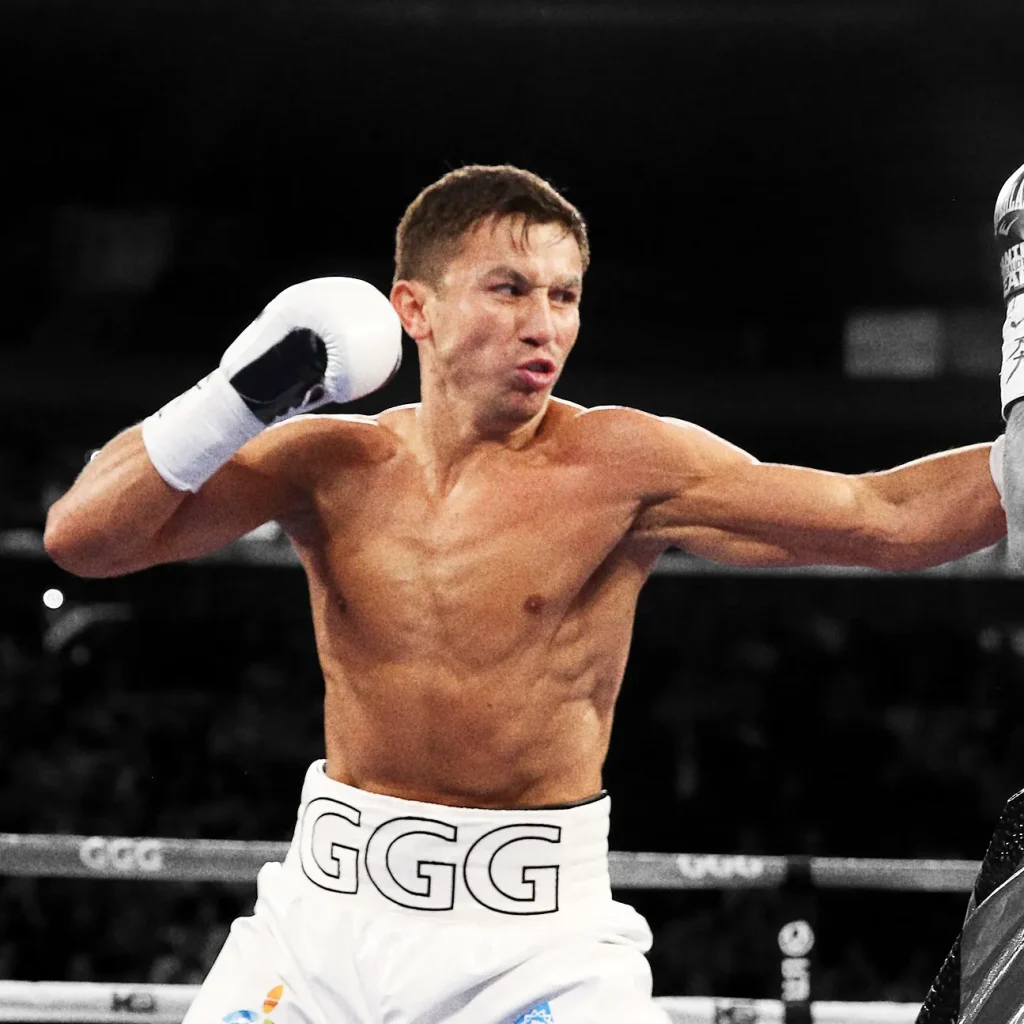
Gennady “GGG” Golovkin (Kazakhstan): GGG’s powerful, precise jab, strong fundamentals, and relentless pressure, combined with an iron chin, showcase the emphasis on conditioning and technical prowess.
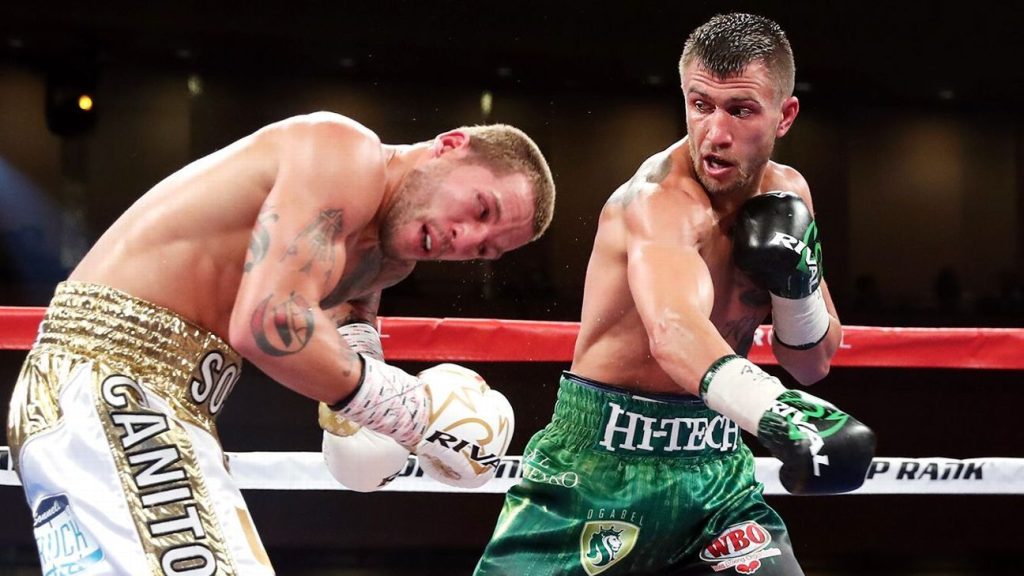
Vasyl Lomachenko (Ukraine): Often cited as a prime example, Lomachenko’s unparalleled footwork, angles, precision, and ability to control the ring are direct reflections of his Soviet-influenced amateur background.
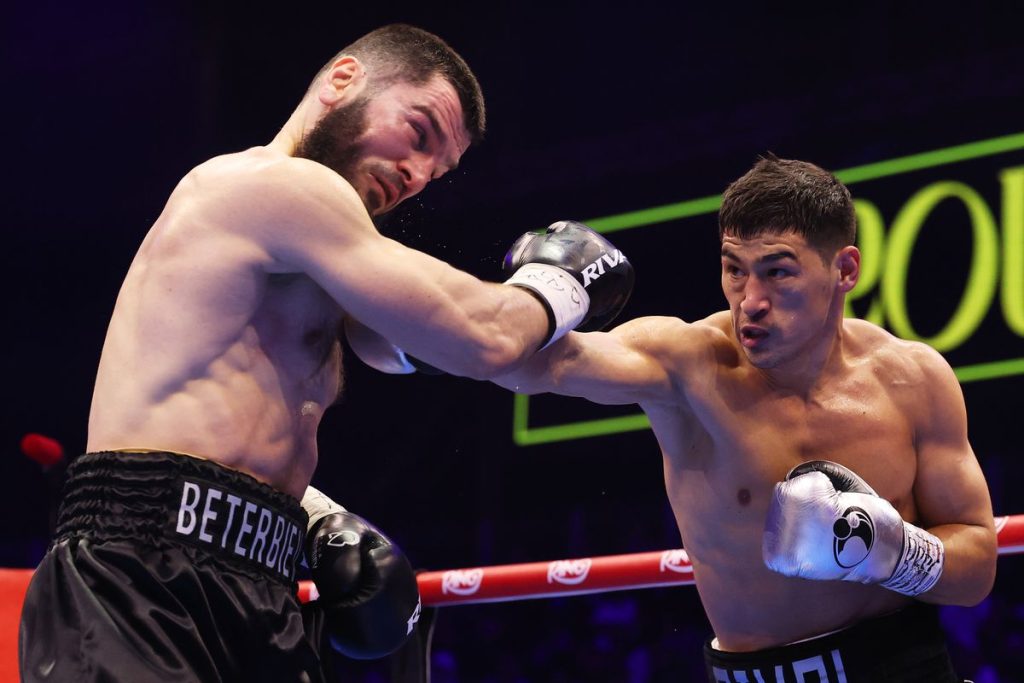
Dmitry Bivol (Russia): Bivol is a quintessential modern Soviet-style boxer. His superior jab, disciplined defense, and ability to out-think and out-point opponents from range, as famously demonstrated against Canelo Alvarez, are hallmarks of the system.
Popular Drills Within The Style
Training in the Soviet style is rigorous and systematic, focusing on building a deep understanding of fundamentals and developing specific attributes:
Tactical Sparring: Sparring sessions are often highly structured, focusing on specific tactical objectives rather than just free-for-all brawling, allowing fighters to apply learned principles in a live setting.
Pendulum Bounce Drills: This is perhaps the most iconic footwork drill. Boxers continuously shift their weight, bouncing in and out, side to side, while maintaining balance and readiness to strike or defend. This drill is often integrated with head movement (slipping in and out) and combination punching.
Jab-Heavy Partner Drills: Extensive drills focusing solely on the jab – its speed, accuracy, multiple variations (flicker, power, double jab), and its use for controlling distance and setting up other punches.
Technical Combination Drills: Repetitive drills of specific combinations, like the jab-lead hook, emphasizing fluidity, precision, and the “snap” at the end of the punch.
Movement And Countering Drills: Drills that involve constantly moving, creating angles, and throwing punches while moving backward or sideways, often against a moving target or partner.
Scientific Conditioning: Beyond traditional road work, Soviet training incorporated interval sprints, jump rope variations for endurance and footwork efficiency, swimming, and circuit training that blended strength (including Olympic lifts like cleans and snatches) with explosive power and endurance.
The Soviet boxing style, with its emphasis on intelligent movement, precise punching, and a deep understanding of ring strategy, continues to shape the landscape of combat sports. It’s a style that proves that the “sweet science” is as much about the mind as it is about the body, producing fighters who are not just physically gifted, but also master strategists in the ring.


