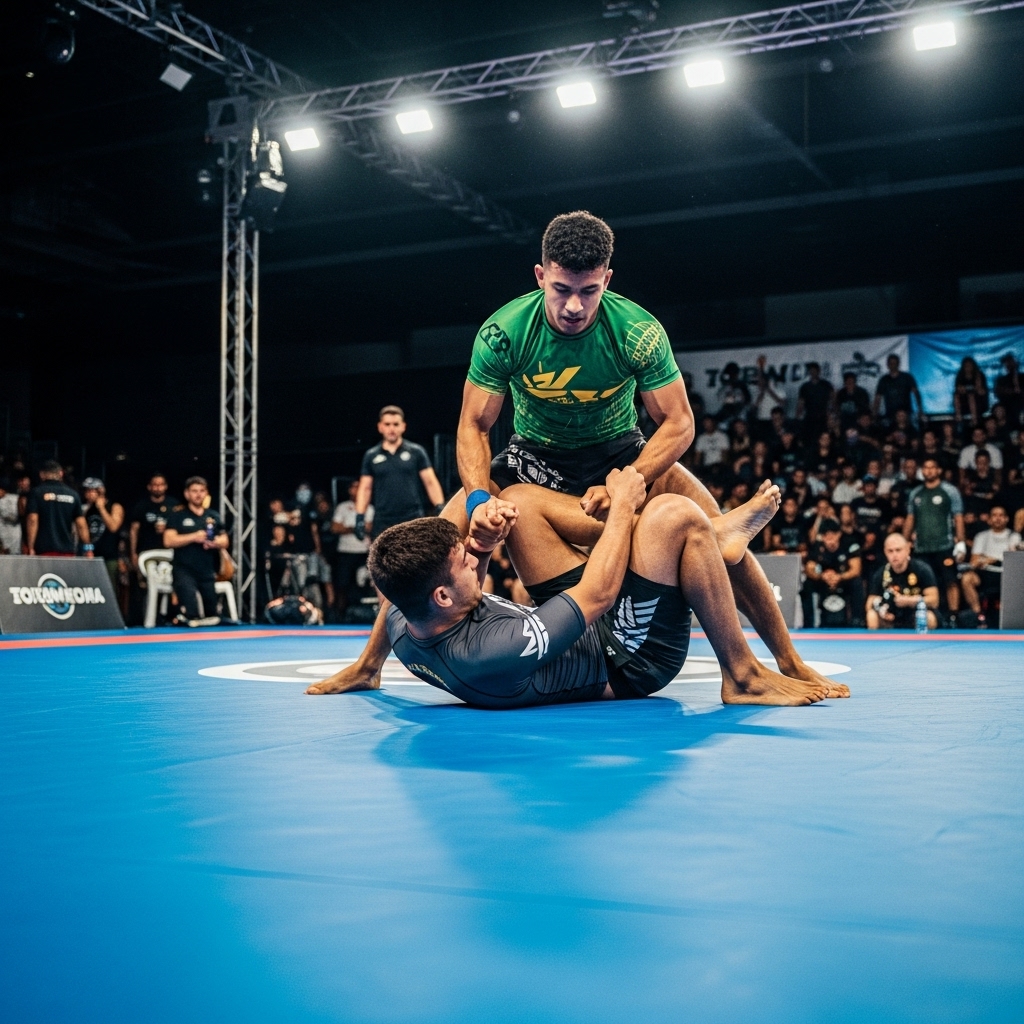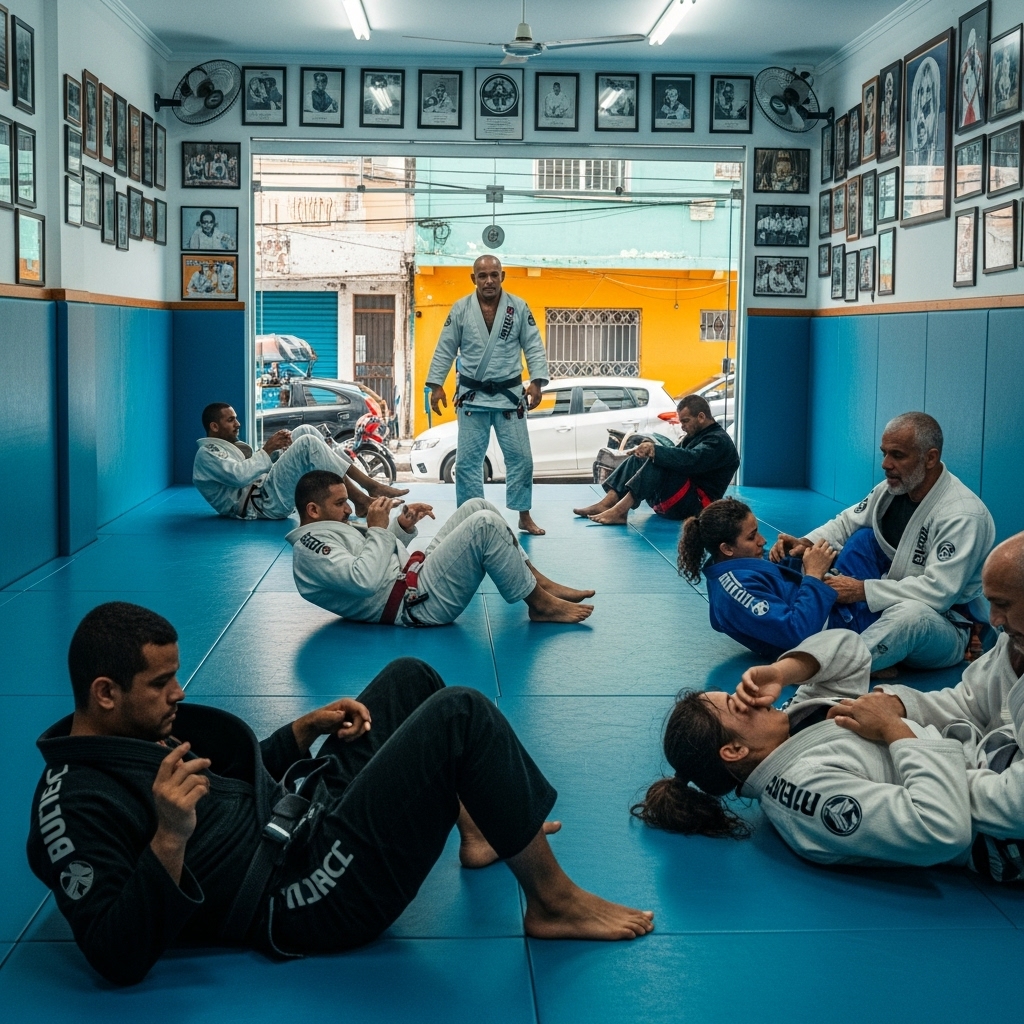
Brazilian Jiu-Jitsu (BJJ) stands today as one of the most dynamic and rapidly growing martial arts and combat sports globally. It’s journey from a specialized self-defense system to a worldwide phenomenon is a testament to its adaptability and effectiveness.
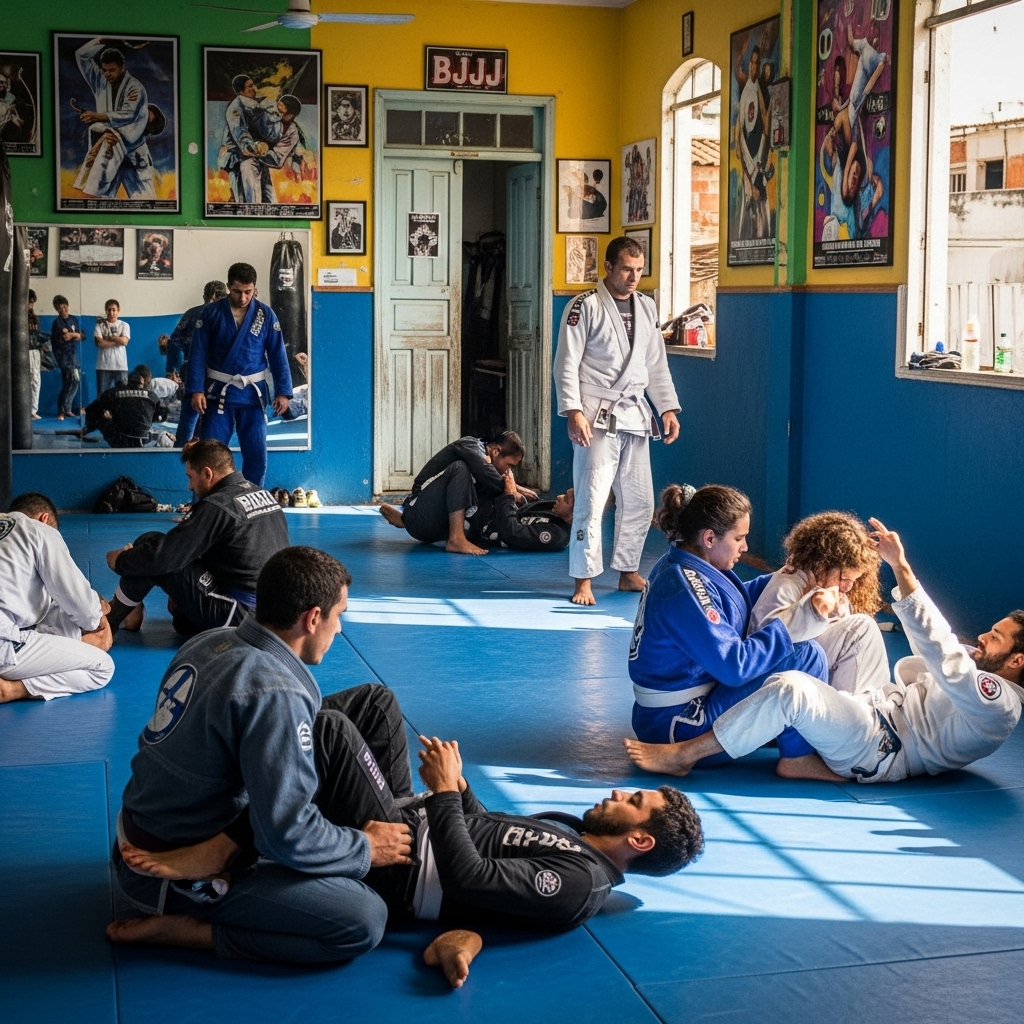
The Kodokan Roots: Mitsuyo Maeda And The Gracie Family
The story of Brazilian Jiu-Jitsu begins not in Brazil, but in Japan, with Judo. At the turn of the 20th century, a Judo master named Mitsuyo Maeda, a student of the Kodokan Judo founder Jigoro Kano, traveled the world, demonstrating and teaching Judo. Maeda, also known as “Count Koma,” eventually settled in Brazil.
In Brazil, Maeda befriended Gastão Gracie, a prominent businessman. In return for Gastão’s assistance, Maeda taught Judo principles and techniques to his son, Carlos Gracie. Carlos, in turn, passed on this knowledge to his brothers, most notably the youngest, Hélio Gracie.
Hélio, being physically smaller and more frail than his brothers, found many of the traditional Judo techniques difficult to execute against larger, stronger opponents. This compelled him to adapt and modify the techniques, focusing on leverage, timing, and intelligent body mechanics rather than brute strength. This emphasis on efficiency and strategic positioning, particularly on the ground, became the cornerstone of what would become Brazilian Jiu-Jitsu. The Gracie family meticulously tested and refined these techniques through countless challenge matches, often against practitioners of other martial arts, proving their effectiveness.
The Global Expansion: Separation From Traditional Roots
For decades, BJJ remained largely a Gracie family secret, taught and refined within their lineage in Brazil. However, its true global explosion began in the early 1990s, largely thanks to Royce Gracie and the inception of the Ultimate Fighting Championship (UFC).
In 1993, Royce, a relatively slender BJJ black belt, entered the inaugural UFC tournament. Facing opponents from various martial arts backgrounds – boxing, wrestling, karate, sumo – Royce consistently used his BJJ skills to take opponents to the ground, control them, and submit them, often with seemingly little effort. His dominant victories, despite his physical disadvantage, shocked the martial arts world and unequivocally demonstrated the power and efficacy of ground fighting.
This exposure propelled BJJ into the global spotlight. Dojos began to open outside of Brazil, and practitioners from other disciplines sought to learn the “Gracie Jiu-Jitsu” that had proven so effective. This period marked the beginning of BJJ’s true separation from its Judo roots. While still sharing fundamental principles and techniques, BJJ’s unique emphasis on ground fighting, submission holds (especially chokes and joint locks), and a less restrictive rule set than competitive Judo (which had increasingly focused on throws and limited ground time) cemented its distinct identity.
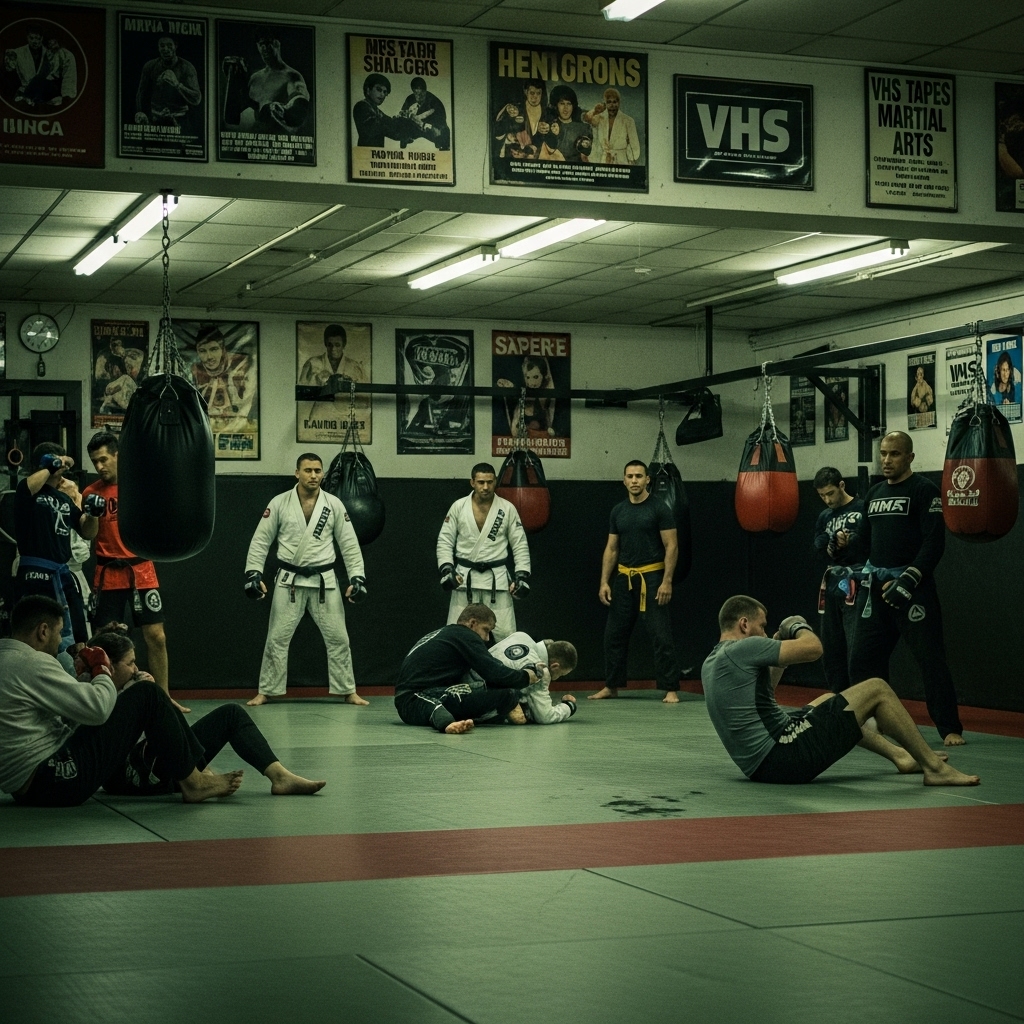
The Modernization: MMA Integration And Submission Grappling
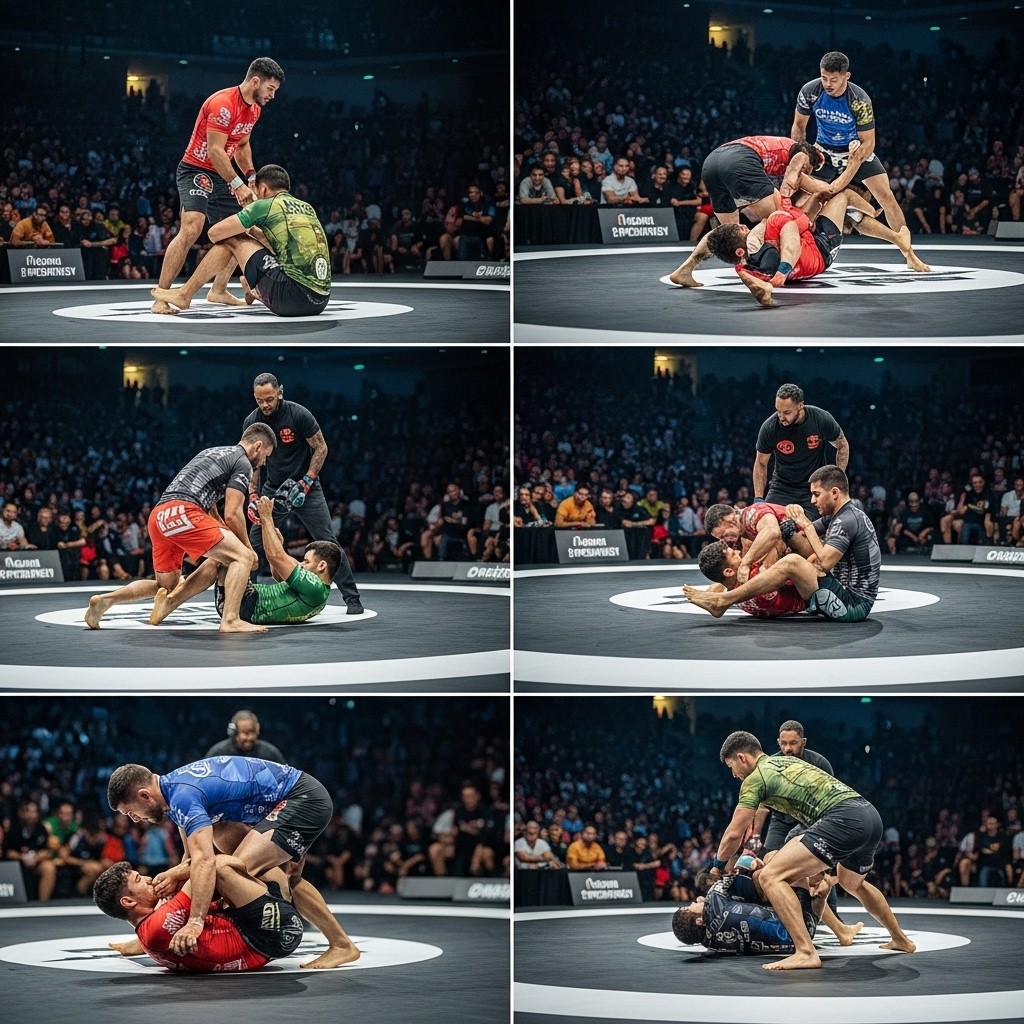
The rise of mixed martial arts (MMA), largely spearheaded by the UFC, Pride, and other promotions, became the primary crucible for BJJ’s modernization. As MMA evolved, simply having a good ground game wasn’t enough. Fighters needed to integrate striking, wrestling, and submission defense seamlessly. BJJ adapted, becoming more dynamic, focusing on transitions, takedown defense, and offensive grappling from both top and bottom positions that could flow directly into striking.
This integration led to the development of No-Gi Jiu-Jitsu or Submission Grappling as a sport in its own right. In MMA, the traditional gi was absent, forcing grapplers to rely on different grips, leverage points, and control methodologies. This “no-gi” style emphasized wrestling, scrambles, and athletic attributes alongside technical prowess.
Promotions like the Abu Dhabi Combat Club (ADCC) Submission Fighting World Championship were instrumental in solidifying submission grappling as a premier standalone sport. Founded in 1998 by Sheikh Tahnoon Bin Zayed Al Nahyan, the ADCC brought together the world’s best grapplers from BJJ, wrestling, Judo, and sambo to compete under a unified rule set that prioritized submissions and aggressive attacking.
The ADCC rules, which encouraged takedowns, positional control, and a wide array of submission attempts, directly influenced the evolution of BJJ, particularly its no-gi aspect. Grapplers began training specifically for ADCC, developing hybrid styles that incorporated elements from various grappling arts. The “ADCC style” became synonymous with dynamic, high-paced, submission-hunting grappling. Other no-gi promotions and events, like those organized by Eddie Bravo’s Eddie Bravo Invitational (EBI), further pushed the boundaries of submission-only grappling, contributing to its popularity and technical refinement.
BJJ Today: A Global Sport And Culture
Today, Brazilian Jiu-Jitsu is a global phenomenon with millions of practitioners worldwide. It has it’s own vibrant competition scene, distinct from Judo, with a wide array of gi and no-gi tournaments catering to all skill levels. It’s a sport that continues to evolve, with new techniques and strategies constantly being developed.
From the self-defense system honed by the Gracie family to the modern rule-sets like that of the ADCC, Fight2Win, CJI and others, BJJ’s journey is a testament to the power of adaptation and the constant pursuit of effectiveness. It remains a martial art deeply rooted in its traditions, yet it has boldly embraced innovation, cementing its place as a cornerstone of modern combat sports.