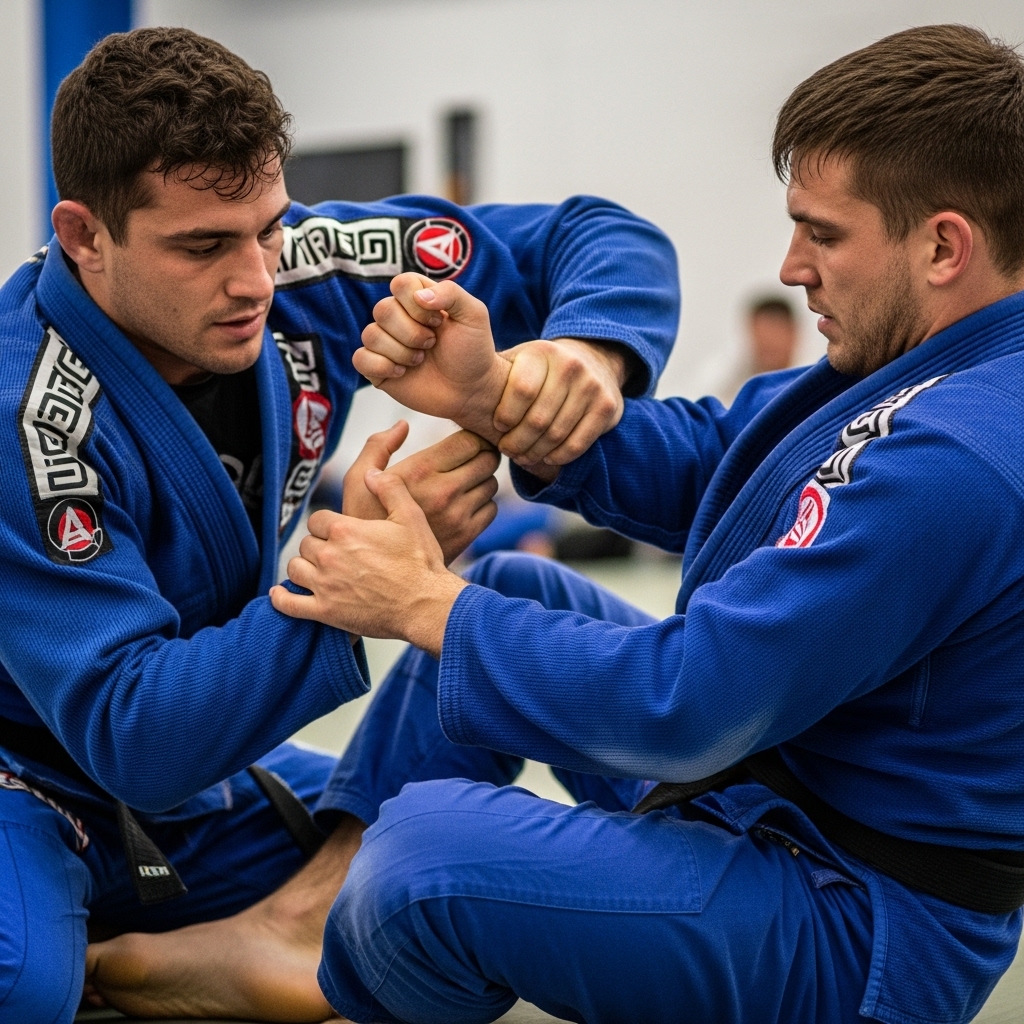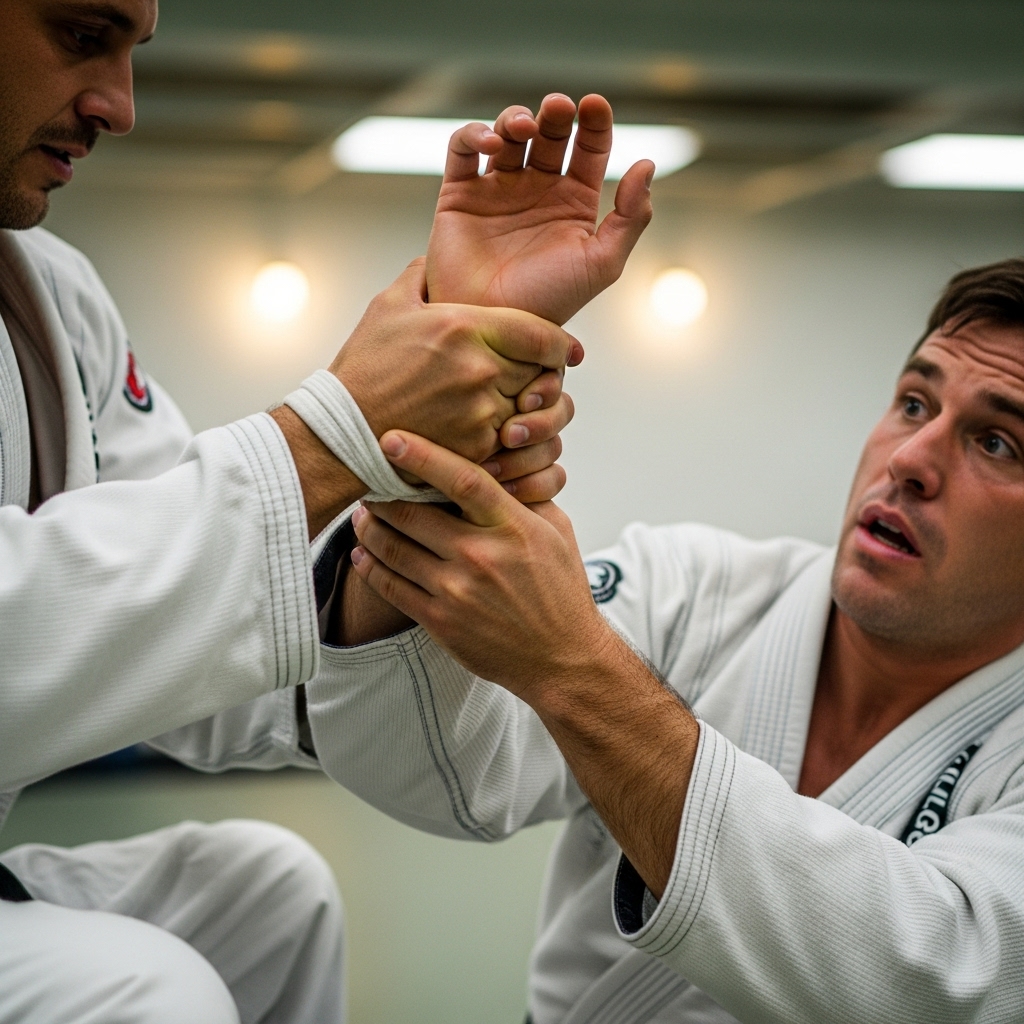
For many within the submission grappling community, the mention of a wristlock often elicits a groan, an eye-roll, or even outright disdain. It’s frequently dismissed as a “cheap,” “painful,” or even “dangerous” submission, particularly among newer practitioners. However, this widespread perception often stems from a lack of understanding regarding its technical application, its historical legitimacy, and its surprising safety when applied correctly. It’s time to defend the wristlock as a legitimate and highly effective submission, deserving of respect in the grappling arsenal.

The Misunderstood Mechanic: Why The Bad Rap?
The primary reason for the wristlock’s poor reputation often lies in its abruptness and perceived fragility of the joint. Unlike a slow, deep choke or a gradual armbar, a wristlock can go from zero to excruciating very quickly. This rapid onset of pain, coupled with the natural human instinct to protect one’s hands and wrists, often leads to a quick tap, sometimes even before the full mechanics are understood by the recipient.
Furthermore, many practitioners are introduced to sloppy, aggressive wristlock attempts, particularly from white belts eager to get a tap. These attempts, lacking precision and control, can indeed feel jarring and potentially unsafe, contributing to the negative stereotype. However, a clumsy armbar or an incorrectly applied heel hook can be far more damaging; the issue isn’t the submission itself, but the application.
Legitimacy Beyond Doubt: A Foundational Joint Lock
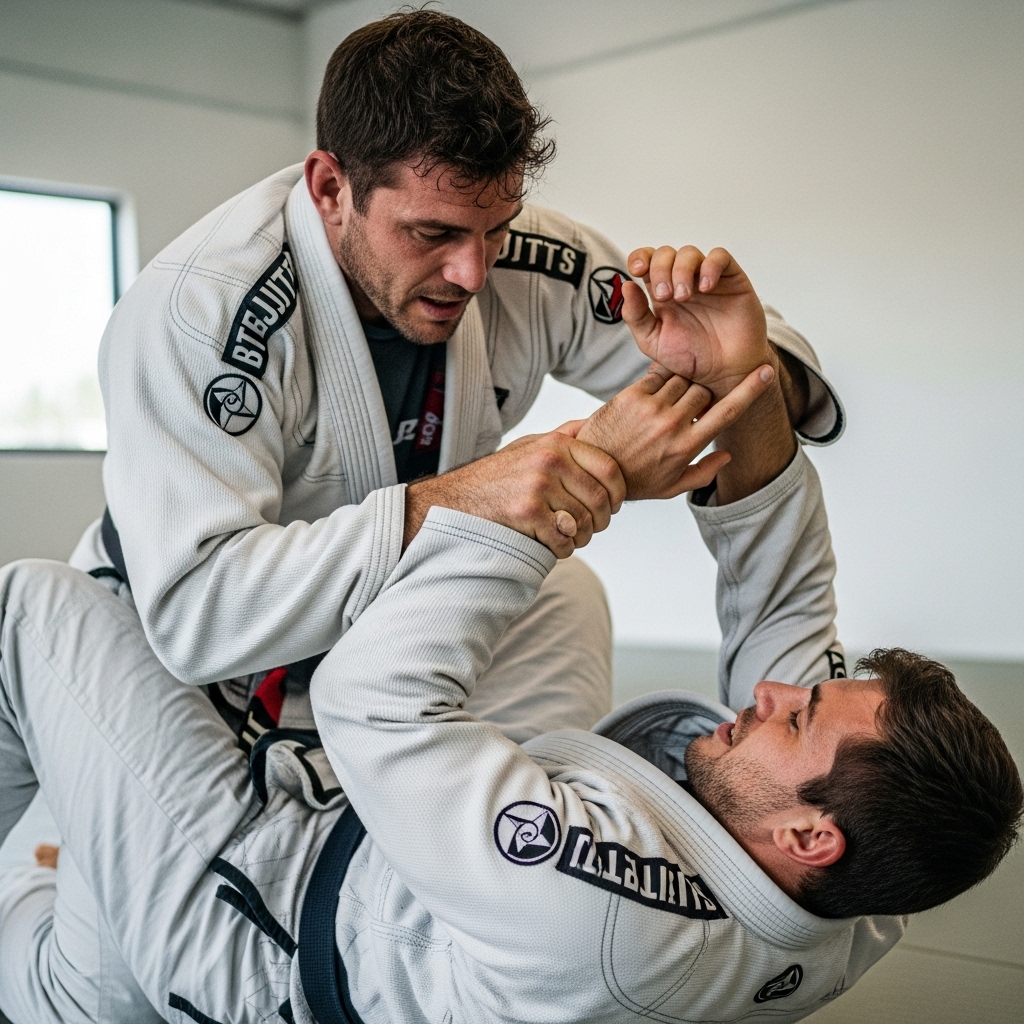
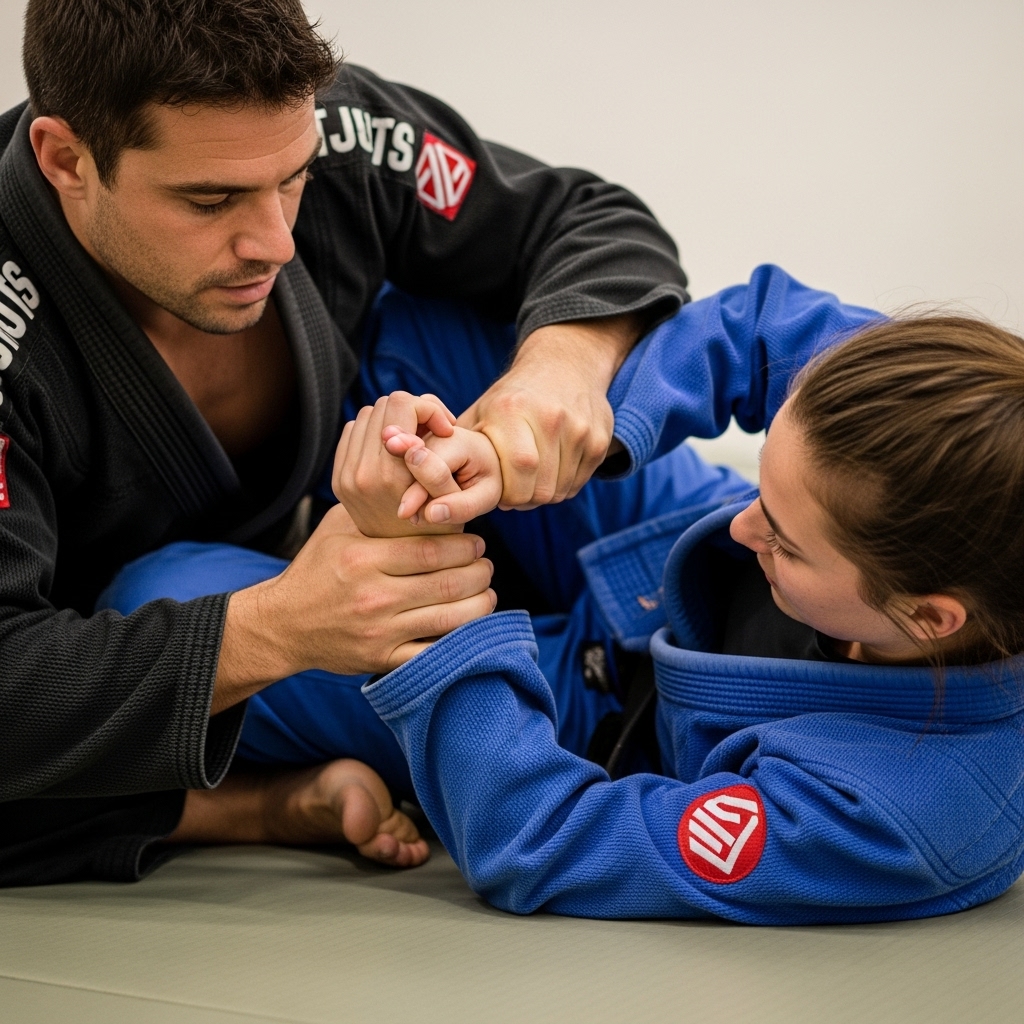
Historically and functionally, the wristlock is as legitimate a joint lock as any other in jiujitsu. It targets a complex joint with a limited range of motion, and its mechanics follow the same principles of leverage and isolation found in armbars, knee bars, and shoulder locks.
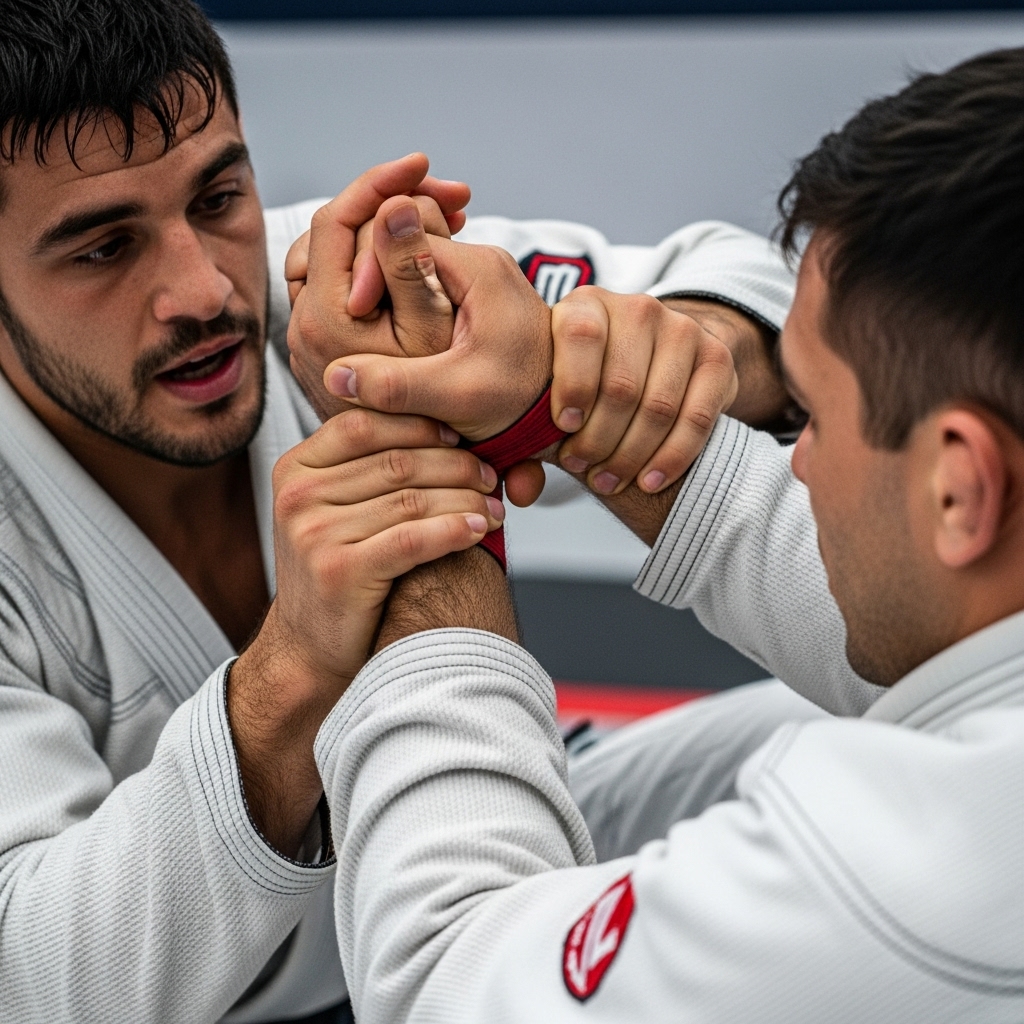
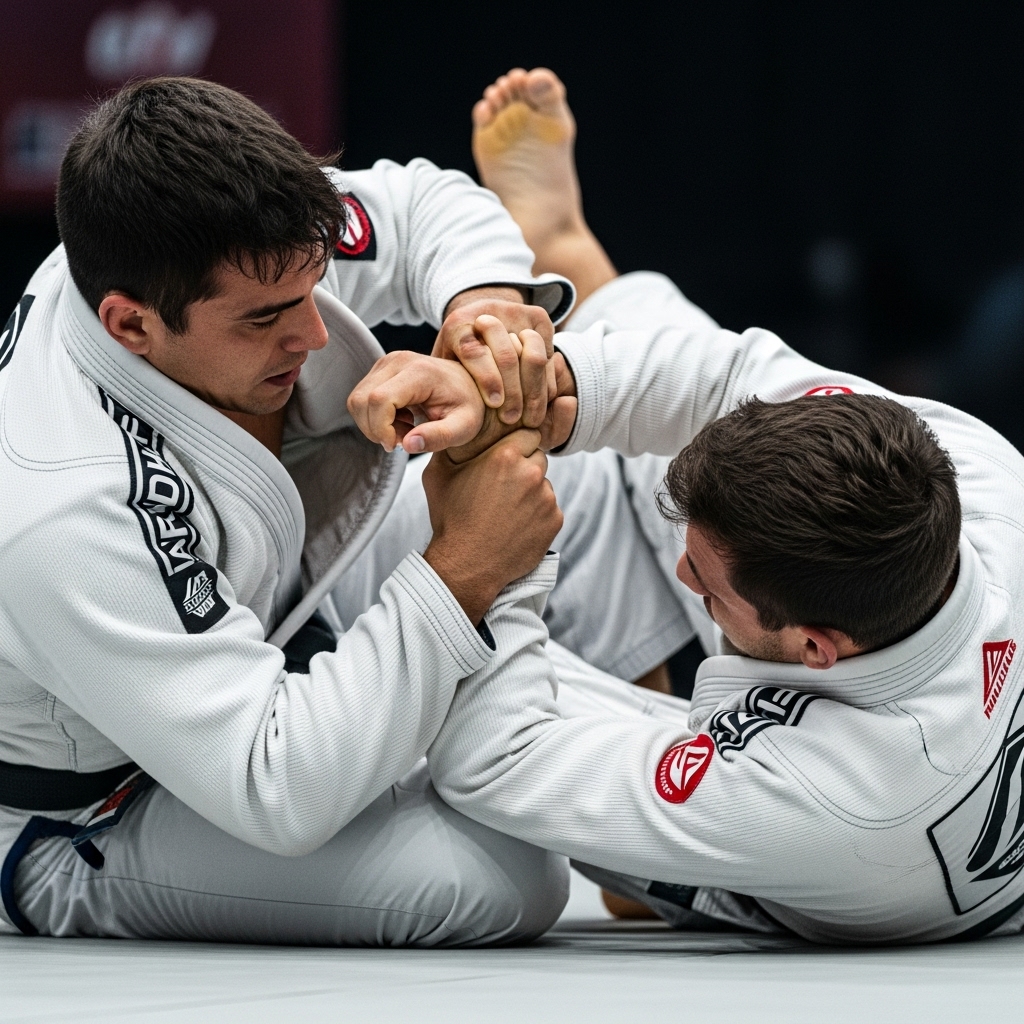
Technical Depth: A properly executed wristlock is not simply “cranking” on a hand. It involves precise control of the opponent’s wrist and fingers, leveraging specific angles to apply pressure to the carpal bones and ligaments. It can be set up from various positions – guard, mount, side control, back control, and even standing – making it a versatile tool.
Self-Defense Utility: In a self-defense scenario, controlling or damaging an opponent’s hand or wrist can be incredibly effective. It’s a prime target for incapacitation, disarming, or creating immediate compliance without necessarily going to the ground. Many traditional martial arts extensively feature wrist manipulation for this very reason.
Sport BJJ Effectiveness: In competition, wristlocks are legal and effective at virtually all belt levels (check specific federation rules, as some youth divisions may restrict them). They are low-risk to attempt from a dominant position and can surprise an opponent who is primarily defending against larger limb attacks. They force a tap or create an opening for other techniques.
Safety First: The Gentle Art’s Guiding Principle
The accusation that wristlocks are inherently “unsafe” is perhaps the most significant misconception. When applied correctly and responsibly, wristlocks are remarkably safe, arguably safer than many other submissions that carry a higher risk of ligament tears or unconsciousness if resisted too long.
Clear Tapping Window: The wrist joint gives immediate and unmistakable feedback. The pain comes on quickly, but it also subsides immediately upon release. This clear “tap or break” threshold means there’s less ambiguity than, say, a slow-burning choke where someone might go out before realizing they’re in danger, or a leg lock where a pop might happen before pain registers fully.
Low Impact On Other Joints: Unlike sweeps or throws that can put stress on knees and ankles, or chokes that affect the neck, a wristlock, when isolated, focuses pressure solely on the wrist.
Responsibility Of The Attacker: As with any submission in grappling, the attacker has a paramount responsibility to apply the technique slowly, with control, and to release immediately upon a tap or vocal submission. This is fundamental to the “gentle art.” A responsible practitioner never cranks violently.
Responsibility Of The Defender: Conversely, the defender has the responsibility to tap early. Because the pain is immediate, there’s no excuse to “tough it out” to the point of injury. Tap quickly, reset, and learn from the exchange.
The Tactical Advantage: A Hidden Gem
Beyond their direct submission potential, wristlocks offer significant tactical advantages:
Unexpected Attack: Because they are often overlooked, wristlocks can catch opponents off guard, making them highly effective against those who are well-versed in defending more common submissions.
Distraction: An attempted wristlock often forces an opponent to dedicate both hands to defense, creating openings for sweeps, passes, or transitions to other submissions (e.g., transitioning from a wristlock attempt to an armbar or triangle).
Positional Dominance: Even if not submitted, the threat of a wristlock can disrupt an opponent’s posture, break their grips, and prevent them from achieving their own objectives.
Conclusion: Embrace The Wristlock
It’s time to shed the stigma surrounding the wristlock. When taught and applied with the precision and control that defines effective submission grappling, it is a legitimate, versatile, and surprisingly safe submission. It offers unique tactical advantages, reinforces the principle of targeting weaker links, and has a strong foundation in both self-defense and sport grappling. By understanding its mechanics and respecting the “tap or release” principle, practitioners can unlock another layer of effectiveness in their game, proving that sometimes, the smallest targets can lead to the biggest victories.