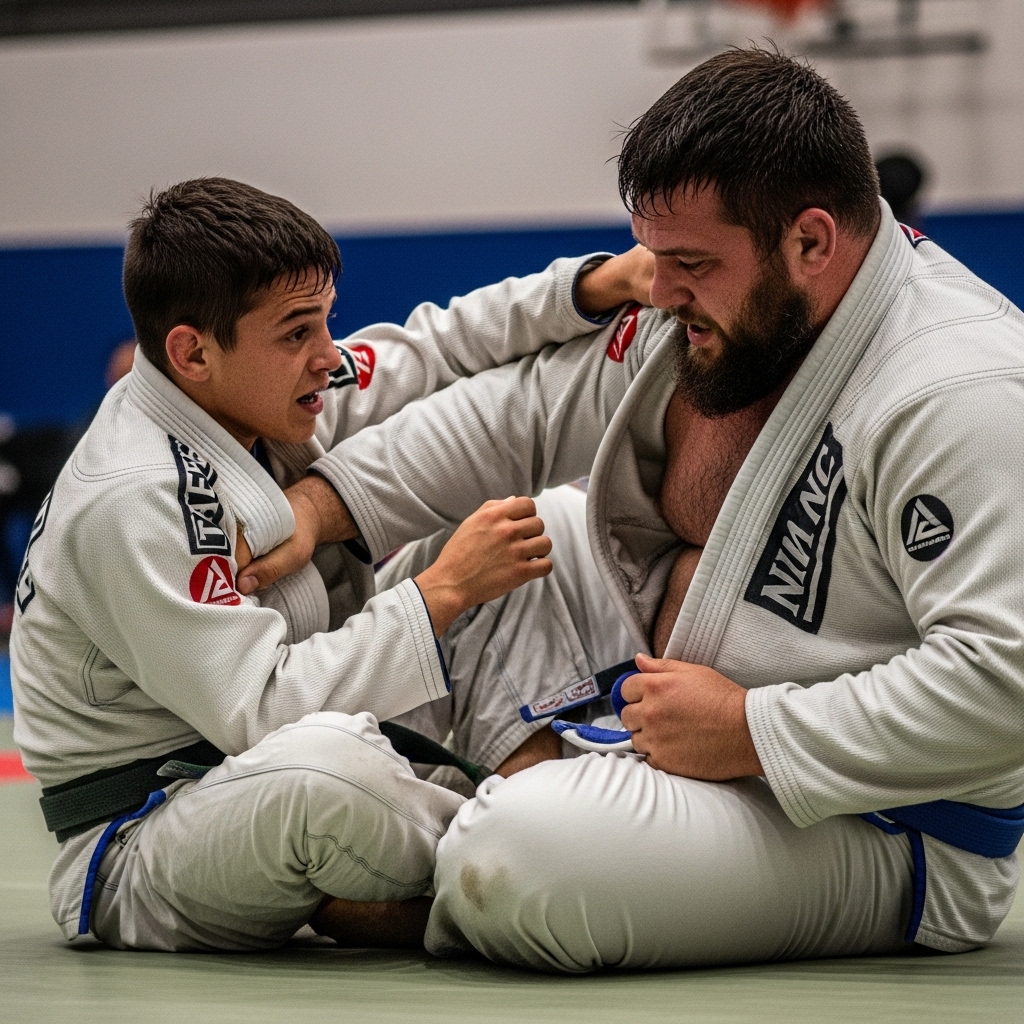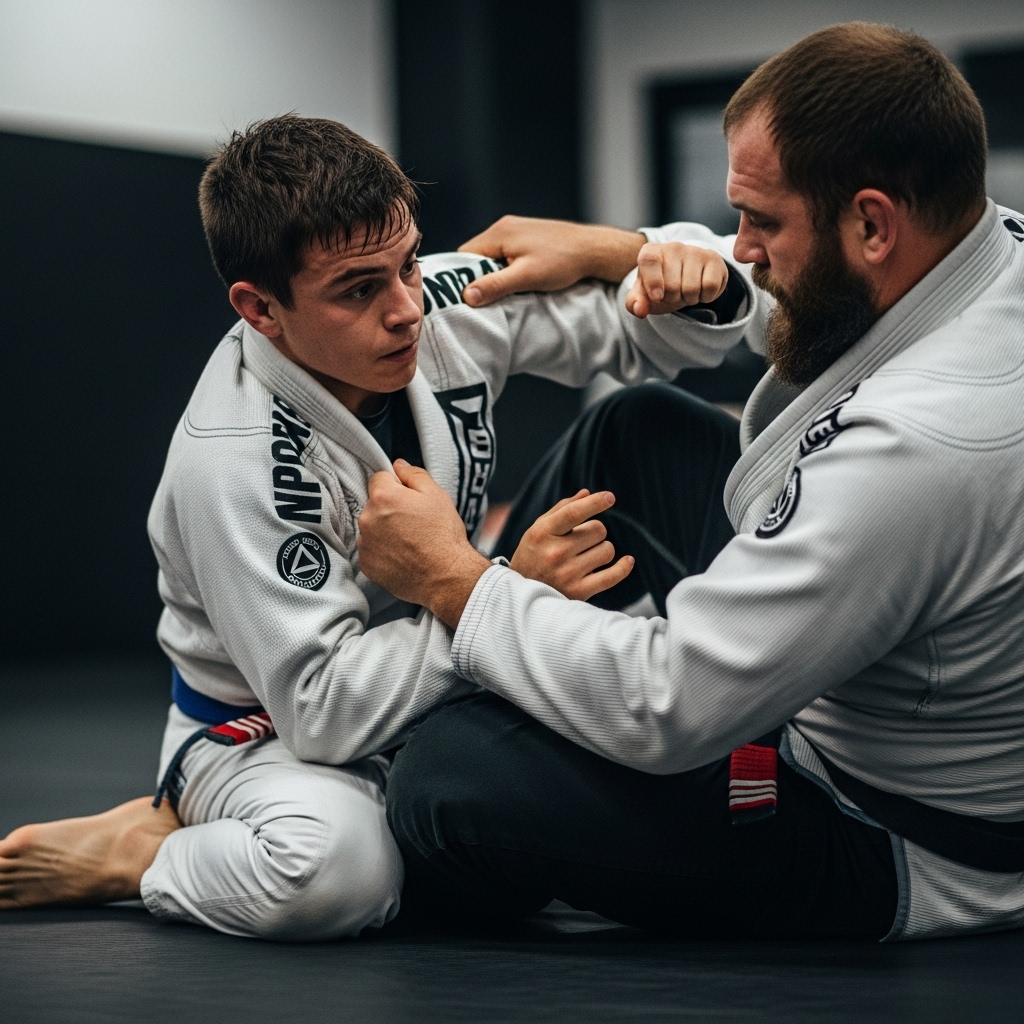
In the intricate chess match that is submission grappling, certain positions consistently stand the test of time, evolving with the sport while remaining fundamental. Among these, halfguard stands out as a deceptively simple yet profoundly powerful position. Often dismissed by beginners as a stop-gap or a mere transition, halfguard, when mastered, transforms into a formidable offensive and defensive platform for the bottom player.
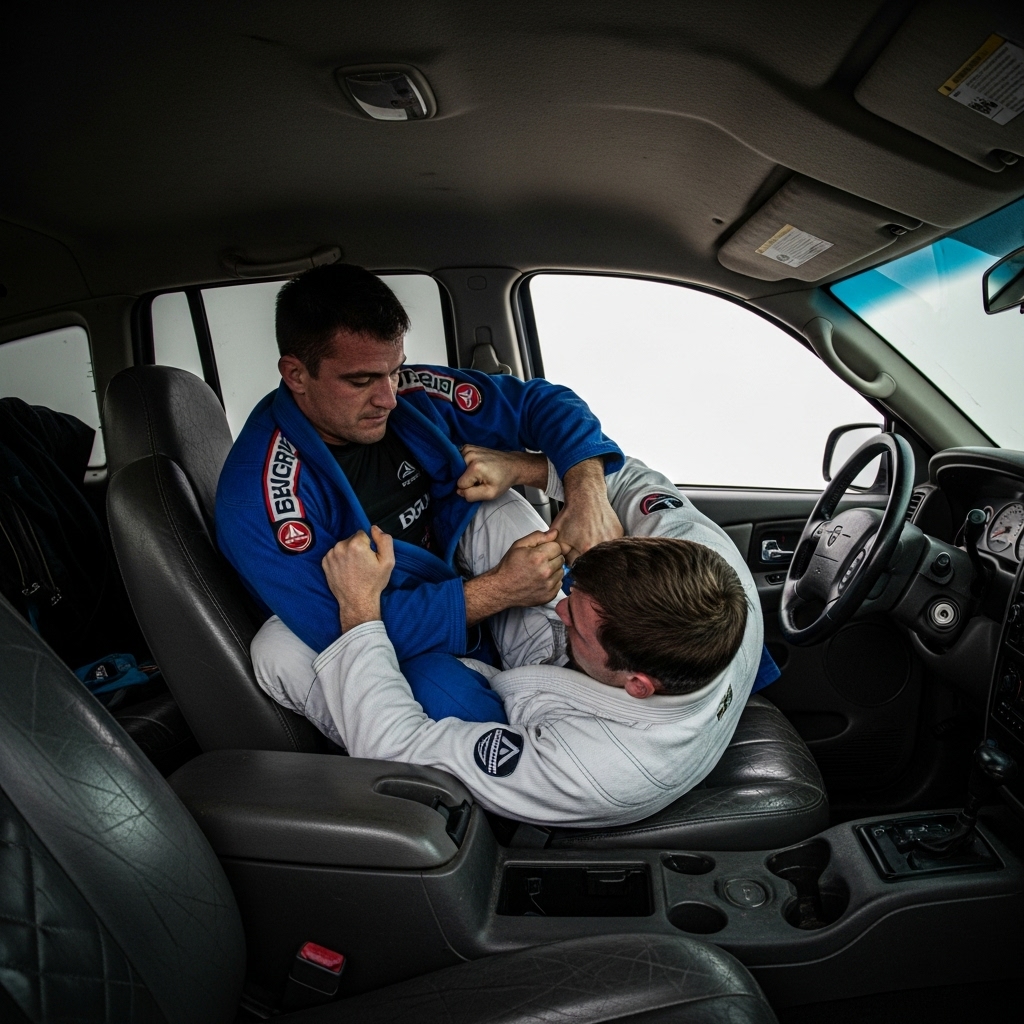
For many, halfguard is where escape meets offense. It’s a position where one of your legs is entangled with one of your opponent’s legs, allowing for crucial control and limiting their mobility, while simultaneously opening up a plethora of options for sweeps, reversals, and even submissions. It’s the ultimate example of “playing from behind” to get ahead.
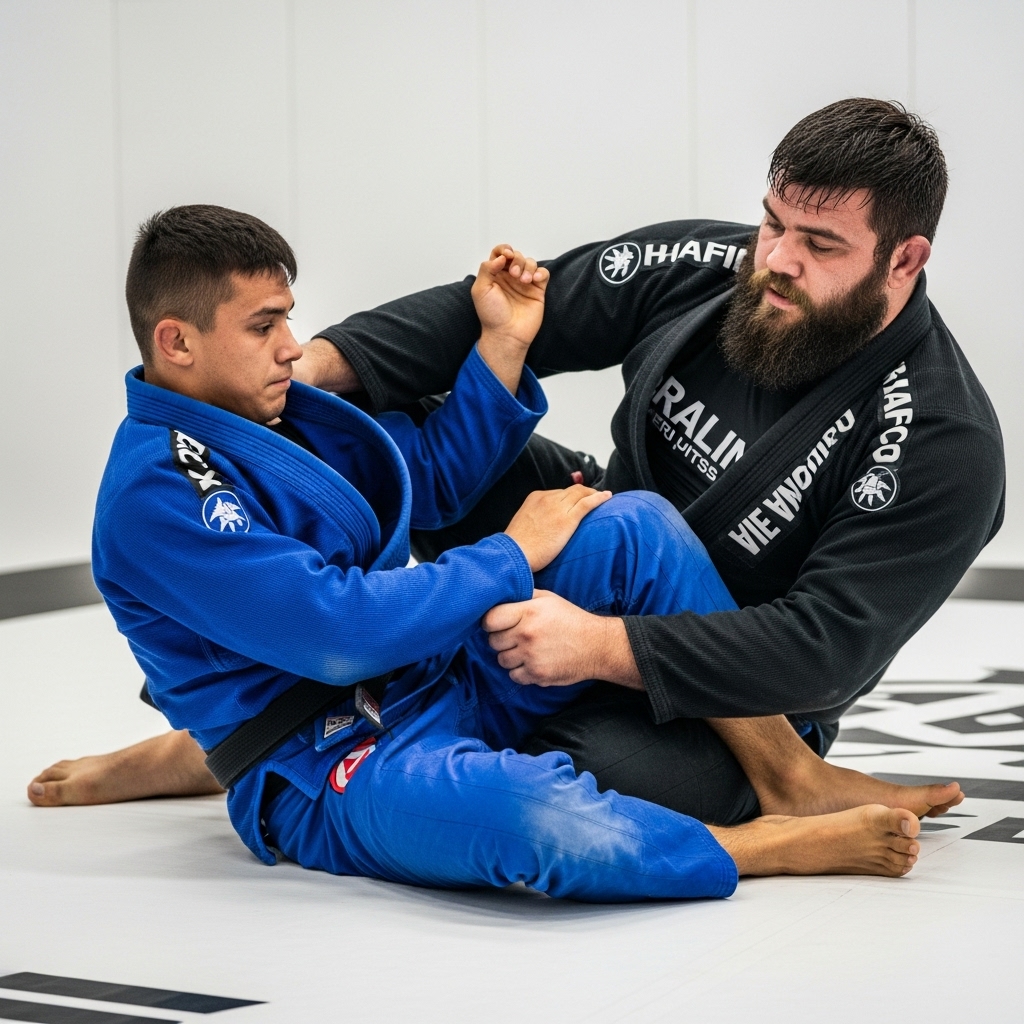
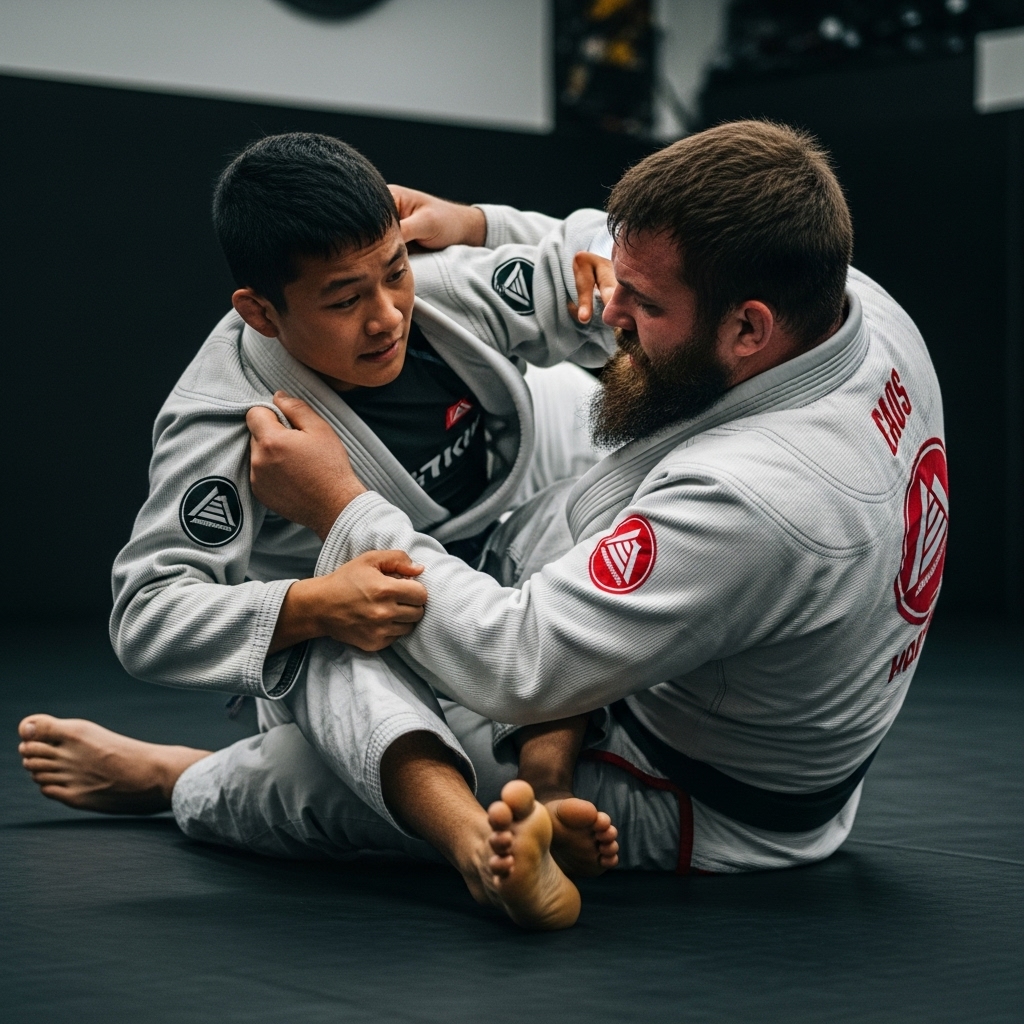
Why Halfguard? The Power of Entanglement and Control
The primary benefit of halfguard for the bottom player lies in its inherent entanglement. By trapping one of your opponent’s legs, you immediately:
- Halt The Pass: You prevent them from easily completing a full guard pass to side control or mount.
- Reduce Mobility: Their base is compromised, making it harder for them to posture up, drive weight, or move laterally.
- Create Leverage: Your trapped leg provides a fulcrum for off-balancing and initiating sweeps.
- Establish Frames: Your free limbs can create frames to manage distance, prevent pressure, and set up attacks.
- Close Distance: Unlike open guard, half guard forces a closer proximity, which can be advantageous for certain attacks and scrambles.
Halfguard is often seen as a recovery position. If your fullguard(closed) has been compromised, slipping into halfguard is frequently the most intelligent immediate response, preventing the pass and giving you a chance to reset and counter.
Common Sweeps From Half Guard
Reverse Half Guard: Creates unique angles for sweeps by turning your hips away from your opponent.
The Underhook Sweep (Classic Half Guard Sweep): Secure a deep underhook on the far arm, frame with your other arm, hip escape, and roll them over.
The Old School Sweep (Deep Half Guard Sweep): Dive deep underneath your opponent, controlling their far leg, and elevate/sweep.
Butterfly Half Guard (Elevator/Butterfly Sweeps): Use a butterfly hook with your free leg to elevate and sweep.
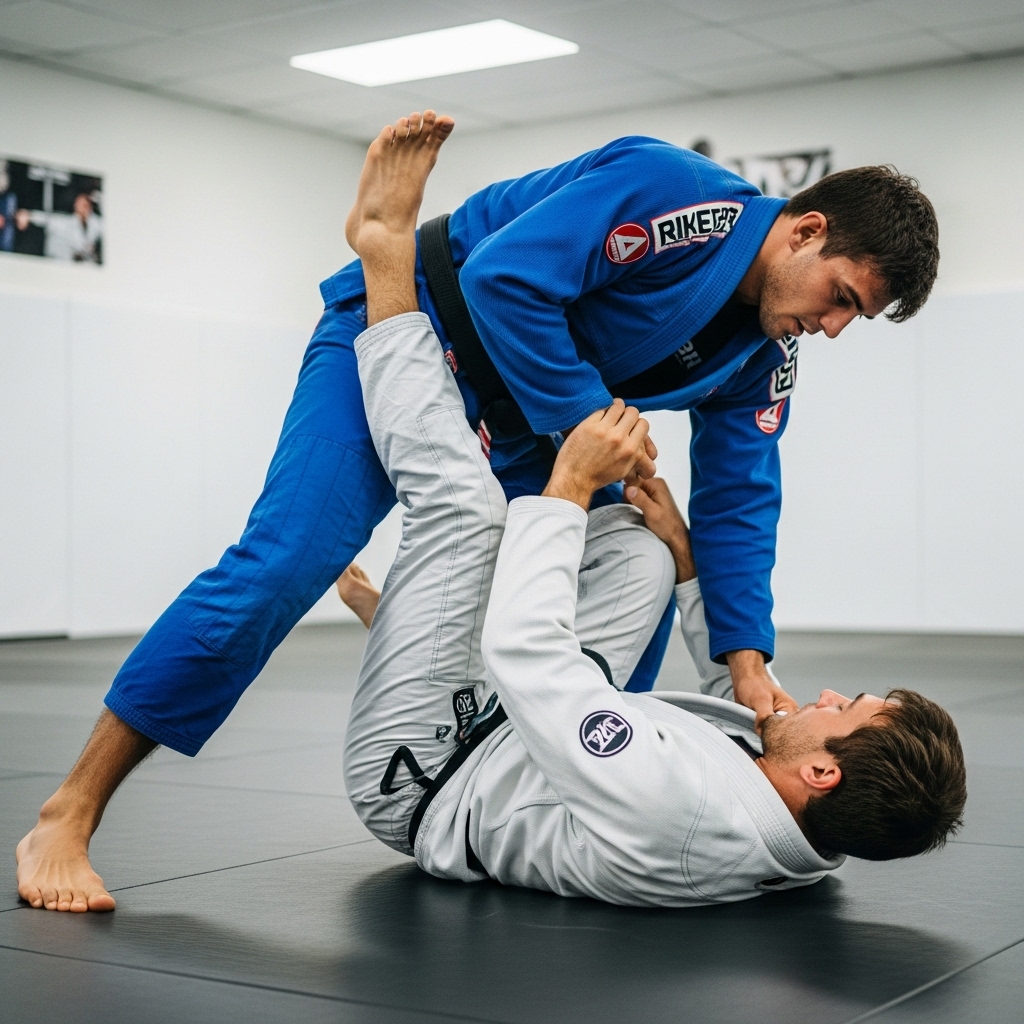
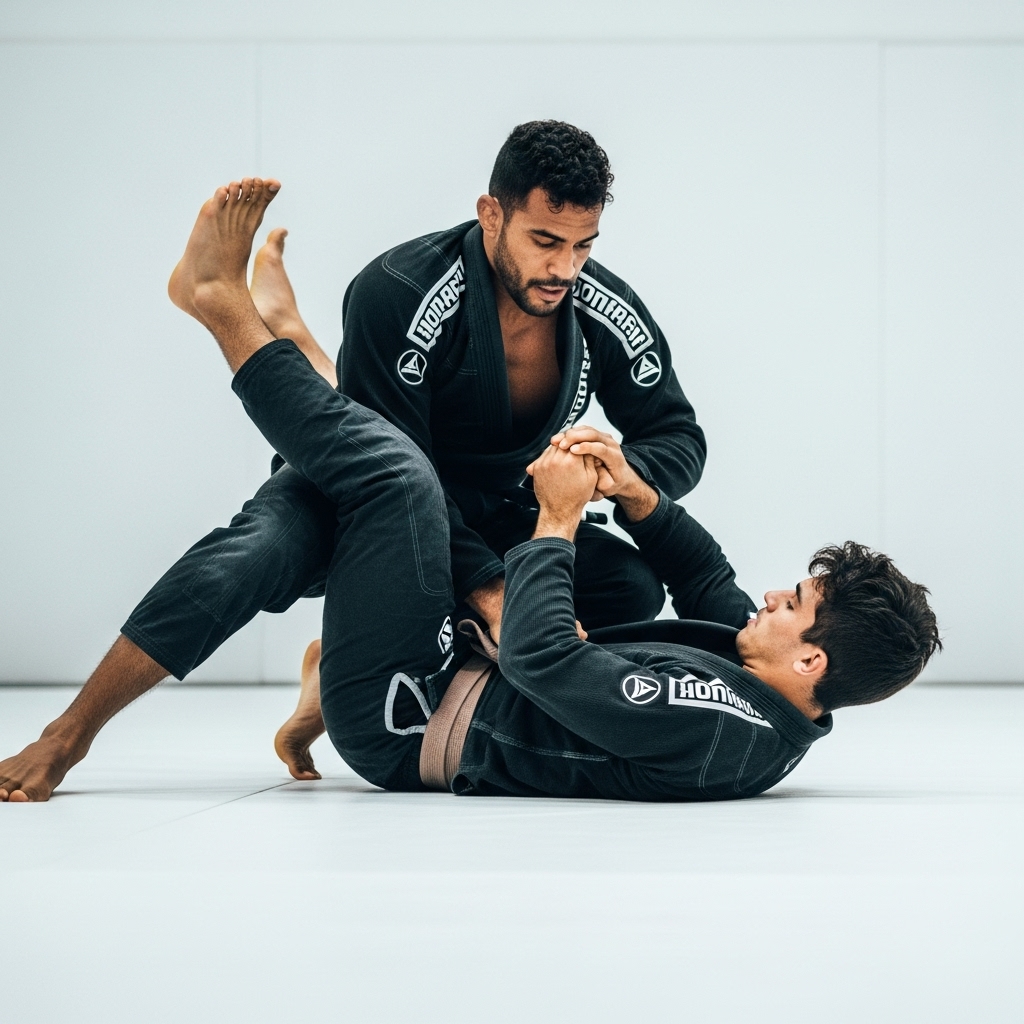
Common Submissions From Bottom Half Guard
Leg Locks (Knee Bar/Heel Hook): Advanced option involving a scramble and leg entanglements.
Guillotine Choke: Capitalize on your opponent leaning forward by wrapping their neck and finishing the choke.
Kimura: Isolate their posted arm and apply the shoulder lock.
Arm Triangle Choke (Modified): Trap their arm and head, using your body to apply pressure.
D’Arce/Anaconda Choke: Opportunistic chokes caught as your opponent tries to escape.
In essence, halfguard is far more than a defensive last resort; it’s a dynamic, multi-faceted position that embodies the very spirit of jiujitsu: turning a disadvantage into an opportunity. By understanding its nuances, mastering its transitions, and recognizing its offensive potential for both sweeps and submissions, practitioners of all levels can transform their halfguard into an indomitable force, proving that even when seemingly entangled, true mastery lies in controlling the chaos. Embrace the halfguard, and unlock a new dimension in your grappling game.