

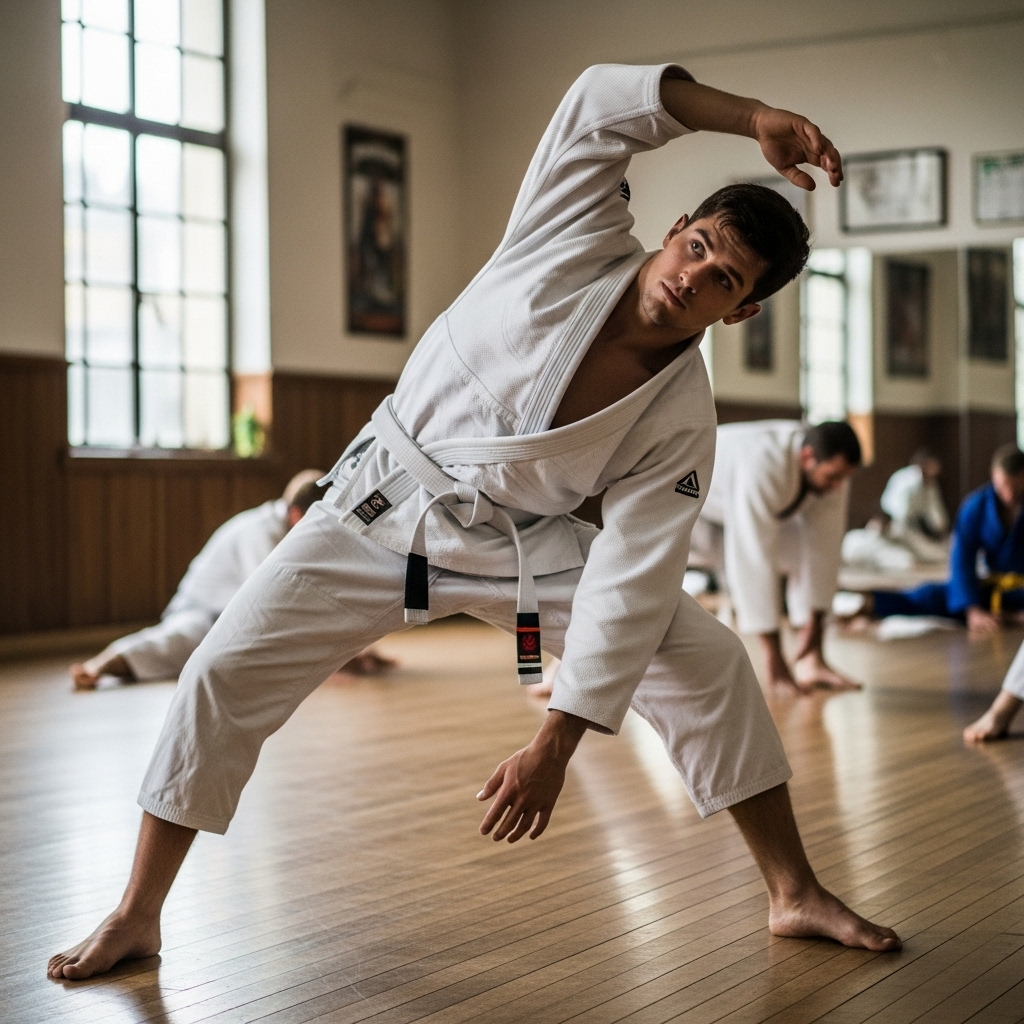
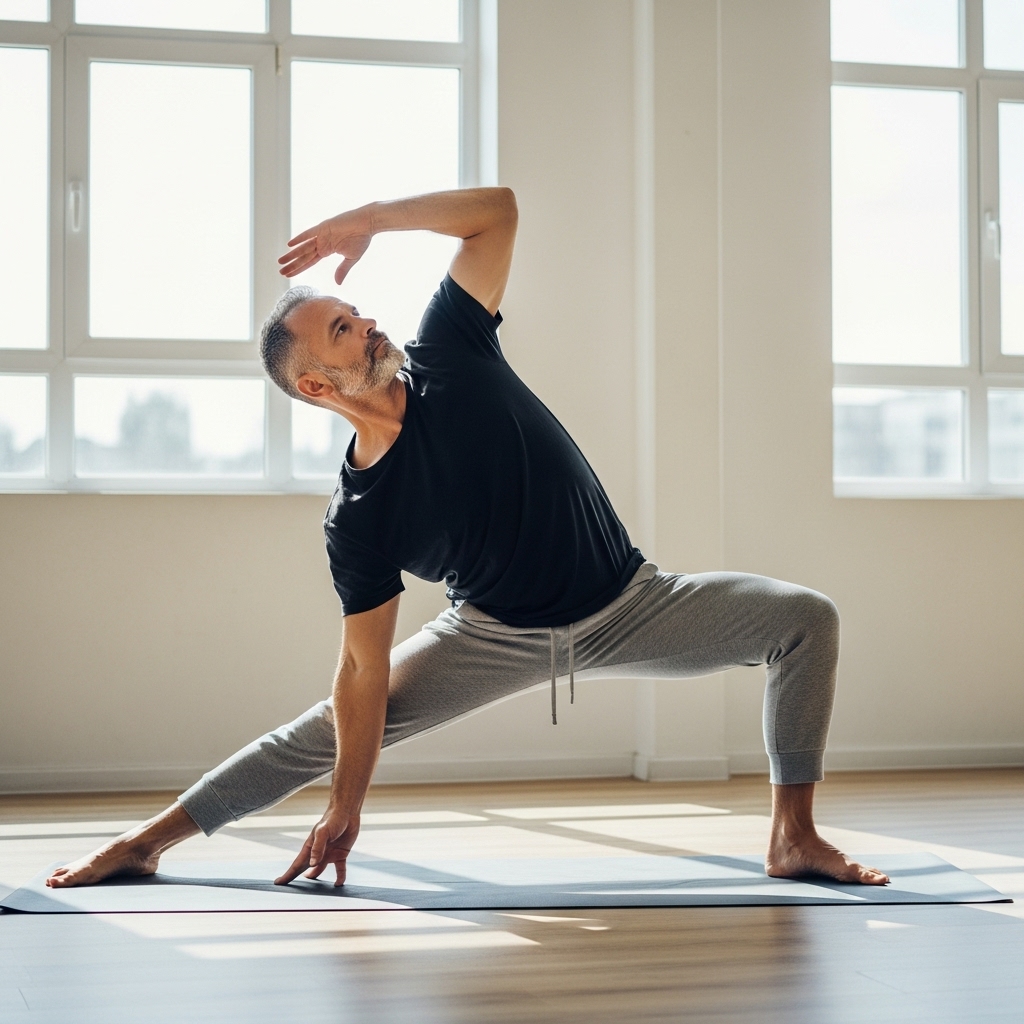
In the demanding world of jiu-jitsu and other combat sports, athletes constantly seek ways to gain an edge. While strength and technique are paramount, often overlooked is the crucial role of flexibility, balance, and mental fortitude. Enter yoga, an ancient practice that offers a wealth of benefits for combat sports athletes.
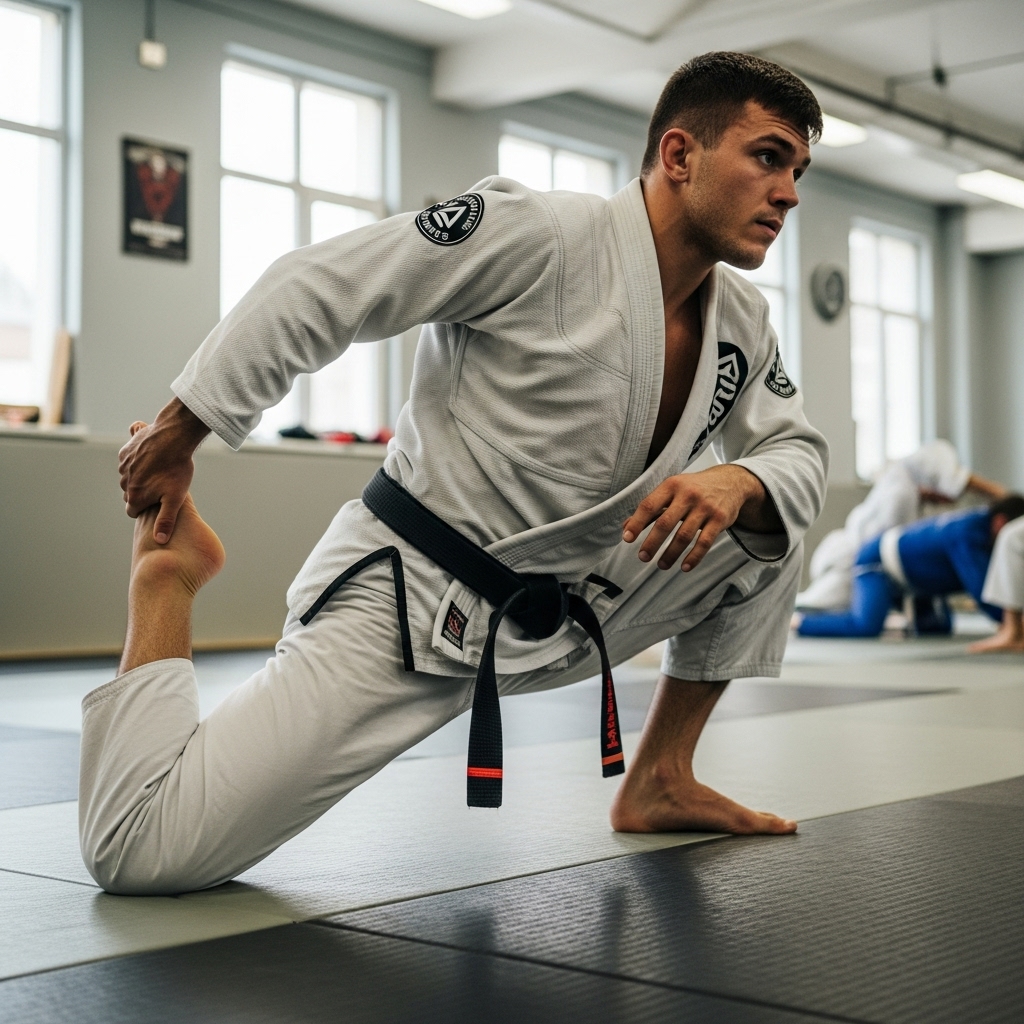
Flexibility and Range of Motion: Yoga’s dynamic stretches and poses elongate muscles, improving range of motion and reducing the risk of injury. This is crucial in jiu-jitsu, where flexible joints are essential for executing sweeps, submissions, and guard retention.
Strength and Stability: Yoga builds functional strength, particularly in the core and stabilizing muscles. Poses like plank and balancing poses enhance stability, crucial for maintaining balance during grappling exchanges or striking.
Endurance: Holding poses and engaging muscles for extended periods improves muscular endurance, a key factor in withstanding the rigors of combat sports training and competition.
Improved Breathing: Yoga emphasizes breath control, teaching practitioners to utilize their lungs to full capacity. This translates to improved stamina and the ability to manage exertion during intense sparring or matches.
Faster Recovery: Yoga increases blood flow, reducing muscle stiffness and soreness. This aids in faster recovery from training sessions, allowing athletes to train more frequently and consistently.
Mental Focus and Discipline: Yoga cultivates mindfulness and concentration. Learning to quiet the mind and focus on the breath enhances mental clarity, crucial for making split-second decisions under pressure.
Stress Management: The intensity of combat sports training can lead to stress. Yoga provides tools for managing stress through mindfulness and relaxation techniques.
Injury Prevention and Rehabilitation: Yoga’s emphasis on alignment and mindful movement helps prevent common injuries in combat sports. It strengthens supporting muscles and improves joint health.
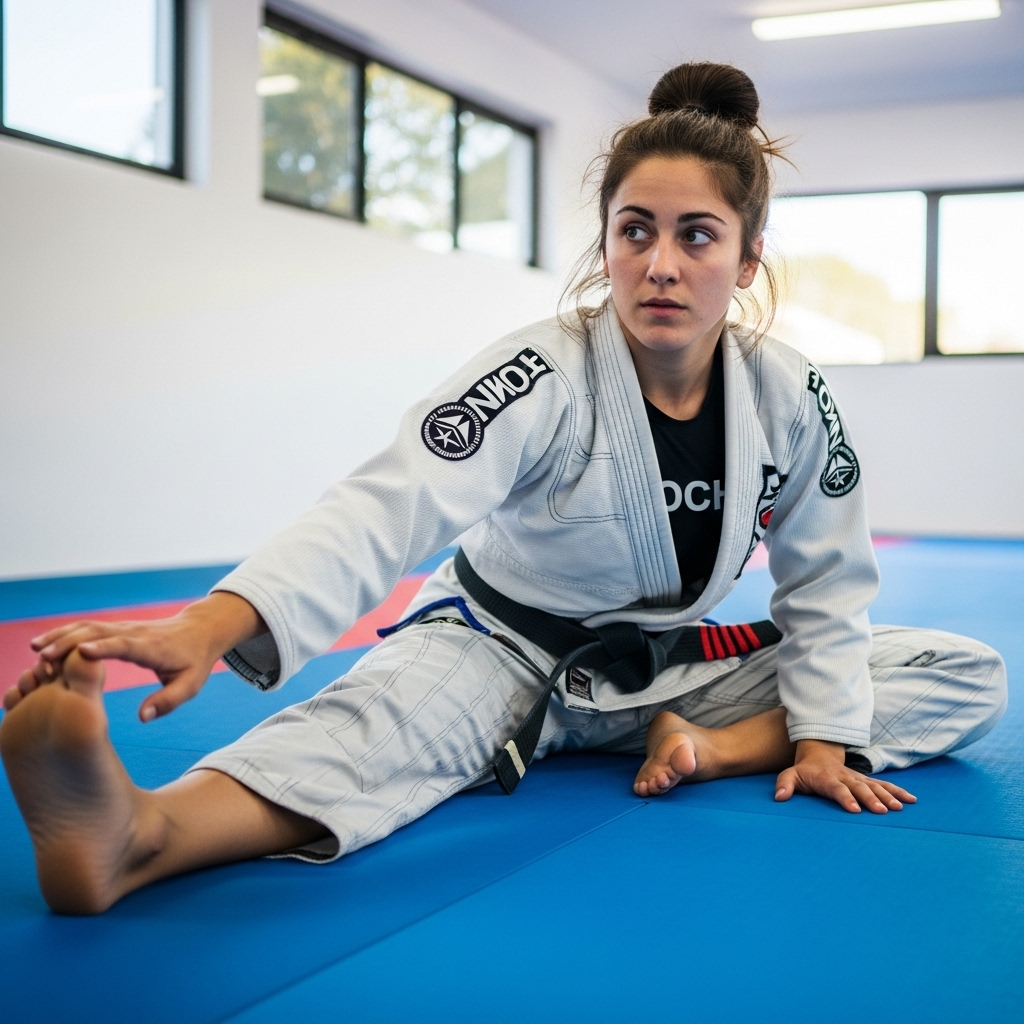
Incorporating Yoga into Your Routine
Adding yoga to your training regimen doesn’t require extensive time commitments. Even 20-30 minutes a few times a week can yield significant benefits. Some options to consider when starting your own yoga practice are classes(whether online, or in person), or a more private personal approach in the comfort of your own home.
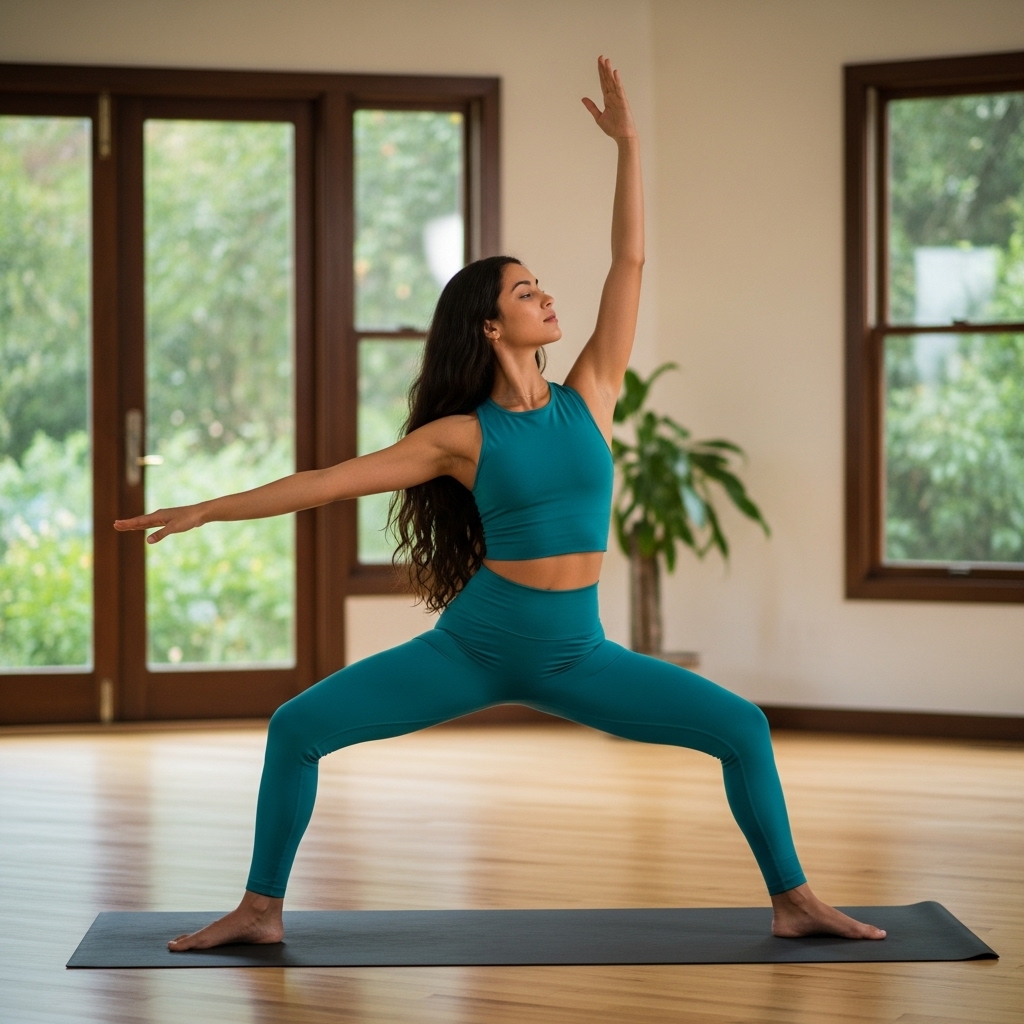
Dedicated Yoga Classes: Many gyms and studios offer classes specifically tailored for athletes.
Online Resources: Numerous apps and websites provide guided yoga routines for all levels.
Self-Practice: With some guidance, you can develop your own yoga routine focusing on poses that target areas important for your sport.
By integrating yoga into your training, you’ll not only enhance your physical performance but also cultivate the mental resilience needed to excel in the demanding world of jiu-jitsu and combat sports.
Do you have a dedicated mobility regimen, like yoga or foundational training? How has it impacted your game? Do you have any recommendations for those debating starting their own routine? Let us know in the comments! And, as always, thank you for grappling!


