

“Sucking at something is the first step towards being sorta good at something”
-Jake The Dog, Adventure Time
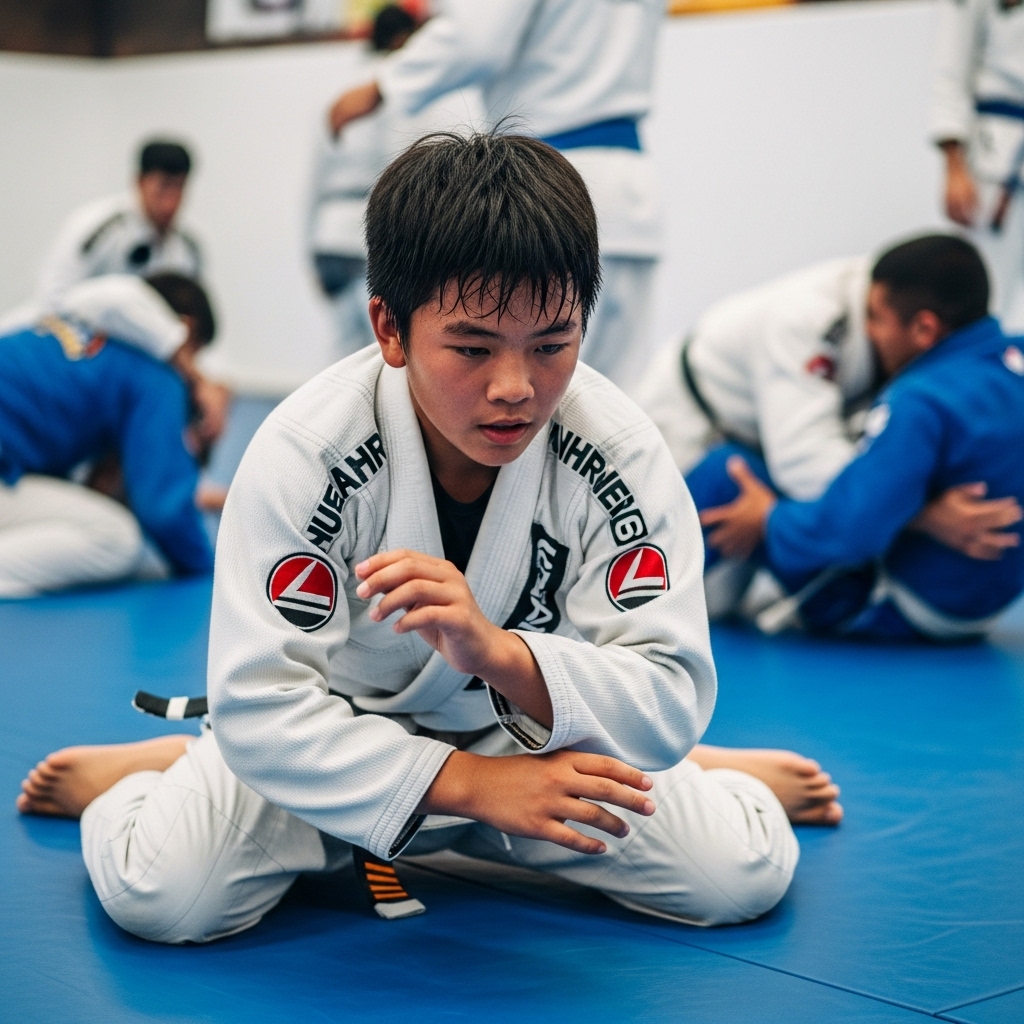
Congratulations on taking the first step into the fascinating and rewarding world of Brazilian Jiu-Jitsu! This journey will challenge you, empower you, and introduce you to an incredible community. To help you navigate these early stages, here’s some advice on essential equipment, nutrition, and recovery.
Gear Up (Smartly!)
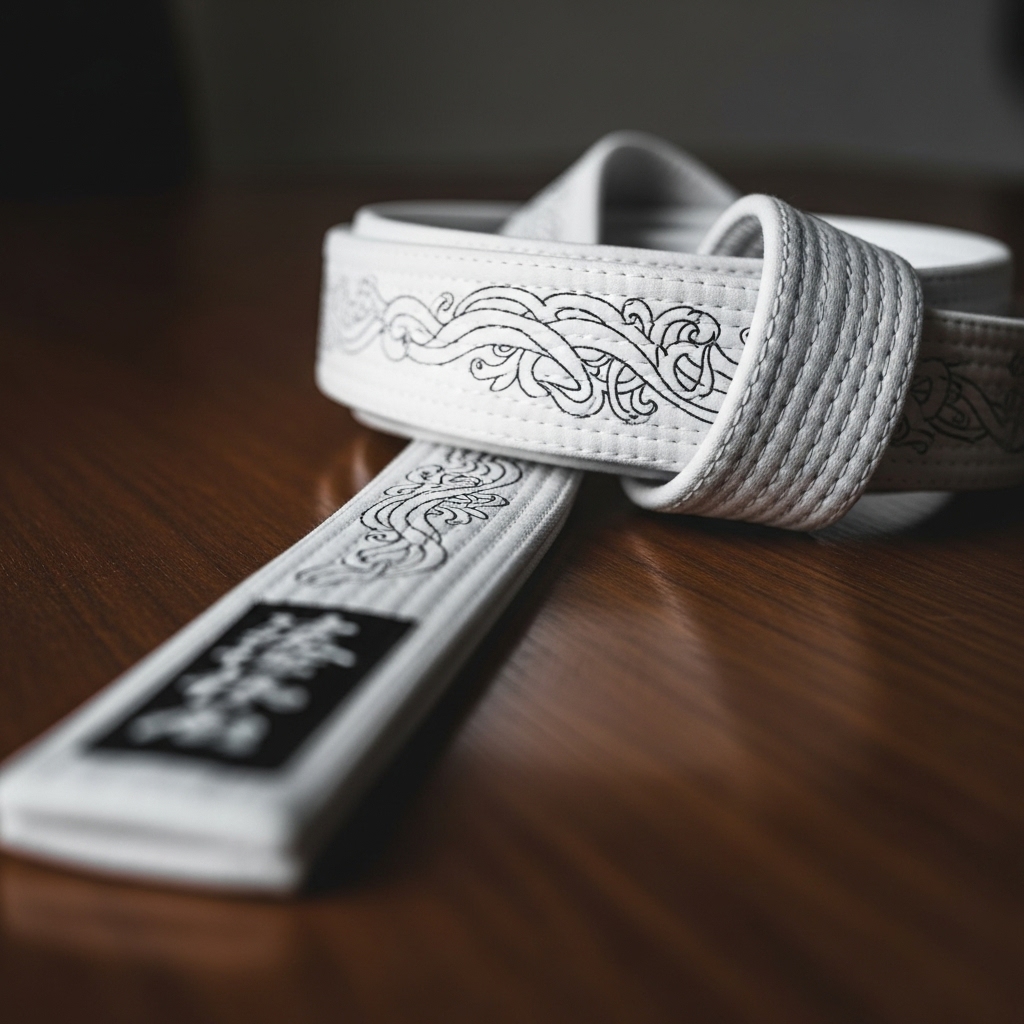
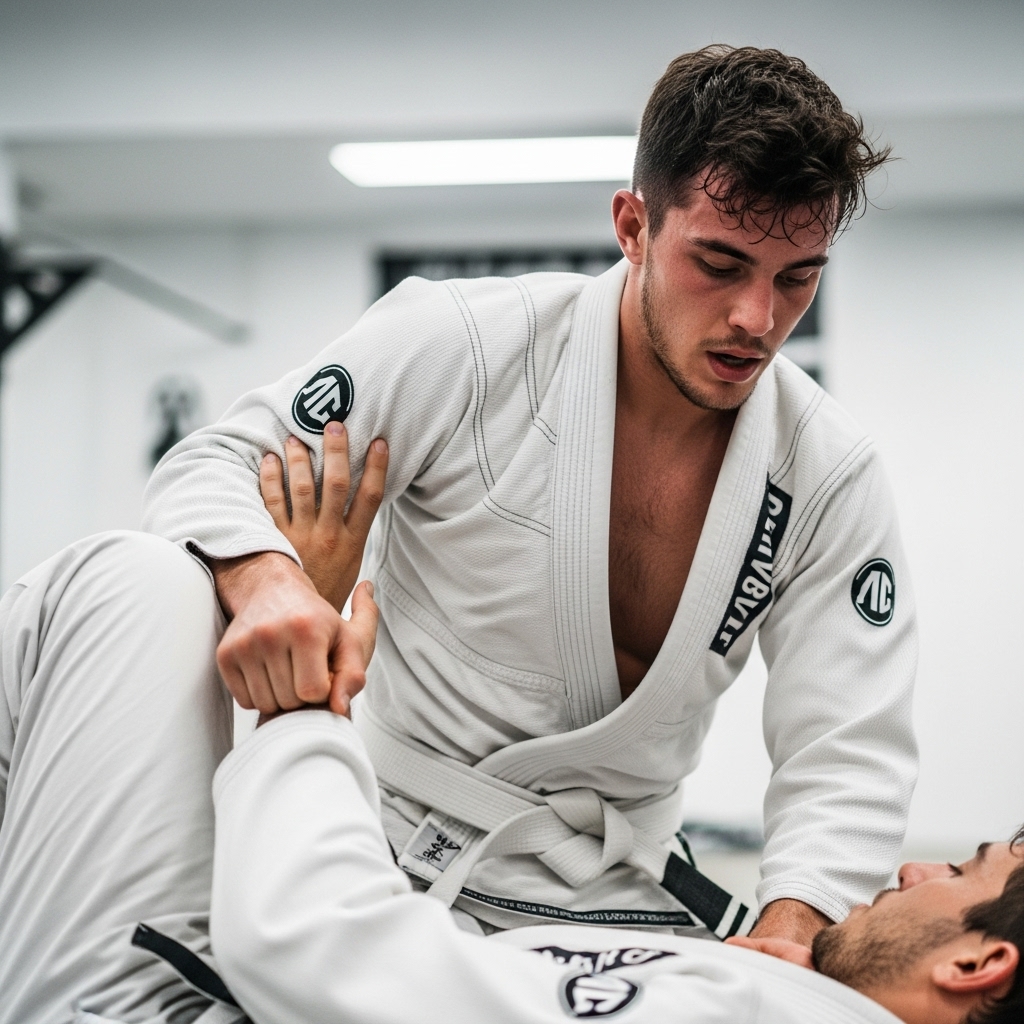
When you first start, you don’t need to break the bank on equipment. Your academy will likely have loaner gis (the traditional uniform) for your initial classes. Take advantage of this!
What you will need to begin:
Mouthguard: This is non-negotiable for safety, especially when you start live sparring (“rolling”). A basic, boil-and-bite mouthguard is a good starting point.
Water Bottle: Staying hydrated is key! Bring your own reusable bottle.
Comfortable Athletic Wear: Compression shorts or leggings and a t-shirt can make wearing a gi more comfortable.
As you progress, you’ll likely want your own gi for hygiene and comfort. When you’re ready to buy, ask your instructors and training partners for recommendations. Additionally, basic athletic sorts and a t-shirt will do sufficiently to begin with nogi, but as time progresses, you may want to consider purchasing a proper rashguard and grappling shorts(or spats if you’re…that sort of person) Slides/Flip-flops: Cleanliness is important no matter what gym you train at. You can help avoid the spread of many bacterial and fungal infections by wearing slide on shoes or sandals when off the mat at your gym. Your teammates will thank you! Gi: Most academies have clean loaner gis available. Use these until you’re sure you want to commit and invest in your own, but once you have been involved in the sport for a bit, relatively inexpensive options are available all over the internet(due to obvious reasons, the gis of our sponsors are of the best quality, and are the best possible deal overall).
Fueling Your Grappling Engine:
Proper nutrition is vital for energy levels, recovery, and overall progress in jiu-jitsu. Think of your body as an engine – you need the right fuel to perform optimally.
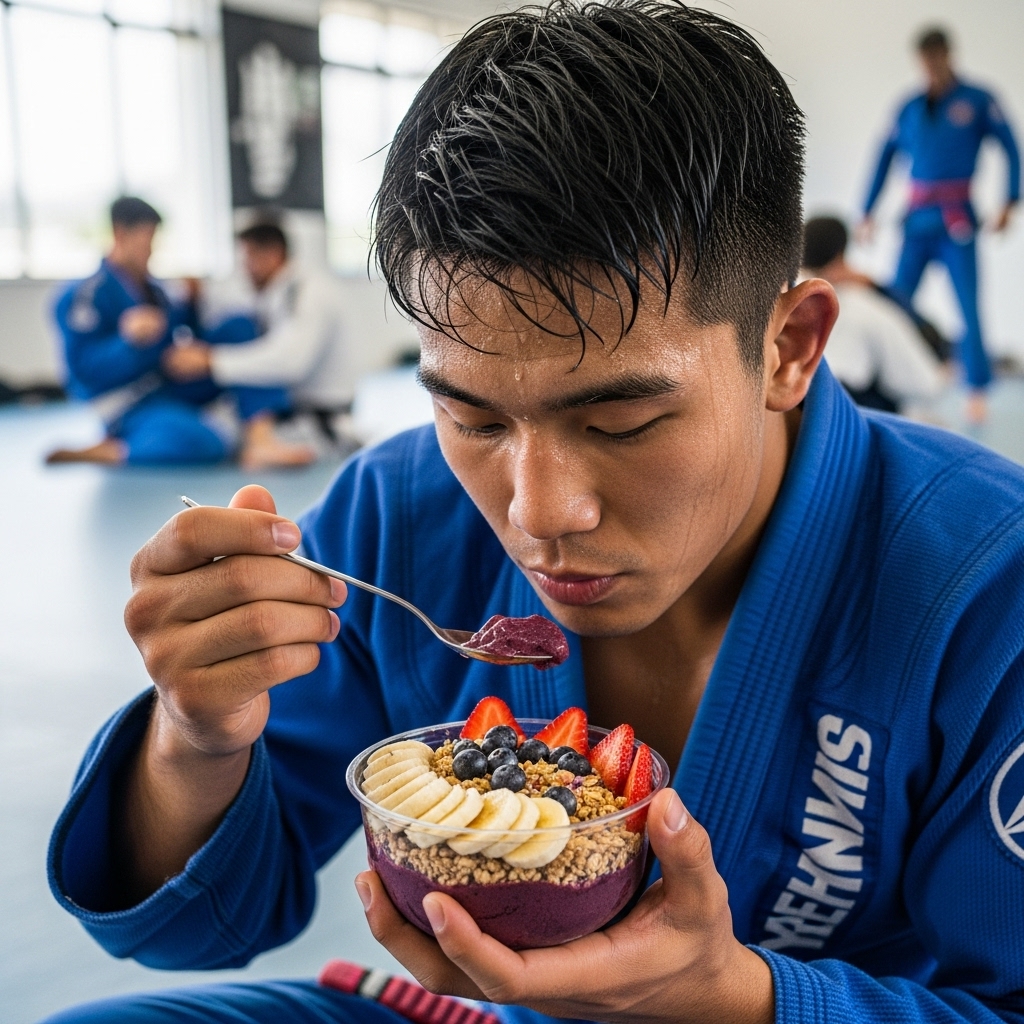
Focus on Whole Foods: Prioritize lean proteins (chicken, fish, beans, tofu), complex carbohydrates (brown rice, oats), and healthy fats (avocados, nuts, olive oil). These provide sustained energy and aid in muscle repair.
Time Your Meals: A light meal or snack containing carbohydrates and protein a couple of hours before training can provide energy. After training, aim for a meal with protein and carbohydrates to help your muscles recover. Hydration is King: Drink plenty of water throughout the day, especially before, during, and after training. Dehydration can significantly impact your performance and recovery.
Listen to Your Body: Pay attention to how different foods make you feel and adjust your diet accordingly.
You don’t need to become a professional nutritionist overnight, but making conscious choices about what you eat will significantly benefit your jiu-jitsu journey.

The Importance of Rest and Recovery
Jiu-jitsu is physically demanding, and your body needs time to recover and rebuild. Neglecting rest can lead to fatigue, increased risk of injury, and plateaued progress.
Prioritize Sleep: Aim for 7-9 hours of quality sleep per night. This is when your body does most of its repair work.
Active Recovery: Light activities like walking, stretching, or yoga on your off-days can help improve blood flow and reduce muscle soreness.
Listen to Your Body(sound familiar?): Don’t push through significant pain and rest when you need to. It’s better to take a day or two off than to risk a more serious injury that sidelines you for weeks.
Consider Epsom Salt Baths: Soaking in Epsom salts can help soothe sore muscles.
Your body adapts and gets stronger during rest, not just during training. Make recovery an integral part of your jiu-jitsu routine.
Enjoy the Journey!
Starting jiu-jitsu is an exciting adventure. Be patient with yourself, listen to your body(really beating a dead horse here…), and don’t be afraid to ask questions. Focus on learning the fundamentals, enjoy the process, and embrace the challenges. Welcome to the mats!
What are some of your biggest questions as a new jiu-jitsu practitioner? Share them in the comments below! And, as always, thank you for grappling!


