


When UFC BJJ entered the professional grappling landscape, the message was largely one of growth rather than competition. The UFC-backed promotion represented another major platform for athletes, another source of prize money and potentially another avenue for bringing Brazilian Jiu-Jitsu to a larger audience.
But as UFC BJJ continues signing some of the sport’s biggest names, that relationship with the rest of professional grappling is beginning to look much more complicated.
The latest example is Jay Rodriguez, who has reportedly signed with UFC BJJ and will not compete at the 2026 ADCC World Championships.
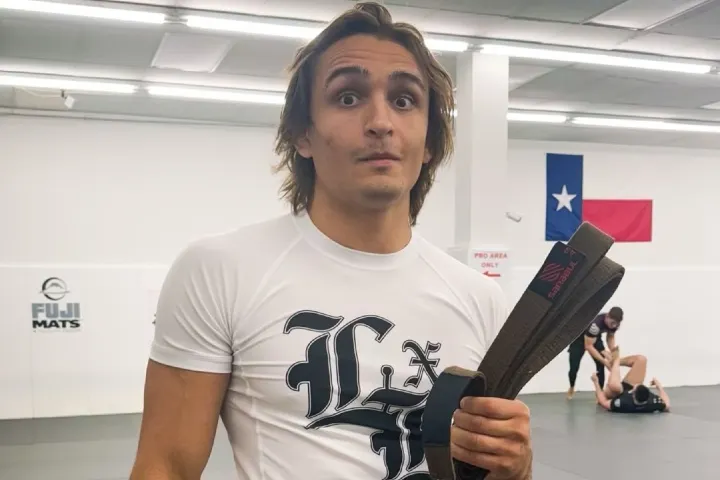
Rodriguez is more than simply another addition to the UFC BJJ roster. He is one of the sport’s most recognizable young competitors and has become closely associated with the new generation of elite no-gi grappling.
His absence from ADCC also highlights a much larger question facing professional jiu-jitsu: What happens if the sport’s biggest athletes increasingly become exclusive to a single promotion?
UFC BJJ Is Building a Serious Roster
There is an obvious positive side to what UFC BJJ is doing.
Professional grapplers have historically struggled to earn money comparable to athletes in more established combat sports. Increased competition between promoters can drive athlete pay upward, create more opportunities and potentially allow more competitors to make grappling a legitimate full-time career.
The UFC also brings something jiu-jitsu has spent years chasing: mainstream infrastructure.
Its promotional machine, production capabilities and massive existing combat-sports audience give UFC BJJ the potential to expose professional grappling to people who otherwise might never watch an ADCC, CJI, WNO or Polaris event.
Those are legitimate benefits for the sport.
The concern begins when signing athletes also means removing those athletes from competing elsewhere.
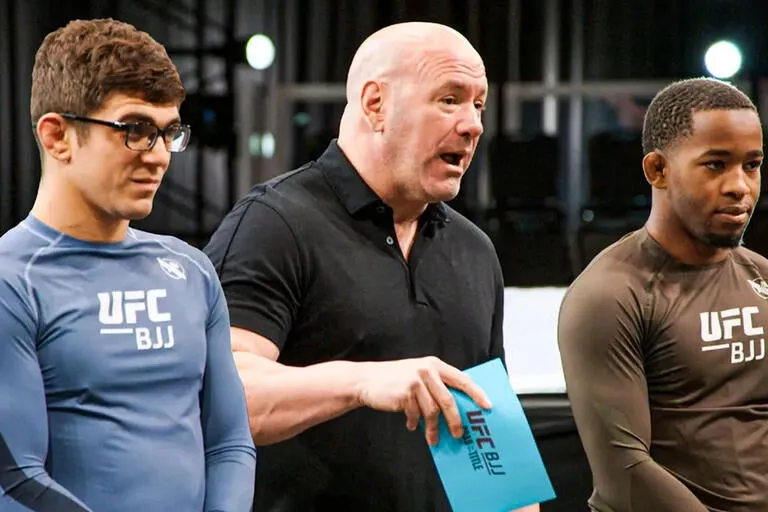
Jiu-Jitsu Has Traditionally Thrived on an Open Ecosystem
Professional grappling is unusual compared with sports such as MMA.
An elite grappler might compete at ADCC, appear on a Fight Pass Invitational, take a WNO match and enter another major tournament during the same competitive season.
That freedom has helped produce many of the dream matches that have driven interest in professional jiu-jitsu.
ADCC, CJI, WNO, Polaris and numerous independent promotions don’t necessarily need to possess the entire talent pool themselves. They need access to enough of it to create compelling matchups.
Exclusivity changes that equation.
If a growing percentage of elite competitors become contractually tied to UFC BJJ, the sport could gradually develop a wall between UFC athletes and everyone else.
At that point, fans aren’t simply gaining another major promotion.
They’re potentially trading one interconnected professional grappling scene for separate ecosystems whose best athletes rarely meet.
The Craig Jones Warning
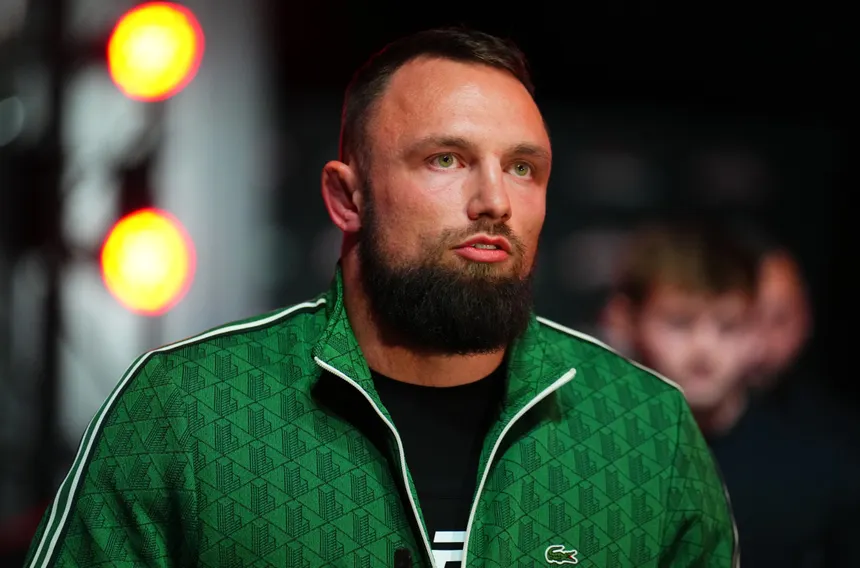
Craig Jones has been among the voices raising concerns about consolidation within professional grappling.
The issue isn’t simply whether UFC BJJ succeeds. A successful UFC-backed grappling promotion could be extremely beneficial for athletes and could dramatically increase the visibility of the sport.
The question is what happens after one organization controls enough of the talent.
Athletes currently have leverage because promotions compete for them. If ADCC, CJI, UFC BJJ, WNO and others all want a particular grappler, that athlete has options.
Those options can translate into higher pay and better contract terms.
If one organization eventually controls a significant percentage of the athletes fans actually want to watch, that negotiating dynamic changes.
So does the fan experience.
Imagine a professional grappling landscape where several of the world’s best athletes compete exclusively under the UFC banner while another group remains associated with CJI or other promotions.
The match everyone wants to see could become impossible—not because the athletes don’t want it, but because their contracts prevent it.
Combat sports fans have seen that problem before.
More Money Is Good. More Competition Is Good.
None of this means UFC BJJ is inherently bad for jiu-jitsu.
Quite the opposite.
A major company investing substantial money into professional grappling is evidence that the sport has grown enormously. Athletes getting paid more is good. Better production is good. More events are good. Greater mainstream exposure is good.
But growing UFC BJJ and growing professional jiu-jitsu aren’t necessarily the same thing.
There is an important difference between building a successful promotion and building a healthier sport.
The ideal scenario for grappling athletes may be one in which several powerful promotions compete for their services while competitors retain enough freedom to pursue major championships and superfights elsewhere.
That creates leverage for athletes while preserving the cross-promotional matchups fans want.
The alternative is a professional grappling world that begins looking increasingly like boxing or MMA, where promotional boundaries can become just as important as rankings when determining whether two athletes ever compete against one another.
This Is Bigger Than Jay Rodriguez
Jay Rodriguez missing ADCC 2026 is significant on its own.
But the larger story is what his signing represents.
Every major athlete who enters an exclusive agreement shifts a little more power away from the open competitive ecosystem that has defined modern submission grappling and toward individual promotions.
One signing doesn’t fundamentally change the sport.
Dozens potentially could.
UFC BJJ now has the financial resources, platform and brand recognition to become one of the dominant forces in professional grappling. CJI has simultaneously demonstrated that major outside investment can disrupt the traditional tournament model, while ADCC remains one of the sport’s most prestigious championships.
Those organizations competing with one another could produce the most lucrative era professional grapplers have ever experienced.
But if that competition becomes a battle to lock athletes away from rival events, fans and competitors could eventually discover that the same money helping professionalize jiu-jitsu has also fragmented it.
The battle for the future of professional jiu-jitsu may already have started.
And the most important question might not be which promotion wins.
It may be whether the athletes—and the sport itself—win with it.


