

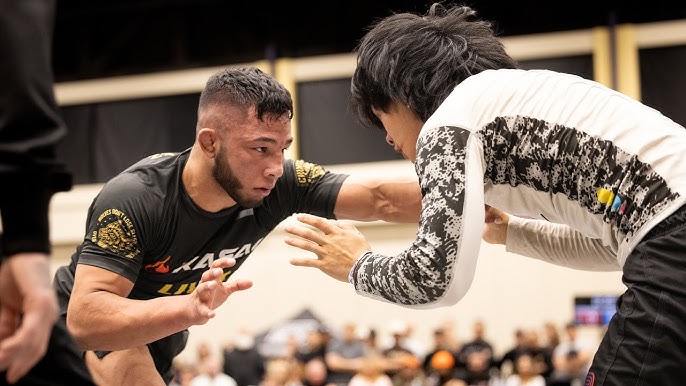
Twenty years ago, if you walked into a grappling tournament, you were essentially entering a BJJ tournament minus the kimono, or otherwise a wrestling meet, there wasn’t much co-mingling. The strategies, the hierarchy of positions, and the pacing were dictated by a specific ruleset.
While in many cases that is still the case, the paradigm has shifted and new rulesets are being adapted, allowing for more techniques from other arts.
Modern submission grappling has evolved into its own distinct combat sport. It is a high-paced, aggressive, hybrid discipline that thrives in the gray areas between traditional martial arts. It is the crucible where styles die and utility reigns supreme.
While the current nogi scene is often seen as an offshoot of traditional BJJ, its DNA is actually a complex double-helix composed of four distinct ancestors, Wrestling, Judo, Catch-as-Catch-Can, and Brazilian Jiujitsu. To understand the modern meta where leg-lockers wrestle up and NCAA champions pull guard, we must first dissect the technical contributions and limitations of the giants whose shoulders this sport stands upon.
The Ingredients of the Modern Crucible
To see how the soup is made, we have to look at the raw ingredients. Each of these four styles developed in isolation based on specific rule sets that dictated their technical evolution.
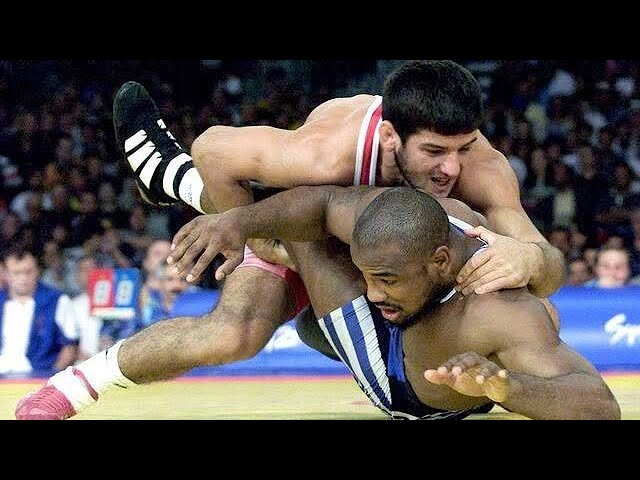
1. Wrestling: The Unstoppable Force & The Immovable Object
The Engine: Whether Freestyle, Greco-Roman, or American Folkstyle, wrestling is predicated on two things, explosive takedowns and dominant top control designed to pin opponents’ shoulders to the mat.
The Contribution: Wrestling brings unrivaled athleticism, pace, and the ability to dictate where the fight takes place. In modern submission grappling, the wrestling influence is seen in the relentless pursuit of top position, the “scramble” (the frantic battle between established positions), and the absolute refusal to concede bottom position.
The Limitation: Traditional wrestling rules punish going to one’s back, meaning pure wrestlers often lack a developed “guard” (offensive bottom game) and historically had little exposure to joint locks or chokes.
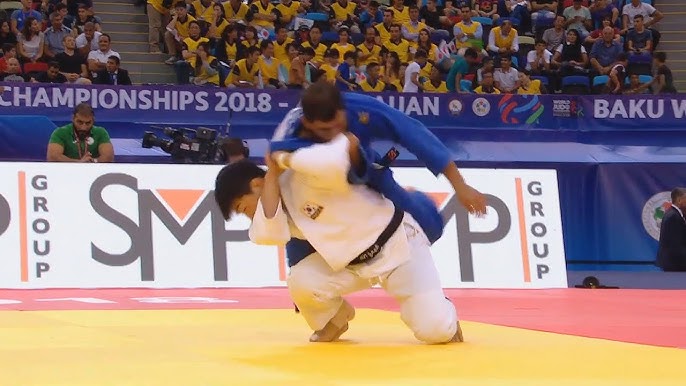
2. Judo: The Art Of Velocity And Grip
The Engine: Born from Japanese Jujutsu, Kodokan Judo emphasizes the ippon, the perfect, high-amplitude throw that ends a match instantly, along with potent groundwork (ne-waza) focused on pins and rapid submissions.
The Contribution: While the gi is central to Judo, its principles translate powerfully to nogi. Judo gives modern grappling its best foot sweeps (ashi waza) and hip tosses used to counter aggressive wrestlers. It teaches explosive transitions from standing to the ground, often hunting the submission mid-air before the opponent settles.
The Limitation: Like wrestling, Judo rules (especially modern Olympic rules) discourage prolonged groundwork and discourage leg grabs, leaving gaps in lower-body attacks and defense.

3. Catch Wrestling: The Violent Ancestor
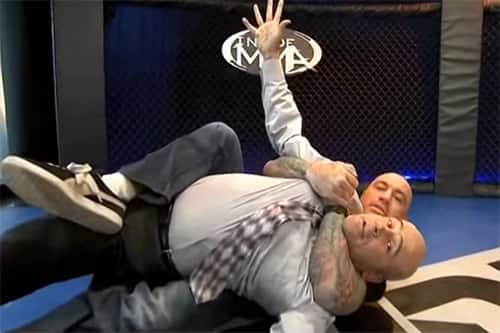
The Engine: The rugged parent of both modern pro wrestling and Olympic freestyle, Lancashire “Catch-as-Catch-Can” was a brutal carnival sport. The goal was submission by any means, hooks, cranks, and leverage that prioritized pain compliance over positional elegance.
The Contribution: Catch is the “punk rock” element of modern grappling. It reintroduced the “hooking” mentality, aggressive neck cranks, face locks, and, most crucially, the primitive framework for modern leg locking. Catch emphasized attacking from “bad” positions, refusing to accept the BJJ hierarchy that you must pass the guard before you attack.
The Limitation: Because it prioritized pain and quick taps over control, traditional Catch could sometimes be technically loose, sacrificing position for a submission attempt that might fail against a disciplined defender.
4. Brazilian Jiu-Jitsu: The Positional Checkmate
The Engine: The Gracie family’s adaptation of pre-war Judo/Jujutsu, honed in the fires of Vale Tudo. BJJ revolutionized martial arts by proving a smaller person could defeat a larger one from their back using the “guard.”
The Contribution: BJJ provided the structural skeleton for modern grappling. It systematized the ground game, Guard > Sweep > Pass > Mount/Back > Submission. It taught patience, leverage, and the intricate details of finishing holds. It is the bedrock of defensive structuring on the mat.
The Limitation: Traditional BJJ, particularly in the gi, can be slow. Its reliance on the guard sometimes leads to passivity in the stand-up game and a vulnerability to aggressive wrestlers who refuse to engage on the ground on BJJ terms.
The Future is Hybrid
To watch a high-level match today is to watch historical blur. You might see a competitor use a Judo foot sweep to enter a wrestling single-leg takedown, abandon it for a BJJ guard pull, immediately transition to a Catch wrestling-style heel hook entry, and finish with a rear-naked choke.
We are past the era of “style vs. style.” The technical walls have crumbled. Wrestling provides the engine; Judo provides the explosive transitions; Catch Wrestling provides the ruthless opportunism; and BJJ provides the architectural framework.
The result is modern submission grappling, a complex, dynamic, and rapidly evolving combat sport. So next time you hear some Brazilian debating the origins of the sport, take comfort in knowing he’s only looking at a single aspect of a much broader sport in it’s modern connotation.


