

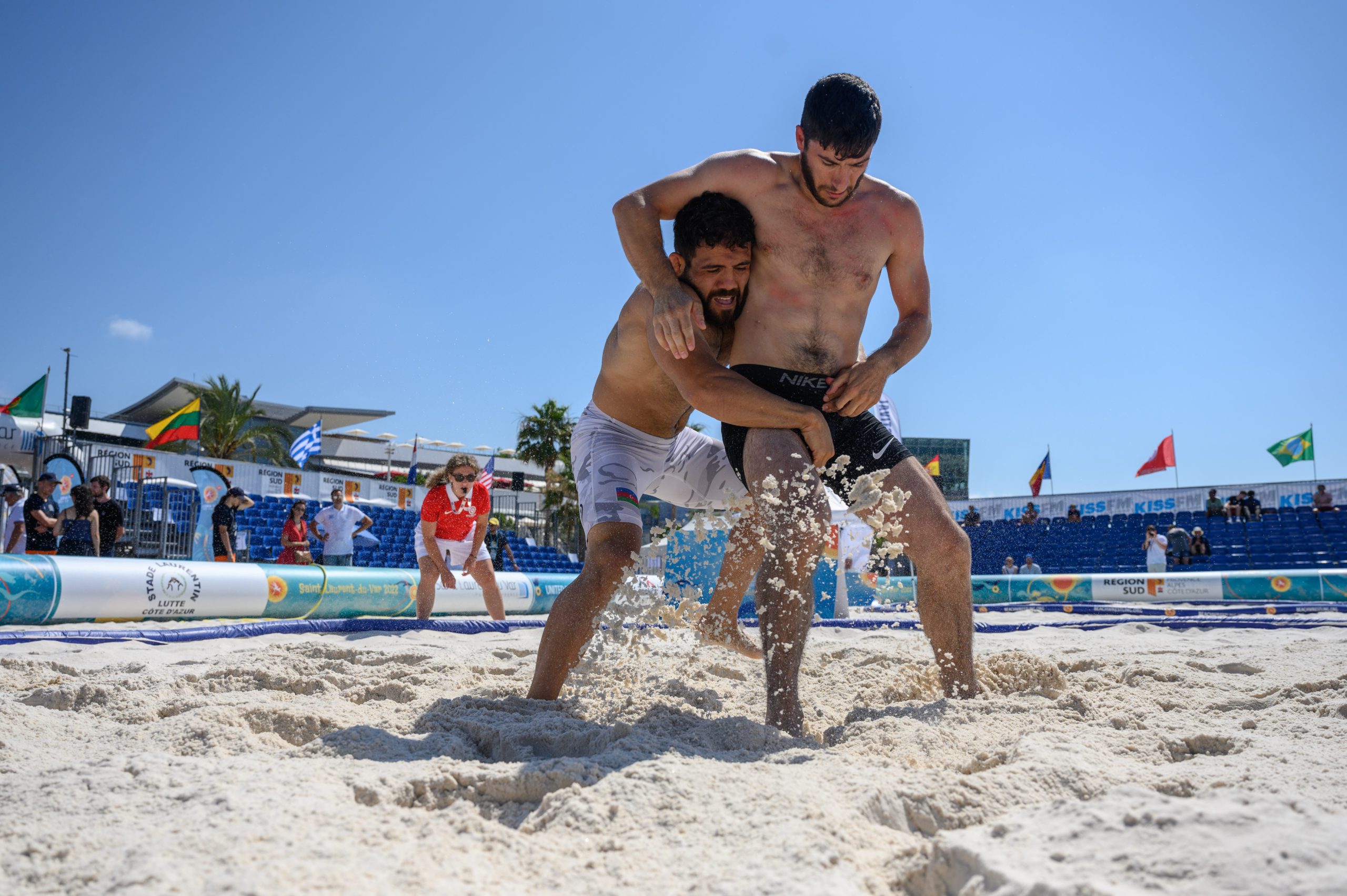
Sun, Sand, And Suplexes
The sun glares down, reflecting off bronzed skin and glistening sweat. The roar of the ocean provides a rhythmic backdrop to an even more primal sound, the grunt and strain of two athletes locked in a battle of will and technique. This isn’t just a day at the beach, it’s Beach Wrestling, a rapidly growing discipline that’s capturing the hearts of grappling enthusiasts worldwide.
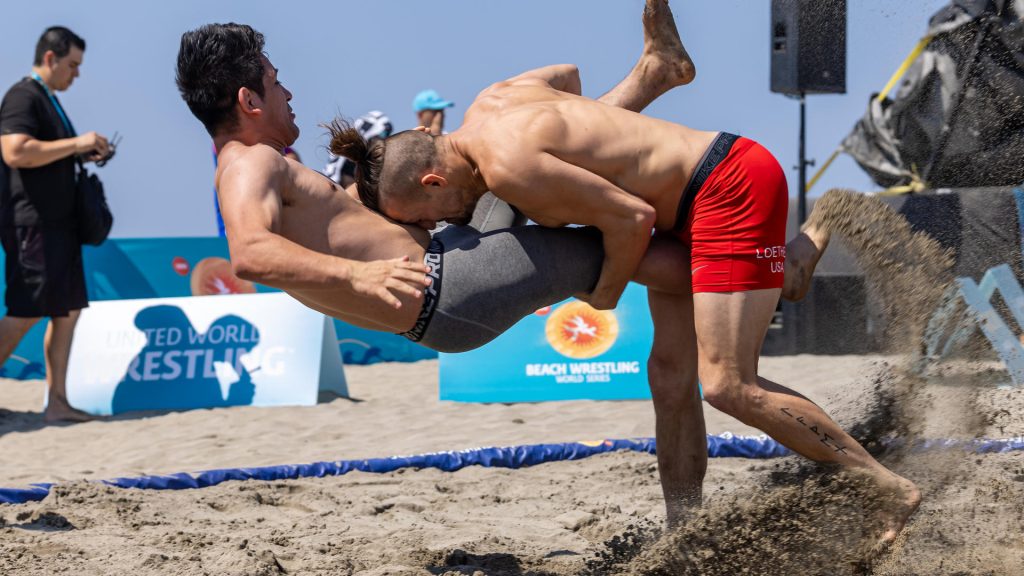
Beach Wrestling, while seemingly a modern invention, actually has roots stretching back to ancient times. Wrestling on sand, a natural surface, has likely been practiced in various forms wherever coasts and strong individuals converged. However, the codified, modern sport we recognize today began to take shape in the early 2000s under the guidance of United World Wrestling (UWW), the international governing body for amateur wrestling. The sport saw a significant push for formalization and global promotion around 2004, aiming to create an accessible and exciting variant of wrestling.
Today, Beach Wrestling boasts a vibrant following across the globe. It’s particularly popular in coastal regions and countries with strong wrestling traditions, such as Greece, Turkey, and various nations along the Mediterranean and Black Seas. Its appeal is also growing rapidly in the Americas, with events drawing large crowds and participants from Brazil to the United States. The Pan American Beach Wrestling Championships and the Beach Wrestling World Series are just two examples of the major international competitions that highlight its burgeoning popularity.
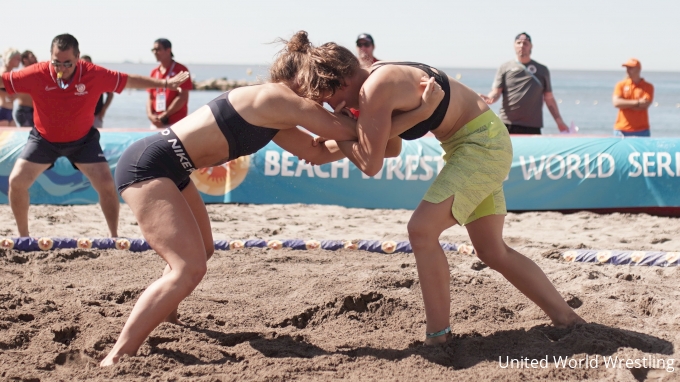
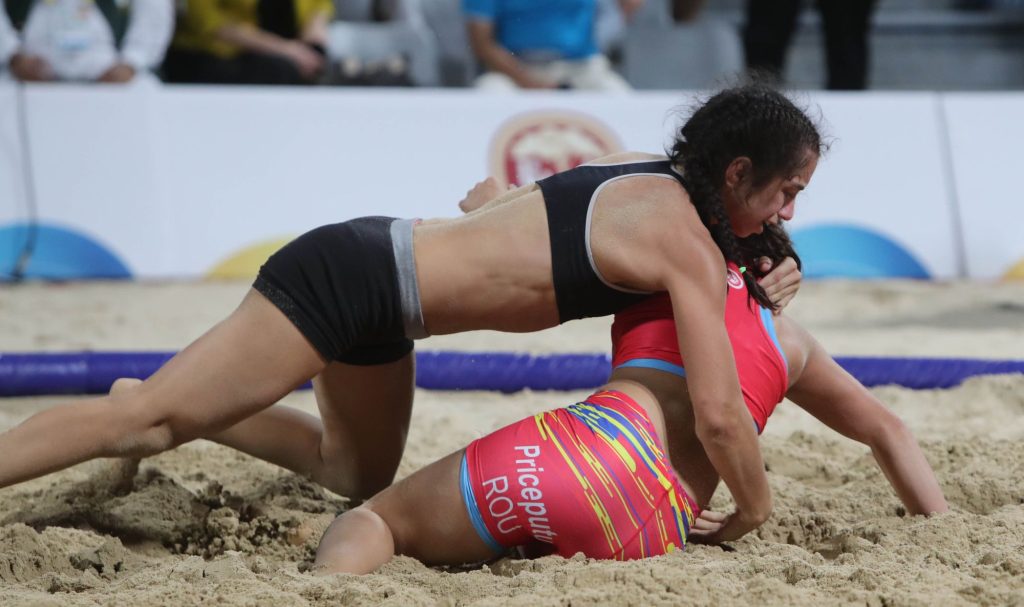
What truly sets Beach Wrestling apart from its mat-based counterparts like Freestyle, Greco-Roman, or Folkstyle, is its exhilarating blend of simplicity and dynamic action, dictated by its unique rules and objectives.
Imagine a circular sand pit, typically 7 meters in diameter. There are no wrestling shoes, no headgear, just two competitors, often adorned in board shorts or swimsuits, ready to grapple.
Takedown To A Pin: The most decisive way to win is to take your opponent down and expose their back to the sand. This immediately scores three points.
Lesser Takedowns To The Sand: Another way to score in Beach Wrestling is to take your opponent down, without securing the pin. This results in one point.
Force Out: Another key objective is to push or pull your opponent out of the designated wrestling area. If any part of their body touches the ground outside the circle, you score one point.
Three Points For The Win: The match is typically a single period, and the first wrestler to score three points is declared the winner. This rapid-fire scoring system often leads to incredibly fast and aggressive exchanges.

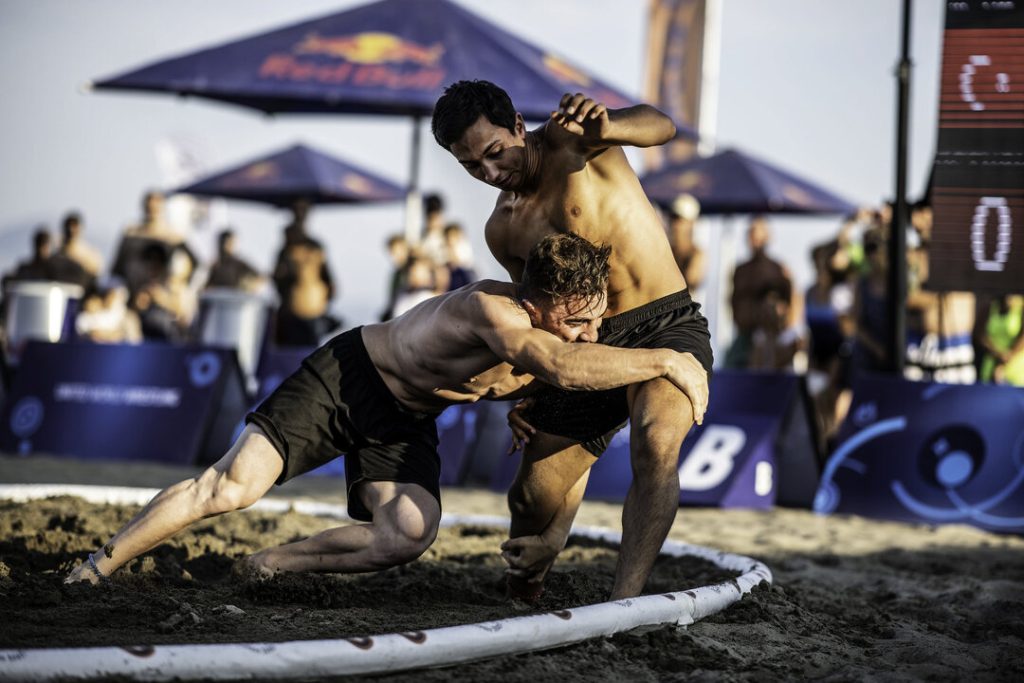
Unlike traditional styles, there are no complex holds or pins that require holding an opponent down for a set duration. The emphasis is on immediate impact, a powerful throw, a quick sweep, or strategic movement to gain positional advantage and drive the opponent out of bounds. The soft sand surface also changes the dynamics significantly, often making throws more impactful and softening falls, which in turn encourages more daring techniques.
From its ancient, unwritten origins to its modern, UWW-sanctioned glory, Beach Wrestling offers a refreshing and accessible take on the world’s oldest sport. It’s a testament to wrestling’s adaptability, proving that sometimes, all you need is a patch of sand, a willing opponent, and the drive to be the best.


