


Long before he became an indelible pop-culture icon to millions of viewers around the globe, Jason David Frank was, at his core, a dedicated and lifelong practitioner of martial arts. While the world knew him primarily for his legendary on-screen presence as Tommy Oliver, the Green (and White) Ranger, his foundation was forged in the sweat, discipline, and rigors of traditional martial arts dojos. Far from a Hollywood performer relying on camera tricks and stunt double substitutes, Frank spent decades accumulating high-level rank across multiple fighting disciplines, pioneering his own full-contact striking system, and ultimately stepping into the professional cage to prove his mettle in mixed martial arts competition. His legacy stands as a unique, powerful bridge between cinematic fight culture and authentic, full-contact martial arts.

Early Life & Entrance Into Martial Arts
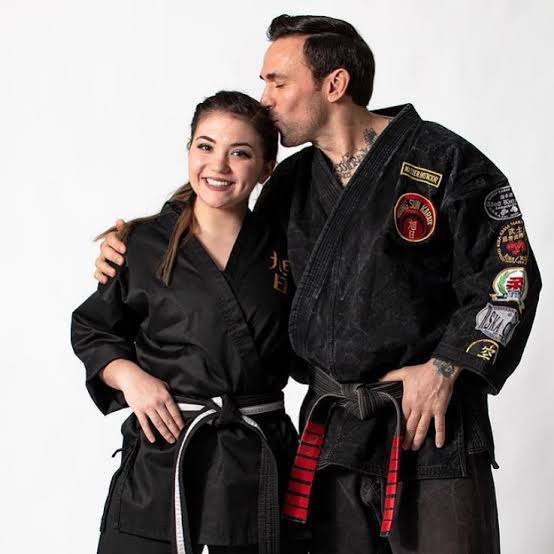
Born on September 4, 1973, in Covina, California, Frank began his martial arts training at just four years old when his parents enrolled him at Red Dragon Karate. Demonstrating rare dedication and athletic ability, he earned his first-degree black belt by age 12. By 18, he had acquired his own school, establishing himself as an instructor and gym owner before most fighters begin their formal competitive careers.
Development As A Martial Artist
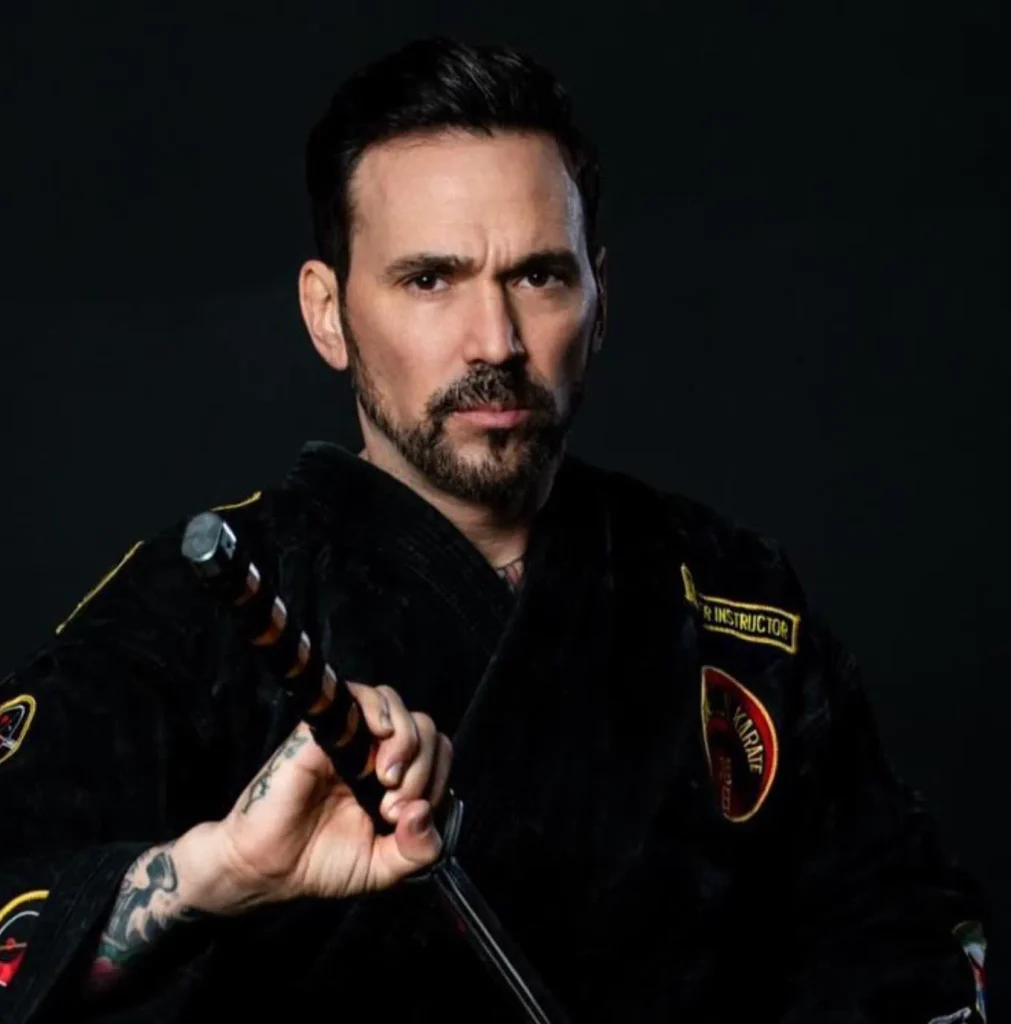
Frank rejected the idea of limiting himself to a single discipline. Over decades on the mat, he earned a 7th-degree black belt in American Karate, black belts in Judo and Taekwondo, a purple belt in Brazilian Jiujitsu under Roberto Maia, and the title of Ajarn (Master) in Muay Thai under Grandmaster Toddy. In 1994, he synthesized his striking and grappling experience to create his own system, Toso Kune Do (“Way of the Fighting Fist”), designed for realistic full-contact self-defense. His contributions earned him an induction into the World Karate Union Hall of Fame.
Screen Career & On-Camera Combat
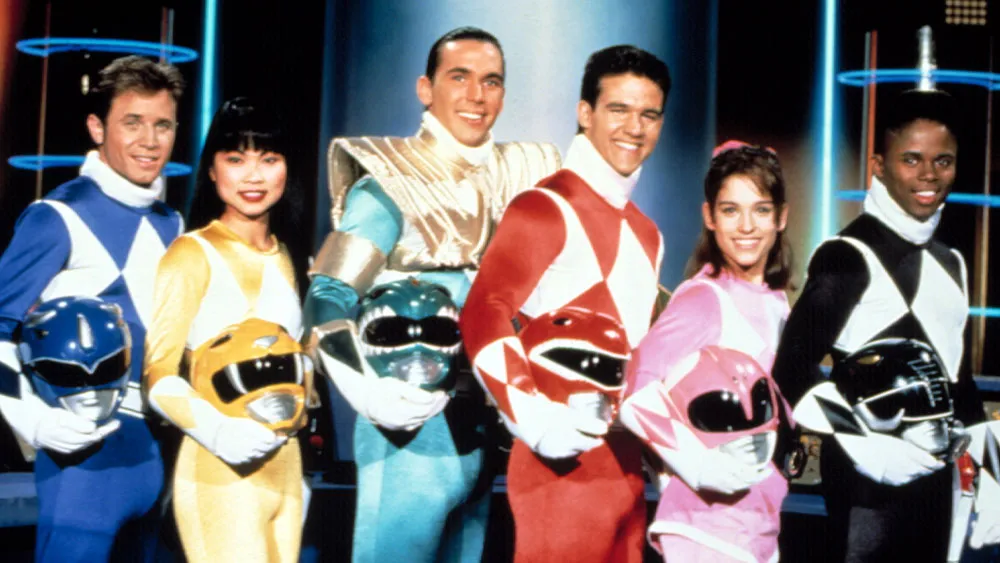
In 1993, Frank landed his breakout television role as Tommy Oliver (the Green Ranger) in Mighty Morphin Power Rangers. Rather than relying strictly on stunt doubles, Frank executed his own high-flying kicks, spinning back-fists, and fluid combinations. His legitimate technical background elevated the show’s fight sequences and introduced an entire generation of young viewers to martial arts cinema.
Competitive Mixed Martial Arts
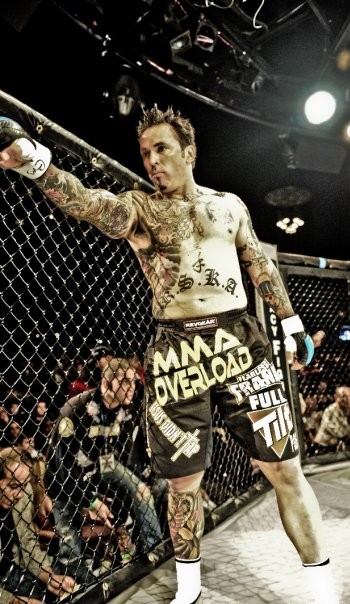
In 2010, Frank transitioned to the world of mixed martial arts to test his credentials in live competition. Fighting out of Texas, he posted an undefeated 4-0 amateur record, securing two knockouts and two submissions. He made his professional heavyweight debut in August 2010 at Texas Cage Fighting: Puro Combate 1, submitting Jose Roberto Vasquez via rear-naked choke in just 21 seconds. Frank retired from MMA with a 100% finishing rate across all amateur and professional bouts.
The Latter Years And His Lasting Legacy
Prior to his death in November 2022 at age 49, Frank remained actively involved in combat sports through his Rising Sun Karate & MMA academies. He devoted his final years to mentoring young fighters and producing Legend of the White Dragon, a feature-length martial arts film designed to display raw, unedited fight choreography. Frank left behind a legacy as both a pop culture icon and a proven practitioner of real-world combat.
On November 19, 2022, the combat sports and entertainment communities were shaken by the news of Frank’s sudden passing at the age of 49. His widow, Tammie Frank, later confirmed that the martial artist died by suicide in Texas, revealing that despite his public persona and lifelong dedication to physical discipline, he had quietly battled depression and mental health struggles. The tragedy prompted an overwhelming outpouring of tributes from fighters, training partners, and fans across the globe, all mourning the loss of a practitioner who carried the martial arts ethos with intensity both on screen and in the cage. Frank’s death served as a heartbreaking reminder of the silent battles often fought behind closed doors, leaving behind a legacy defined as much by his genuine fight spirit as his impact on generations of martial artists.


