

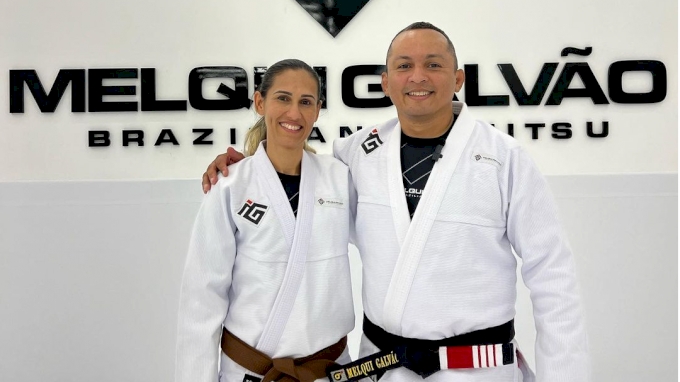
Brazilian jiu-jitsu has spent decades telling the world it builds discipline, confidence, humility, and character.
Unfortunately, every few months, the sport also seems determined to remind everyone that some gyms have been operating less like places of personal development and more like unsupervised personality cults with rashguards.
According to reports, Melqui Galvão, one of Brazil’s most prominent jiu-jitsu coaches and the father/coach of superstar grappler Mica Galvão, has been arrested amid serious allegations involving minors. Yahoo Sports reported that Galvão was arrested on suspicion of sexual abuse, while BJJDOC reported that documentation reviewed through Brazil’s legal database pointed to a warrant connected to Brazil’s Child and Adolescent Statute.
To be clear: these are allegations, and Galvão’s defense has denied the accusations. A statement from his attorney, Átila Machado, said Galvão denies all allegations, remains available to authorities, and trusts the judicial process.
That legal distinction matters. So does the larger pattern.
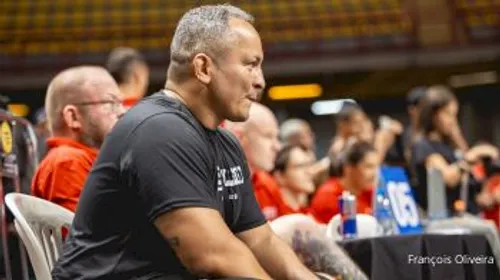
The Sport Has a Coach Problem
Jiu-jitsu loves hierarchy. It loves titles. Professor. Mestre. Coral belt. Legend. Founder. Leader. Lineage. Team. Association. The whole thing comes wrapped in enough ceremonial language to make a medieval monarchy tell everyone to relax.
Most of the time, that structure can be harmless or even useful. A good coach can change your life. A good academy can become a second home. A good instructor can teach people confidence, discipline, and how to calmly escape from underneath someone who smells like wet laundry and poor decisions.
But the same structure can become dangerous when authority is treated as immunity.
That is where the sport keeps running into the same wall. Too many gyms still run on a simple but disastrous rule: the higher the belt, the fewer the questions.
And somehow, the community still acts shocked when unchecked power behaves exactly like unchecked power.
This Is Bigger Than One Name
Galvão is not some random coach nobody has heard of. He is one of the best-known trainers in modern jiu-jitsu and has been closely tied to the rise of Mica Galvão, one of the most talented grapplers of his generation. That prominence is exactly why the story has hit the community so hard.
When allegations involve a major name, the sport often splits into the same predictable camps.
One group immediately wants blood.
Another group immediately wants silence.
A third group says, “Let’s wait for all the facts,” which is reasonable, except sometimes that phrase is used less like a commitment to fairness and more like a broom for sweeping uncomfortable things under a very expensive academy mat.
The correct position is not complicated: take allegations seriously, respect due process, protect potential victims, and stop treating gym owners like minor religious figures because they can explain reverse De La Riva.
Jiu-Jitsu Needs Real Safeguards, Not Instagram Philosophy
The worst response to stories like this is the usual inspirational fog machine.
“We are a family.”
“We stand for respect.”
“The mats reveal character.”
No, the mats reveal who forgot to trim their toenails. Systems reveal character.
If jiu-jitsu wants to be taken seriously as a professional sport and not just a global collection of sweaty franchises with lion logos, it needs adult-level safeguards. That means background checks, reporting channels, clear child protection policies, mandatory boundaries between instructors and minors, and consequences that do not depend on how many world champions someone has coached.
Because “trust me bro, he’s a legend” is not a safety policy. It is barely a sentence.
BJJDOC reported that the warrant referenced Brazilian legal provisions involving children and adolescents, and that calls have circulated for anyone with relevant information to report to proper authorities. That is exactly where these matters belong: with investigators, courts, and institutions that can evaluate evidence — not in comment sections run by people whose legal training consists of watching three body-cam videos and owning a Shoyoroll gi.
The Community Has to Grow Up
This sport is trying to become mainstream. UFC BJJ exists. CJI exists. ADCC is bigger than ever. Athletes are becoming celebrities. Gyms are selling jiu-jitsu to kids, parents, hobbyists, law enforcement, executives, and everyone in between.
That growth comes with responsibility.
You cannot market yourself as a life-changing discipline for children and families while handling misconduct allegations like a private team drama. You cannot sell “confidence” and “self-defense” while ignoring whether the actual training environment is safe. You cannot build a sport around trust and then act like trust is optional the moment a famous coach is involved.
Jiu-jitsu people love to say the art is honest because “the mats don’t lie.”
Fine. Then the community should stop lying to itself.
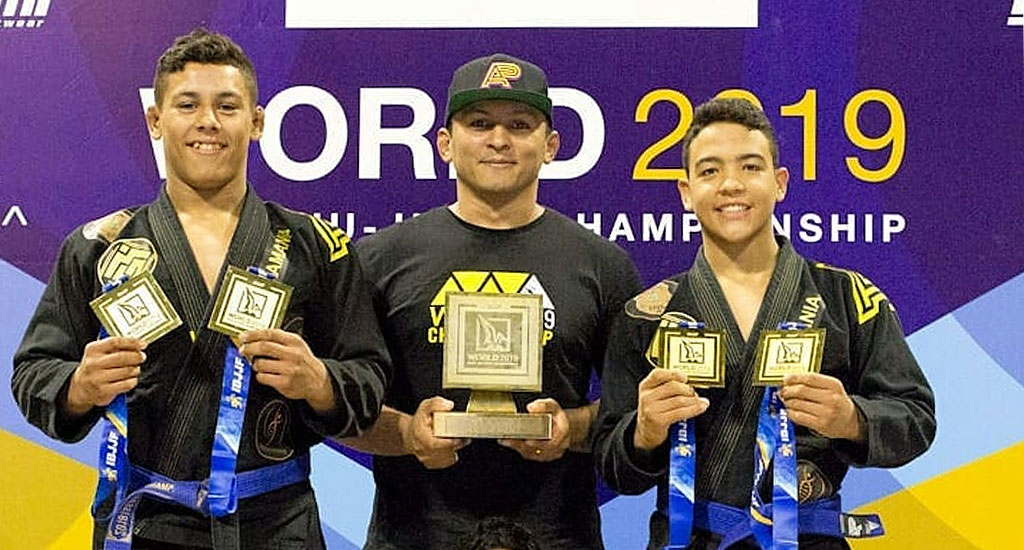
With that being said…
Melqui Galvão is entitled to due process. The allegations must be investigated carefully and fairly. Nobody should pretend the case is settled before the legal process plays out.
But the sport does not need to wait for one specific case to understand the larger lesson.
Jiu-jitsu needs fewer personality cults, fewer sacred cows, fewer “he’s done so much for the sport” excuses, and a lot more basic adult supervision.
Because at some point, the community has to decide whether it wants to be a real sport with real standards — or just a never-ending seminar circuit where everyone bows before the black belt and hopes the bad headlines stop before the next tournament.


