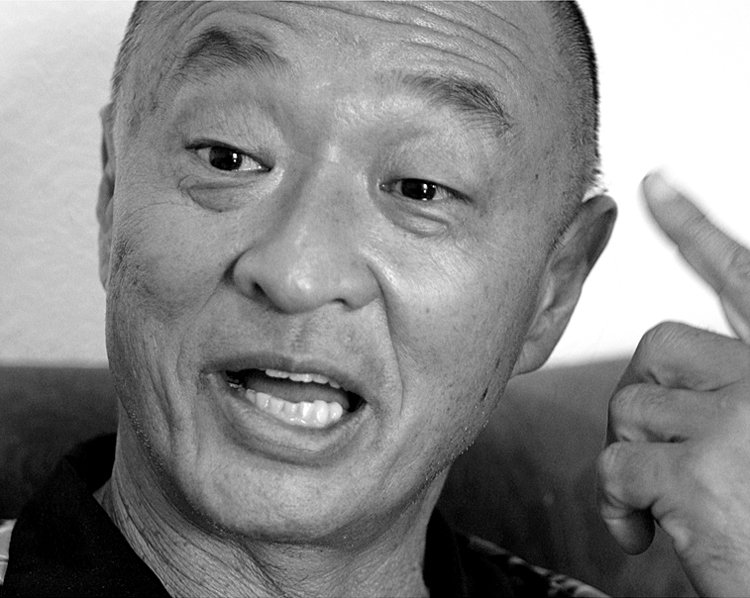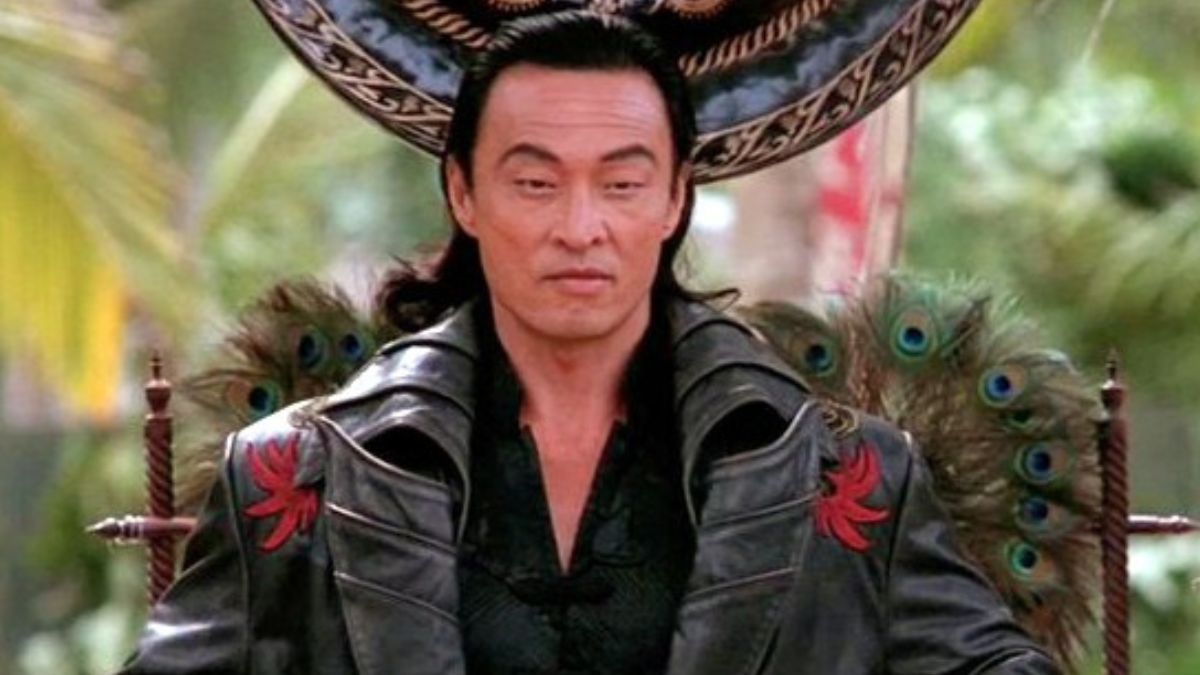
If eyes are the windows to the soul, Cary-Hiroyuki Tagawa’s eyes are portals into a warrior’s spirit, intense, unblinking, and dangerously focused.
Though you may not recognize his name, every child growing up in the 90’s knows his cinematic gaze. For nearly four decades, it belonged to the man about to dismantle the hero, the sophisticated crime lord, or the ancient sorcerer watching a lethal tournament from a throne. Tagawa has etched his place in pop culture history as one of the greatest character actors of his generation, often definitive in villainous roles.
But for fans of combat sports and martial arts action, Tagawa represents something deeper than just a menacing on-screen presence. He is the genuine article, a man whose performances are built not on stage combat classes, but on a lifetime of rigorous, traditional martial arts discipline.
Today, we celebrate the lasting legacy of Cary-Hiroyuki Tagawa, a figure who brought kinetic authenticity to Hollywood and became an unwitting ambassador for the martial way.
The Foundation of Iron
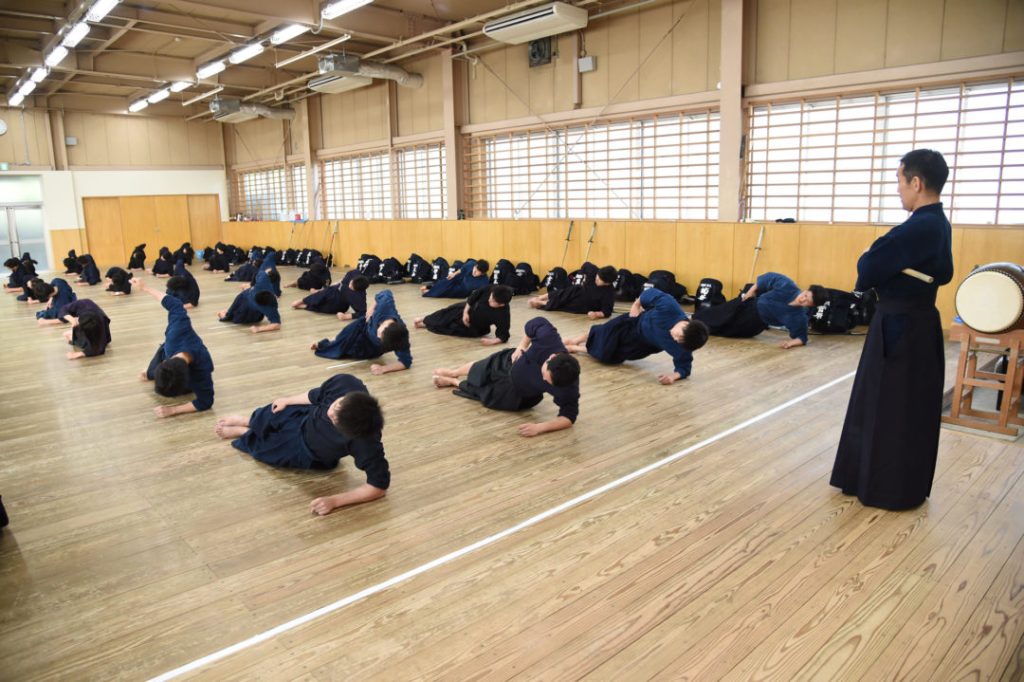
Born in Tokyo and raised as an “Army brat” across various US military bases before settling in Southern California, Tagawa’s early life was defined by movement and cultural adaptation. In the transient world of military life, he found his roots in the discipline of the dojo.
His martial education began not with empty hands, but with the blade. He started training in Kendo (the way of the sword) at a young age, instilling a sense of distance, timing, and the “killing intent” that would later define his acting style.
However, his physical foundation was solidified in traditional Japanese Karate. Tagawa trained extensively in Shotokan Karate under the legendary Master Hidetaka Nishiyama, a pivotal figure in bringing traditional karate to the United States. Training under Nishiyama wasn’t about flashy spins, it was about biomechanical efficiency, devastating power generation through grounded stances, and an unwavering spirit.
This traditional background gave Tagawa a specific physical vocabulary. When he moved on screen, he didn’t just look like he was acting tough, he moved with the economical, coiled menace of someone who knew exactly how to generate force.
Shang Tsung And The Mainstream Breakthrough
While his filmography is vast, ranging from Bernardo Bertolucci’s Oscar-winning The Last Emperor to a Bond villain henchman in License to Kill, Tagawa is immortalized in the sports-entertainment sphere for one defining role, Shang Tsung in 1995’s Mortal Kombat.
Adapting a video game into a live-action film is notoriously difficult, especially one defined by hyperbolic violence. The film needed an anchor, someone who could sell the deadly stakes of the tournament. Tagawa delivered a masterclass.
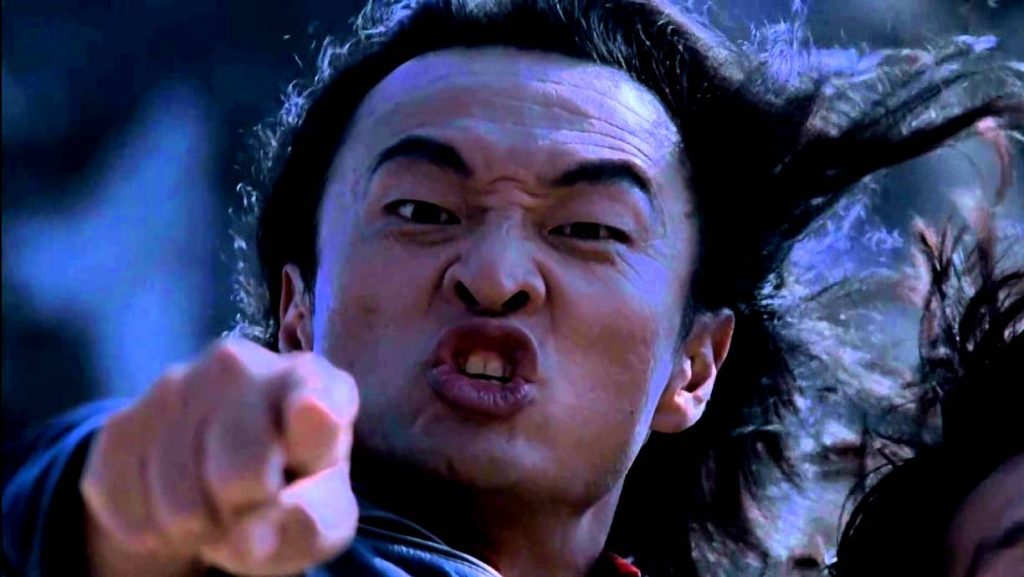
As the soul-stealing sorcerer, Tagawa was electric. He delivered iconic lines (“Your soul is mine!”) with theatrical relish, but his physical performance was grounded. Even against opponents performing acrobatic wushu styles, Tagawa’s traditional karate roots, his solid stances and direct strikes, lent the movie a necessary gravitas. He proved that a physically imposing villain didn’t need to be a hulking brute, they could be a master of technique and psychological intimidation.
The Way Of The Center
Tagawa’s lasting impact on martial arts goes beyond his filmography. He has spent decades developing and teaching his own hybrid philosophy known as “Chuu Shin” (Centered Spirit).
Growing up between Japanese tradition and American individualism, Tagawa recognized a disconnect in how the West approached action. He saw an overemphasis on muscle and external aggression, often neglecting the internal energy flows prevalent in Eastern arts.
Chuu Shin is his method of bridging that gap. Drawing from his background in Karate and Kendo, as well as principles of Aikido and Chinese internal arts, Chuu Shin emphasizes moving from the body’s center of gravity, breath control, and mental fluidity. It is a system designed not just for combat, but for athletic performance and acting presence, teaching practitioners how to project energy without unnecessary physical tension.
Through seminars and private training, Tagawa has passed on the idea that true power comes from relaxation and alignment, a lesson vital for any serious athlete.
In Memoriam
Tragically, we bid farewell to this legend following his recent passing due to a stroke. Tagawa’s departure marks the end of an era for action cinema, but his influence is far from over. He leaves behind not just a gallery of iconic villains, but a blueprint for how to live with Chuu Shin, a centered heart and mind. The martial arts community has lost a dedicated practitioner, and the world has lost a truly unique artist. Cary-Hiroyuki Tagawa has taken his final bow, but the intensity of his spirit remains immortal. To quote the franchise that made him a legend, but with a respectful revision: his soul is his, and it was a magnificent one.