

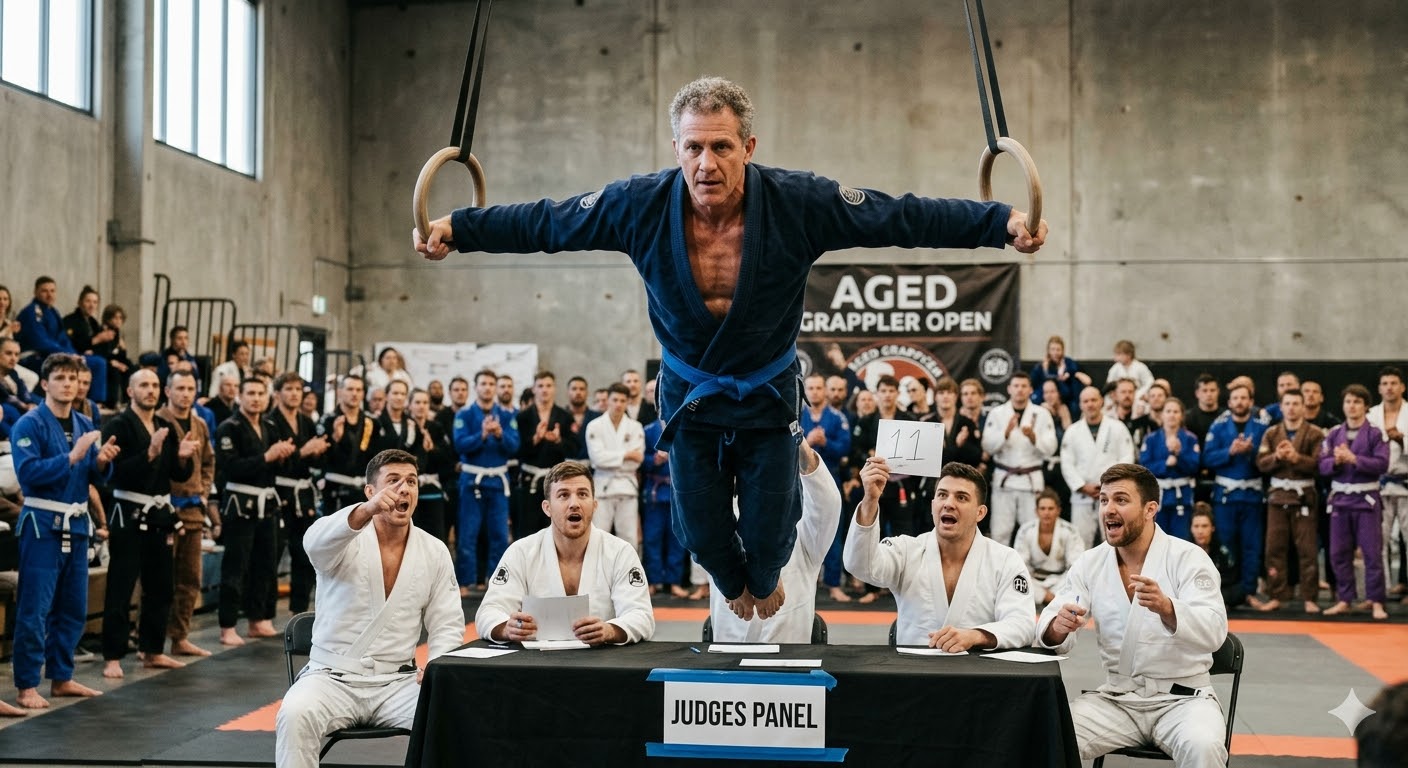
If you’ve been on the mats for more than a few years, your shoulders likely have a “check engine” light that stays permanently on. Between the aggressive internal rotation of the “BJJ hunch” and the constant strain of defending Kimuras, the middle-aged grappler’s shoulders often feel less like ball-and-socket joints and more like two bags of gravel.
To keep training into your 50s and beyond, you don’t need more heavy bench presses, you need resilient mobility. Here are the top 6 body-weight exercises to exorcise the stiffness from your joints and keep your frames strong.
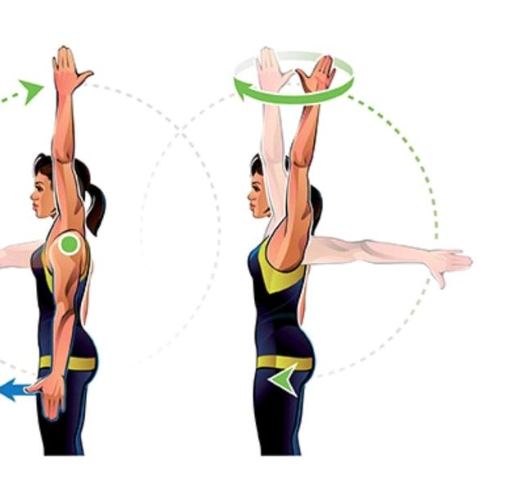
6. Controlled Articular Rotations (CARs)
Think of this as “WD-40” for the joint capsule. It’s not a stretch, it’s a deliberate, tension-filled circle.
The How: Stand tall. Make a fist with one hand and draw the largest circle possible with your arm, moving slowly and under tension. Avoid rotating your torso, make the shoulder do 100% of the work.
The Why: It maintains the “outer limits” of your range of motion. If you don’t use the range, you lose it and that’s when injuries happen during a submission attempt.
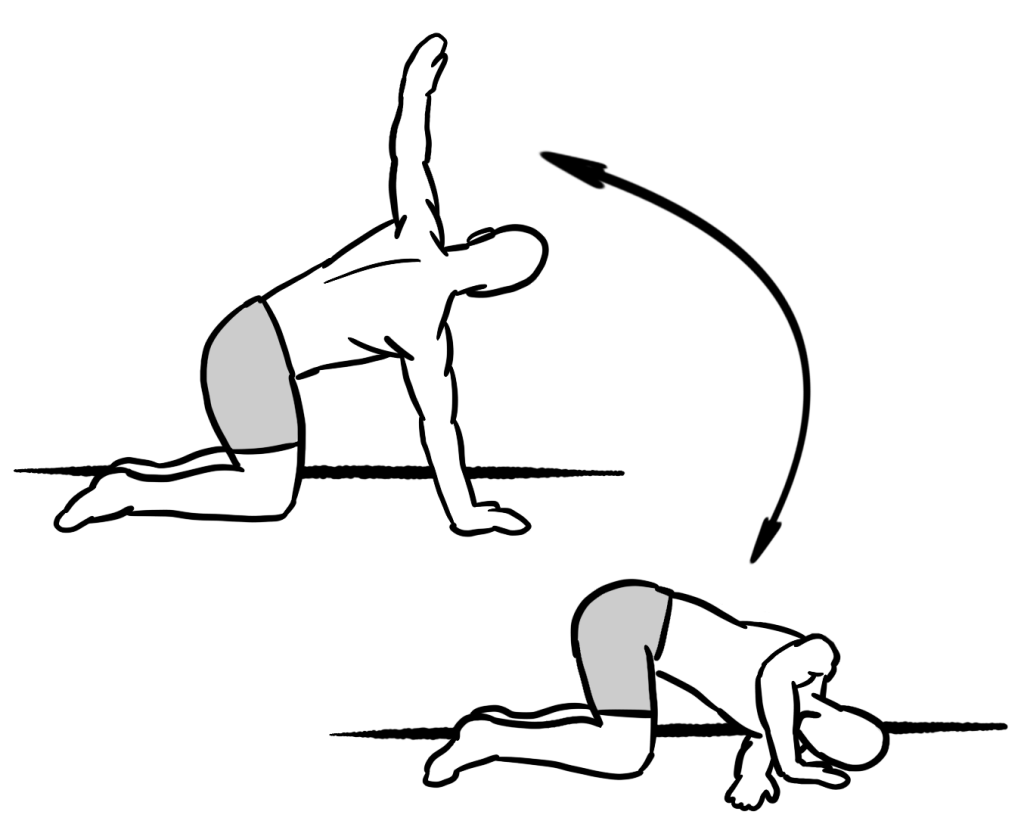
5. Thread the Needle (Dynamic)
Shoulder issues are often actually thoracic spine (mid-back) issues. If your mid-back is locked up, your shoulders have to overcompensate.
The How: From all fours, reach one arm deep under your body, then rotate that same arm all the way up toward the ceiling, following your hand with your eyes.
The Why: This increases rotational mobility, making it easier to “peel” your shoulder off the mat when escaping side control.
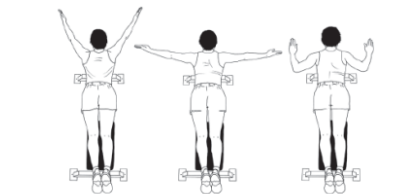
4. Prone Y-W-T Transitions
This is the ultimate antidote to the “BJJ Hunch” (kyphosis).
The How: Lie face down on the floor. Use your back muscles to lift your chest slightly. Move your arms slowly through the shapes of the letters Y, W, and T, squeezing your shoulder blades together at every stop.
The Why: It targets the rear delts and lower traps, which are usually weak and overstretched in grapplers. It builds the postural integrity needed to stop people from breaking your posture.
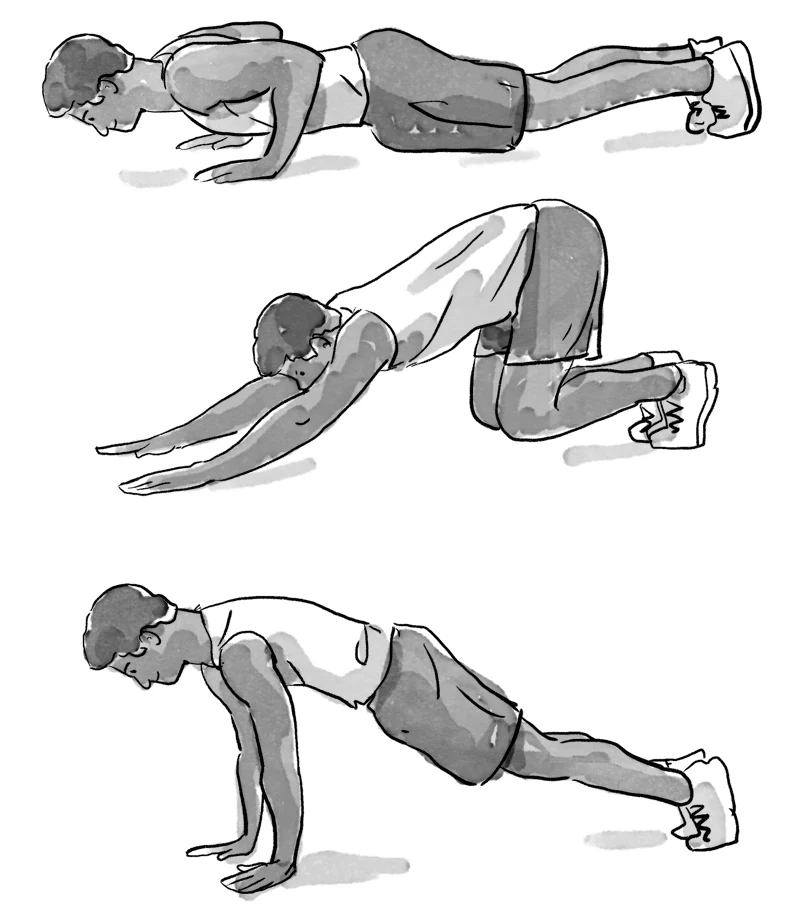
3. The Yoga Push-Up (Downward Dog Transition)
This is a “two-for-one” special that combines pressing strength with overhead mobility.
The How: Perform a standard push-up, but as you reach the top, drive your hips toward the ceiling and push your head through your arms. Focus on “long” arms at the top.
The Why: It trains the serratus anterior, the “boxer’s muscle”, which is crucial for maintaining strong frames when someone is heavy on your chest.
2. Scapular Pull-Ups
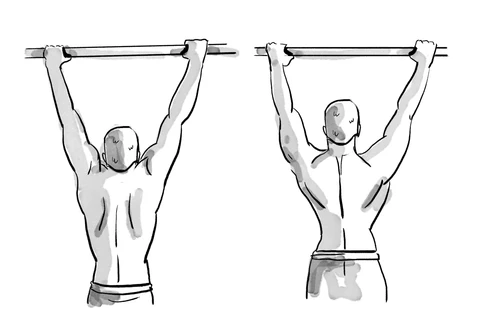
Most grapplers have overactive biceps and underactive “back muscles.” This exercise teaches your shoulder blades (scapulae) to move independently of your arms.
The How: From a dead hang, pull your shoulder blades down and back without bending your elbows. Imagine trying to put your shoulder blades into your back pockets.
The Why: Stability comes from the scapula. If it doesn’t move, the rotator cuff takes the brunt of the force during a scramble.
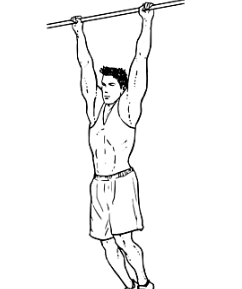
1. The Dead Hang
The simplest movement is often the most profound. Gravity is the only therapist that doesn’t charge by the hour.
The How: Find a pull-up bar. Hang. Relax your midsection. Aim for cumulative minutes, not just seconds.
The Why: Decades of grappling compress the spine and the glenohumeral joint. Hanging creates space, stretches the lats (which pull the shoulders into a hunch when tight), and builds “old man” grip strength.
| Exercise | Primary Benefit | Recommended Volume |
| Dead Hang | Decompression / Grip | 3 sets of 30-60 seconds |
| Scapular Pull-Ups | Scapular Stability | 3 sets of 10-15 reps |
| Yoga Push-Up | Frame Strength / Overhead Reach | 3 sets of 10 reps |
| Prone Y-W-T | Posture Correction | 2 sets of 10 cycles |
| Thread the Needle | Thoracic Rotation | 10 reps per side |
| Shoulder CARs | Joint Health / Maintenance | 3-5 slow circles per side |
Ultimately, staying on the mats as a middle-aged grappler isn’t about having the strongest bench press in the gym, it’s about durability. While we’d all love to impress a panel of hyped-up white belts with a flawless Iron Cross, the reality of longevity is found in the unsexy work of hanging, rotating, and stabilizing. By integrating these six movements into your weekly routine, you aren’t just stretching, you’re armor-plating your joints against the inevitable wear and tear of the sport. Respect your “check engine” light, prioritize mobility over ego, and you’ll find yourself still hitting sweeps and locking in chokes long after the younger guys have burned out.
Pro Tip: Don’t wait until you’re injured to start this. Spend 10 minutes on this circuit before your next class, and your 60-year-old self will thank you for not needing a total shoulder replacement.


