

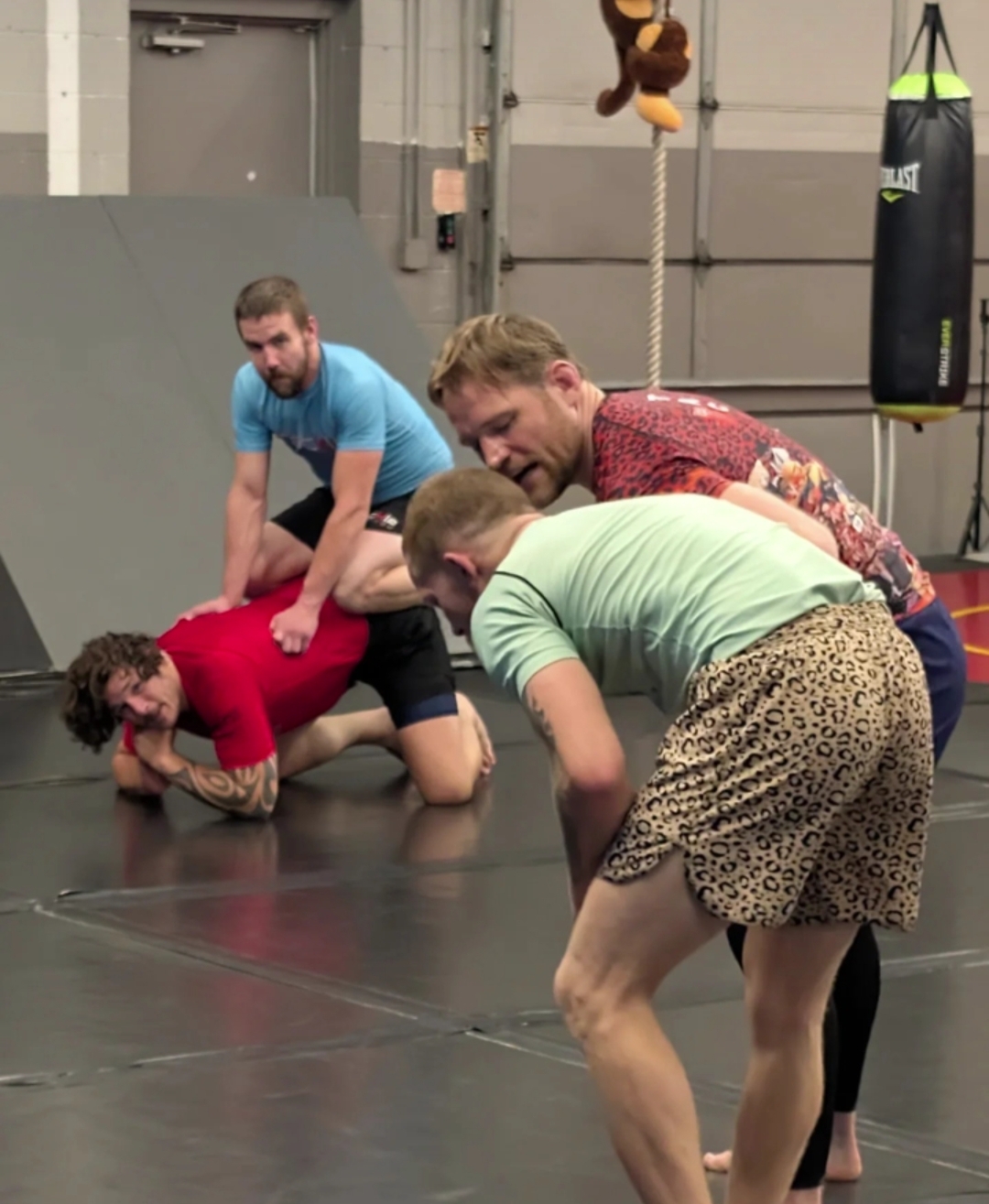
2026 is over half-way completed, and what do you have to show for it. If you’re anything life me, maybe a new gi, or a new belt perhaps? Congratulations, if so. Others may be heading into August with far less on their docket of accomplishments (but some hopefully with more, once again, congrats!). Whatever the case, we’ve got a few tips and tricks to help end your year on a high note, or perhaps 6…
Whether you are wearing a fresh white belt with the tags barely washed off or a faded black belt looking to keep up with the local twenty-something athletic phenoms, your roadmap for progress needs to adapt.
Here is the definitive ranking of the top 6 moves, systems, and aspects of grappling to focus on before the end of the year, crafted to be immediately applicable no matter where you fall on the belt spectrum.
6. First-Contact Hand Fighting & Inside Position
The Battle Before The Battle
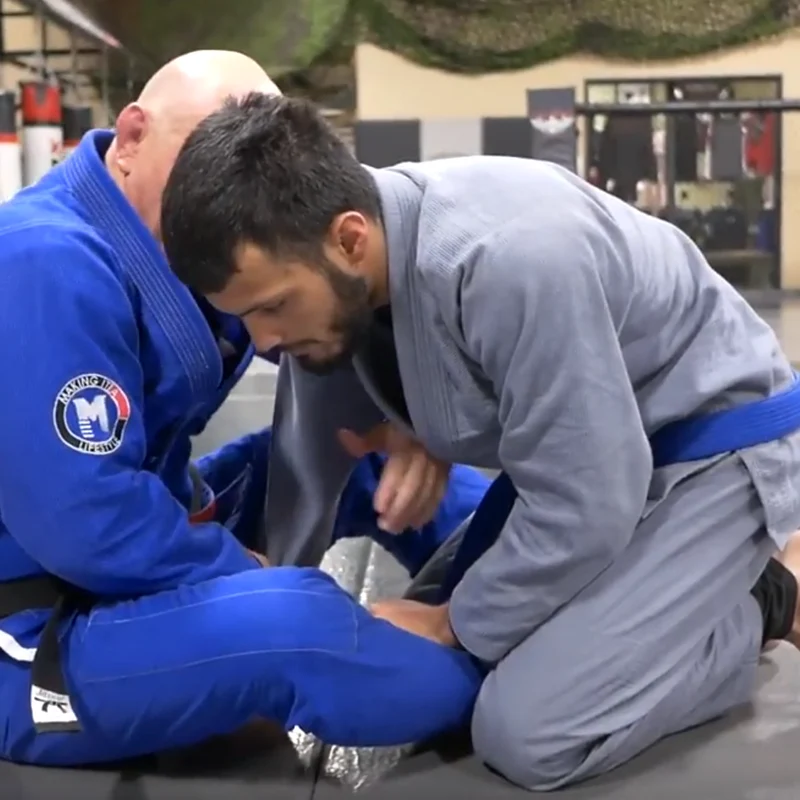
Every single exchange in grappling, whether standing or on the mat, begins with hand fighting. In the current meta, giving up inside position early means you’re already defending before the roll has truly started.
- The Concept: Controlling the space inside your opponent’s frame (inside bicep, collar, or wrist) to dictate the pace and direction of the engagement.
- White–Blue Belt Focus: Stop letting opponents get double-underhooks or easy collar grips for free. Practice grip-stripping and keeping your elbows tucked close to your ribs.
- Purple–Black Belt Focus: Master wrist-riding, heavy pummeling during dynamic scrambles, and using grip breaks to immediately trigger offensive combinations.
5. Active Guard Retention & Elbow-Knee Connection
Prevention Over Recovery
If your guard is easy to pass, your entire offensive game becomes tentative. Modern guard retention relies less on flexible, acrobatics-heavy inversions and far more on structural integrity and structural frames.
- The Concept: Maintaining the elbow-knee connection, the virtual shield between your elbow and knee on the same side, so opponents cannot wedge themselves into your hip space.
- White–Blue Belt Focus: Build the habit of never staying flat on your back. Learn to use high-knee shields and cross-body frames to push weight off your torso.
- Purple–Black Belt Focus: Master micro-adjustments under extreme heavy pressure, dynamic shoulder rolls, and using high-leg recoveries when an opponent clears your first line of defense.
4. Dynamic Pinning & High-Efficiency Pressure
Causing Cognitive Overload On Top
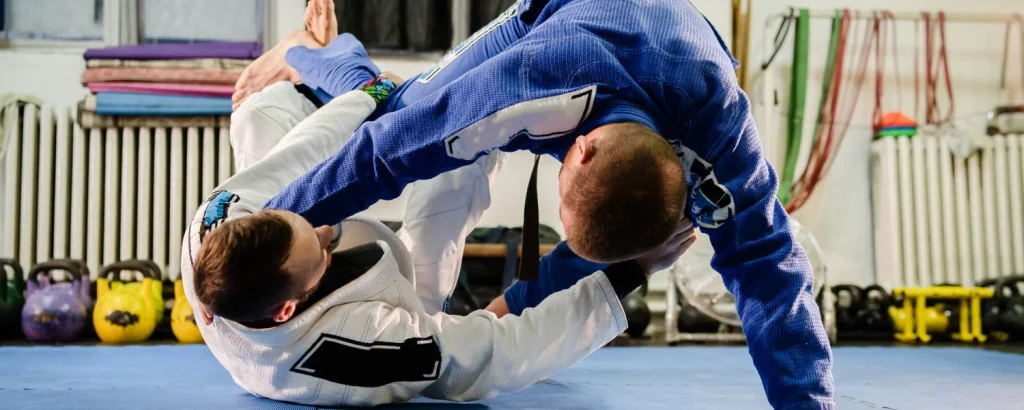
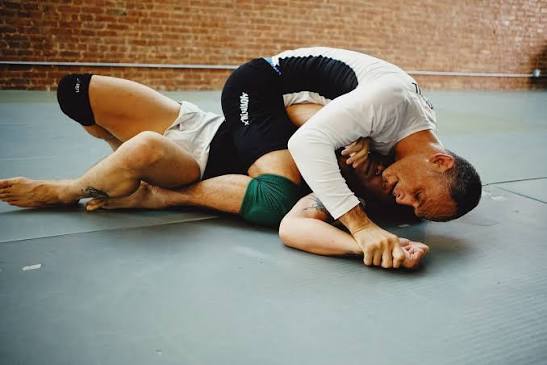
Static holding is dead. Modern top control is about Dynamic Pinning, constantly adjusting weight distribution, hip height, and cross-faces so your opponent feels like they are swimming under a collapsing roof.
“Top position in 2026 isn’t about parking a bus on someone, it’s about making every escape attempt cost them twice as much energy as it costs you to hold them.”– Adam Knifer, Lead Programmer Tackle Technologies And Learned Blackbelt
- The Concept: Shifting between Side Control, North-South, and Knee-on-Belly smoothly, denying the bottom player a stable surface to bridge against.
- White–Blue Belt Focus: Keep your knees light on the mat and put your body weight directly through your shoulder into the opponent’s jaw line.
- Purple–Black Belt Focus: Learn to cook opponents by blocking their hip movement with micro-adjustments, forcing them into predictable, desperate escape routes.
3. The Back Control System & Rotational Back Takes
The Ultimate High-Percentage Finish
Regardless of how much the game changes, taking the back remains the highest-value real estate in all of grappling. What has changed is how we get there, moving away from straightforward arm-drags toward rotational entries off turtle and guard-passing scrambles.
- The Concept: Establishing persistent chest-to-back contact while controlling the opponent’s hips using hooks, body triangles, or thigh-master controls.
- White–Blue Belt Focus: Master basic seatbelt control (one hand over shoulder, one under armpit) and learning to maintain back position when the opponent turns toward you.
- Purple–Black Belt Focus: Work on rotational back takes (such as the berimbolo, truck, or trap-door entries off forced turtle positions) and refining body-triangle switches during escapes.
2. The Wrestle-Up Guard System
Fusing Guard Play With Takedown Offense
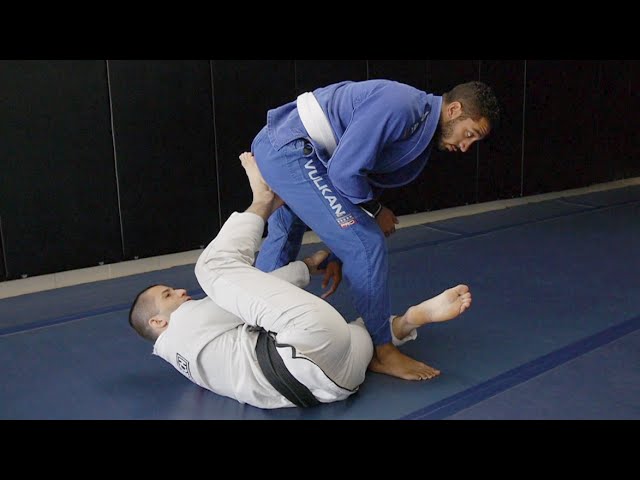
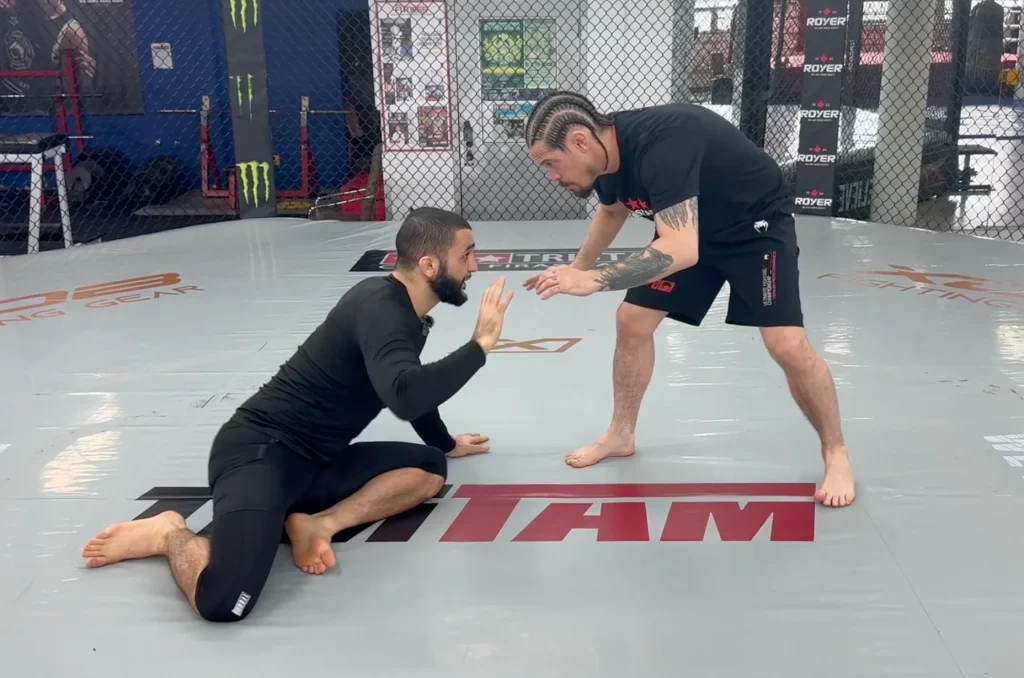
The days of sitting in open guard and waiting for a complex sweep are fading. The modern bottom game heavily favors wrestle-ups, using the guard to create space, stand up, and attack single or double legs.
- The Concept: Converting bottom guard engagement directly into standing takedown attacks.
- White–Blue Belt Focus: When an opponent backs away from your guard, don’t sit back. Sit up, build to an elbow, get to your knees, and drive into a single-leg takedown.
- Purple–Black Belt Focus: Seamlessly chain wrestle-ups with leg-lock threats. If they sprawl on your wrestle-up, drop straight into a leg attack, if they defend the leg attack, follow them up into a takedown.
1. Integrated Knee-Line Control & Leg Entanglements
The Universal Grappling Requirement
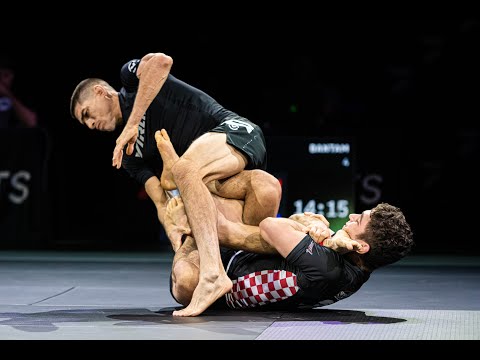
Leg locks are no longer a specialized sub-genre of Jiujitsu, they are an essential pillar of modern grappling literacy. Understanding how to clear, hide, or attack the knee line is mandatory for safety and success across all belt levels.
- The Concept: Controlling the opponent’s hip and knee joint through positional entanglements (such as Ashi Garami, Single Leg X, or the Saddle) to attack or pass.
- White–Blue Belt Focus: Learn the mechanics of the straight ankle lock, recognize leg entanglement positions, and prioritize defense (hiding the heel and turning the knee line out).
- Purple–Black Belt Focus: Implement false reaps, cross-body saddle entries, and use leg attacks as a primary setup to force guard passes against high-level defenders.
| Belt Level | Primary Technical Goal | Key System Focus |
| White Belt | Defense & Fundamental Positioning | Hand Fighting (#6) & Guard Retention (#5) |
| Blue Belt | Building A Reliable Offense | Wrestle-Ups (#2) & Straight Leg Attacks/Defense (#1) |
| Purple Belt | Transition Fluidity & High-Pressure Systems | Dynamic Pinning (#4) & Back Take Entanglements (#3) |
| Brown / Black | Hybridization & Multi-Threat Chains | Chaining Leg Locks to Passes (#1/#2) & Cognitive Control (#4) |
The Bottom Line
You don’t need to learn fifty new viral moves to transform your game before the end of the year. By picking two or three of these high-priority systems and systematically building them into your daily rolls, you will stay ahead of the curve, keep your training partners guessing, and ensure your BJJ stays sharp in modern grappling.


