

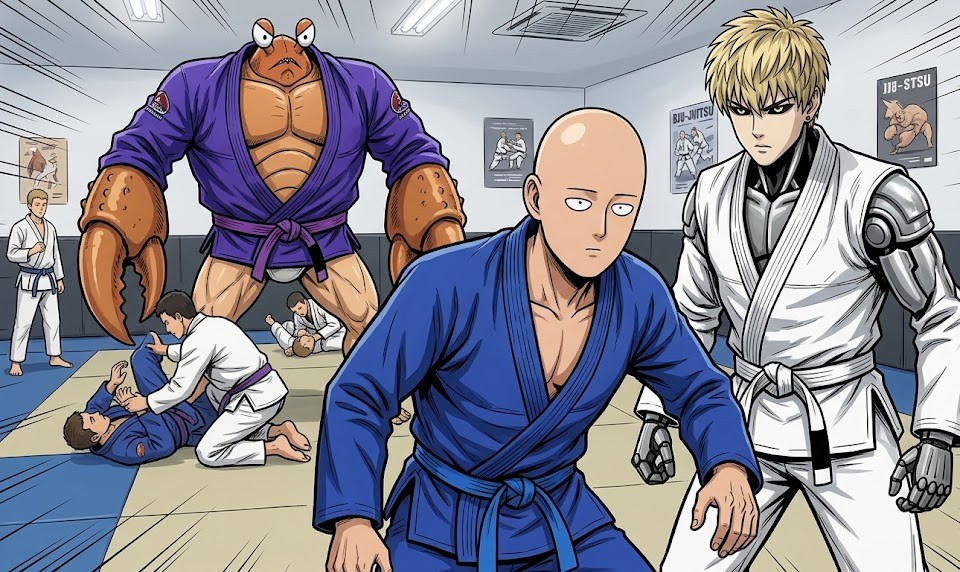
At first glance, One Punch Man looks like a gloriously rendered, beautifully animated parody of the entire superhero genre. It’s a show about Saitama, a guy who got so overwhelmingly strong that he defeats every existential threat to humanity with a single, unenthusiastic left hook.
But if you strip away the exploding monsters and the cyborg lasers, ONE (the series’ creator) has accidentally, or perhaps brilliantly, written one of the most profound treatises on the psychology of martial arts ever put to paper.
Whether you are grinding through the blue belt blues in BJJ, preparing for an amateur Muay Thai bout, or just trying to survive your local open mat, the heroes and villains of City Z have a lot to teach us. Here are the top six life lessons from One Punch Man ranked by Prograppler staff.
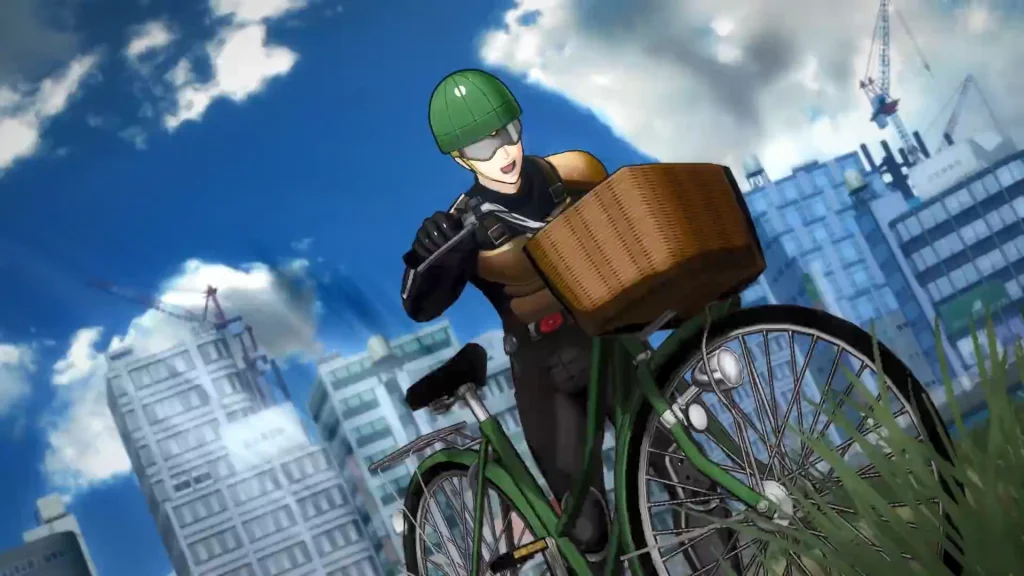
6. The Mumen Rider Spirit: Heart Trumps The Outcome
The Theme: Grit In The Face of Inevitable Defeat.
Mumen Rider is a Class-C hero who rides a bicycle and has absolutely no superpowers. When the terrifying Deep Sea King effortlessly dismantles the world’s strongest fighters, Mumen Rider steps up anyway. He gets brutally beaten, but his refusal to quit buys enough time for help to arrive.
“It’s not about winning or losing! It’s about me taking you on right here and right now!” — Mumen Rider
The Martial Arts Application:
We have all had that round. The round where you pair up with the 250-pound former D1 wrestler who smells like tiger balm and intent. You know you’re going to get smashed.
In BJJ and martial arts more broadly, you will frequently find yourself outmatched. The lesson of Mumen Rider is that value isn’t just found in victory, it’s found in the refusal to fold. Survival for an extra thirty seconds under a heavy side control is a win. Showing up to roll when your ego is bruised is a win. Have the heart to pedal into the fight anyway.
5. The Genos Trap: Data Can’t Replace Mat Time
The Theme: Over-Analyzing vs. Cultivating Instinct.
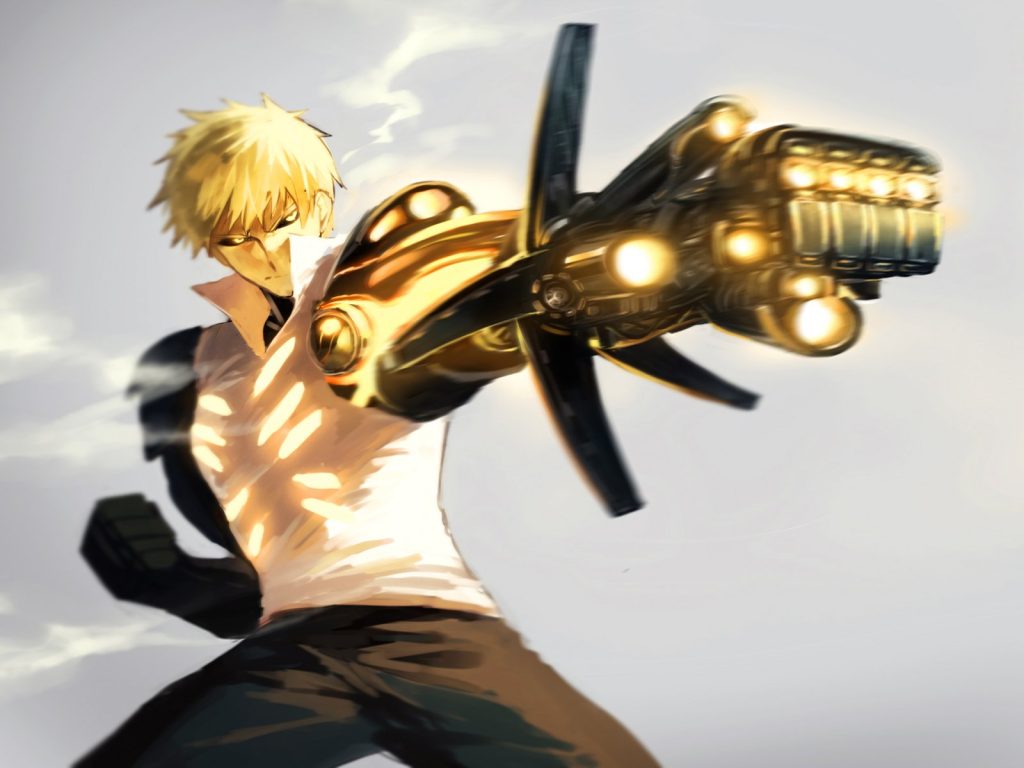
Genos is a hyper-advanced cyborg who approaches combat like a computer program. He takes meticulous notes on Saitama’s movements, upgrades his mechanical parts constantly, and analyzes data patterns. Yet, he consistently gets ripped apart because he relies on tech and theory rather than raw, adaptable combat instinct.
The Martial Arts Application:
In the modern era of combat sports, we are blessed with endless content. You can buy a 12-hour instructional on the matrix guard or watch breakdown videos on YouTube until your eyes bleed, but data doesn’t choke people.
You cannot download a black belt. If you spend five hours watching instructionals but only hit the mats twice a week, you are falling into the Genos Trap. True martial arts proficiency is an embodied experience. You need the messy, unscripted feedback of live sparring to make the data useful.
4. The King Syndrome: Surviving The Pressure Of Your Rank
The Theme: The Gap Between Reputation And Reality.
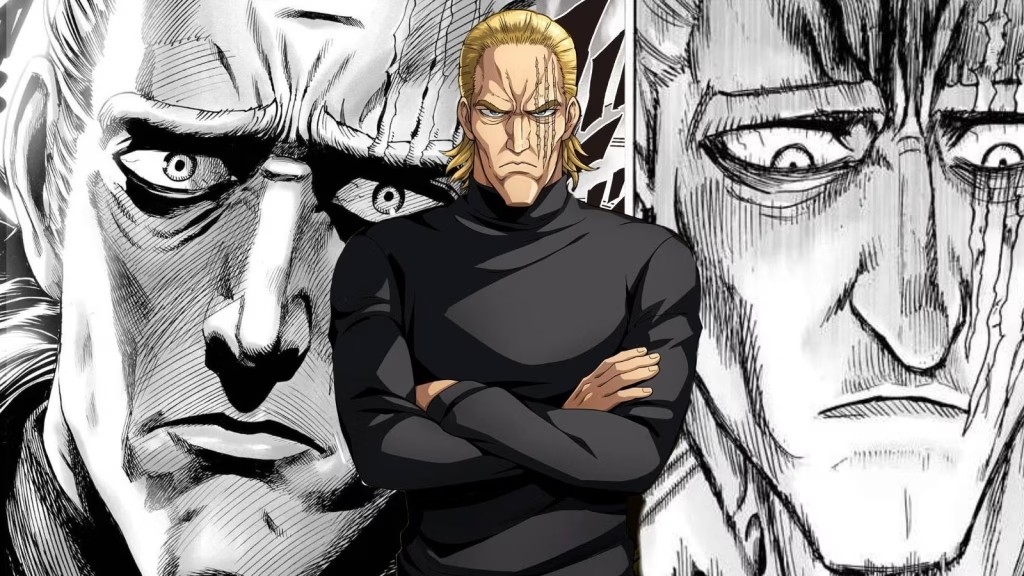
King is known as “The Strongest Man on Earth,” but it’s an entire lie. He’s actually an ordinary guy who happens to be at the scene of Saitama’s victories. The public’s massive expectations terrify him, and he lives in constant fear of being exposed as a fraud.
The Martial Arts Application:
This is the definitive psychological profile of imposter syndrome, something rampant in BJJ culture.
- The fresh blue belt who is suddenly terrified of losing to a white belt.
- The newly minted purple belt who feels like they don’t deserve the rank.
When your coach ties a new piece of cloth around your waist, the pressure can make you want to avoid live rolling altogether to protect your reputation. Don’t be King. Embrace the fact that a belt is just a reflection of your average progress, not a shield of invincibility. It’s okay to get caught.
3. The Boredom Of The Peak: Fall In Love With The Process, Not The Destination
The Theme: The Existential Dread Of Achieving Your Ultimate Goal.
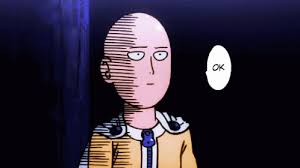
Saitama sought absolute strength to become a hero. He got it, and it ruined his life. Because he can defeat anyone instantly, he no longer feels the rush of adrenaline, the joy of competition, or the satisfaction of overcoming an obstacle. He is profoundly bored.
The Martial Arts Application:
Many practitioners start martial arts with a hyper-fixation on a singular goal: “When I get my black belt…” or “When I win this tournament…”
But what happens when you get there? If your entire love for the sport is contingent on a future destination, you will experience a massive existential crash when you arrive. The true masters, the ones who train into their 60s and 70s, don’t train for the gold medal, they train because they love the tactile feel of the fabric, the chess game of the guard, and the community. Fall in love with the mundane Tuesday night training session, or the peak will taste hollow.
2. The Garou Method: Growth Is Forged In Discomfort
The Theme: Breaking Your Limits Through Adaptation.
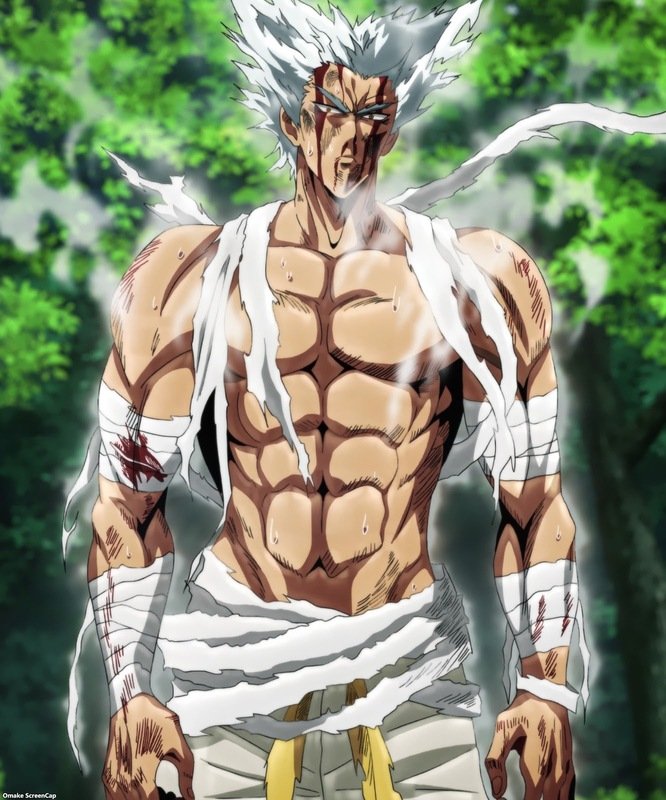
Garou, the “Hero Hunter,” is one of the most compelling characters because his superpower is essentially extreme adaptation. He deliberately seeks out opponents who are stronger than him, takes an absolute beating, and forces his body and technique to evolve mid-fight to survive.
The Martial Arts Application:
If you only roll with people you can easily defeat, your Jiujitsu will stagnate. To truly evolve, you must willingly enter the Garou phase.
Put yourself in terrible positions on purpose. Let the lower belt pass your guard so you can work your escapes. Seek out the training partners who give you nightmares. Growth lives entirely on the ragged edge of your comfort zone. If you aren’t tapping, you aren’t learning where the leaks in your boat are.
1. The Saitama Routine: Through Ritual, Magic
The Theme: Mastery Requires No Secret Formula, Just Relentless Repetition.
When Genos demands to know the secret behind Saitama’s god-like power, he expects a complex, mystical explanation. Instead, Saitama reveals his routine.
- 100 push-ups
- 100 sit-ups
- 100 squats
- 10km run
- Every single day.
Genos is furious, calling it a basic, standard conditioning program, but Saitama’s secret wasn’t the complexity of the workout, it was the fact that he did it until his hair fell out, never taking a day off, regardless of how much it hurt or how boring it became.
The Martial Arts Application:
We live in a martial arts world obsessed with the flashy. People want to learn the spinning wheel kicks and the berimbolos before they can throw a proper jab or hold a basic closed guard.
Saitama’s routine is the ultimate reminder that mastery is just the basics executed at an elite level through relentless consistency.
The best martial artists in the world don’t possess secret techniques, they have just practiced the foundational movements, the hip escapes, the underhooks, the stance work, more times than you have even thought about them. Don’t look for a magical shortcut. Show up, step onto the mat, drill the basics, and let the consistency do the work.
| Rank | Character / Theme | Core Anime Philosophy | Martial Arts & BJJ Application |
| 1 | The Saitama Routine | Mastery requires no secret formula—only the relentless, boring repetition of the basics. | Consistency over flashiness. True elite performance comes from executing fundamental movements perfectly, not chasing shortcuts. |
| 2 | The Garou Method | Limits are broken by seeking out tougher opponents and adapting mid-fight. | Growth lives in discomfort. Willingly put yourself in bad positions and roll with partners who challenge you to force adaptation. |
| 3 | Boredom of the Peak | Fixating entirely on an ultimate goal leads to an existential crash once you achieve it. | Love the process, not the destination. Fall in love with the everyday grind of training rather than just the color of your belt. |
| 4 | The King Syndrome | The crushing anxiety and imposter syndrome of living up to a reputation you don’t feel you earn. | Survive the pressure of the rank. A new belt is just a marker of average progress. Don’t let the fear of losing it stop you from rolling. |
| 5 | The Genos Trap | Meticulous data analysis, study, and theory can never replace raw combat instinct. | Instructionals can’t replace mat time. YouTube videos and online courses are useless without the messy, live feedback of sparring. |
| 6 | The Mumen Rider Spirit | Standing your ground with pure heart and grit, even when facing inevitable defeat. | Heart trumps the outcome. When completely outmatched by a superior opponent, refusing to fold is a victory in itself. |


