

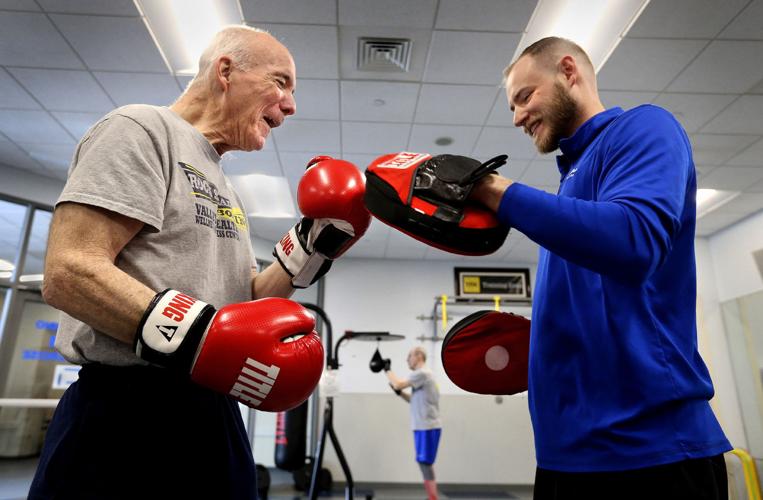
While traditional combat sports carry inherent risks of head trauma, non-contact boxing protocols are rapidly proving to be among the most effective non-pharmacological interventions for slowing the progression of neurodegenerative disorders like Parkinson’s disease and mild cognitive impairment. By stripping away physical contact while retaining the intense physical and cognitive demands of heavy bag work, focus pads, and footwork, coaches and neuroscientists are turning the sweet science into a powerful tool for neurological preservation.
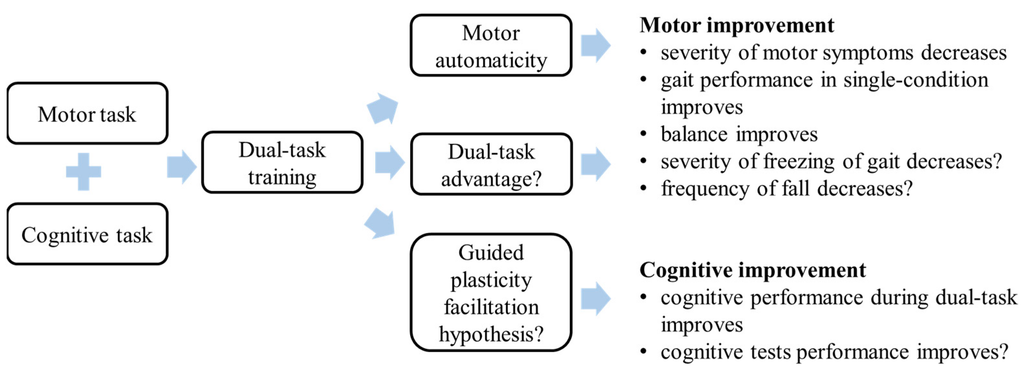
The Neurological Engine: BDNF And Dual-Task Training
Boxing drills engage the central nervous system far more comprehensively than linear aerobic exercises like running or stationary cycling. The neuroprotective benefits stem from two primary physiological mechanisms.
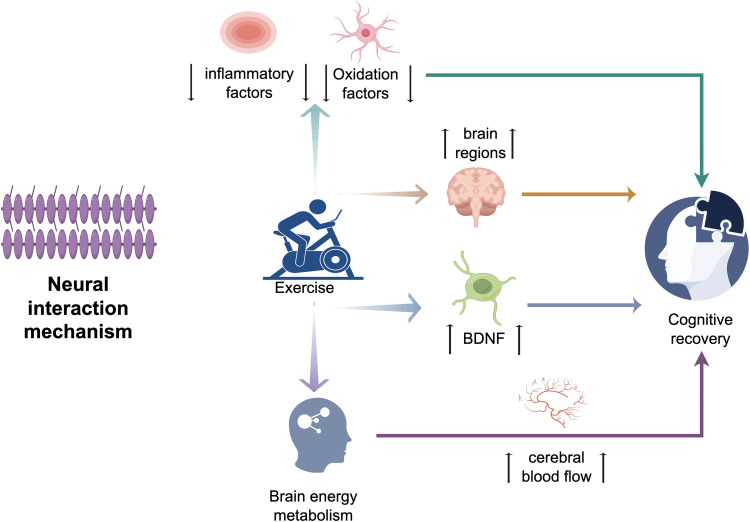
- Biochemical Upregulation (BDNF): High-intensity interval bursts during heavy bag work or mitt sessions generate systemic lactate, which crosses the blood-brain barrier to trigger the release of Brain-Derived Neurotrophic Factor (BDNF). BDNF acts as neural fertilizer, encouraging neurogenesis, strengthening synaptic connections, and protecting existing dopaminergic neurons from premature decay.
- Dual-Task Cognitive Demands: Remembering dynamic punch combinations (e.g., jab-cross-hook-slip-counter), tracking moving targets, and executing multi-planar footwork simultaneously challenge the prefrontal cortex and basal ganglia. This intense cognitive load forces the brain to build compensatory neural pathways, offsetting structural damage caused by neurodegenerative conditions.
What We Know So Far
A growing body of clinical literature validates non-contact boxing as a therapeutic strategy for neurodegenerative conditions.
- Functional Gait And Balance: Early landmark research led by Dr. Stephanie Combs-Miller demonstrated that individuals with Parkinson’s participating in multi-modal non-contact boxing achieved significant, sustained improvements in gait speed, dynamic balance, and overall motor function compared to traditional exercise controls.
- Quality Of Life And Non-Motor Symptoms: A survey study published by Larson et al. (2022) evaluating Rock Steady Boxing participants revealed substantial improvements in non-motor impairments, including executive cognitive function, mood stability, fatigue, and daily independence.
- Attenuation Of Neural Inflammation: Research by Malczynska-Sims et al. (2022) demonstrated that high-intensity boxing-style intervals alter systemic inflammatory responses in Parkinson’s patients, reducing chronic neuroinflammation that accelerates cellular breakdown.
By converting athletic conditioning techniques into targeted rehabilitation, combat sports gyms are redefining boxing’s legacy, turning gloves, heavy bags, and pad work into frontline defenses against cognitive decline.


