


We’ve all seen the first day ritual. A wide-eyed accountant or a college kid walks into the gym, smelling of Gain Scent Beads and optimism. We put them through a warm-up, show them a basic hip bump sweep, and maybe, if we’re feeling spicy, let them work on a standard scissor sweep. We treat them like fragile porcelain, terrified that if they feel a single ounce of discomfort, they’ll sprint back to the safety of their Peloton.
As a blue belt, I’ve officially reached the middle-management tier of Jiujitsu where I know enough to be dangerous but still get smashed by anyone who has a purple or above holding up their pants, and from this vantage point, I’m starting to think our polite introduction to the gentle art is actually a bit of a disservice.
It’s time we stop hiding the dirty stuff from the new guys.
The Myth Of The Gentle Art
In truth, Jiujitsu is only gentle in the sense that I’m not literally punching you in the face. Beyond that, it’s a high-speed physics experiment where the goal is to make someone else’s life miserable until they quit.
By shielding a free-trial student from a soul-crushing cross-face or a paper-cutter choke that feels like a dull saw, we are essentially false advertising. If they think BJJ is just pajama yoga for the first month, they are going to have a massive existential crisis the moment a visiting blue belt from another gym decides to treat their jawline like a speed bump.
Safety Is Born From Awareness
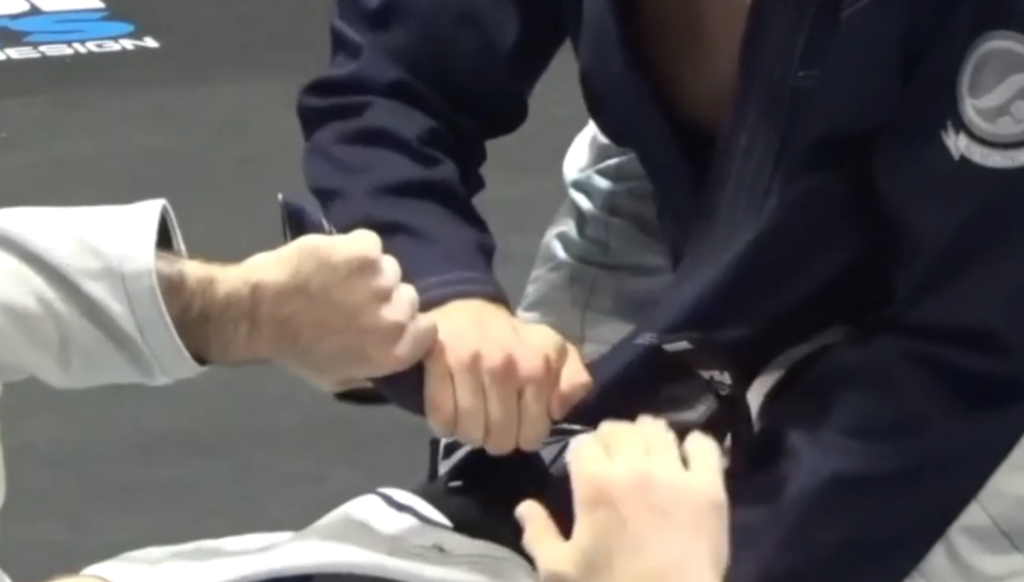
There is a safety argument to be made here, too. Consider the wrist lock, arguably the most disrespected and low-rent move in the gym.
If we don’t show a white belt that their hands can be folded like a lawn chair, they won’t know how to defend it. They’ll leave their hands dangling in the danger zone until some opportunistic upper belt snaps it on. Exposing a student to the dirty side of the game early on, in a controlled, educational way, gives them the peripheral vision they need to actually stay safe.
Filtering The Grit
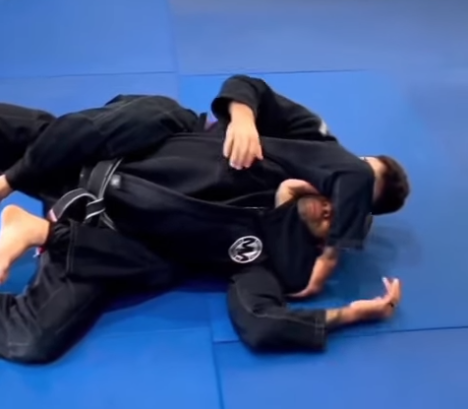
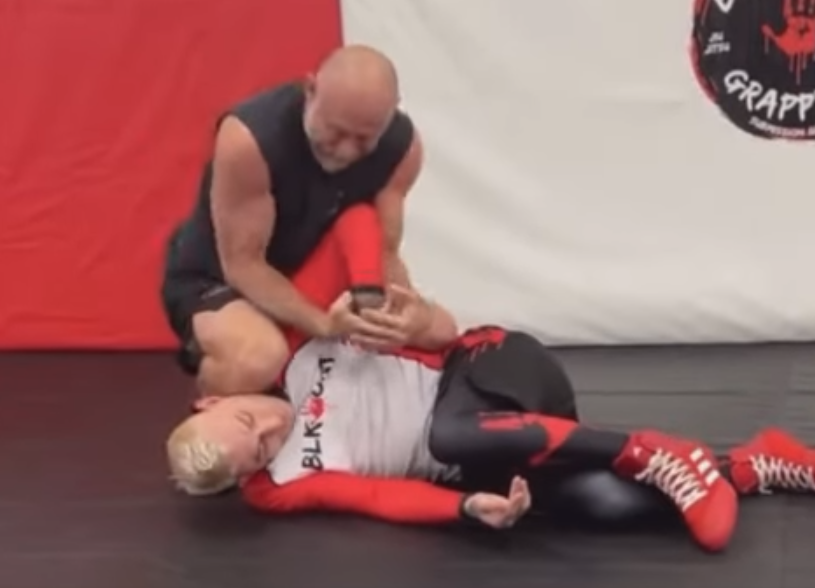
BJJ has a high attrition rate for a reason. It’s hard. It’s sweaty. It’s claustrophobic. If a student is going to quit because they didn’t like the sensation of someone’s forearm grinding into their sternum, they were probably going to quit anyway.
By introducing mean pressure and dirty (but legal) techniques early, we:
Build Early Resilience: It’s better to learn how to survive the dark side while you’re still a white belt than to reach blue and realize you DO NOT in fact have that dog in you.
Identify Those With Retention: The ones who feel a heavy knee-cut and think, “I want to learn how to do that,” are the ones who will be there three years from now.
How to Do It (Without Being a Jerk)
I’m not advocating for “mat justice” on a person who doesn’t know how to shrimp yet. This isn’t about bullying, it’s about exposure.
| The Approach | How to Implement |
| The Pressure Test | Don’t just let them up. Hold a heavy side control for 10 seconds so they understand the weight of the sport. |
| The Mean Finish | Show them the RNC, but mention that if the chin is in the way, the mandible crush is a very real, very uncomfortable reality. |
| The Wrist Lock Warning | Gently show them where their hands shouldn’t be. “If I do this, it’s a tap. Watch out for it.” |
Final Thoughts From A Middle-Aged Blue Belt
We don’t need to be mean people, but we do need to teach a mean sport. The goal isn’t to scare people away, it’s to invite them into the full reality of what we do.
The next time you’re drilling with a Day 1 student, don’t just give them the flowery version of the art. Give them a little taste of the pressure. Show them the dirty grips. Because the greatest mercy you can show a new student is preparing them for what the mats are actually like when the honeymoon phase ends.


