

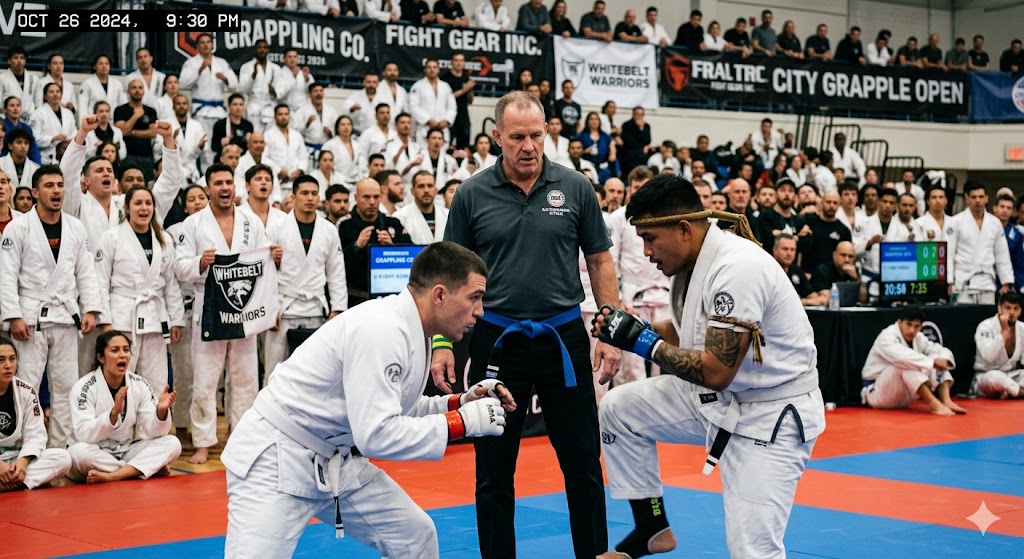
In the early days of the UFC, the style vs. style matchup was the primary draw. We watched sumo wrestlers face savate experts and BJJ practitioners neutralize powerhouse punchers. Today, while every elite fighter is a generalist, their base, the foundation upon which they build their game, still dictates the flow of the fight.
When it comes to striking, the debate usually narrows down to two schools of thought, Boxing and Muay Thai, but which one truly prepares a fighter better for the chaotic world of the Octagon? We’ve got answers for your thirsty whitebelt minds!
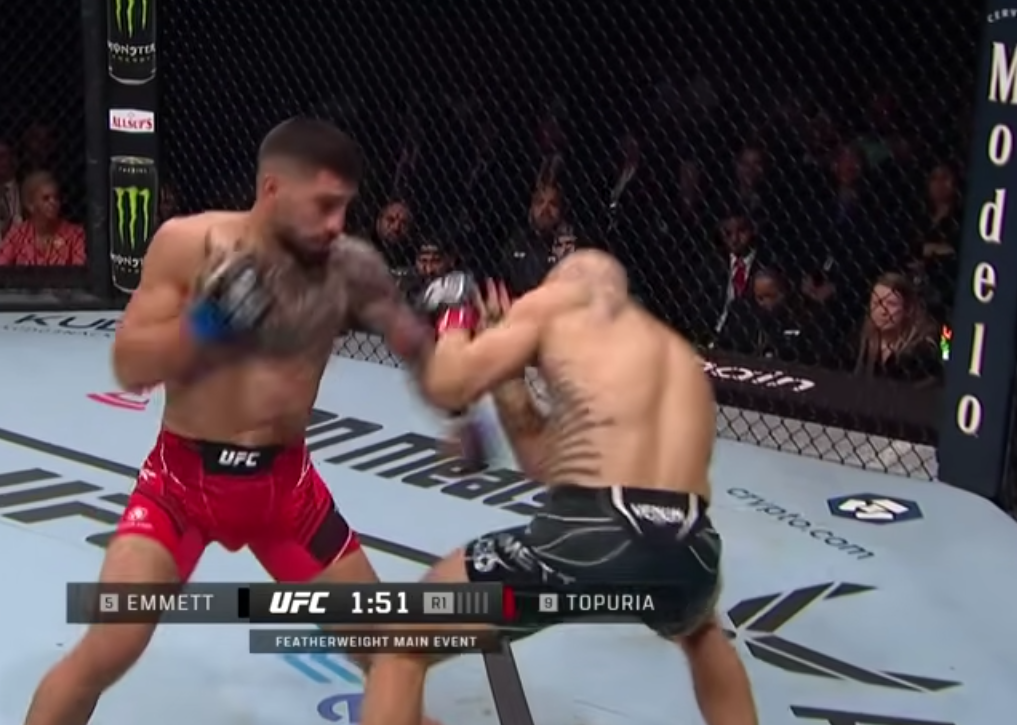
The Case For Boxing: Precision And Footwork
Boxing is often called the “Sweet Science” for a reason. In Professional MMA, where the gloves are smaller (4oz) and the margins for error are thinner, a fighter with a high-level boxing may base hold a distinct advantage in hand speed, accuracy, and head movement.
Why It Works In MMA
- Distance Management: Boxers are masters of the in-and-out movement. Using lateral footwork to create angles allows a fighter to land combinations while staying off the opponent’s centerline.
- The Power Of The Jab: In a sport where many fighters send haymakers, a crisp, stiff jab is a devastating tool that can disrupt rhythm and blind an opponent to an incoming takedown.
- Defensive Responsibility: Boxers are trained to keep their chin tucked and move their head. In 4oz gloves, one clean shot can end the night and a boxer’s ability to slip and rip is invaluable.
The Downside
The biggest disadvantage of a boxing base is the stance. The classic boxing stance is long and heavy on the lead leg to facilitate power and reach. In MMA, this makes a boxer a sitting duck for calf kicks and double-leg takedowns. Furthermore, boxers often struggle when the fight moves into the clinch, as they are not used to defending against knees or elbows, though they may be familiar with the position for stalling purposes.
The Case For Muay Thai: The Art Of Eight Limbs
If Boxing is a scalpel, Muay Thai is a Swiss Army knife. By utilizing fists, elbows, knees, and shins, a Nak Muay (Muay Thai practitioner) enters the cage with a much more substantial striking arsenal.
Why It Works in MMA
- The Clinch: This is perhaps the most transferable skill. Muay Thai’s plum clinch allows a fighter to control an opponent’s head, landing devastating knees and elbows that can end a fight instantly.
- Leg Kicks: As we’ve seen in countless UFC main events, a few well-placed calf kicks can compromise a fighter’s mobility entirely. Muay Thai teaches the mechanics to throw these with bone-breaking force.
- Versatility: A Muay Thai fighter is comfortable at all striking ranges—long (kicks), medium (punches), and close (knees/elbows).
The Downside
The traditional Muay Thai stance is very square and tall to facilitate checking kicks. This makes the fighter’s head a relatively stationary target. Compared to a boxer, a pure Muay Thai striker often lacks sophisticated head movement and can be susceptible to high-volume punchers who can blitz through the kicking range.
Historical Precedent: Boxers vs. Nak Muays
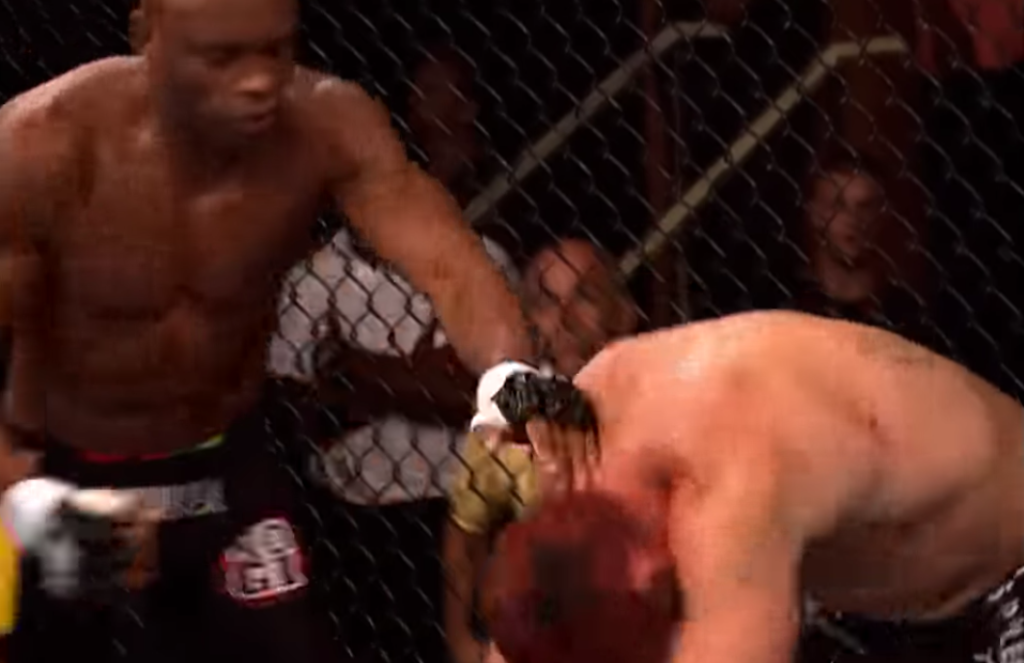
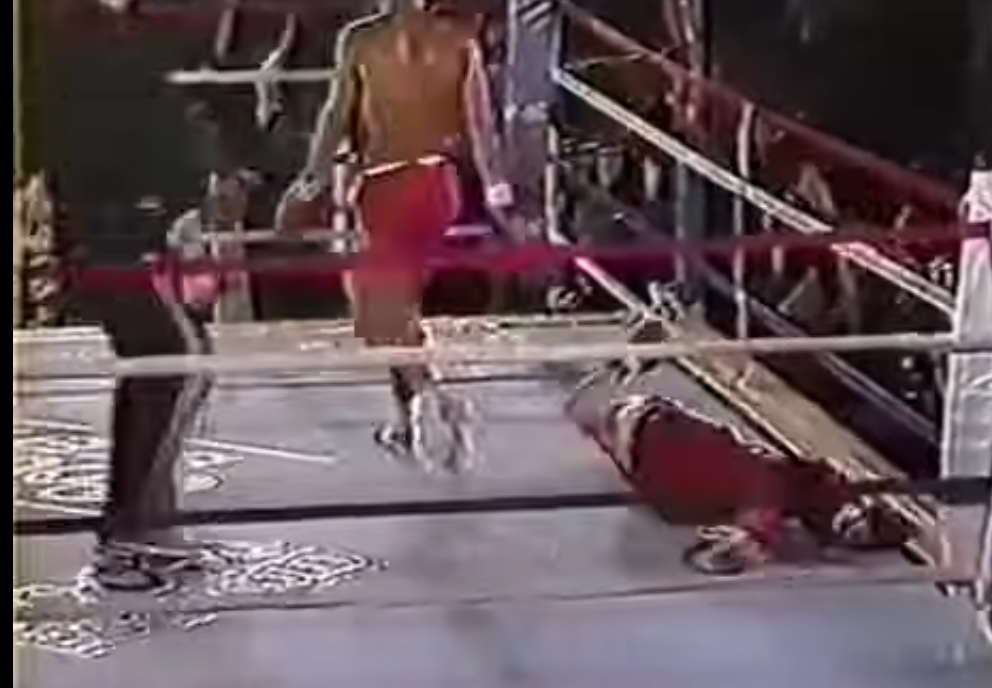
History hasn’t always been kind to the pure boxer in mixed-rule environments. One of the most famous examples was the 1988 clash between legendary American kickboxer (with a heavy boxing base) Rick Roufus and Thai fighter Changpuek Kiatsongrit.
Roufus dominated the early rounds with his hands, even breaking Kiatsongrit’s jaw. However, because Roufus had no answer for low kicks, Kiatsongrit eventually chopped him down until Roufus could no longer stand. This match served as a wake-up call for Western strikers, if you can’t defend your legs, your hands don’t matter.
In modern mixed-rule exhibitions (like Rodtang vs. Demetrious Johnson in ONE Championship), we see that while the boxer may have the edge in the first few exchanges, the Thai fighter’s ability to clinch up and use knees acts as a massive equalizer that neutralizes the boxer’s speed.
The Verdict: Which is Better?
If we are looking for the superior base for a transition into MMA, the edge goes to Muay Thai.
The reasoning is simple, utility. A Muay Thai base provides a solution for the clinch and teaches a fighter how to use their legs as both a primary weapon and a primary defense. In the context of MMA, the clinch is often the transition zone between striking and wrestling, being a master of that space is a massive advantage.
The Speculative Rankings:
- Muay Thai Base: Provides the most weapons and the best clinch defense.
- Boxing Base: Provides the best finishing power and fight IQ regarding distance, but requires immediate patching of the leg-kick and clinch holes.
The Modern Reality: The best MMA striker isn’t one or the other. They are typically fighters who use Muay Thai’s weapons (kicks/knees) but adopt a boxer’s head movement and hand speed. Think of fighters like Dustin Poirier or Petr Yan, they are the spectacular examples of the evolution of both worlds.


