

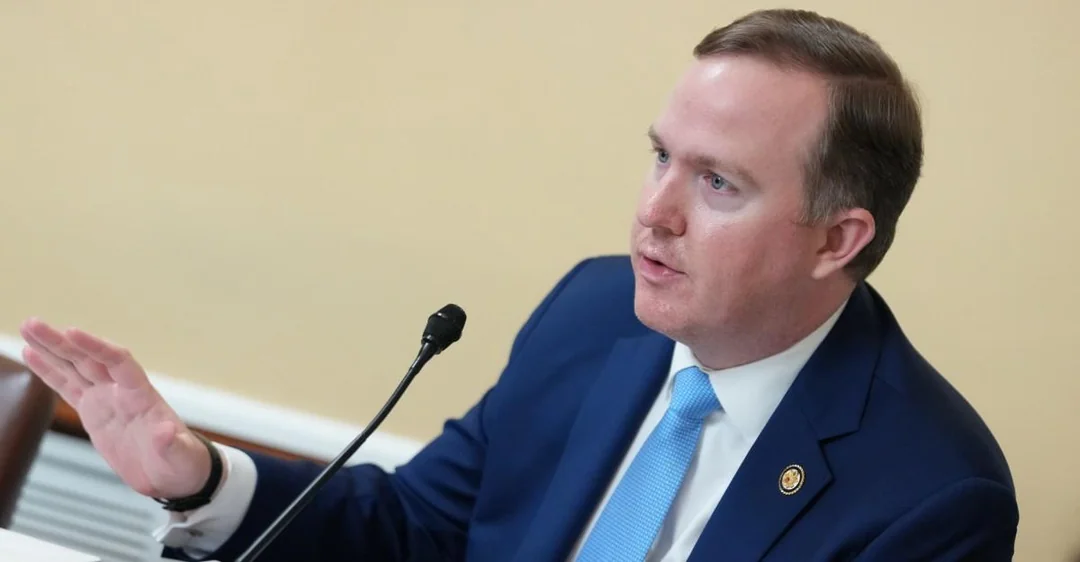
WASHINGTON, D.C. — In a move that has sent shockwaves from the Las Vegas Strip to the local gyms of Brooklyn, the U.S. House of Representatives officially passed H.R. 4624, the Muhammad Ali American Boxing Revival Act, on March 24, 2026.
Passed by a bipartisan voice vote, the legislation represents the most significant federal intervention in the “Sweet Science” since the original Ali Act of 2000. While proponents hail it as a long-overdue modernization of a fractured sport, critics warn it could dismantle the very protections that have allowed boxing’s biggest stars to out-earn their MMA counterparts for decades.
The Rise Of The “UBO”: A UFC Model For Boxing?
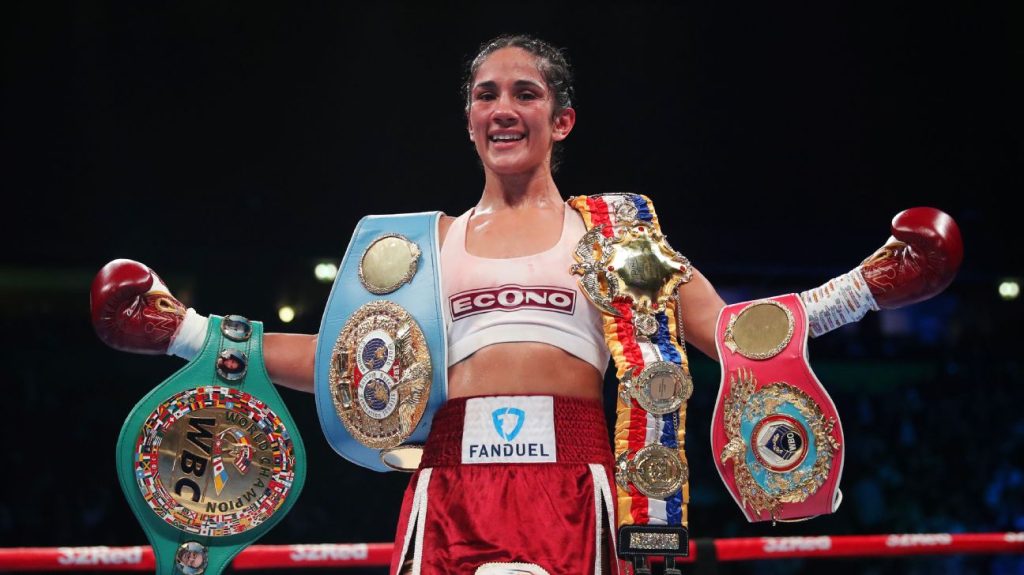
The centerpiece of the Revival Act is the authorization of Unified Boxing Organizations (UBOs). Under current law, the “firewall” between promoters and sanctioning bodies (the WBC, WBA, IBF, and WBO) is meant to prevent a single entity from controlling both the matchmaking and the championship titles.
The new Act allows a single organization, like the TKO-backed Zuffa Boxing, to function as a “league.” These UBOs will have the power to:
- Crown their own champions and manage internal rankings.
- Sign exclusive long-term contracts (up to six years) with fighters.
- Eliminate “belt bloat” by restricting each weight class to one undisputed title.
For fans, this promises the best fighting the best without the years of promotional bickering. For the industry, it signals a shift toward the centralized, highly controlled model seen in the UFC.
Impact On The Pros: A New Floor, But A Lower Ceiling?
The Act introduces several landmark mandates aimed at improving the quality of life for professional fighters, though the financial trade-offs are hotly debated.
The “Safety Net” Provisions
- Minimum Pay: Every professional boxer is now guaranteed a federal floor of $200 per round.
- Healthcare Boost: Mandatory medical coverage for bout-related injuries has doubled to $50,000, with an additional $15,000 for accidental death.
- Inactivity Pay: In a revolutionary move, UBOs must either provide a fighter at least one match every six months or pay a guaranteed monthly stipend (roughly $2,000) to prevent benching talent.
The Monopoly Concern
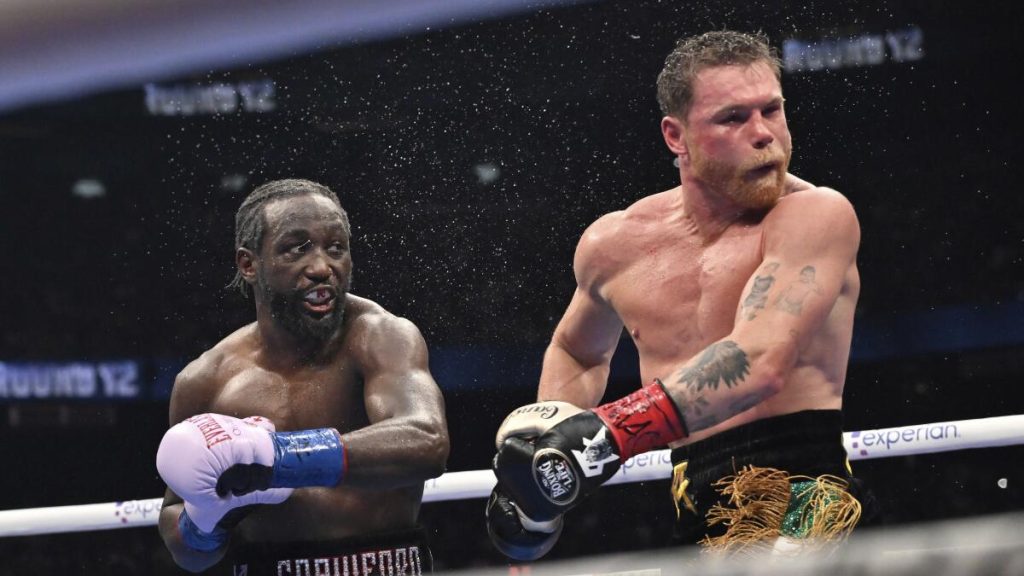
While the floor is higher, many analysts fear the ceiling will drop. Under the original Ali Act, top-tier free agency allowed stars like Canelo Alvarez and Terence Crawford to command $50M+ purses. Critics argue that by allowing UBOs to control titles, promoters gain immense leverage, potentially suppressing the massive mega-fight payouts in exchange for the stability of a league structure.

The Amateur To Pro Pipeline: A Mixed Bag
The impact on amateur boxers and the grassroots club scene is perhaps the most overlooked aspect of the bill.
For Amateurs: The transition to the professional ranks will become more structured. Young fighters signing with a UBO will enter a system with clearer career paths, mandatory drug testing (WADA-compliant), and guaranteed health insurance, protections rarely afforded to four-rounders in the current landscape.
The Extinction Risk: However, the cost of these mandates may kill the club show where amateurs typically turn pro. Independent promoters warn that the high costs of mandatory drug testing (estimated at $10,000+ per event) and the new insurance minimums will make small-scale shows financially impossible. Without these local basement cards, the entry point for the next generation of boxers could disappear.
What’s Next?
The Muhammad Ali American Boxing Revival Act now moves to the Senate, where it faces a different set of hurdles. While the House passage was swift, the boxing world remains divided. Is this the revival the sport needs to compete with the rising tide of MMA, or is it a corporate takeover that will leave the independent fighter in the dust?
One thing is certain, if signed into law, the landscape of American boxing will be unrecognizable by this time next year.


