

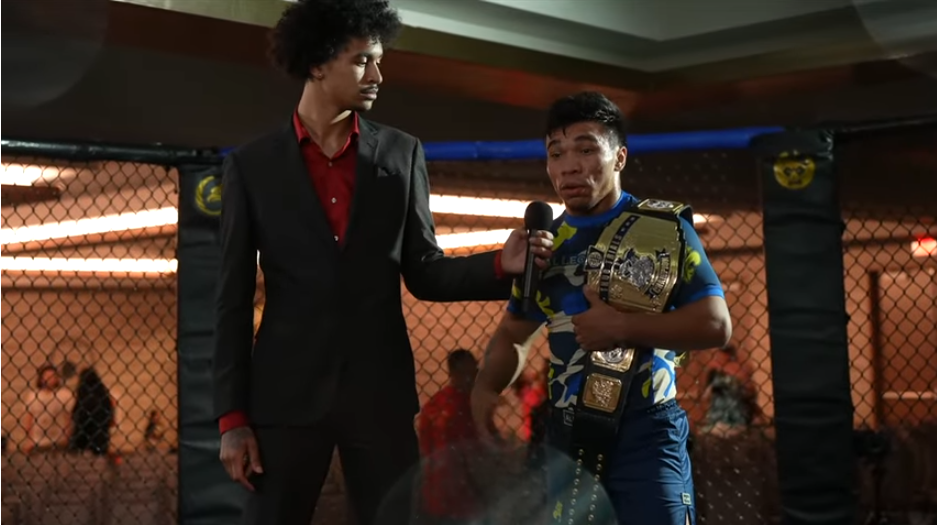
The Biggest Grappling Show on Valentines Day
Thug Trials 2 Full Results
Gabriel Sousa defeats Keith Krikorian via Decision – Judge’s Decision
Sousa wins the Thug Trials 165lbs men’s championship
Vagner Rocha defeats David Garmo via Decision – Judge’s Decision
Dan Manasoiu defeats Sean Goolsby via Decision – Judge’s Decision
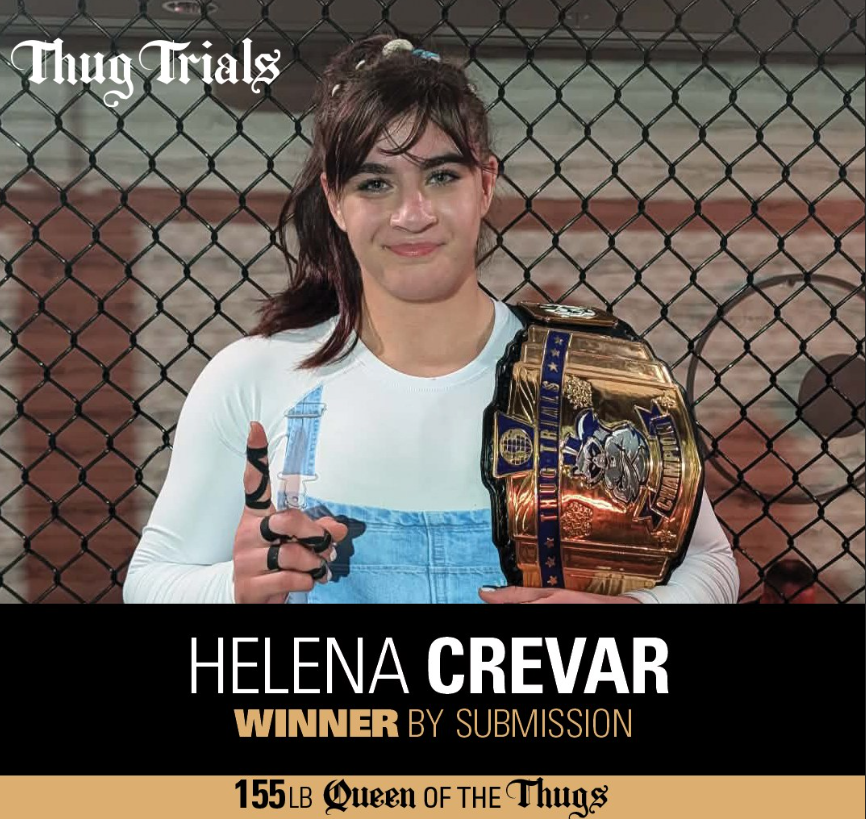
Helena Crevar defeats Gabi Schuck via Submission – Rear-naked Choke
Crevar wins the Thug Trials 155lbs women’s championship
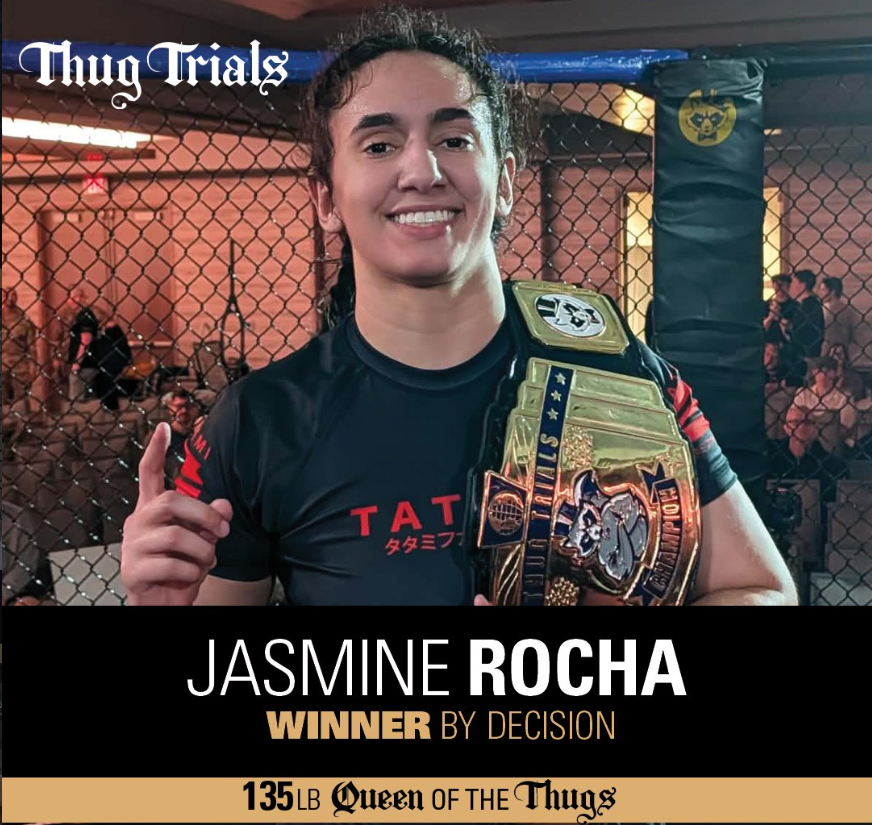
Jasmine Rocha defeats Ally Wolski via Decision – Judge’s Decision
Jacob Couch defeats Sage Gonzales via Submission – Ankle-lock
Oliver Taza defeats Chili Jamison via Decision – Judge’s Decision
Joao Assonitis defeats Joseph Myers via Decision – Judge’s Decision
Jake Straus defeats Jacob Bornemann via Decision – Judge’s Decision
Preliminary Card
Abraham La Montagne defeats Tanner Weisgram via Decision – Judge’s Decision
Brad Schneider defeats Christiano Troisi via Decision – Judge’s Decision
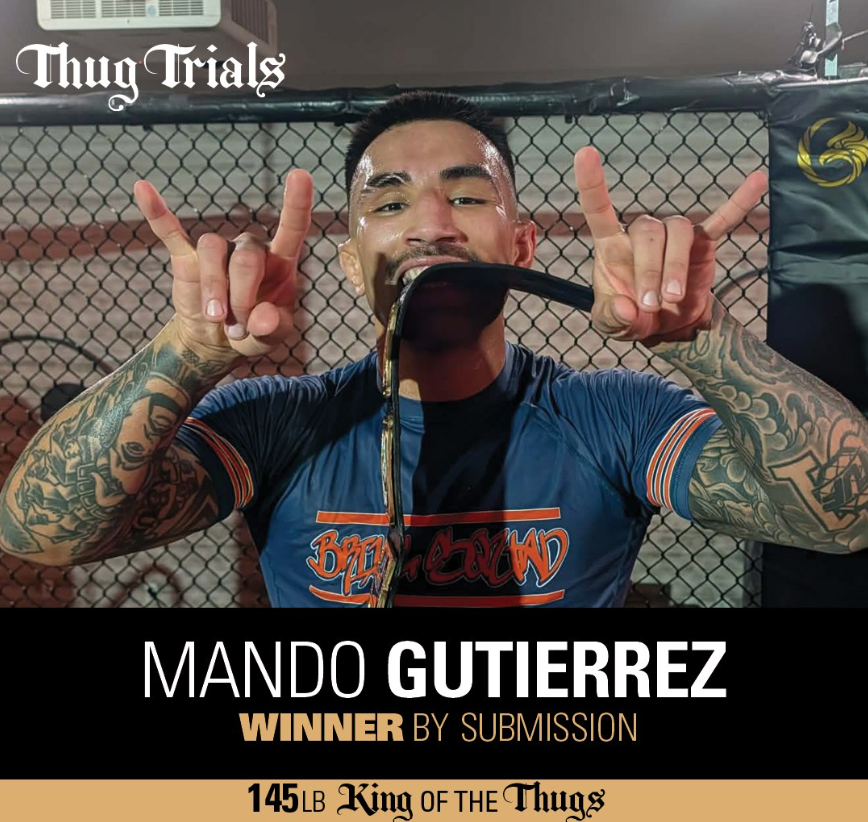
Mando Gutierrez defeats Logan Szostek via Submission – Rear-naked Choke
Gutierrez wins the Thug Trials 145lbs men’s championship
Nic Craton defeats Enrico Said via Decision – Judge’s Decision
Robert Moore defeats Tameem Syed via Decision – Judge’s Decision
Maia Matalon defeats Paula Williams via Submission – Arm-triangle Choke
Isabel Dawson defeats Rainna Dueber via Submission – Armbar
Jacob Maidens defeats Sam Joppe via Submission – Armbar
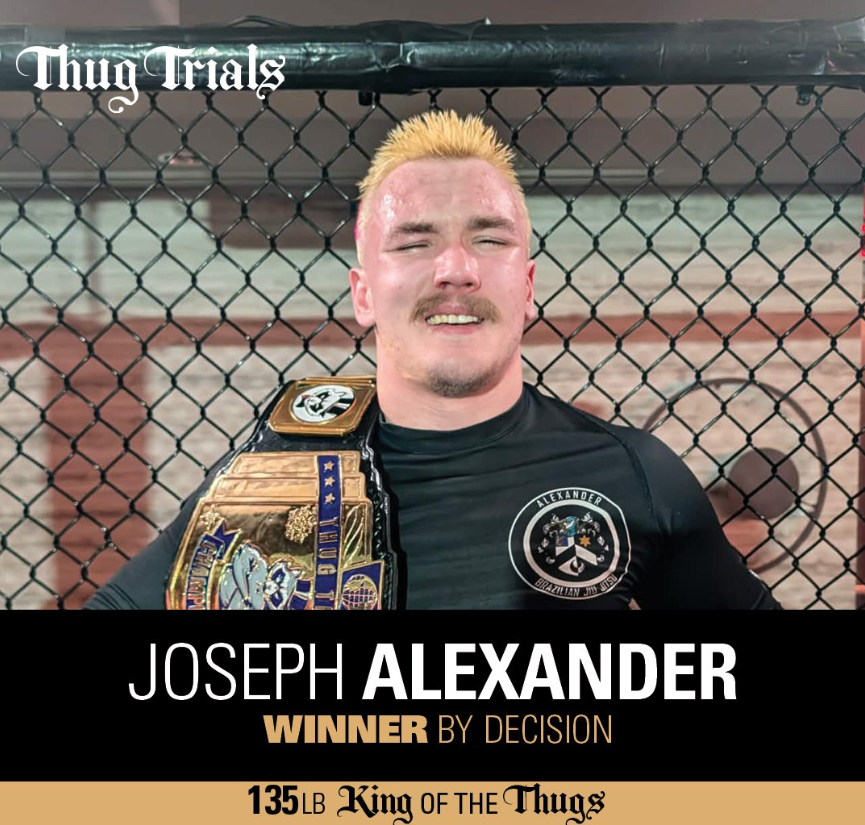
Joseph Alexander defeats Angel Morales via Decision – Judge’s Decision
Alexander wins the Thug Trials 135lbs men’s championship
Combat sports often promise chaos. Grappling events promise patience.
Thug Trials 2 somehow managed to deliver both at the same time.
On February 14th, 2026 — Valentine’s Day, appropriately enough — the promotion assembled a lineup that leaned less toward spectacle and more toward authenticity. This wasn’t a card built around theatrics or walkout fireworks. It was built around specialists. The kind of athletes whose reputations are not formed in highlight clips, but in slow pressure, incremental advantages, and small mistakes that become irreversible disasters.
And yet, the night began with the opposite of patience.
Six Seconds
The preliminary card had barely settled into rhythm when Isabel Dawson changed the emotional temperature of the entire venue. Matches had been technical, measured — the kind of cautious opening exchanges typical when elite grapplers share the mat for the first time.
Then Dawson ran.
There’s a very specific silence that happens right before a flying submission lands — the half-second where the crowd recognizes intent but hasn’t yet processed consequence. Dawson leapt, fully committing to a flying armbar that looked more like a reaction than a decision. Six seconds later, the tap came.
No feeling out.
No gradual escalation.
Just immediate commitment.
In grappling, early finishes don’t just end matches — they change the rest of the night. Every competitor afterward walks out knowing hesitation can cost them before their game even begins.
Calculated Damage
The card transitioned from chaos to calculation once the bigger names took the mat.
Jacob Couch’s match against Sage Gonzales didn’t explode into action; it tightened into a puzzle. Couch’s style has always lived in the gray area between positions — threatening without overextending, baiting reactions rather than forcing them. The false reap he initiated looked harmless, almost exploratory.
It wasn’t.
Gonzales defended the entry correctly at first, but the problem with traps in modern leg-locking exchanges is that they rarely attack the position you think they are attacking. Couch shifted the angle just enough, turning defense into exposure, and the ankle-lock came on with sudden severity. The tap followed quickly — not out of surprise, but out of respect for the inevitability of the break.
The Hardest Matches to Judge
Jasmine Rocha and Ally Wolski followed with a different kind of contest — one without catastrophic moments, but filled with micro-victories. These are the matches that feel slower live than they actually are, where grips, posture, and incremental positional control tell the real story.
Wolski pushed the pace and forced exchanges, making the outcome feel uncertain deep into regulation. But Rocha’s timing — particularly in transitions — consistently put her half a step ahead. When the decision was read in her favor, it wasn’t relief that followed, but recognition. She hadn’t overwhelmed the match; she had steered it.
A Champion Expands
The vacant women’s lightweight title bout carried a different weight entirely. Helena Crevar entered already holding gold at featherweight — but moving divisions in grappling isn’t just about size. It’s about solving new problems. Different pressure. Different frames. Different pacing.
Gabi Schuck didn’t make the adjustment easy.
The match unfolded as a layered positional battle, where neither athlete overcommitted. Crevar’s advantage wasn’t explosive offense — it was cumulative control. Each exchange ended slightly better for her than it began. Each reset favored her grips. Each scramble cost Schuck more energy than it cost Crevar.
By the final moments, the outcome felt less like a victory seized and more like one constructed piece by piece. When the decision crowned her a two-division Thug Trials champion, it reflected not domination, but mastery of tempo.
Veterans at Work
Dan Manasoiu followed with a composed decision win of his own, a match defined by stability. No wild scrambles, no desperation attacks — just consistent positioning that gradually removed his opponent’s options.
Then came the co-main event: Vagner Rocha vs. David Garmo.
Where earlier matches felt like strategy, this one felt like attrition. Rocha’s pressure has long been known as suffocating, and Garmo answered with resilience rather than retreat. The match became less about submissions and more about survival within pressure — a veteran contest where every inch mattered.
Rocha earned the decision, but the real story was endurance. Neither man conceded space willingly; it had to be taken, moment by moment.
The Final Claim
The night concluded with the under 165-pound title bout between Gabriel Sousa and Keith Krikorian — a stylistic meeting many had circled from the moment the card was announced.
Unlike the explosive opener, this match unfolded like a thesis. Both athletes respected the other’s threats, resulting in a contest defined by layered counters rather than reckless entries. Sousa gradually imposed control — not through singular breakthroughs, but through the accumulation of small positional victories that prevented Krikorian from ever building sustained offense.
By the time the final horn sounded, the decision felt less like a judgment and more like confirmation.
Sousa left with the belt.
But more importantly, he left having dictated the pace of the most important match of the night.
What the Night Meant
Thug Trials 2 never relied on a single defining moment — even though it had one just six seconds in. Instead, it showcased something rarer in modern grappling events: contrast.
A flying armbar and a forty-second scramble can be memorable.
But so can ten minutes of control no one can escape.
The event reminded everyone that jiu-jitsu exists on a spectrum between violence and patience. The best athletes don’t choose one — they decide when each is necessary.
And on this night, every champion understood the difference.
Check out the full event replay on youtube!!


