

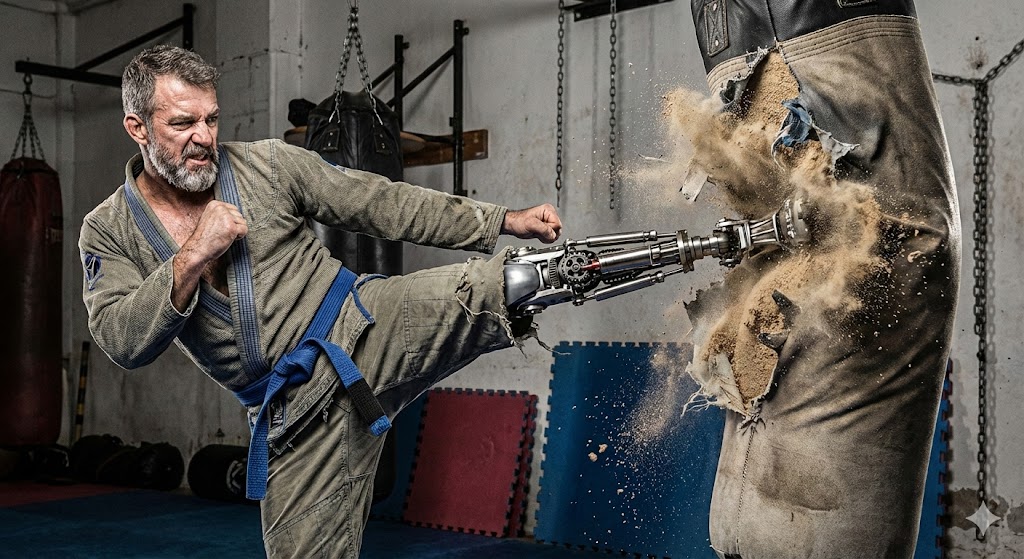
In submission grappling, your knees are under constant siege. Whether you are wrestling up on a single leg, retaining a flexible open guard, or resisting a vicious heel hook, the demands on your knee joints are unique and extreme.
Injury prevention isn’t just about tapping early, it’s about building structural integrity. You don’t need a heavy barbell to build bulletproof knees. In fact, bodyweight training often allows for better scaling and connective tissue strengthening than heavy loading alone.
Here are the top 6 bodyweight exercises ranked for longevity and performance on the mats.
6. The Hindu Squat
The Grappler’s Gas Tank
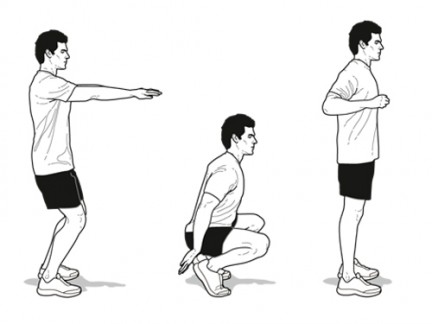
A staple in traditional wrestling and catch wrestling, the Hindu Squat is as much about conditioning and rhythm as it is about strength.
How to do it: Perform a bodyweight squat, but as you descend, lift your heels off the ground and swing your arms down and back. As you rise, drive the heels back down (or keep them elevated for constant tension) and swing the arms forward. It is a rhythmic, circular motion.
Why it works for BJJ: Unlike a flat-footed squat, this lifts the heels and drives the knees far forward, building tendon resilience and muscular endurance in the quads. It builds the gas tank for your legs, ensuring you still have explosive power in the final minute of a match.
5. The Cossack Squat
Essential For A Sticky Guard Game
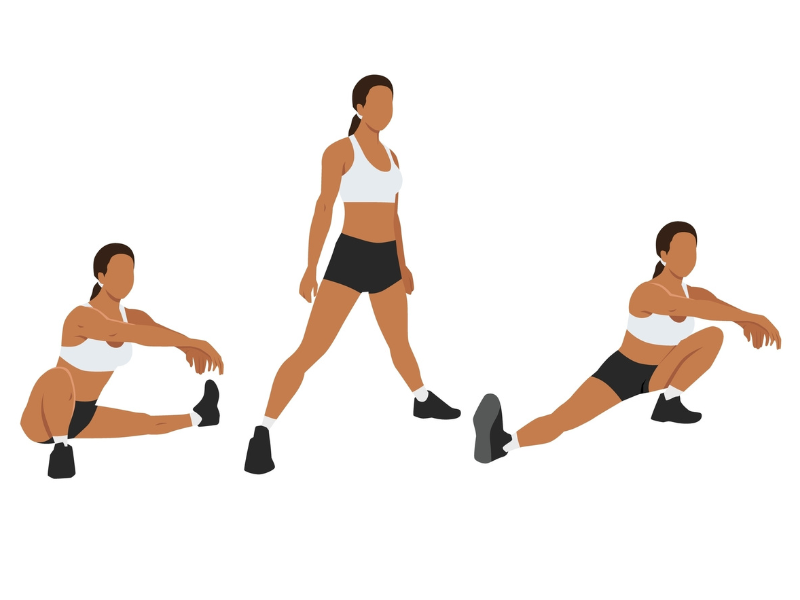
BJJ is not played in straight lines. The Cossack squat builds strength in the frontal plane (side-to-side), targeting the adductors and improving hip internal/external rotation.
How to do it: Start with a very wide stance. Shift your weight to one side, squatting down on that leg while keeping the other leg straight. Rotate the straight leg’s toes up toward the ceiling, keeping the heel of the squatting leg flat on the floor.
Why it works for BJJ: This is critical for open guard retention (think De La Riva or Spider Guard). It prevents groin strains when your opponent forces your legs apart and builds the strength needed to recover guard from compromised angles.
4. The Nordic Hamstring Curl
The ACL Protector
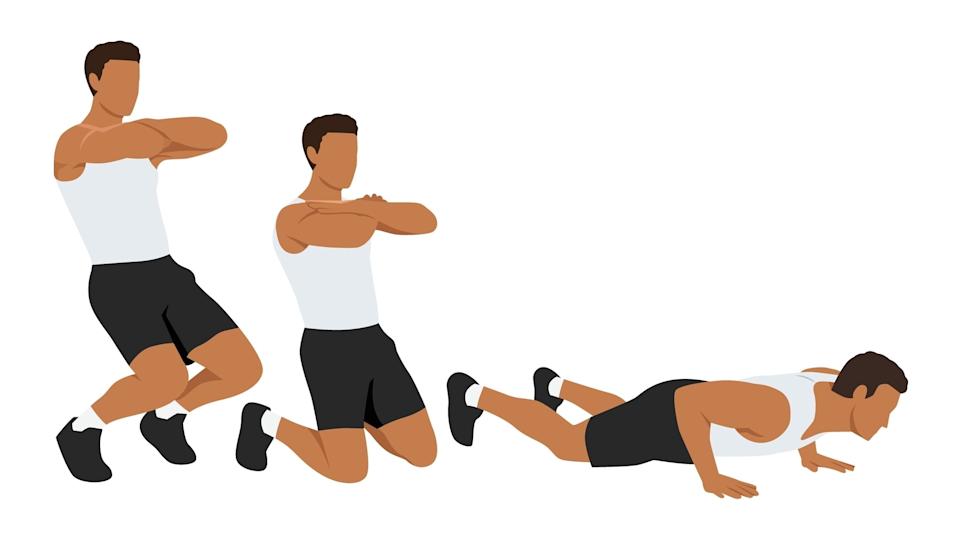
Widely considered the gold standard for hamstring injury prevention, the Nordic Curl builds massive eccentric strength in the posterior chain.
How to do it: Kneel on a soft pad with your ankles secured (by a partner or under a heavy object like a couch). Keeping your hips extended and torso straight, slowly lower your chest toward the floor. Control the descent as long as you can, catch yourself with your hands, and push back up.
Why it works for BJJ: Many knee injuries (especially ACL tears) occur when the hamstring is too weak to decelerate the lower leg. Furthermore, strong hamstrings are vital for finishing leg curls in leg-lock defense and maintaining heavy pressure from the top position.
3. The ATG Split Squat
Mobility Meets Strength
Popularized by the “Knees Over Toes” philosophy, this exercise challenges your ankle and hip mobility while strengthening the knee through a full range of motion.
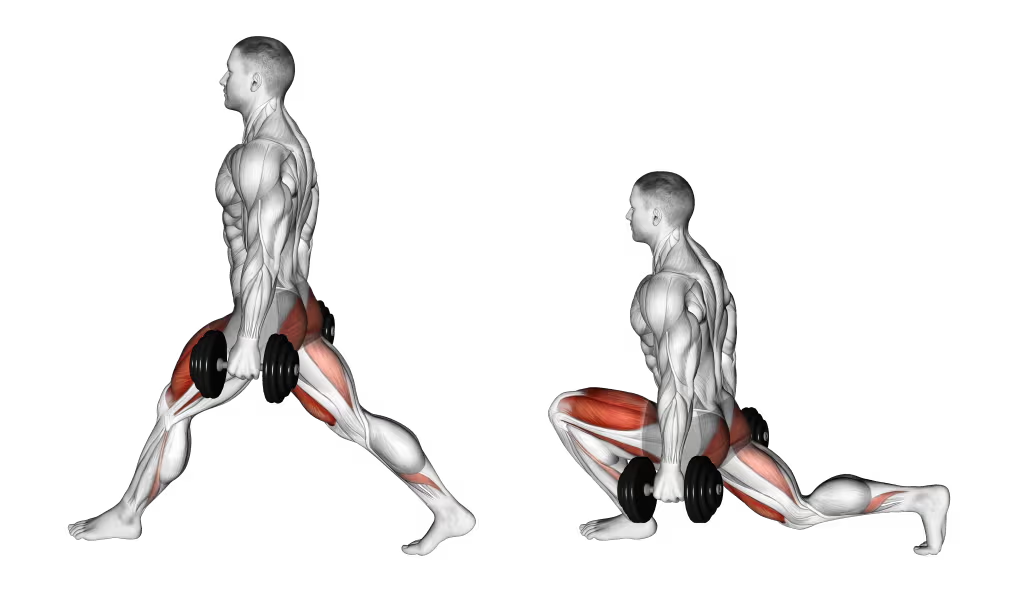
How to do it: Get into a long split stance. Lower your back knee toward the ground while driving your front knee as far forward over your toes as possible. The goal is to have your hamstring fully cover your calf on the front leg, while keeping the back leg straight and the glute engaged. Regress by elevating the front foot.
Why it works for BJJ: This mimics the deep penetration step needed for shots like double legs. It also opens up tight hip flexors (a common issue for guard players who sit a lot), reducing the tension that pulls on the knee joint.
2. The Tibialis Raise
The First Line of Defense
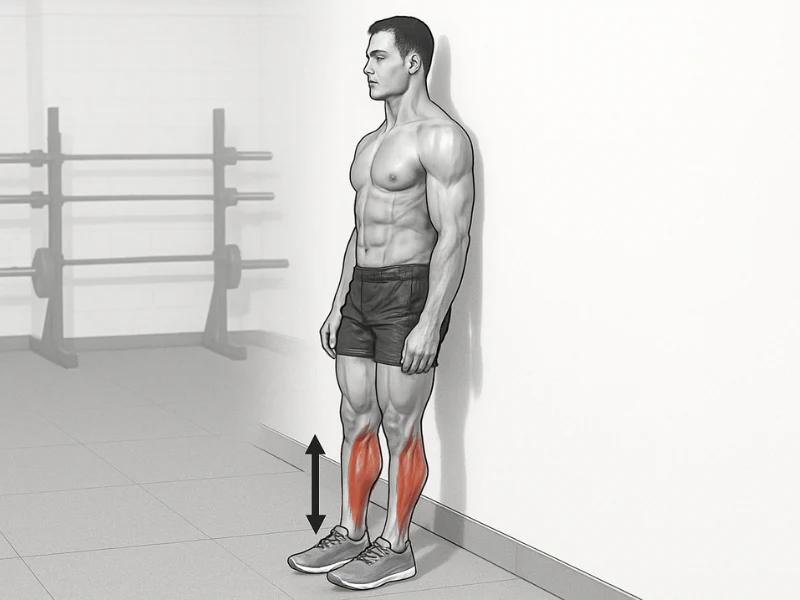
The Tibialis Anterior is the muscle running down the front of your shin. It is the first muscle to absorb force when your foot hits the ground. Neglecting this leaves the knee to absorb shock it wasn’t designed for.
How to do it: Find a wall and lean your back against it, walking your feet out slightly. Keep your legs straight and lift your toes toward your shins as high as possible, hold for a second, and lower them slowly. To make it harder, walk your feet further away from the wall.
Why it works for BJJ: Strengthening the tibialis helps “lock” the ankle joint, making your base harder to sweep. It also protects the knee during the chaotic scrambles and awkward landings common in sparring.
1. The Reverse Step-Up (Patrick/Poliquin Step-Up)
The VMO Builder
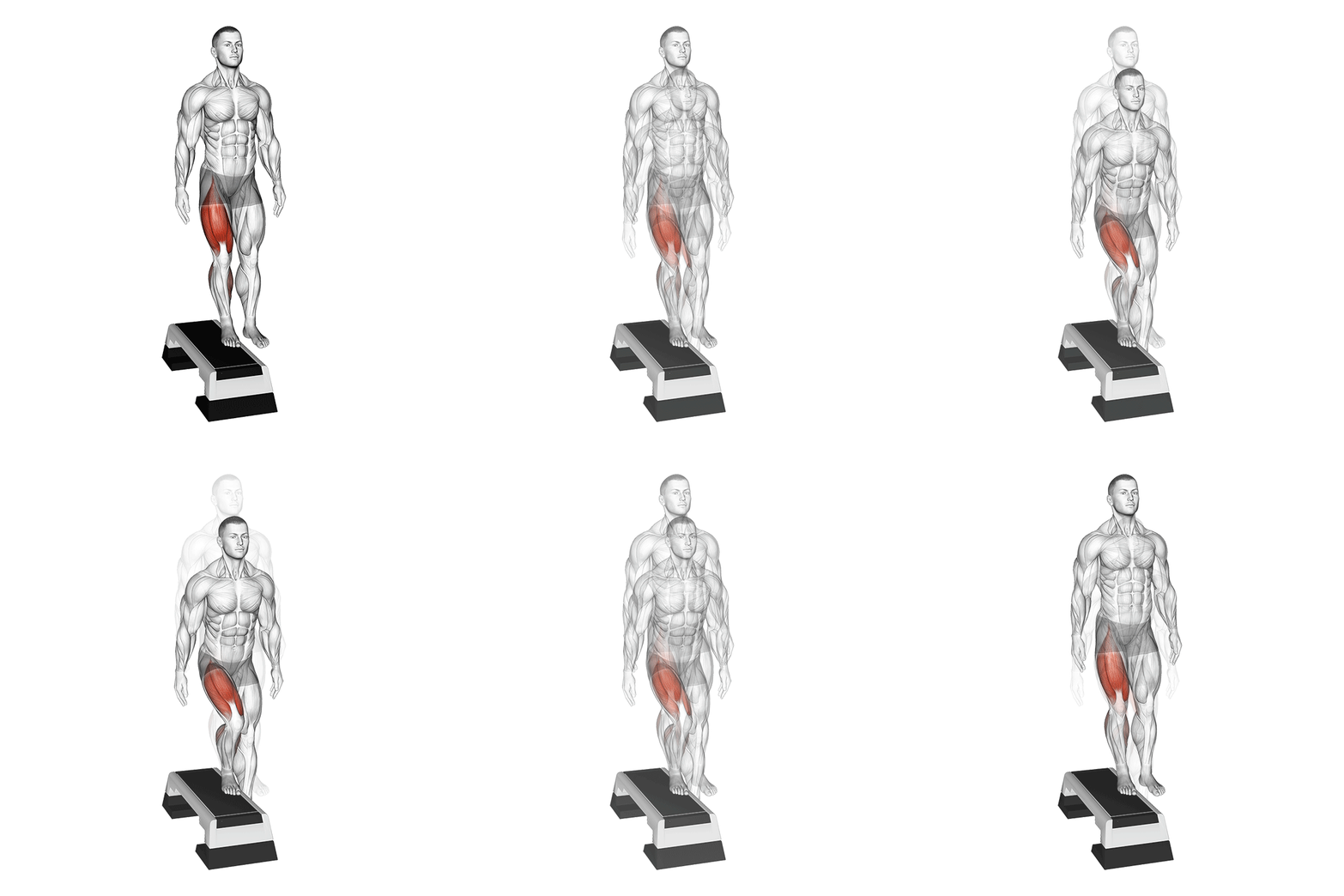
If you suffer from “jumper’s knee” or general anterior knee pain, this is your starting point. This exercise specifically targets the Vastus Medialis Oblique (VMO)—the teardrop-shaped muscle on the inside of your quad that stabilizes the knee cap.
How to do it: Stand on a small elevation (like a bumper plate or low step). Keep the working leg on the step and slowly lower your other heel to the ground in front of you. Tap the heel lightly and return to the start without pushing off the bottom foot. The goal is to drive the knee of the working leg over the toe as far as possible while keeping the heel flat.
Why it works for BJJ: Strong VMOs are essential for the eccentric loading required when changing levels for takedowns or resisting pressure while in a squatting position during guard passing.
Conclusion: Longevity Is The Ultimate Submission
Building bulletproof knees doesn’t require complex machinery, just a commitment to structural integrity. By integrating these six bodyweight movements into your regular training, you are forging the armor necessary to withstand the chaotic demands of grappling. Remember, the path to a black belt is a marathon, not a sprint, it belongs to those who can stay on the mats the longest. Prioritize your joint health today so you can keep moving with confidence, power, and pain-free mobility for decades to come.


