

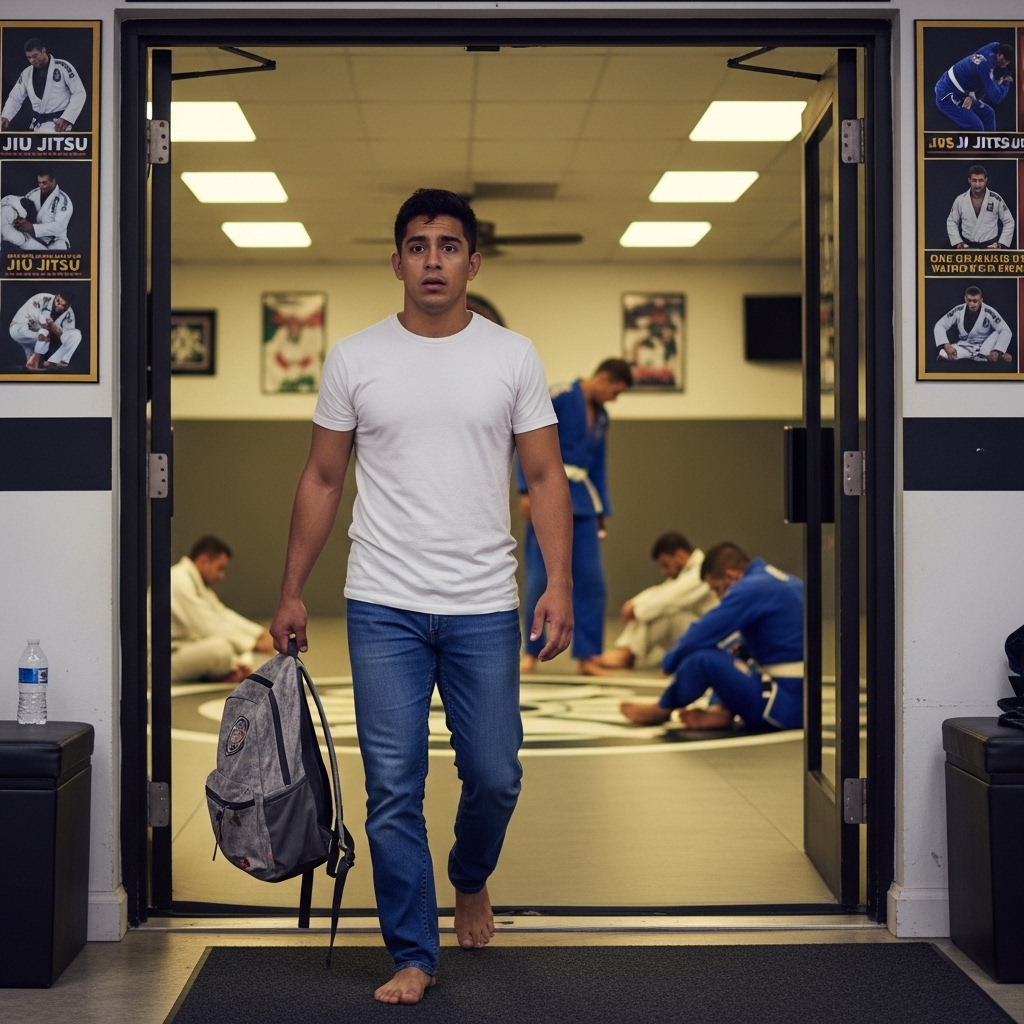
Starting any new endeavor can be daunting, and Brazilian Jiu-Jitsu (BJJ) is no exception. As a new grappler stepping onto the mats for the very first time, it’s natural to feel a mix of excitement, apprehension, and perhaps a little bit of confusion. This article aims to demystify that initial experience, giving you a clear picture of what to expect from your first BJJ class.
The Atmosphere: Welcoming, Yet Intense
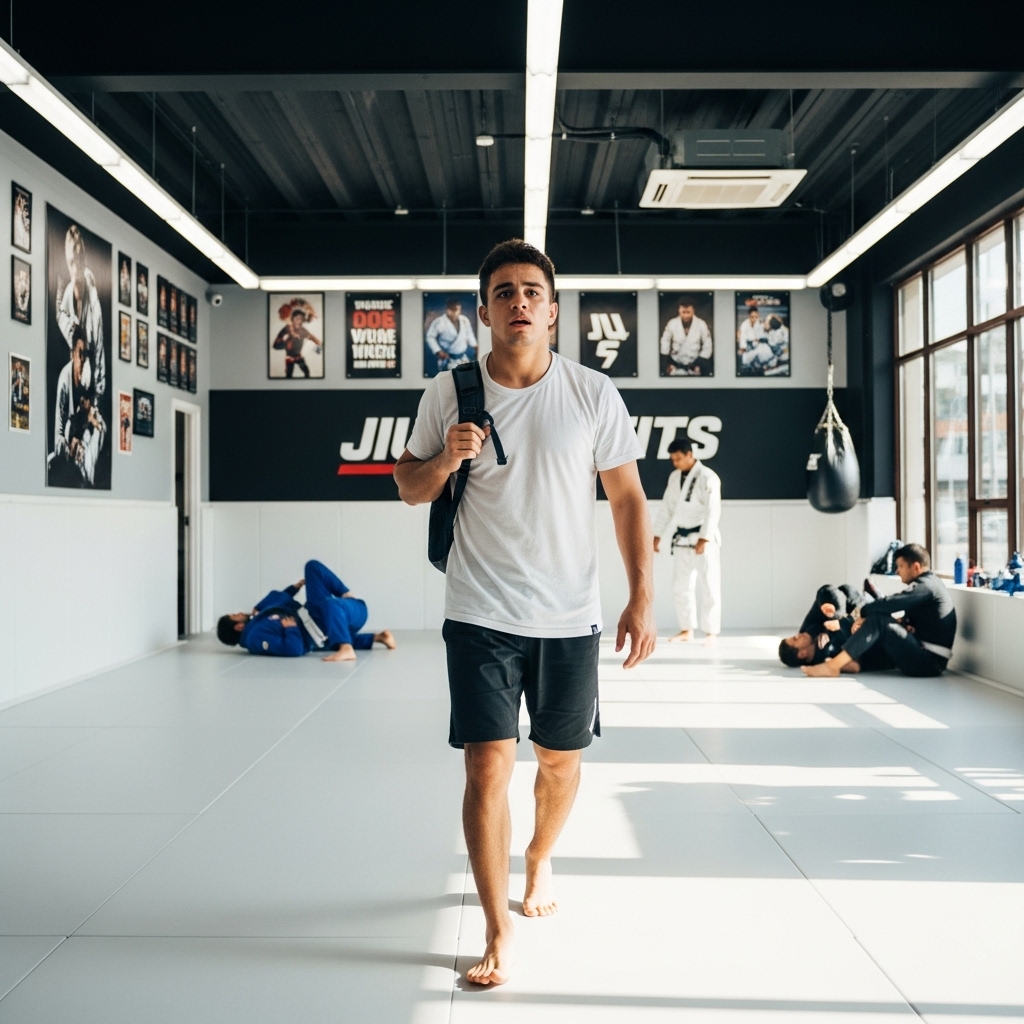
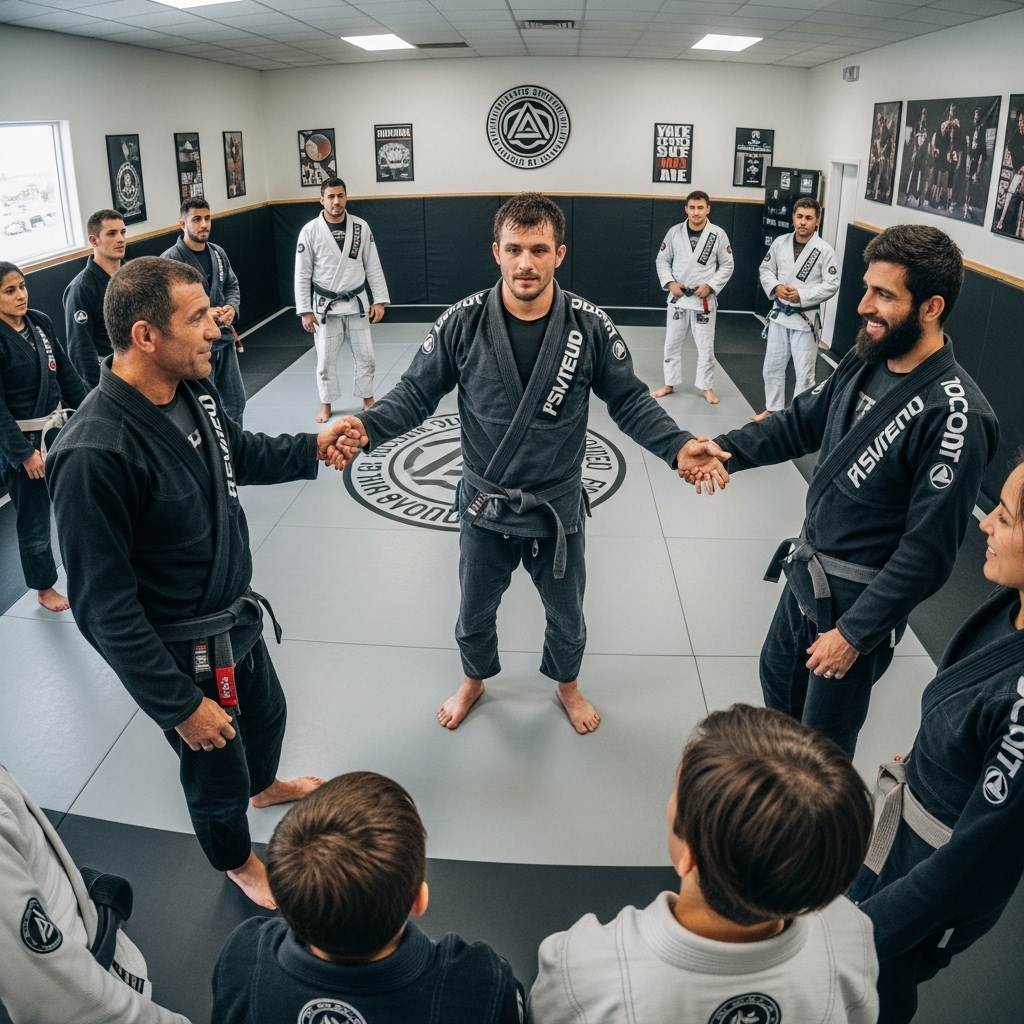
First and foremost, you’ll likely find a welcoming atmosphere. BJJ academies are often tight-knit communities, and most experienced practitioners remember what it was like to be a beginner. Don’t be surprised if people introduce themselves and offer a friendly word.
However, alongside the camaraderie, there’s an undeniable intensity. BJJ is a combat sport, and even in a beginner’s class, you’ll be exposed to techniques that, while controlled, are designed for self-defense and competition. This intensity is part of what makes BJJ so engaging, but it can be a bit of a shock if you’re not prepared.
What To Wear: Comfort And Modesty Are Key
Most academies will recommend wearing comfortable athletic clothing for your first class. Think a t-shirt and athletic shorts or sweatpants. If you have a gi (the traditional BJJ uniform), great, but it’s certainly not expected for your first session. Some academies may even have loaner gis available. The key is to wear something that allows for a full range of motion and isn’t too revealing. You’ll be moving in ways you might not be accustomed to, so avoid anything too baggy that could get caught or too tight that restricts movement.

The Warm-Up: More Than Just Stretching
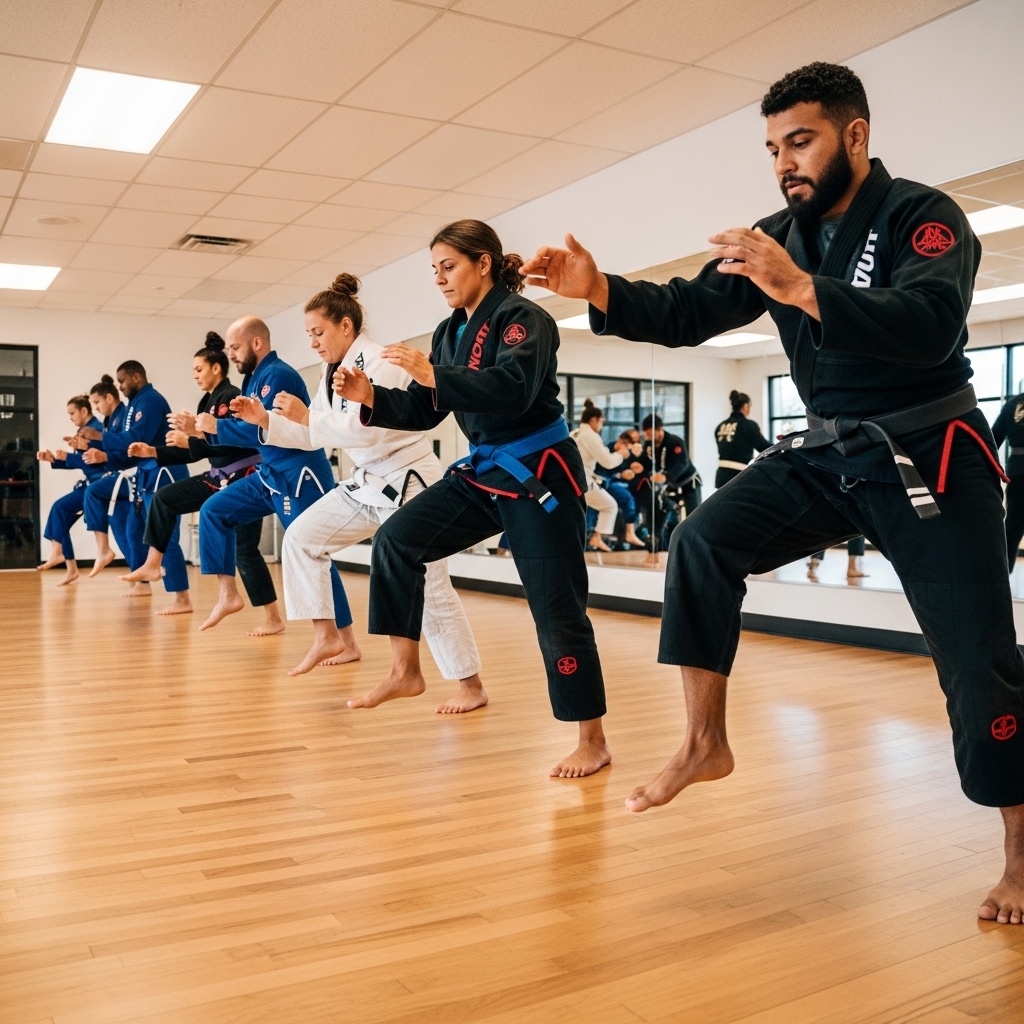
Prepare to sweat! BJJ warm-ups are usually more comprehensive than a typical gym warm-up. They often incorporate movements that are specific to jiu-jitsu, such as shrimping, forward and backward rolls, and various animal walks. These movements aren’t just for getting your blood flowing; they’re foundational to BJJ techniques and will help you develop body awareness and coordination. Don’t worry if you feel awkward or uncoordinated at first – everyone does. Focus on moving your body and getting a feel for the movements.
The Instruction: Drilling Techniques
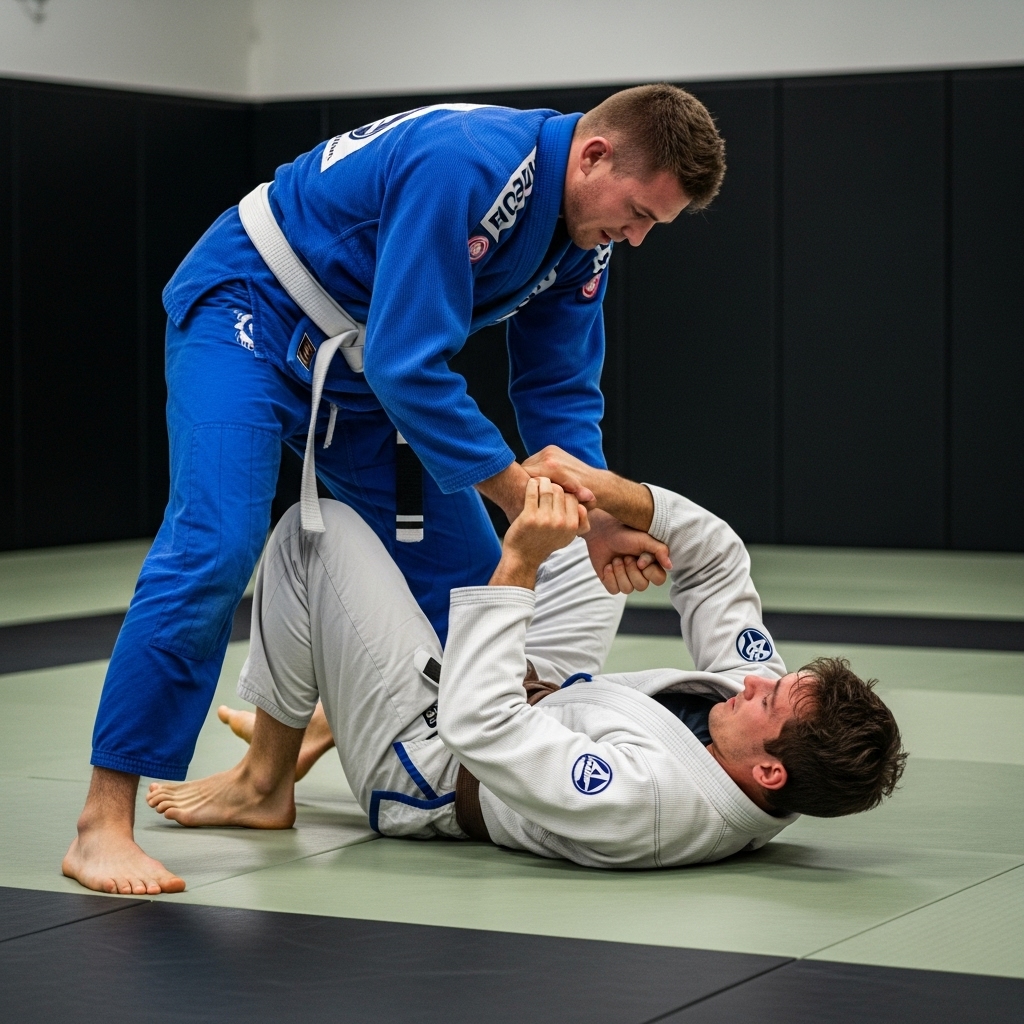
After the warm-up, the instructor will typically demonstrate one or two techniques. These will likely be fundamental movements, such as a basic submission (e.g., an armbar from guard), a positional control (e.g., maintaining mount), or an escape. The instructor will break down the technique into manageable steps, explaining the “why” as well as the “how.”
You’ll then pair up with a partner to drill these techniques. This is where you’ll get hands-on experience. Don’t be afraid to ask your partner or the instructor for clarification if you’re unsure about something. The goal is not perfection, but understanding the mechanics and getting repetitions in. Your partner will likely be patient and helpful, as they’ve been in your shoes before.
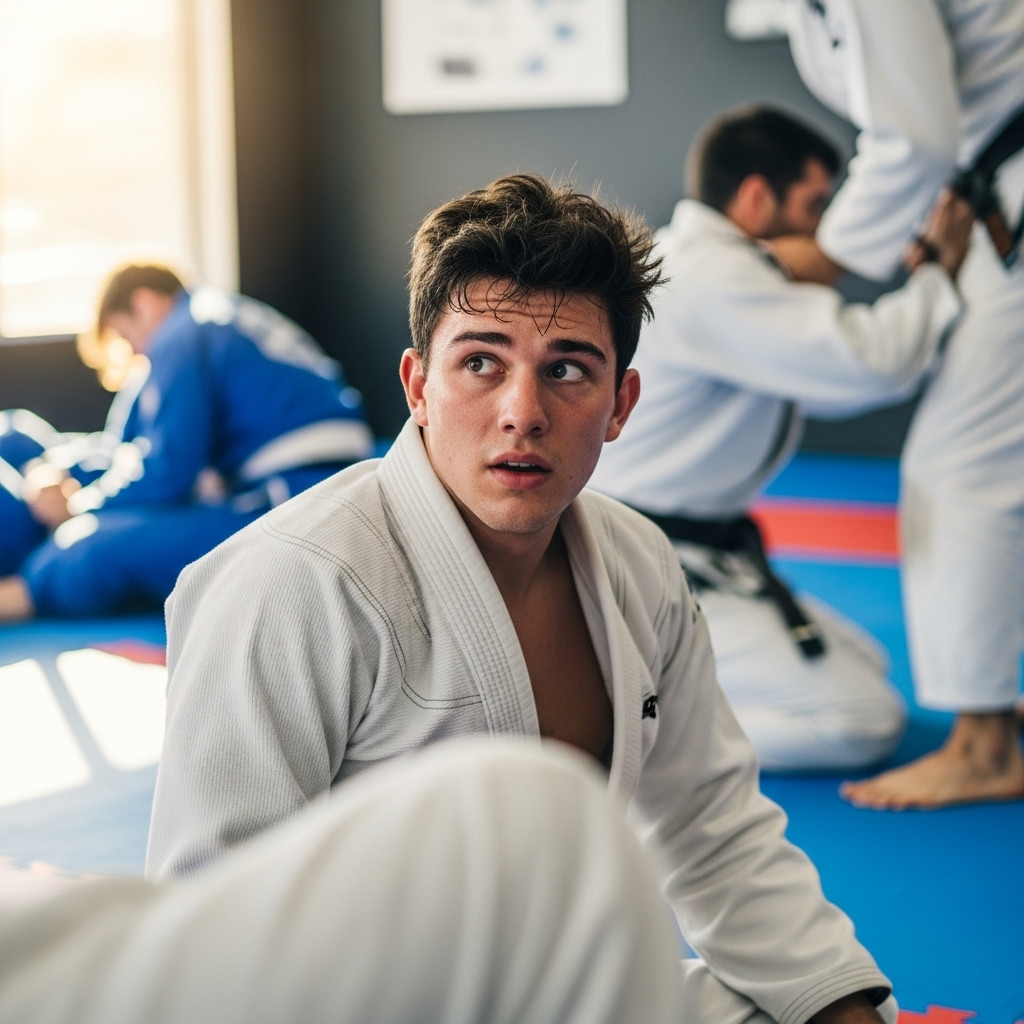
Rolling (Sparring): The “Live” Experience (Maybe)
This is often the part new grapplers are most curious, and sometimes most anxious, about. “Rolling” is the BJJ term for sparring, where you apply the techniques you’ve learned in a live, unscripted environment.
It’s important to note that not all academies will have new grapplers roll on their very first day. Some prefer to ease beginners in, focusing solely on warm-ups and drilling for the initial classes. If your academy does allow or encourage rolling on your first day, don’t feel pressured to participate if you’re uncomfortable. Most instructors will understand if you prefer to observe.
If you do decide to roll, remember a few key things:
Go Light: You are not trying to win a world championship. Your goal is to feel out the movements, understand the flow, and most importantly, not get injured or injure your partner. Many experienced practitioners will go very light with new students.
Tap Early, Tap Often: This is the golden rule of BJJ. If a submission is applied and you feel discomfort or pain, tap immediately. There is no shame in tapping; it’s a sign of intelligence and self-preservation.
Focus on Survival: Your main objective in your first rolls should be to survive. Don’t worry about submitting your opponent. Focus on defending, maintaining good position, and escaping bad positions.
The Cool-Down And Q&A: Wrapping Up
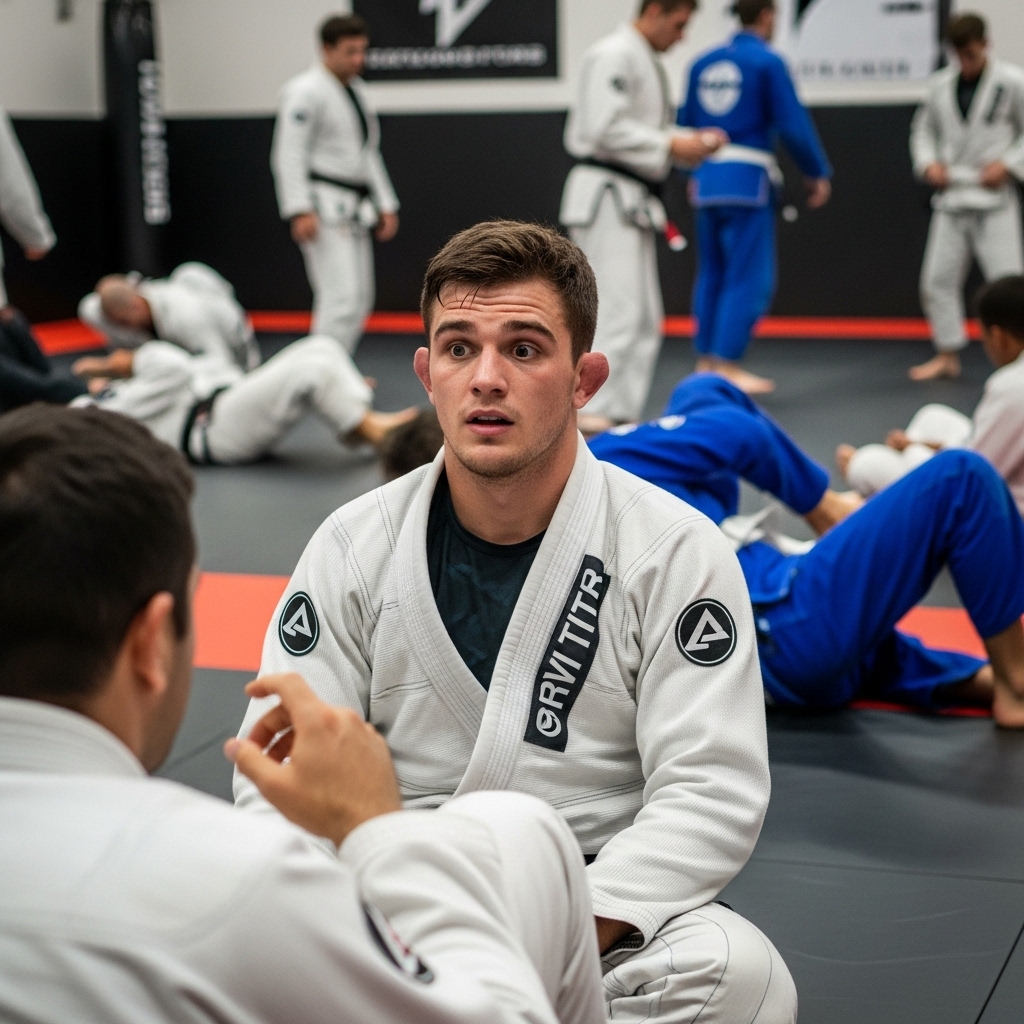
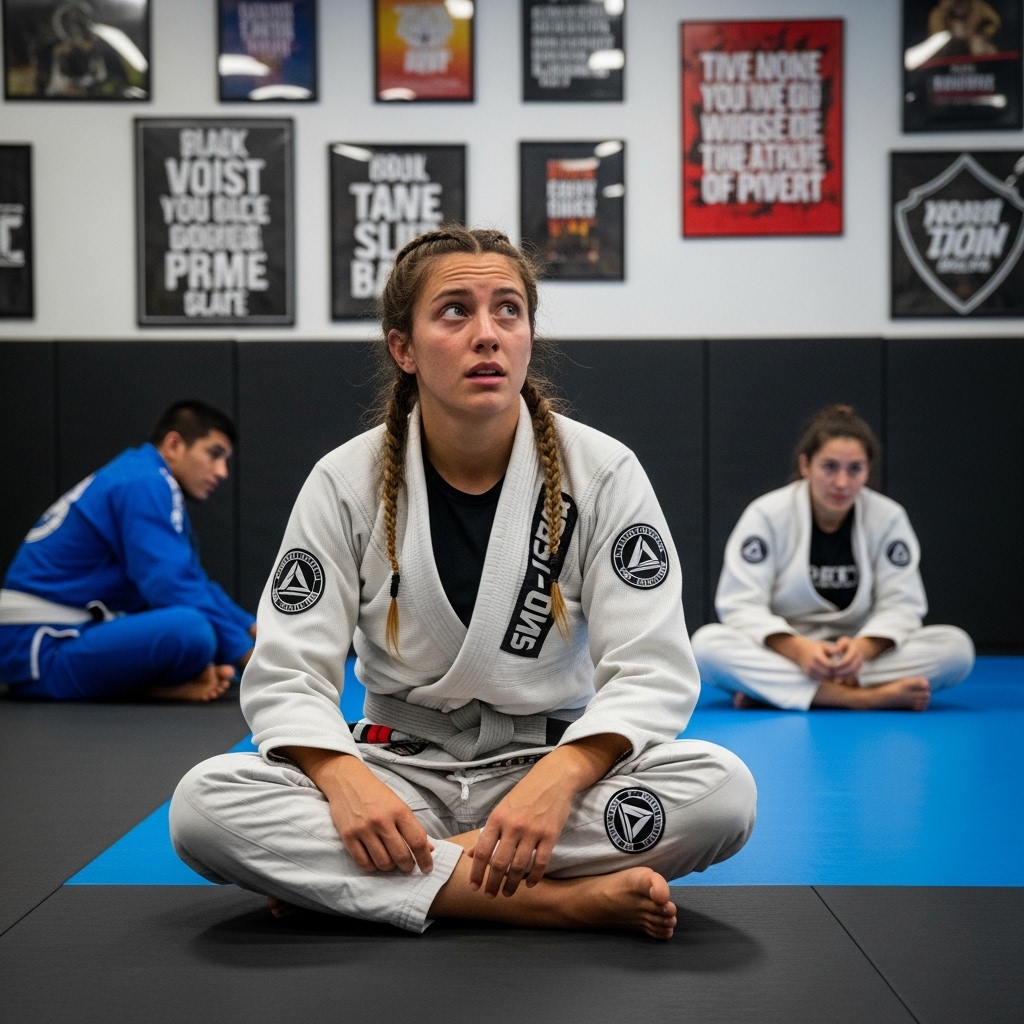
The class will typically conclude with a cool-down period and often an opportunity for students to ask questions. This is a great time to clarify anything you didn’t understand during the drilling or rolling sessions.
Post-Class: Reflection And Recovery
You’ll likely leave your first BJJ class feeling a mix of exhaustion and exhilaration. Your muscles might ache in places you didn’t know existed, and your brain will be buzzing with new information. This is all perfectly normal.
Take some time to reflect on what you experienced. What did you enjoy? What challenged you? And most importantly, did you have fun?
Remember, your first BJJ class is just the beginning of a challenging yet incredibly rewarding journey. Be patient with yourself, embrace the learning process, and don’t be afraid to ask questions. Welcome to the mats, new grappler!


