



The Ultimate Goal: Submission
First and foremost, a submission ends the match immediately, regardless of any points accumulated. This is the paramount objective in any F2W bout. Competitors are encouraged to hunt for finishes, and the ruleset is generally permissive to facilitate this.

The Scoring System: Rewarding Dominance
If a submission doesn’t occur, the winner is determined by points. F2W’s scoring system is designed to reward active grappling and positional control that leads towards a finish. Here’s how points are awarded:
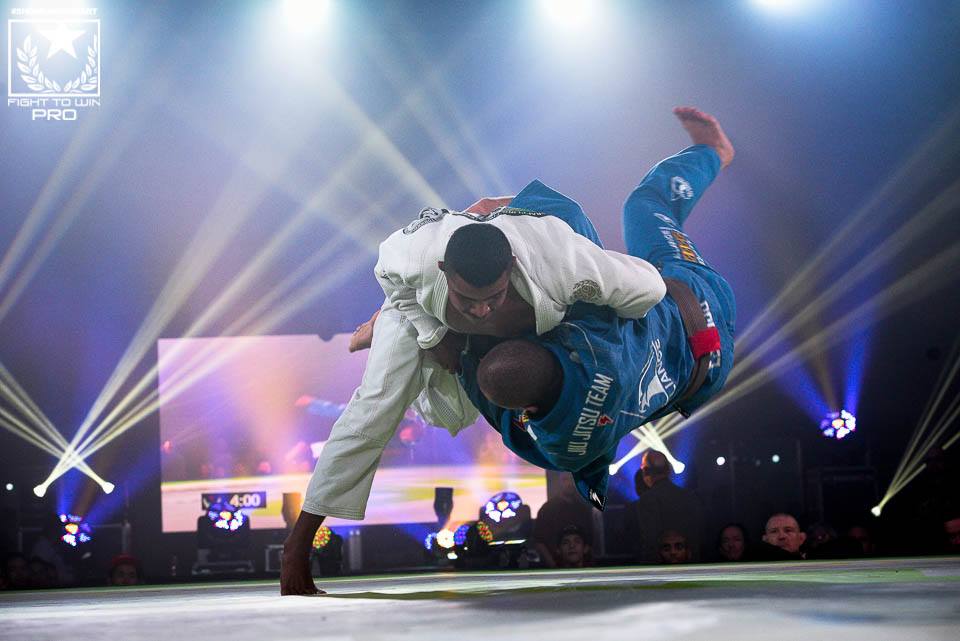
- Takedown (2 points): Awarded when a competitor takes their opponent from a standing position to the ground and establishes control for a sustained period (typically 1-3 seconds, depending on the division). If you take your opponent down and they immediately initiate a submission, you may not be awarded points until the submission threat is escaped and control is solidified.
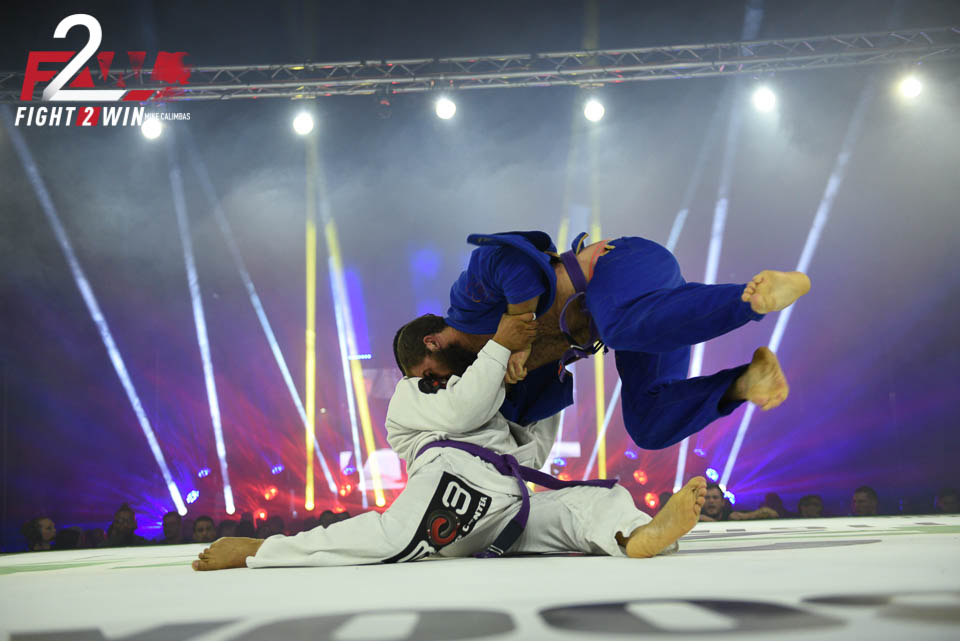
- Sweep (2 points): Awarded when a competitor transitions from a bottom guard position to a dominant top position, maintaining control for a sustained period (typically 3 seconds). This applies to turning over an opponent from guard to end up on top.
- Guard Pass (3 points): Awarded when a competitor successfully navigates past their opponent’s legs from a top position to establish a dominant side control or similar position, holding for a sustained period (typically 3 seconds).
- Mount (4 points): Awarded for achieving and maintaining the mount position (sitting on the opponent’s torso with knees on either side) for a sustained period (typically 3 seconds).
- Back Control (with hooks or body triangle) (4 points): Awarded for achieving and maintaining control of the opponent’s back with both hooks in or a body triangle locked for a sustained period (typically 3 seconds).
Important Notes on Points:
Consecutive Points: You can score points for transitioning between dominant positions (e.g., from side control to knee on belly, then to mount), but usually not for moving between variations of the same dominant position (e.g., side control to another side control).
Consolidation of Position: For points to be awarded, the position must be established and held for a specified duration, usually 3 seconds. This signifies control, not just a fleeting moment.
Combined Points: In some instances, points can be “combined.” For example, if a sweep leads directly to a mount, you might earn points for both.
Advantages: Advantages are crucial in F2W. If the points are tied at the end of the match, the competitor with more advantages wins. Advantages are awarded for near-misses on point-scoring positions or for strong submission attempts that put the opponent in genuine danger but don’t result in a tap. Think of them as “almost points.”
Referee Decision: The Last Resort
If a match goes the full time and there is no submission, and the points (and advantages) are tied, the referee will make a decision based on factors like aggression, initiation of action, and who was more dominant or dangerous throughout the bout. This reinforces the F2W philosophy of rewarding exciting and offensive grappling.
Fight 2 Win has successfully blended the competitive spirit of jiu-jitsu with an entertainment-focused presentation. By understanding the rules and scoring, fans and competitors alike can better appreciate the fast-paced, submission-hunting battles that define “The Biggest Party in Grappling.” So next time you tune in or step on the stage, remember: dominate, advance, and always be hunting for that finish!
What’s your opinion on this style of ruleset? Have you ever competed at a F2W event, if so, what was your experience like? Let us know down in the comments! And, as always, thank you for grappling!


